
Tag: Environment
-
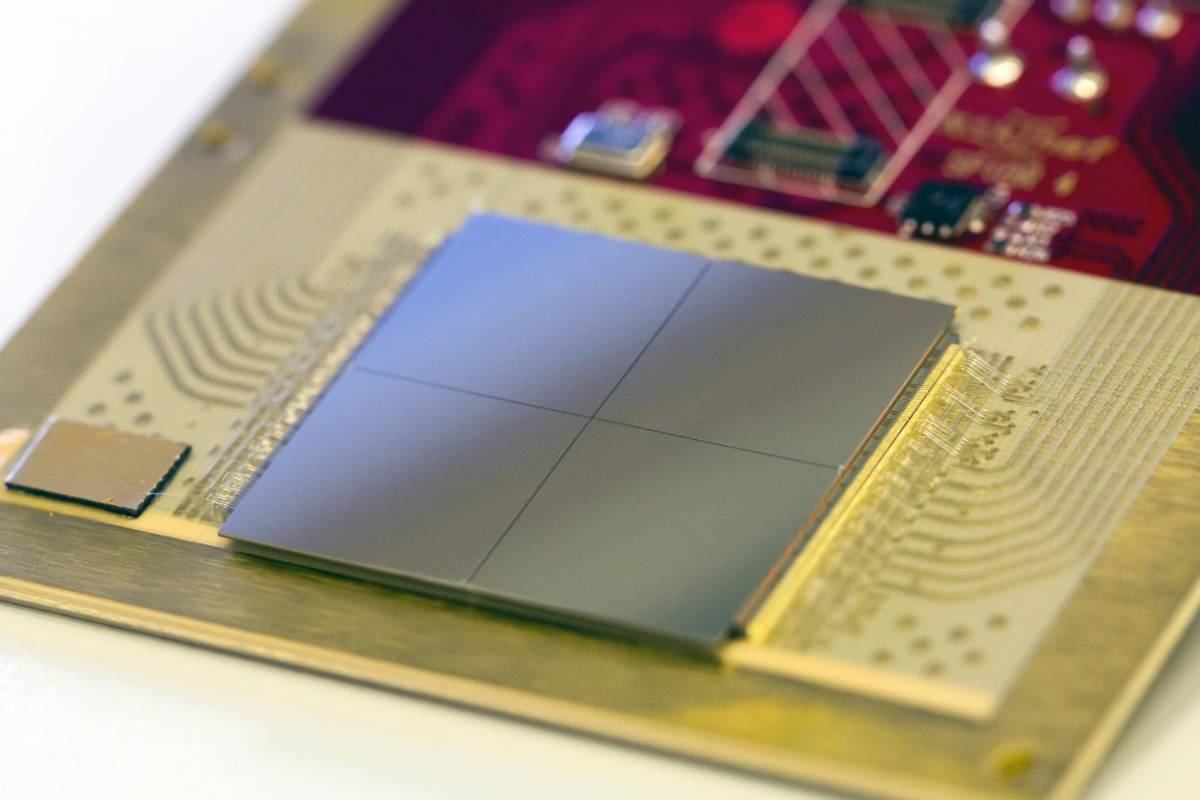
Timepix
Timepix | The original Timepix ASIC is a silicon chip developed at CERN by the Medipix2 Collaboration. The chip is divided into a 256×256 grid of tiny pixels, each one containing thousands of transistors that allow it to detect and analyse radiation. Its successor, Timepix2, can be programmed to operate in one of several modes
-
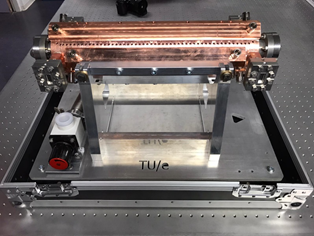
Compact material NDT for residual stress measurement, batteries & fast fuel cell development (VULCAN)
Compact material NDT for residual stress measurement, batteries & fast fuel cell development (VULCAN) | The VULCAN (Versatile ULtra-Compact Accelerator-based Neutron source) project is a collaborative initiative to develop a compact, pulsed cold and thermal (1.5 ˚A to 3.5 ˚A) neutron source for use in industrial, research, and scientific fields. VULCAN is specifically designed to
-
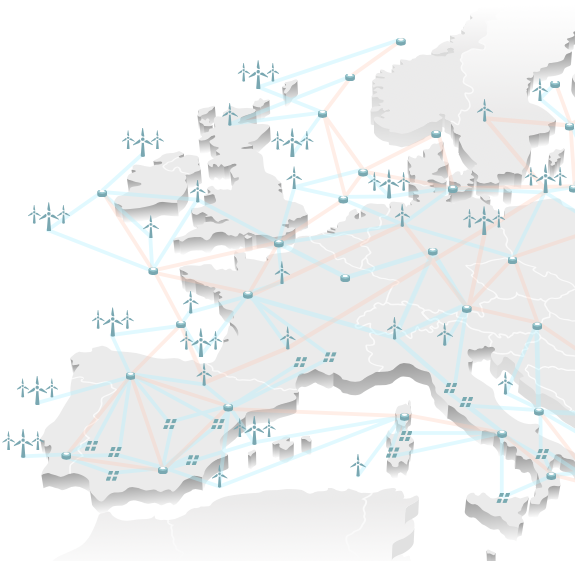
Vacuum expertise for future powergrids (IVAC-RED/SuperNode)
Vacuum expertise for future powergrids (IVAC-RED/SuperNode) | The objective of this project is to provide CERN expertise in vacuum systems to support ongoing industrial efforts to develop innovative superconducting cables capable of handling the increased share of renewable energy necessary to achieve decarbonisation. The project will be carried out in collaboration with SuperNode, a cutting-edge
-

Ultra-thin beam windows for maritime electron beam flue gas treatment (UTMOST CLEEN)
Ultra-thin beam windows for maritime electron beam flue gas treatment (UTMOST CLEEN) | The project aims to develop a compact and durable Electron Beam Flue Gas Treatment (EBFGT) technology for the maritime industry to remove pollutants (particularly NOx) by converting and subsequently filtering harmful by-products before the exhaust gas is released. While solutions for on-land
-
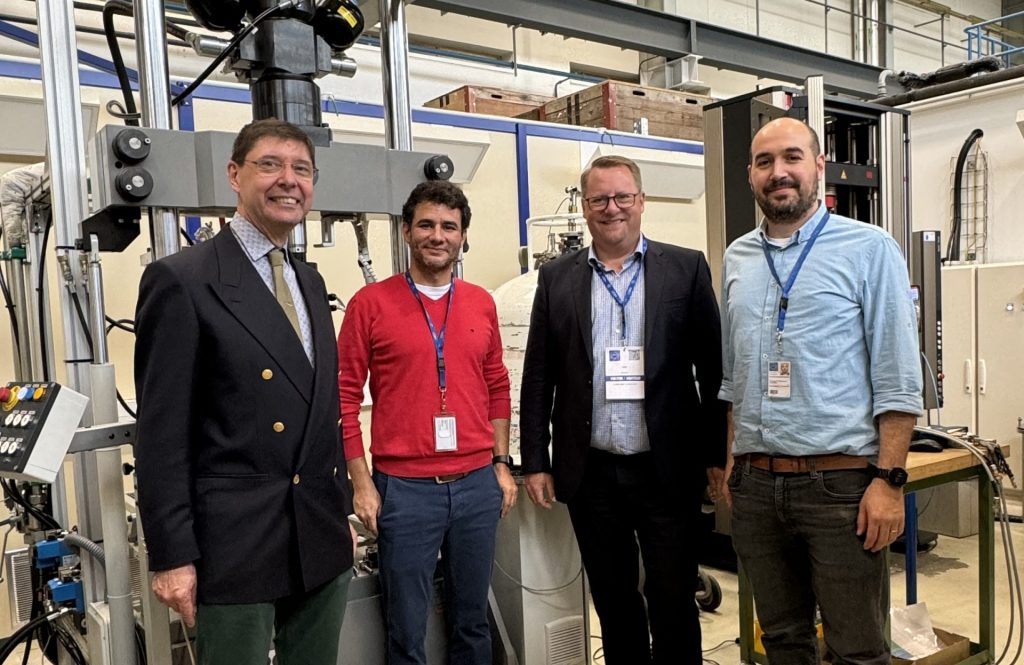
Testing steel for fusion power (Rolf Kind)
Testing steel for fusion power (Rolf Kind) | CERN has partnered with German company Rolf Kind, which specialises in the production of forgings in high-alloy stainless steels, to find the right steel for the requirements of the fusion power plants of tomorrow. Rolf Kind collaborated with CERN’s Materials, Metrology and Non-Destructive Testing section to test
-
Supporting industrial materials testing (Applus+)
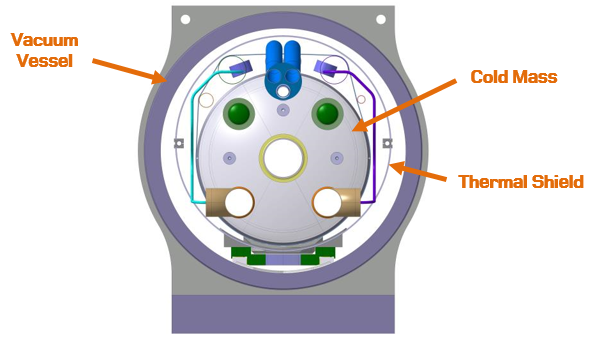
Supporting industrial materials testing (Applus+) | Applus+ provides testing services to companies. CERN provided a consultancy to Applus+ to support them developing an equipment to test the mechanical properties of materials at cryogenic temperatures. This consultancy was provided based on CERN’s experience designing in-house equipment for this purpose. As opposed to CERN’s test bench, the
-

Liquid hydrogen maritime transportation (GTT)
Liquid hydrogen maritime transportation (GTT) | In 2023, CERN and Gaztransport & Technigaz (GTT), a technological expert in membrane containment systems used to transport and store cryogenic liquids, started a collaboration to develop liquid hydrogen carriers. The ambition of this project is to provide a scalable technology to store and carry liquid hydrogen in ships
-
Industrial-grade Software for Energy Optimization of Cooling and Ventilation Plants
Industrial-grade Software for Energy Optimisation of Cooling and Ventilation Plants | The goal of this project is to develop an “Industrial-grade Software for Energy Optimization of Cooling and Ventilation Plants,” based on novel algorithms developed in EN-CV. Specifically tailored to seamlessly retrofit into existing HVAC control systems, the control systems optimization software aims to dynamically
-
Environmental Modelling and Prediction Platform (EMP2)
Environmental Modelling and Prediction Platform (EMP2) | The EMP2 project set out to create a machine-learning based model that could be used to, for example, make predictions about the weather or track atmospheric dynamics. This model was named AtmoRep. AtmoRep can be adapted to several uses, including short-term weather forecasting, downscaling, bias corrections, spatio-temporal interpolations and
-
Energy, water and gas monitoring and forecasting platform (Web Energy)
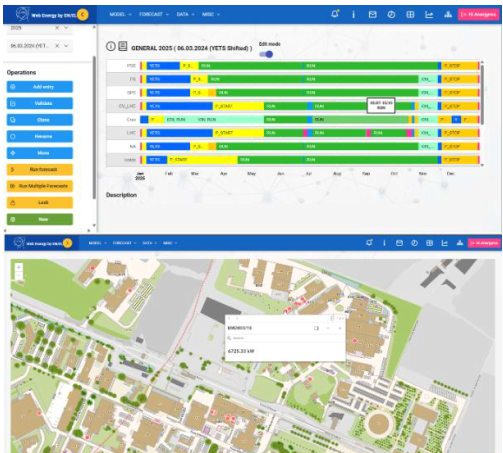
Energy, water and gas monitoring and forecasting platform (Web Energy) | WebEnergy is a software tool that allows users to monitor and forecast the energy consumption of CERN equipment. It has been operating at CERN since 2012 and has seen many developments since. Financing from CERN Knowledge Transfer went towards readying the software for use
-
Energy efficiency of cooling and ventilation infrastructure (MotorSense)
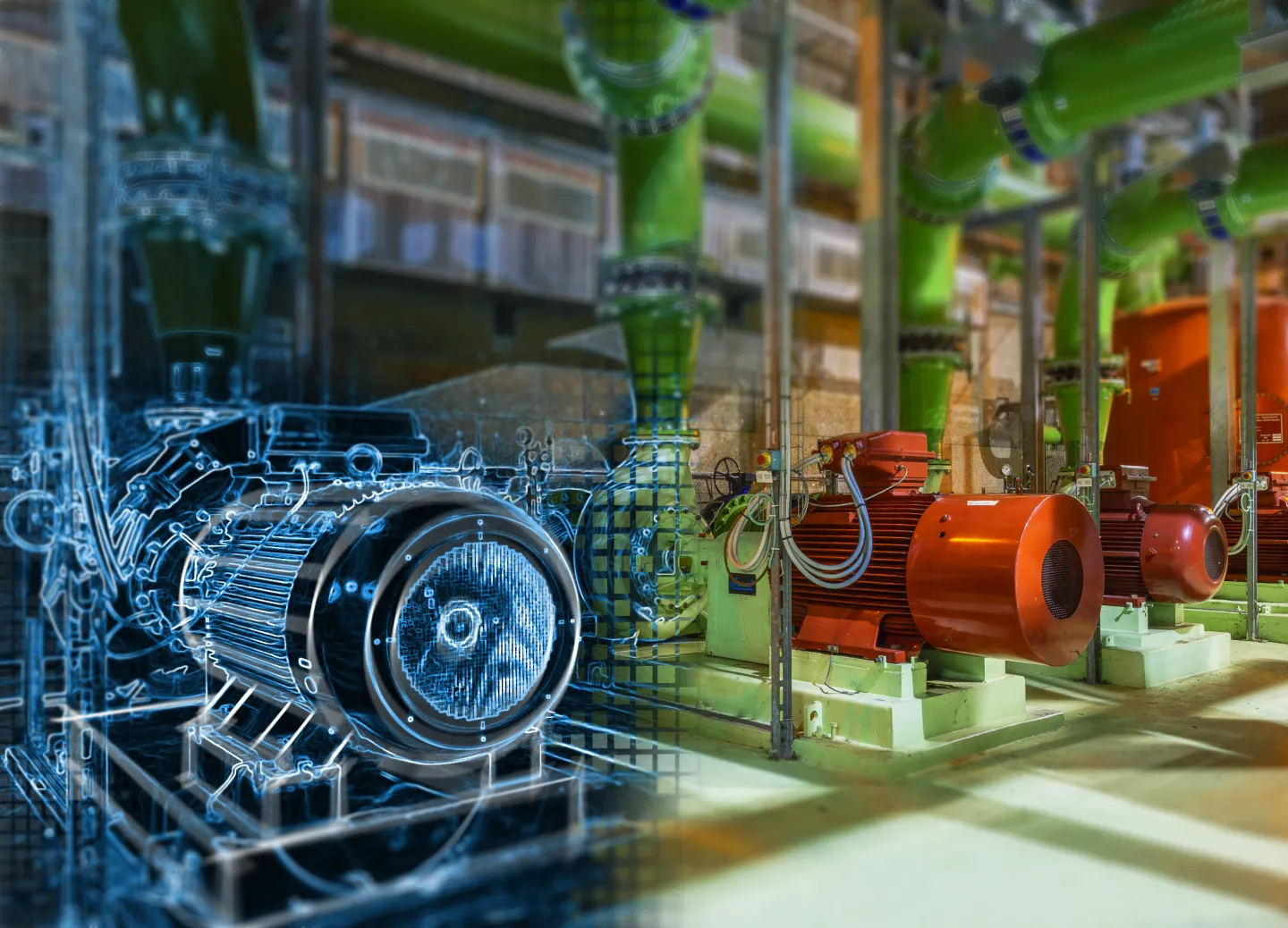
Energy efficiency of cooling and ventilation infrastructure (MotorSense) | The MotorSense project aimed at assessing and improving the energy efficiency and reliability of the cooling and ventilation infrastructure of large-scale research facilities and industries through a case study of the EN-CV infrastructure at CERN. The project concluded with results above expectations and identified a savings
-
Enabling solid state battery developments
Enabling solid state battery developments | Need: All-solid-state batteries (ASSBs) are still in the research and development phase, and while they are not yet widely deployed in commercial products, there are several applications where they are being explored and have the potential for future use: electric vehicles, portable electronics, renewable energy storage, grid energy storage,
-
Development of industry-ready kilometre range distributed fibre optic thermo-hygrometer sensors
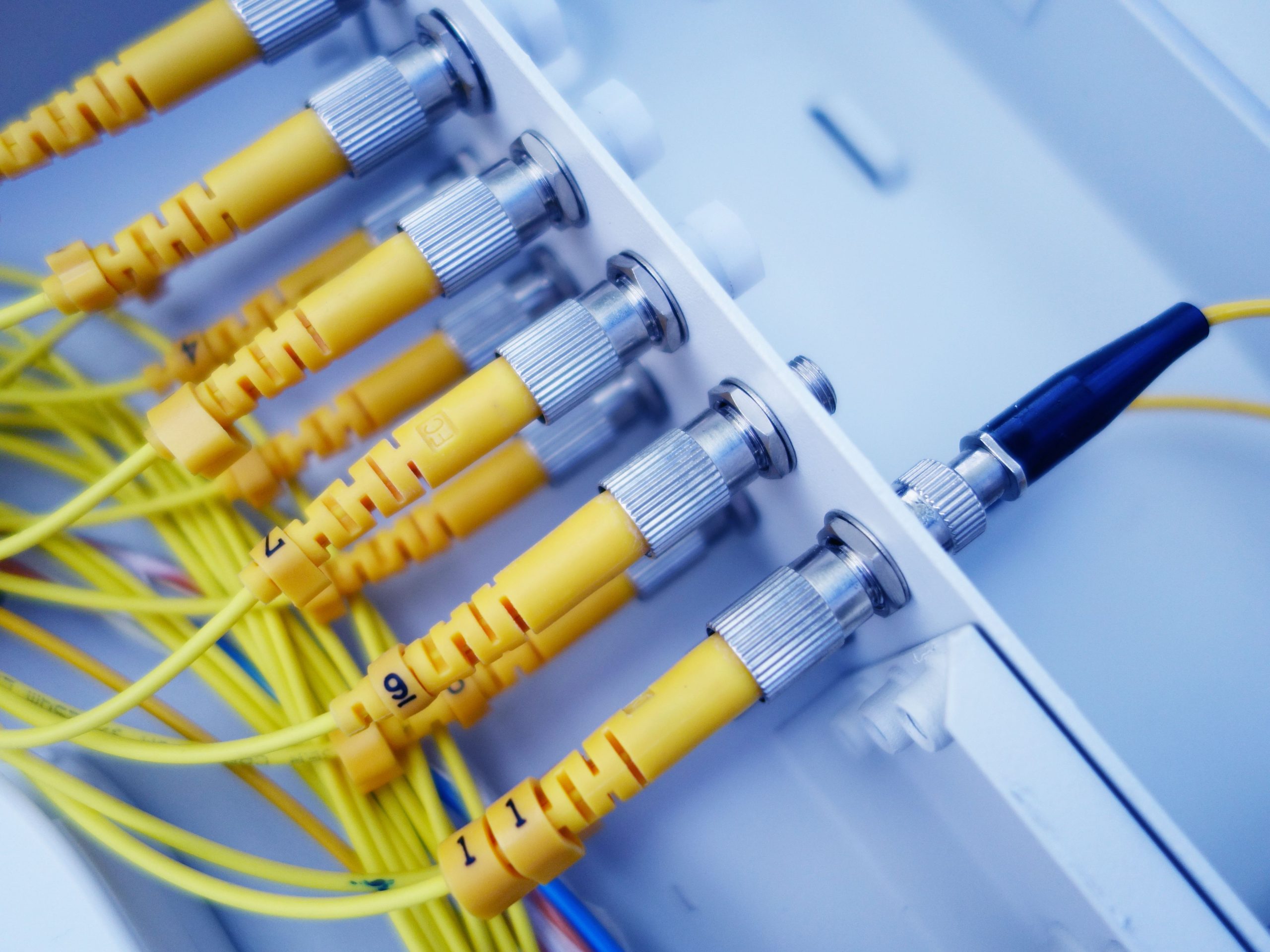
Development of industry-ready kilometre range distributed fibre optic thermo-hygrometer sensors | The project proposes to further develop the existing fibre optic sensors at CERN into a viable and standalone product capable of monitoring relative humidity (RH) and temperature. The sensor (in its 3rd generation of development) offers significantly better performance compared to the existing solutions
-

Controlling high RF power at higher frequencies (SolidWatts)
Controlling high RF power at higher frequencies (SolidWatts) | The project develops an RF power source using injection-locked magnetrons, aiming to deliver a stable, controllable, and efficient alternative to conventional RF generators. The work is organised in phases: first demonstrating injection locking of a single magnetron, then combining two synchronised units with low-level RF control.
-
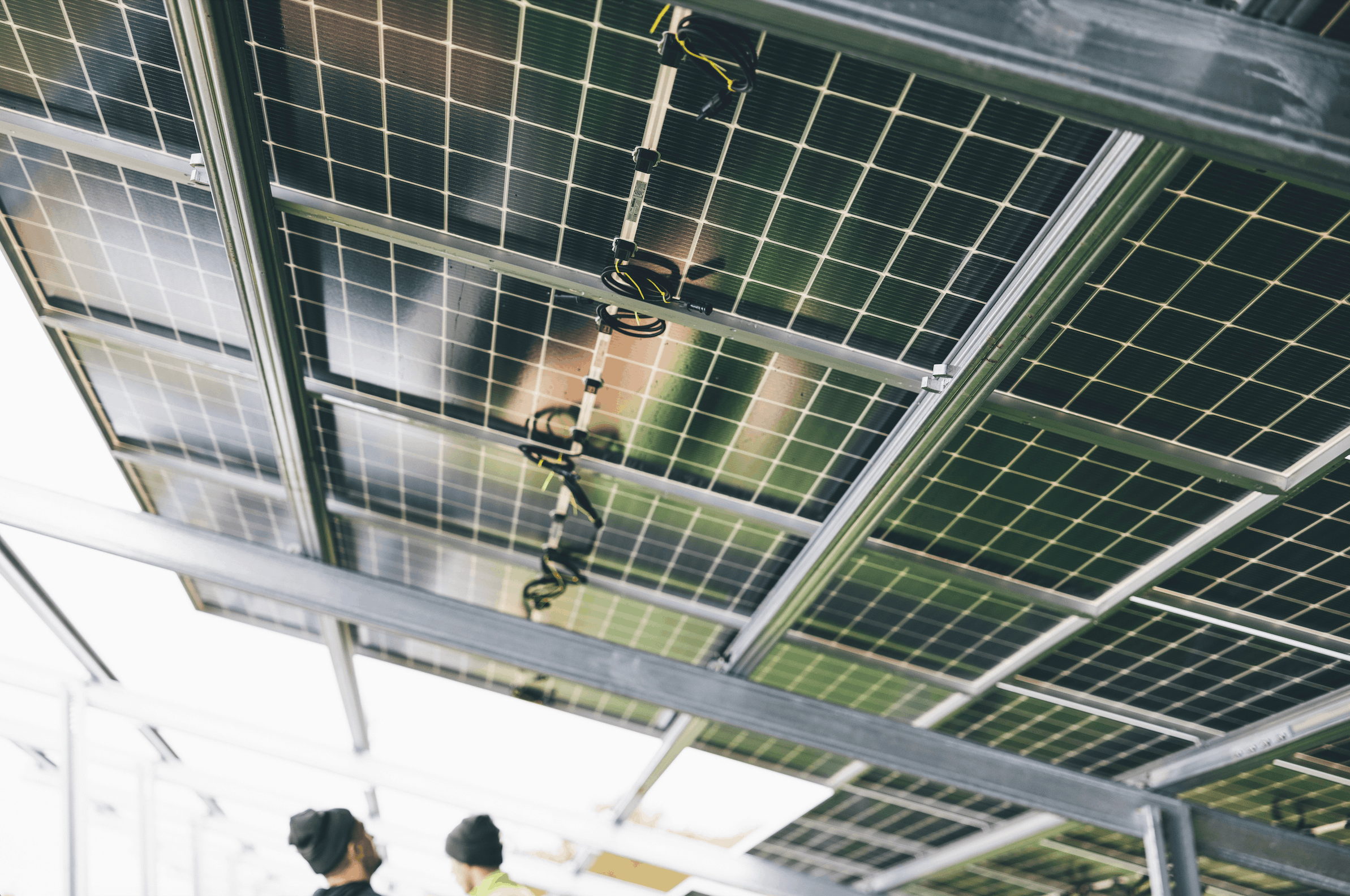
Compact and low-cost light simulator for indoor photovoltaic cells development (ALPHA)
Compact and low-cost light simulator for indoor photovoltaic cells development (ALPHA) | The project integrates CERN’s ACCURATE ultra-low current measurement ASIC into Lightricity’s Lightbox, a portable indoor light simulator for testing PV-powered devices. This upgrade replaces the need for bulky, expensive source meters, enabling compact and low-cost performance evaluation of energy-harvesting components and IoT devices
-
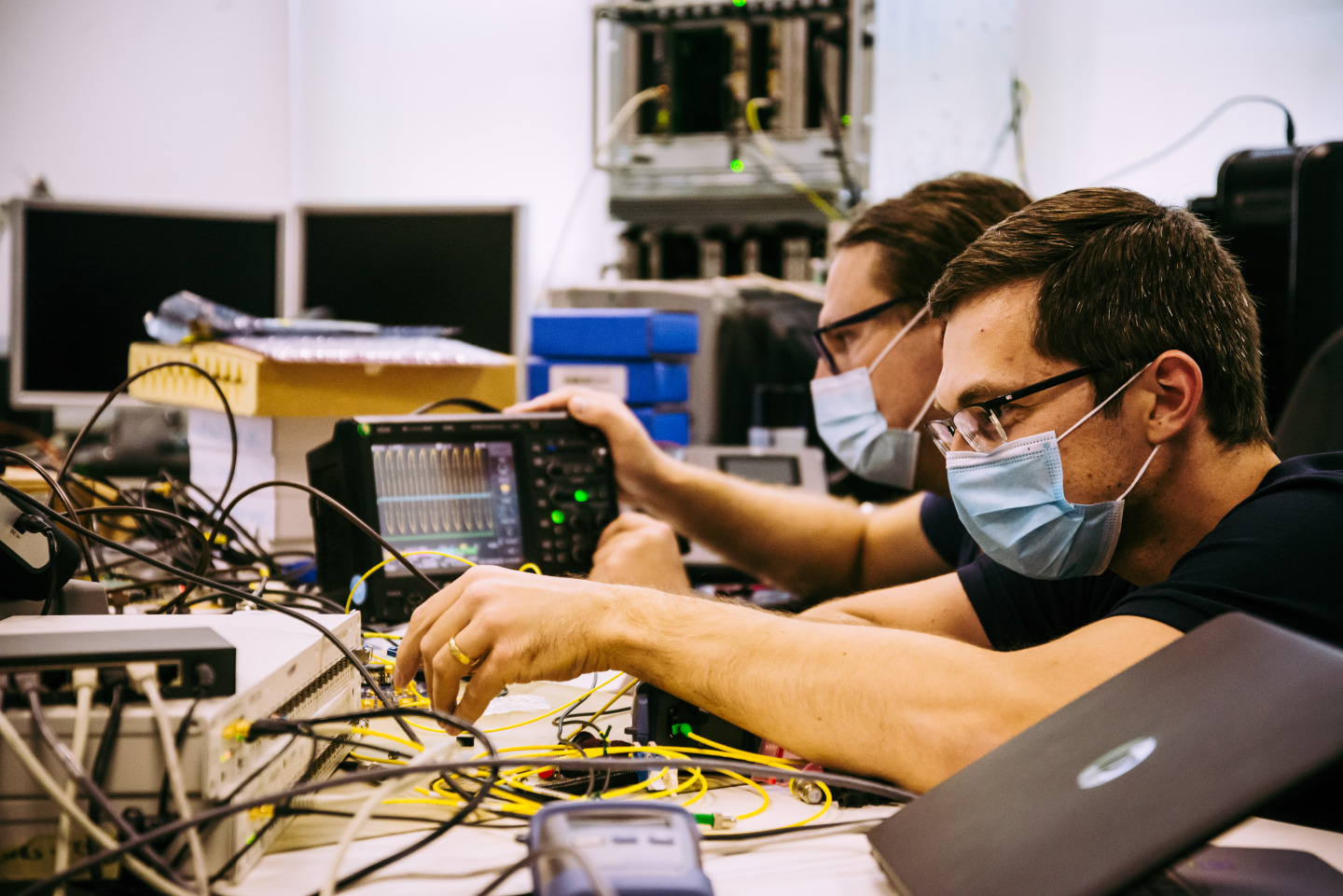
CAiMIRA
CAiMIRA | CAiMIRA (formerly CARA) is a risk assessment tool which models the airborne transmission of viruses, such as SARS-CoV-2, and can estimate the concentration of viruses in enclosed spaces to aid space-management decisions. In collaboration with WHO, the project aims at expanding the CAiMIRA technology (new interface, improvements of the model, automatised inclusion of new literature)
-

Additive manufacturing techniques using copper and niobium
Additive manufacturing techniques using copper and niobium | Additive manufacturing is a rapidly growing field that offers benefits to many application domains, including parts for the LHC. The aim of this project is to advance with identified academic and industrial partners on the development of additive manufacturing with copper and niobium and maximize exploitation. Glow-discharge
-
CELESTA
CELESTA | CELESTA, the first CERN technology demonstrator in space On 13 July 2022, CELESTA, the first CERN-driven satellite, successfully entered orbit during the maiden flight of Europe’s Vega-C launch vehicle. Weighing one kilogram and measuring 10 centimetres on each of its sides, CELESTA (CERN latchup and radmon experiment student satellite) is a 1U CubeSat
-
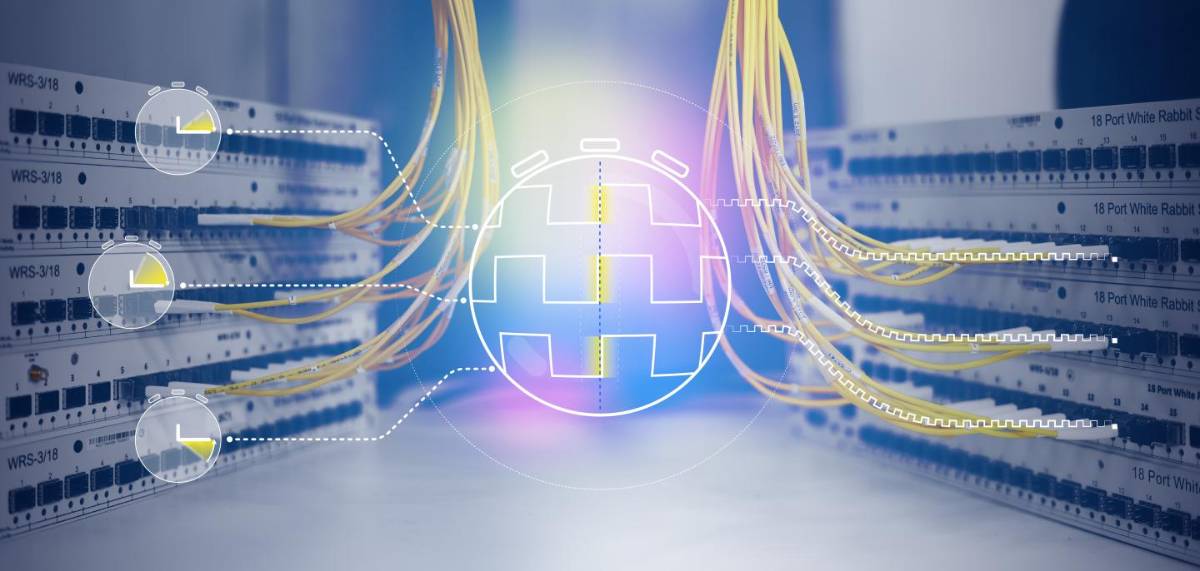
White Rabbit
White Rabbit | White Rabbit provides sub-nanosecond accuracy and picoseconds precision of synchronization for large distributed systems. It also allows for deterministic and reliable data delivery. White Rabbit allows you to precision time-tag measured data and lets you trigger data taking in large installations while at the same time using the same network to transmit
-
Thin film coatings
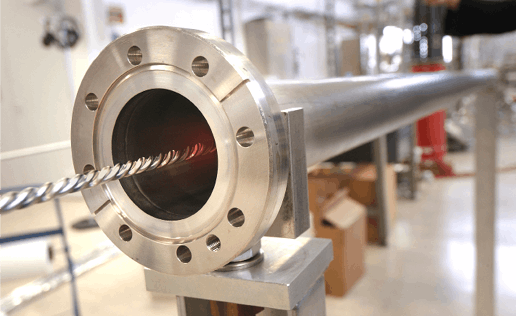
Thin film coatings | Thin film coatings for ultra-high vacuums CERN experts have significant expertise across a range of thin film coating techniques for producing High & Ultra-High Vacuum, particularly Non-Evaporable Getter (NEG) thin film coatings. NEG coatings are produced by sputtering an alloy of several selected metals onto a vacuum chamber wall. When activated
-
Integrated CO2 cooling system
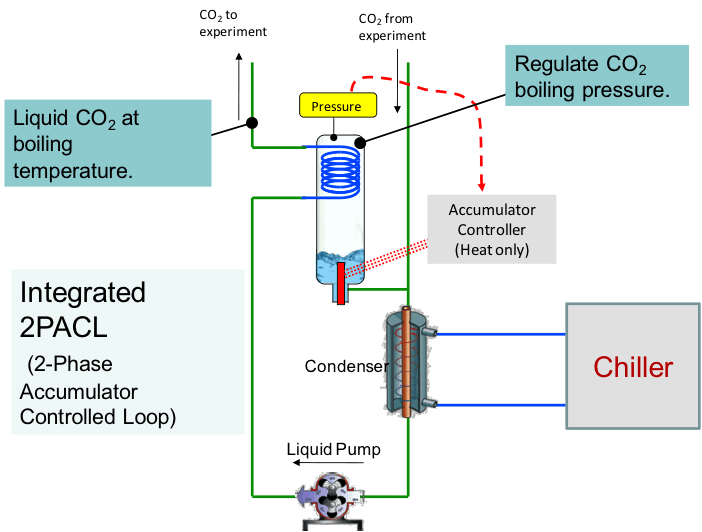
Integrated CO2 cooling system | The Integrated 2-Phase Accumulator Controlled Loop (2PACL) is a modification of the existing 2PACL system developed for the AMS-Tracker and LHCb-VELO CO2 cooling systems. The integrated 2PACL method is a different way of operating and control the original 2PACL concept. The modification makes the system simpler, more reliable, better to
-
ActiWiz
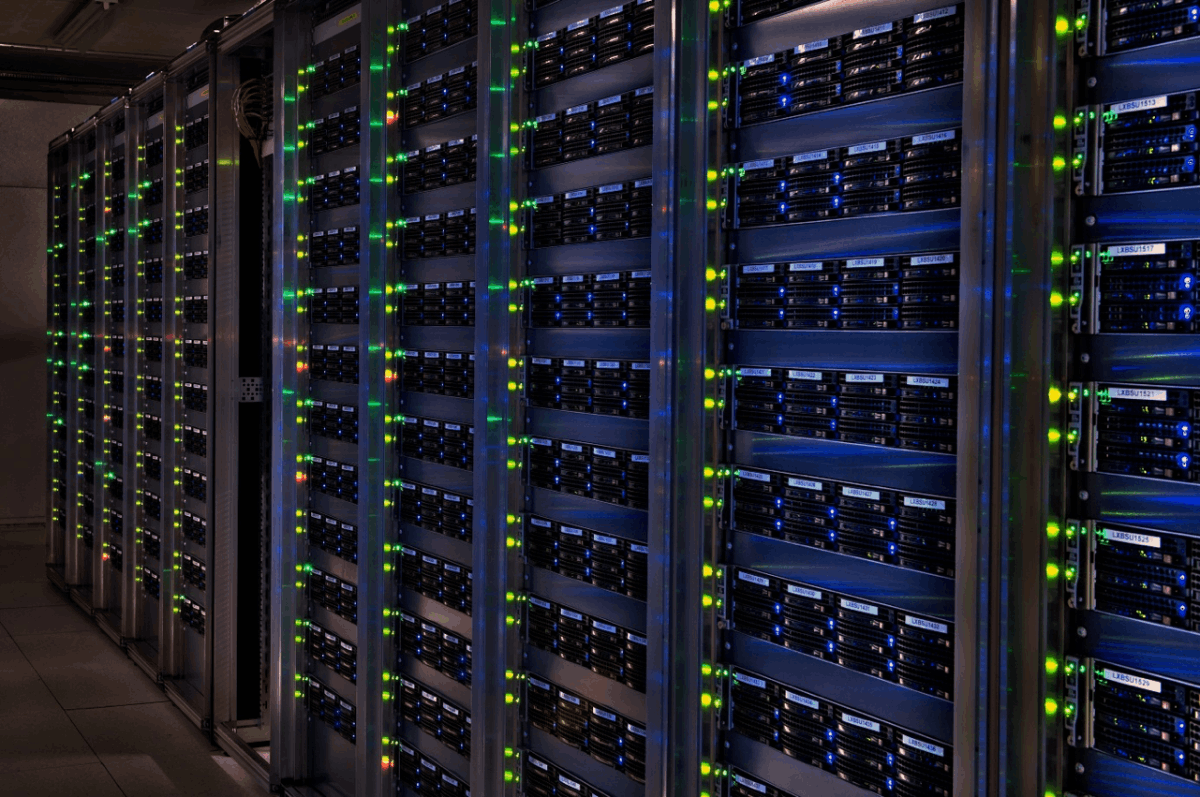
ActiWiz | The activation of material is often an important issue for all environments exposed to accelerator beams. It has considerable impact on safety and handling constraints. One of the key parameters responsible for activation is the chemical composition of the material involved which can often be optimized in order to reduce material activation. However,
-
Metrology
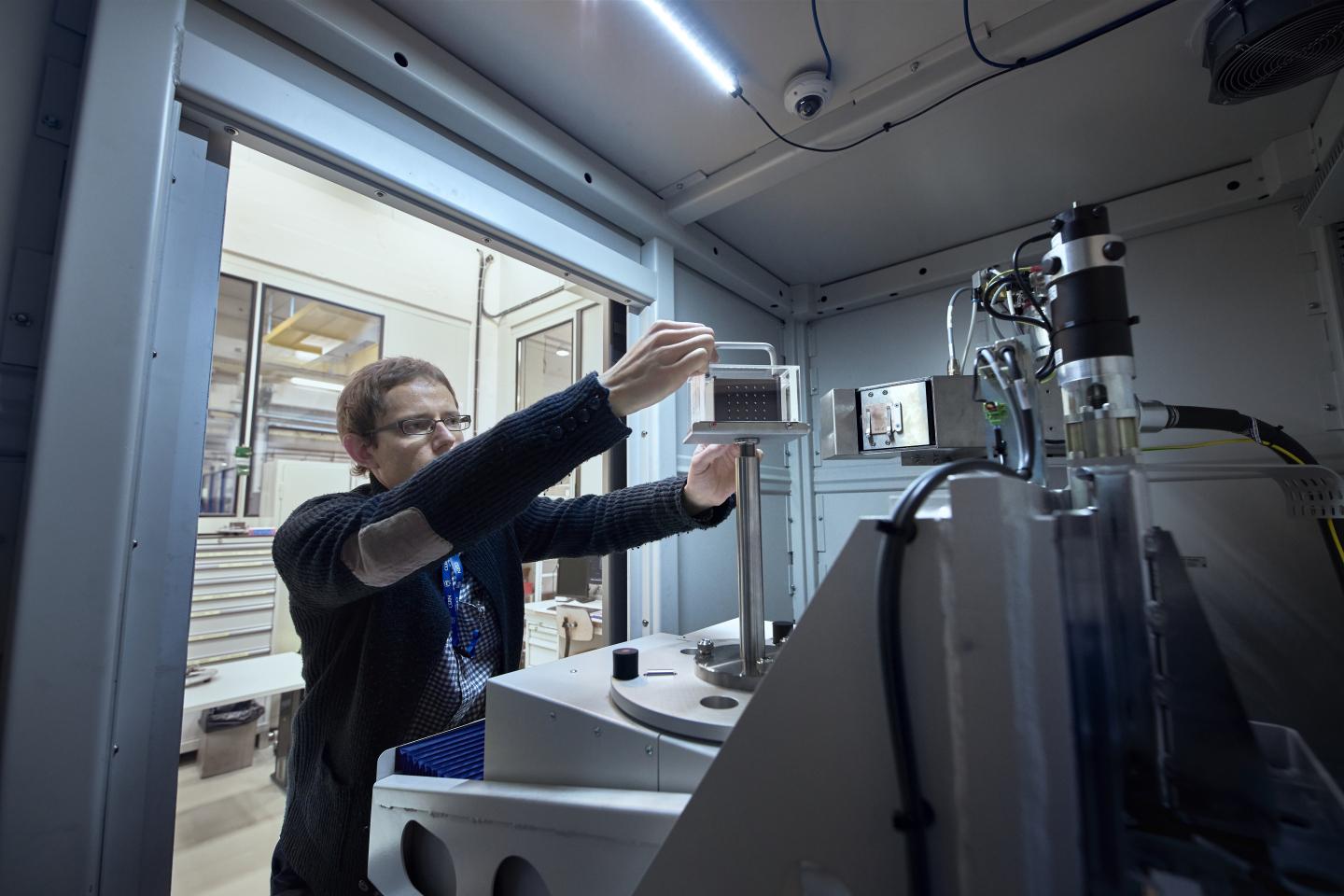
Metrology | Unique know-how derived from the precise construction and operation of some of the world’s largest and most complex machines. CERN’s Know-How Facts & Figures Key Competencies High-precision, large-scale alignment In order to meet the ever-increasing alignment tolerances of future particle accelerators, CERN experts are developing new procedures and instrumentation to perform high-precision, large-scale
-
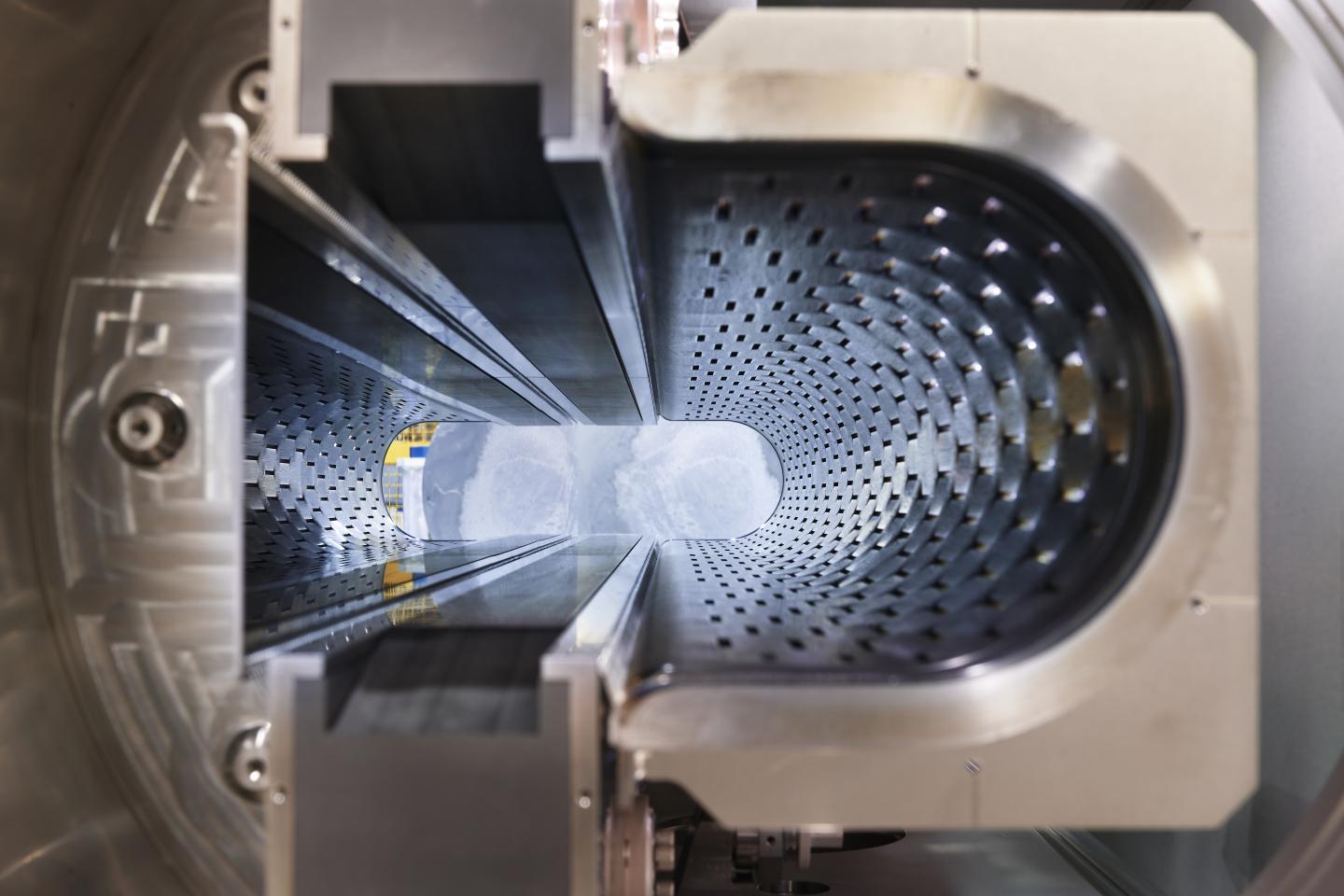
Manufacturing and Mechanical Processes
Manufacturing and Mechanical Processes | CERN develops manufacturing solutions for machines operating at the limits of precision, size, speed and power. CERN’s Know-How Facts & Figures Key Competencies High-precision engineering and assembly at micro & macro scale CERN components must be built to strict dimensional tolerances and sustain the highest level of performance, especially in
-
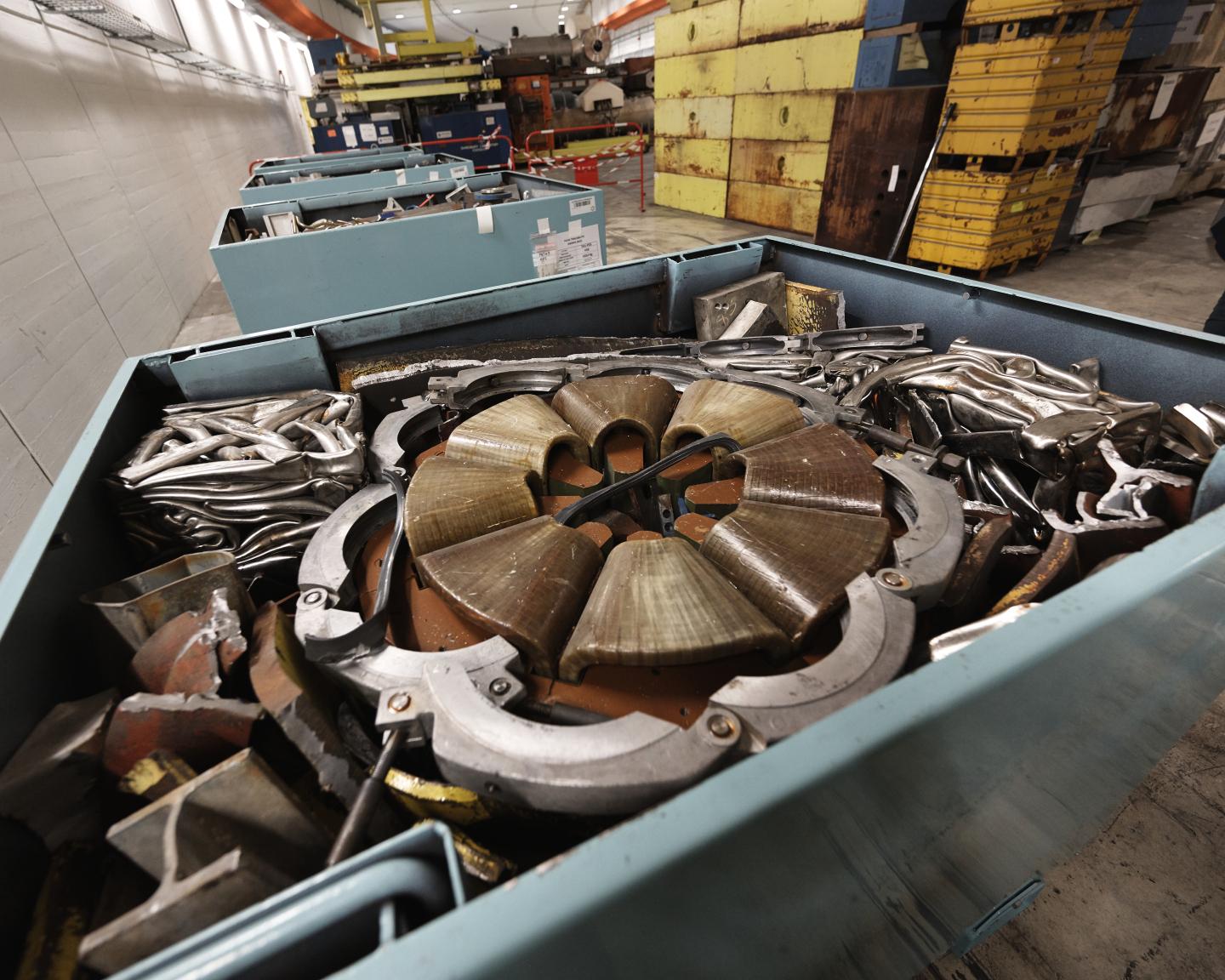
Health, Safety and Environment Management
Health, Safety and Environment Management | Devices, systems and methods for keeping people safe at one of the world’s most complex, large-scale research infrastructures. CERN’s Know-How Facts & Figures Key Competencies Industrial controls for distributed safety systems Expertise in the design and implementation of industrial control systems for highly complex environments, with high safety level
-
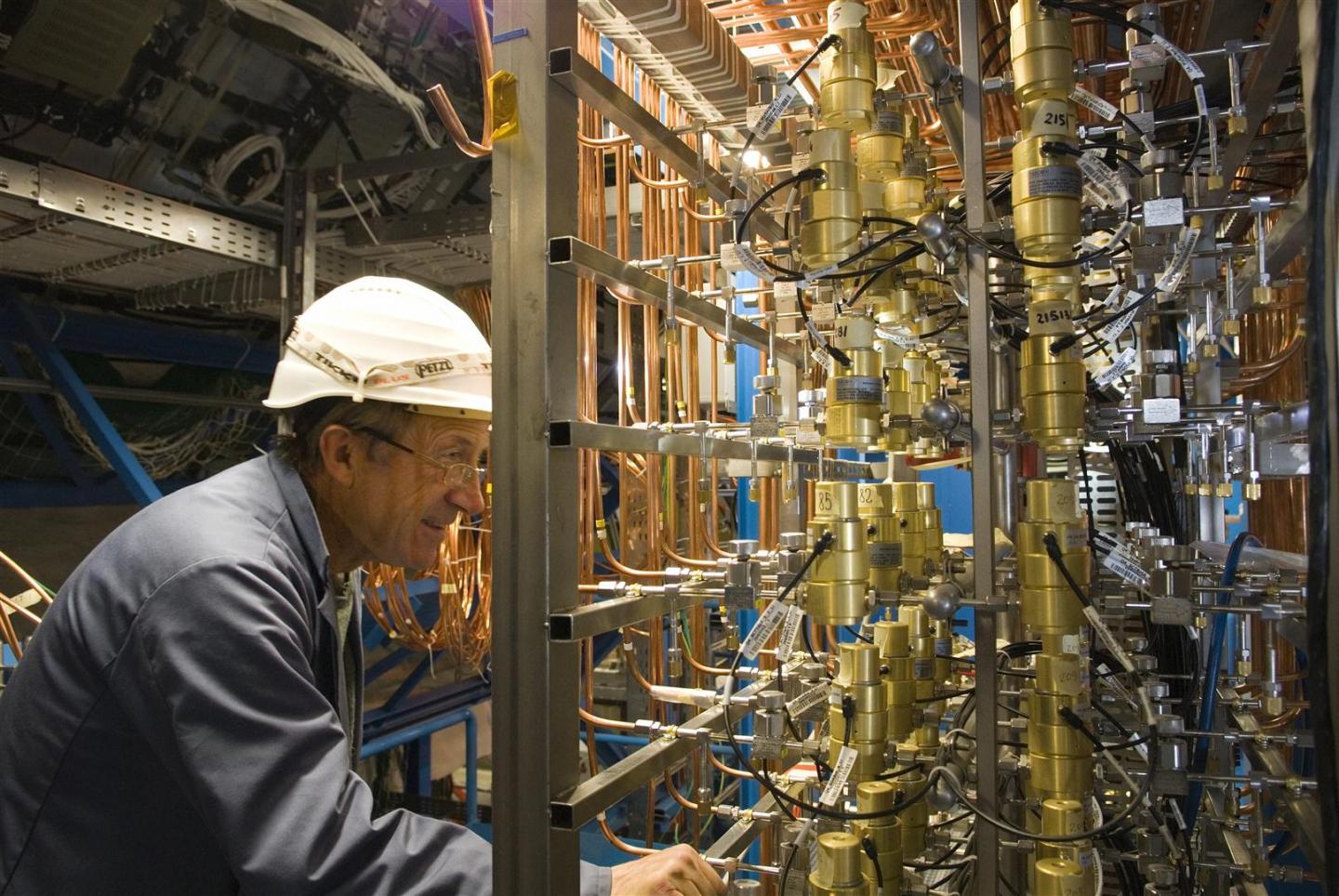
Cooling and Ventilation
Cooling and Ventilation | Expertise in procurement, installation, operation & maintenance of large cooling, ventilation and air conditioning systems for complex structures. CERN’s know-how Key Competencies Pressure Cascade Management The LHC is a very large, complex underground system of interconnected spaces. In order to secure safety, any risks related to fire, smoke, radiation and gas
-

Intellectual Property as a key driver for innovation and creativity in advancing the Sustainable Development Goals
Intellectual Property as a key driver for innovation and creativity in advancing the Sustainable Development Goals This year’s World Intellectual Property (IP) day explores how intellectual property fosters innovation and creativity, and its pivotal role in achieving the Sustainable Development Goals (SDGs) to shape our collective future. At CERN, the pursuit of knowledge in particle physics and related technological
-

CERN’s edge AI data analysis techniques used to detect marine plastic pollution
CERN’s edge AI data analysis techniques used to detect marine plastic pollution CERN’s expertise in data management is leveraged to combat marine plastic litter through the new EU project, Edge SpAIce Earth Observation (EO) and particle physics research have more in common than you might think. In both environments, whether capturing fleeting particle collisions or
-
ABB and CERN identify 17.4% energy-saving opportunity in the Laboratory’s cooling and ventilation motors
ABB and CERN identify 17.4% energy-saving opportunity in the Laboratory’s cooling and ventilation motors Through a strategic research partnership focused on CERN’s cooling and ventilation systems, energy efficiency audits have helped to identify a savings potential of 17.4% across a total of 800 motors In a joint research project conducted between 2022 and 2023, ABB and CERN developed a
-
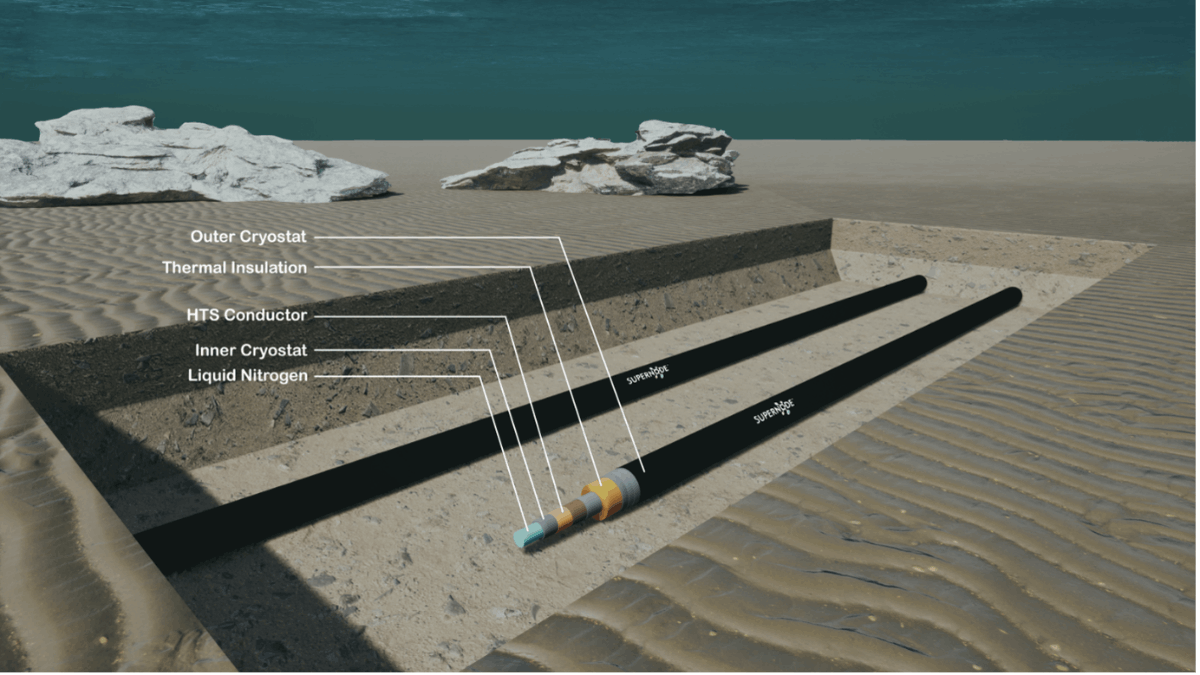
SuperNode and CERN collaborate on new solutions for renewable energy transmission
SuperNode and CERN collaborate on new solutions for renewable energy transmission | The result of this collaboration on superconductivity could greatly improve energy transmission and accelerate the transition to renewable energy Physicists and engineers at CERN use the world’s largest and most complex scientific instruments to probe the fundamental laws of nature. CERN’s mission is
-
CERN and Airbus partnership on future clean aviation
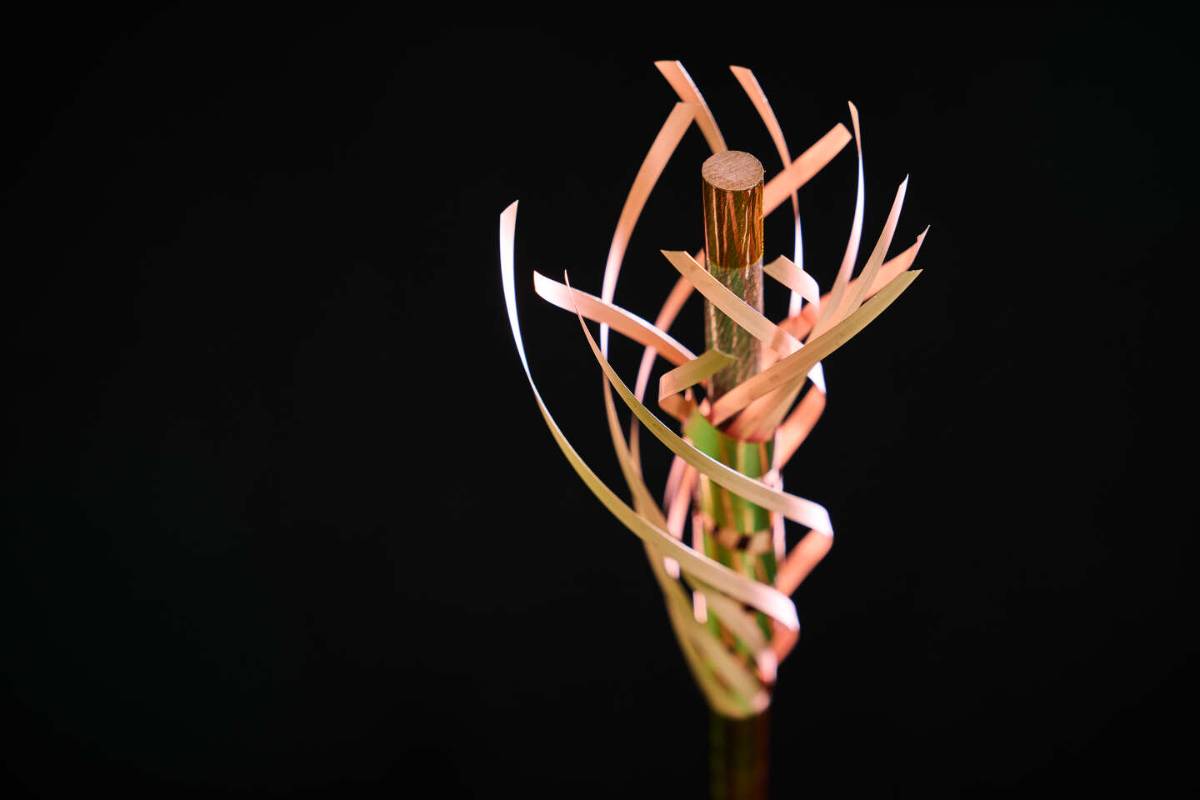
CERN and Airbus partnership on future clean aviation | CERN and Airbus UpNext sign a collaboration agreement to assess the use of superconducting technologies for future low-emission aeroplanes. Today, CERN, the European Laboratory for Particle Physics, and Airbus UpNext, a wholly owned subsidiary of Airbus, have launched an innovative collaboration to explore the potential use
-
Launching the CERN Innovation Programme on Environmental Applications (CIPEA)
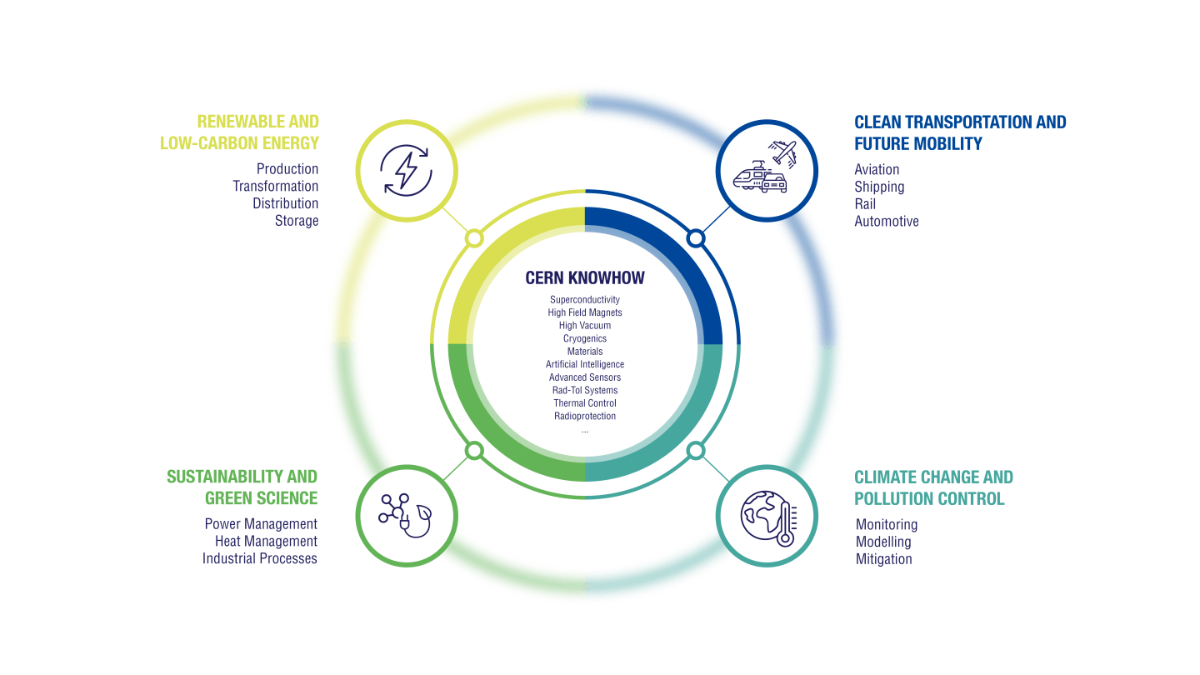
Launching the CERN Innovation Programme on Environmental Applications (CIPEA) | Launching the CERN Innovation Programme on Environmental Applications (CIPEA) Renewable energy, clean transportation, pollution control, climate monitoring, nature protection, green science … Could your work at CERN and the technologies developed by your team help build a healthier and more sustainable planet? The CERN Innovation Programme