
Tag: Aerospace
-
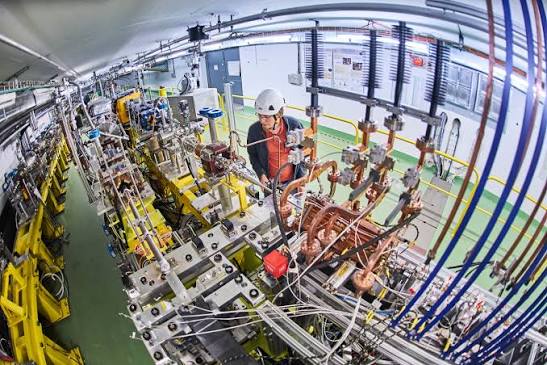
CLEAR
CLEAR | The CERN Linear Electron Accelerator for Research (CLEAR) is an electron test facility aimed at developing instruments and components for existing and future accelerators, testing novel concepts as plasma and THz acceleration, investigating medical applications of electron beams including dosimetry and FLASH radiotherapy, studying radiation hardness of electronics for aerospace and high energy
-
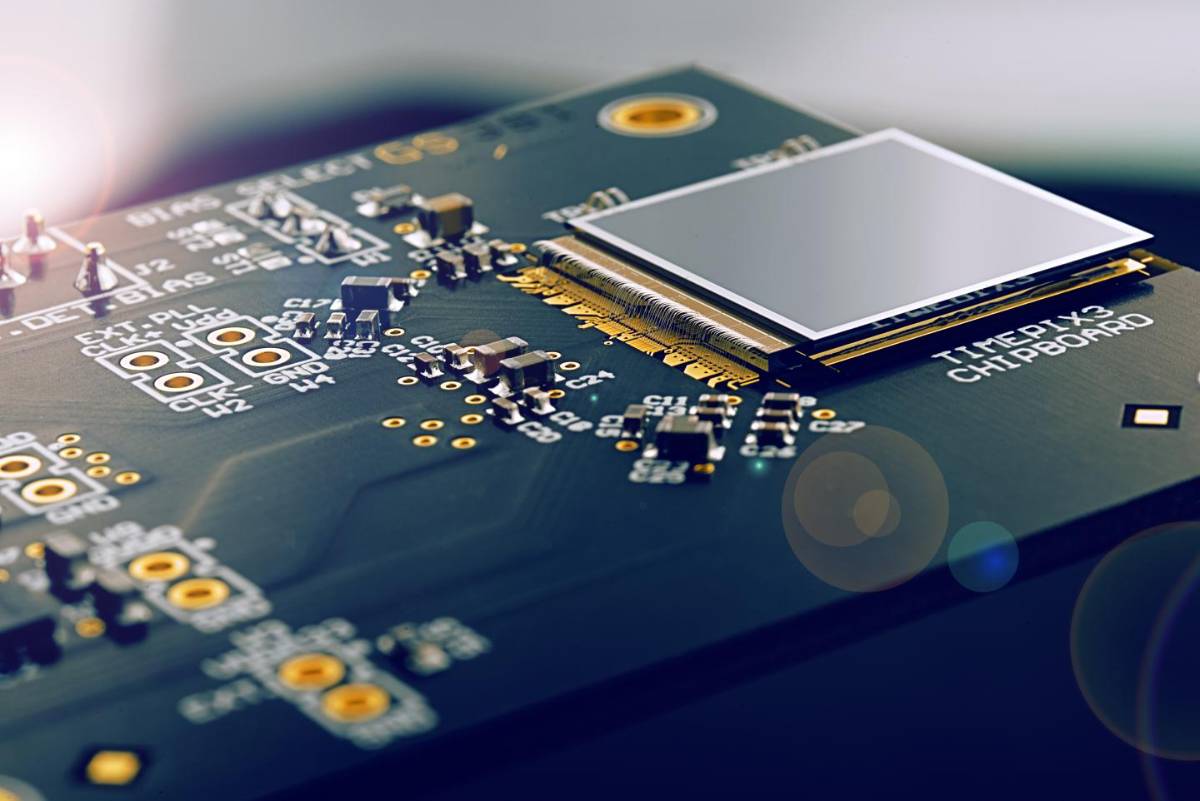
Medipix
Medipix | Medipix3 is a CMOS pixel detector readout chip designed to be connected to a segmented semiconductor sensor. It acts as a camera taking images based on the number of particles which hit the pixels when the electronic shutter is open. However, Medipix3 also permits colour imaging and dead time free operation. A novel
-
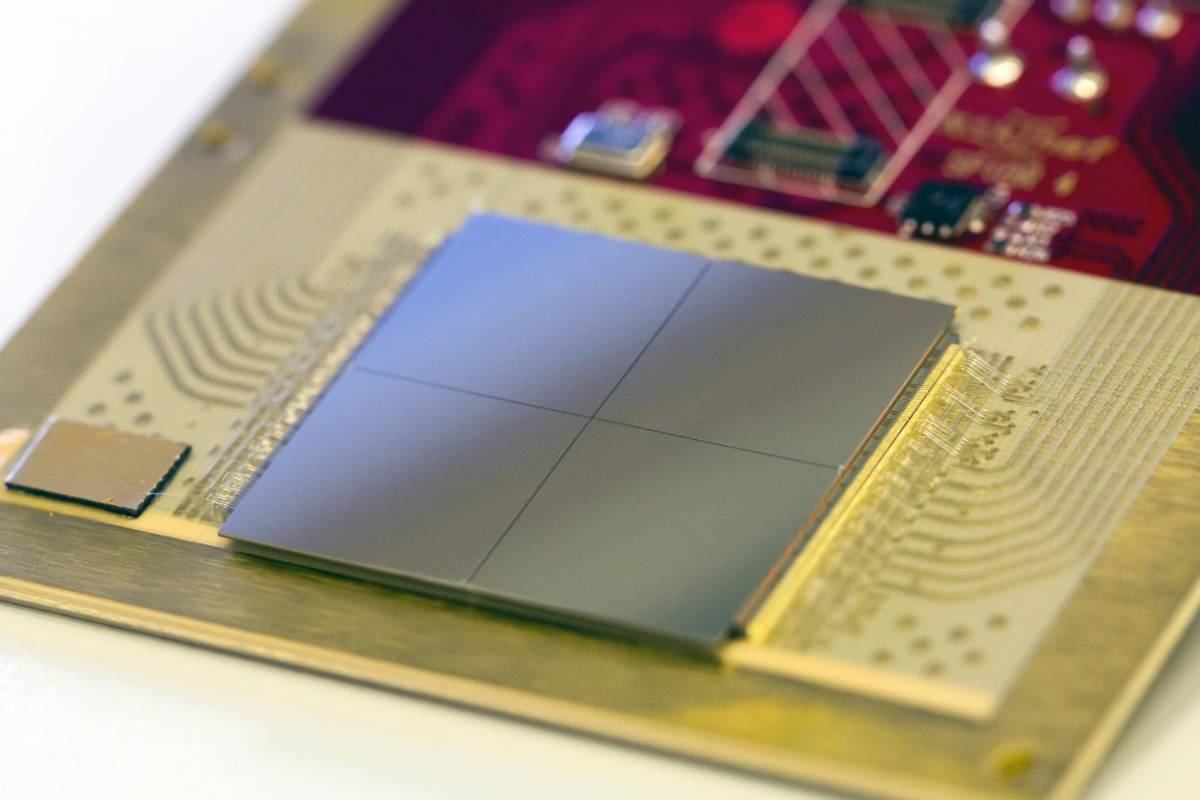
Timepix
Timepix | The original Timepix ASIC is a silicon chip developed at CERN by the Medipix2 Collaboration. The chip is divided into a 256×256 grid of tiny pixels, each one containing thousands of transistors that allow it to detect and analyse radiation. Its successor, Timepix2, can be programmed to operate in one of several modes
-
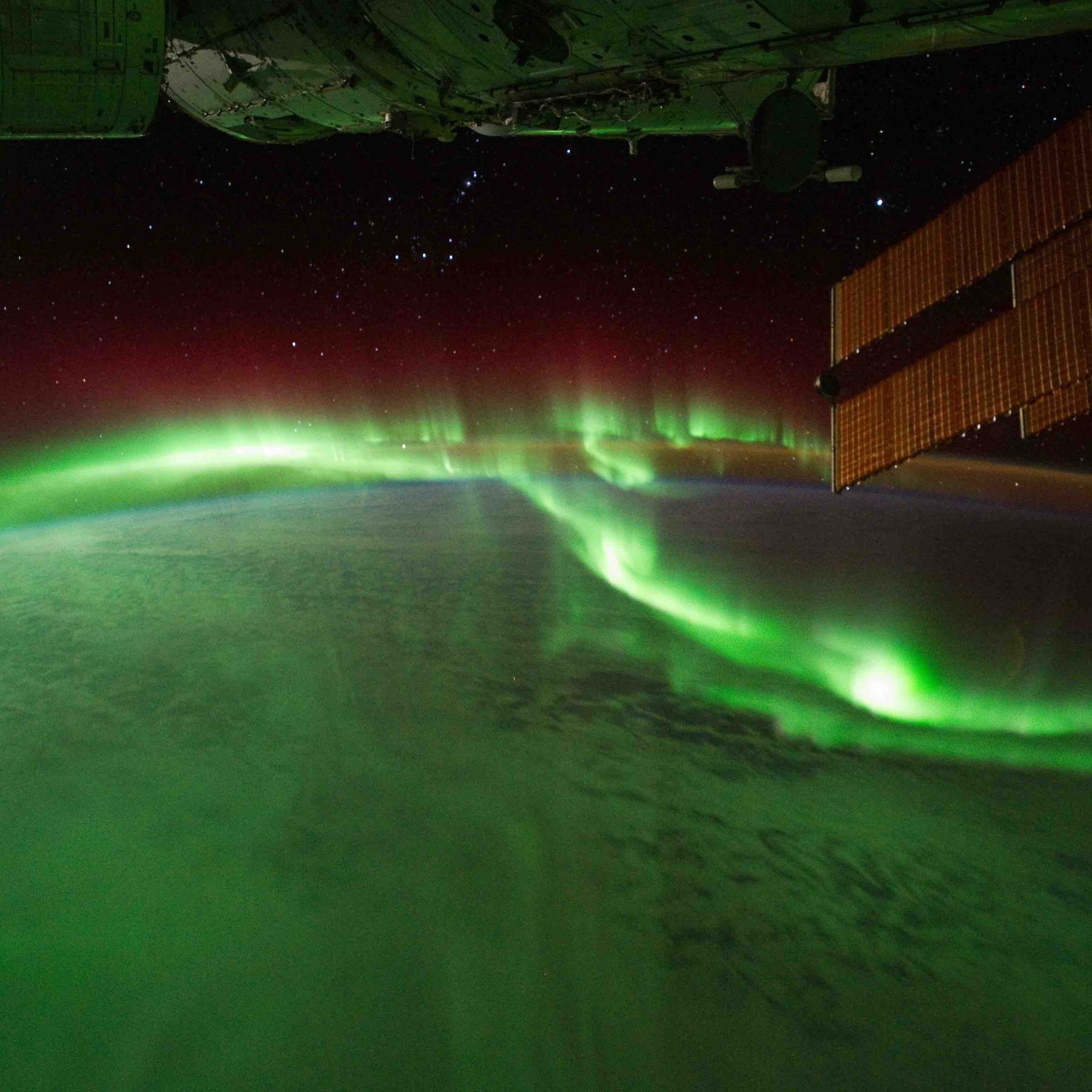
Thermal Management in high-energy physics and space applications
Thermal Management in high-energy physics and space applications | High-energy physics and space applications have similar needs in terms of thermal management for electronic devides. This project aims to develop a miniaturised closed-loop micro-channel cooling device for microelectronics. The result will be efficient cooling devices for a variety of applications, able to handle the increased
-

Quantum Artificial Intelligence for Earth Observation (QuAI4EO)
Quantum Artificial Intelligence for Earth Observation (QuAI4EO) | Quantum Artificial Intelligence for Earth Observation (QuAI4EO) is a collaboration between the European Space Agency (ESA) and CERN, involving two PhD students between 2021 and 2025. The goal was to study the use of quantum machine learning (QML) algorithms in image analysis, with particular focus on Earth
-
ION fragmentation for CHIMERA
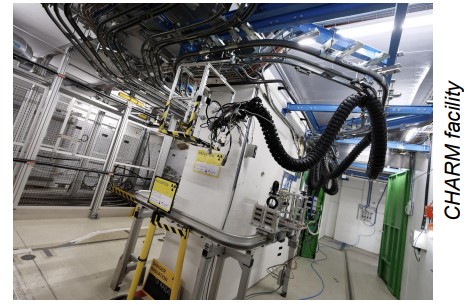
ION fragmentation for CHIMERA | This proposal addresses a quite specific but critical need, building up to the on-going efforts aiming to develop a unique irradiation testing facility at CERN for high-energy/deep penetration heavy ion characterization of electronics. The main related activities (upgrading CHARM facility to enable heavy ion test campaigns) are extensively covered by
-
High field HTS magnet demonstrator for space
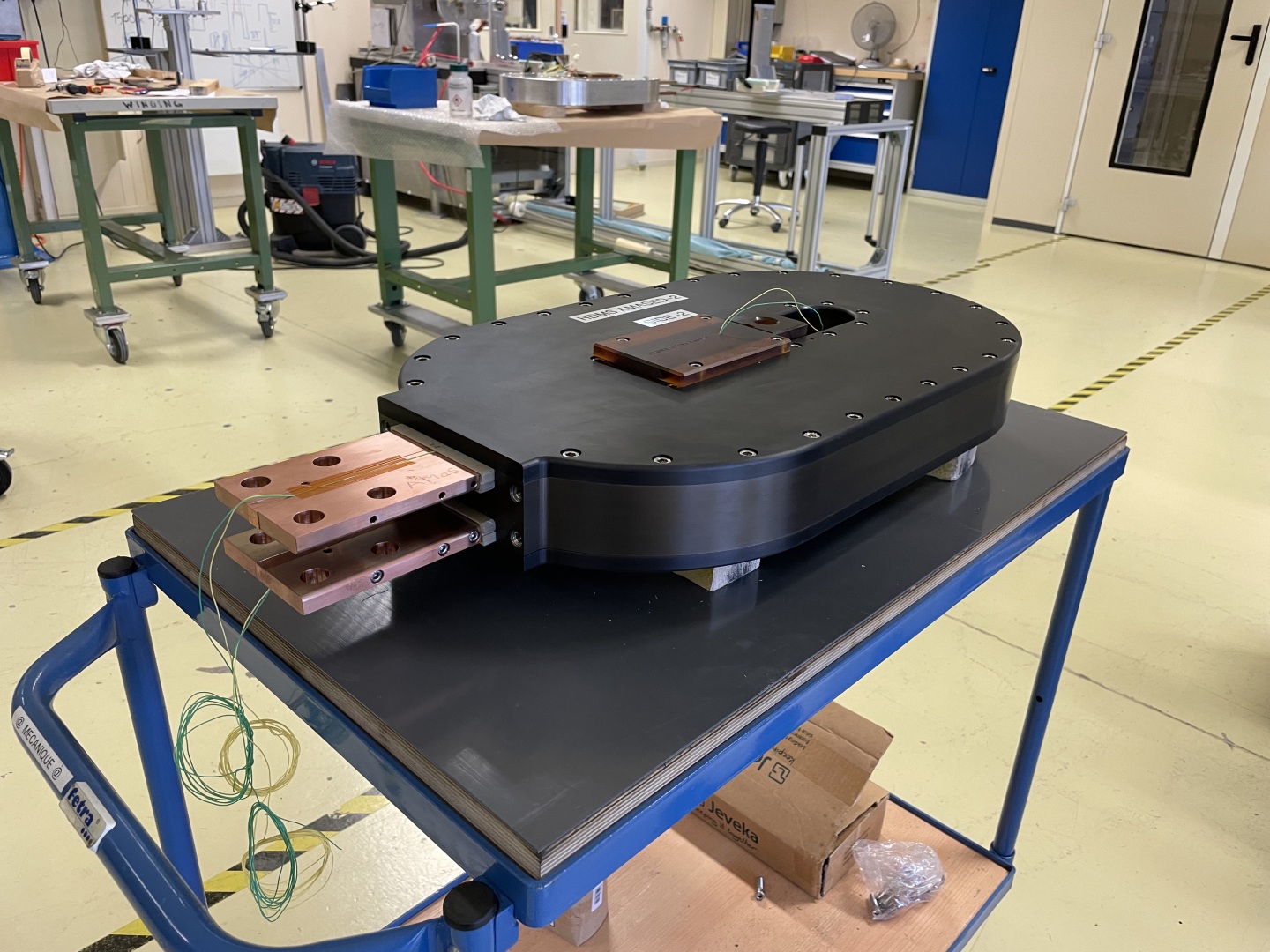
High field HTS magnet demonstrator for space | CERN and the Italian Space Agency (ASI) signed the first implementation of their bilateral collaboration framework. The project aims to define a compact high-field magnet based on advanced high temperature superconductivity technology suitable for space applications (such as high resolution astroparticle spectrometry), and to design, build and
-
Distributed Optical Fibre Radiation & Temperature Sensor
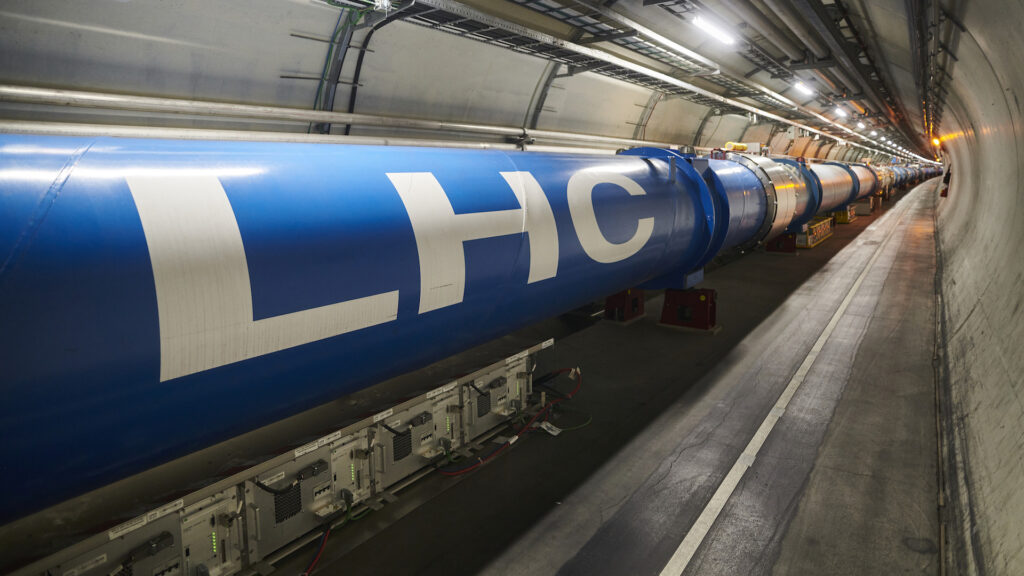
Distributed Optical Fibre Radiation & Temperature Sensor | Optical fibre radiation and temperature sensors are important to monitor environments with high radiation levels, such as those in the accelerator complex of the LHC. Conventional systems are discretely distributed, but a distributed optical fire system can provide increased safety and a cost-effective implementation. This project will
-
Celesta – A CubeSat Demonstrator for RadMon and CHARM applications
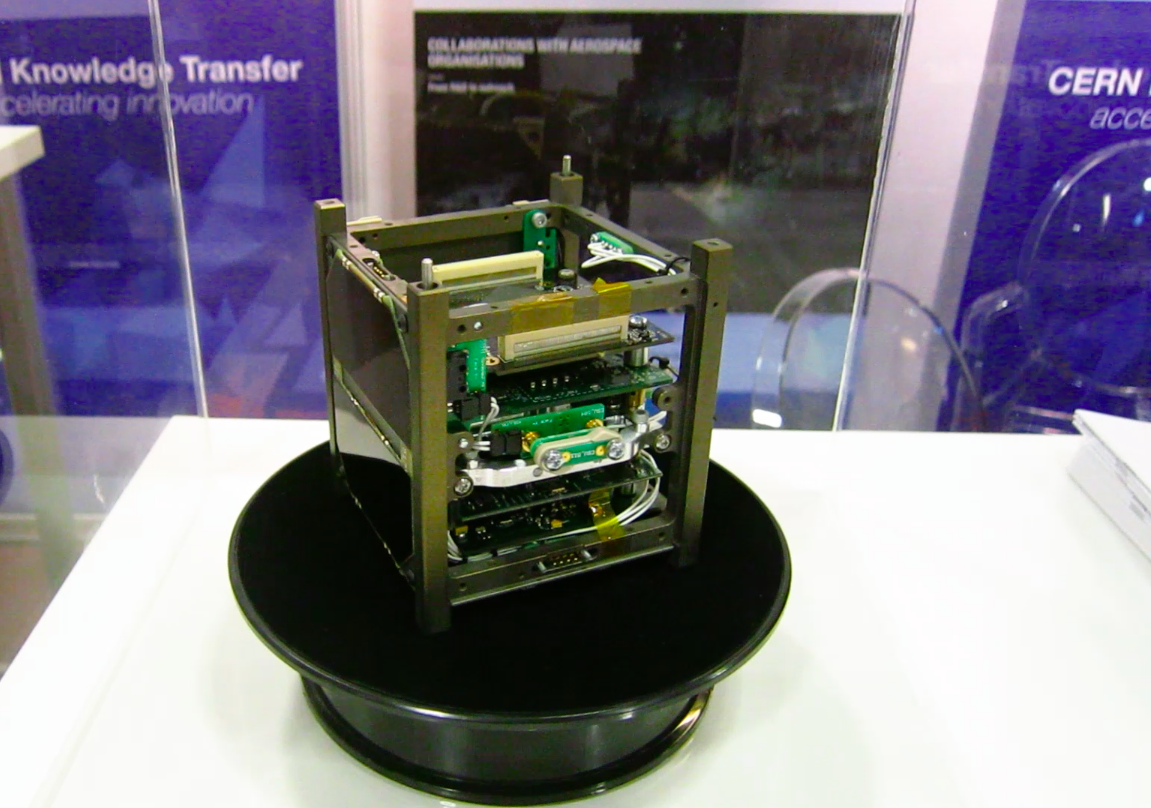
Celesta – A CubeSat Demonstrator for RadMon and CHARM applications | A Cubesat is a miniaturized satellite that typically uses commercial off the shelf components for its electronics. They are being increasingly attractive for small budget space science missions, especially in the context of universities, although commercial applications become more and more frequent. Radiation qualification
-

FLUKA
FLUKA | FLUKA (FLUktuierende KAskade or Fluctuating Cascade) is a general purpose tool for calculations of particle transport and interactions with matter. FLUKA can simulate, with high accuracy, the interaction and propagation of about 60 different types of particles in matter, including photons and electrons from 1 keV to thousands of TeV, neutrinos, muons of
-
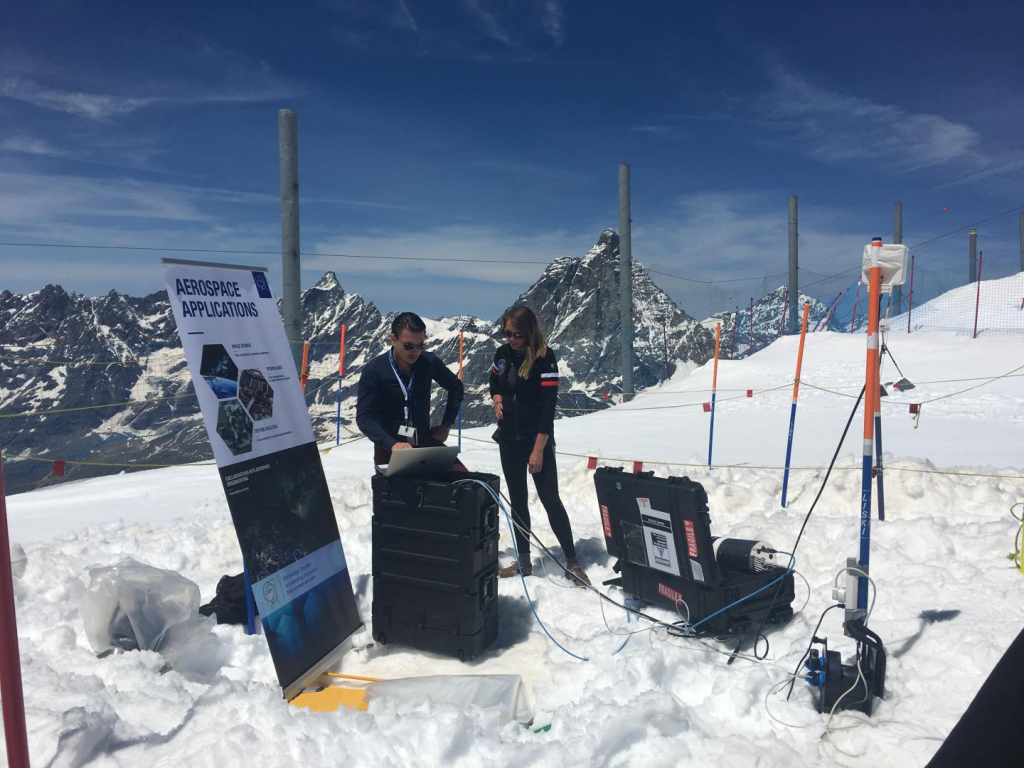
IGLUNA: Building a demonstrator moon habitat in Zermatt
IGLUNA | Building a demonstrator moon habitat in Zermatt IGLUNA is an educational project aimed at investigating the realisation of a human habitat on the moon. 18 student teams from all over Europe, coordinated by the Swiss Space Center, built several technology demonstrators for this habitat and tested them in June 2019 in the extreme
-
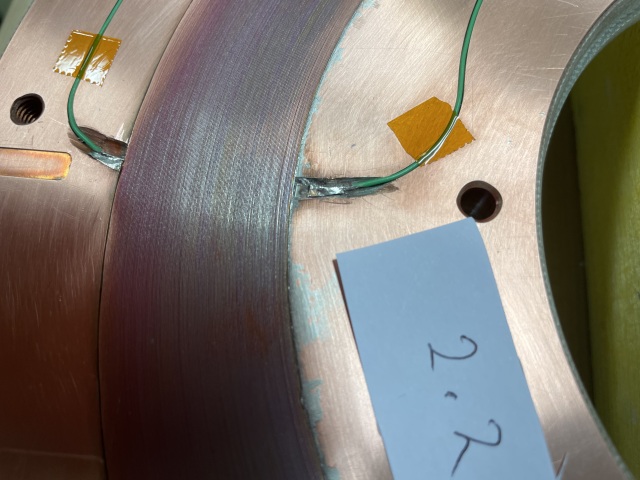
HTS Demonstrator Magnet for Space (HDMS)
HTS Demonstrator Magnet for Space (HDMS) | Towards the first superconducting magnet in space In space, high-field superconducting magnets based on high temperature superconductive (HTS) materials can have several promising applications: from very high resolution astroparticle spectrometry, to active shielding to protect astronauts from harmful radiation, and even debris removal. One leading project in this
-
CELESTA
CELESTA | CELESTA, the first CERN technology demonstrator in space On 13 July 2022, CELESTA, the first CERN-driven satellite, successfully entered orbit during the maiden flight of Europe’s Vega-C launch vehicle. Weighing one kilogram and measuring 10 centimetres on each of its sides, CELESTA (CERN latchup and radmon experiment student satellite) is a 1U CubeSat
-
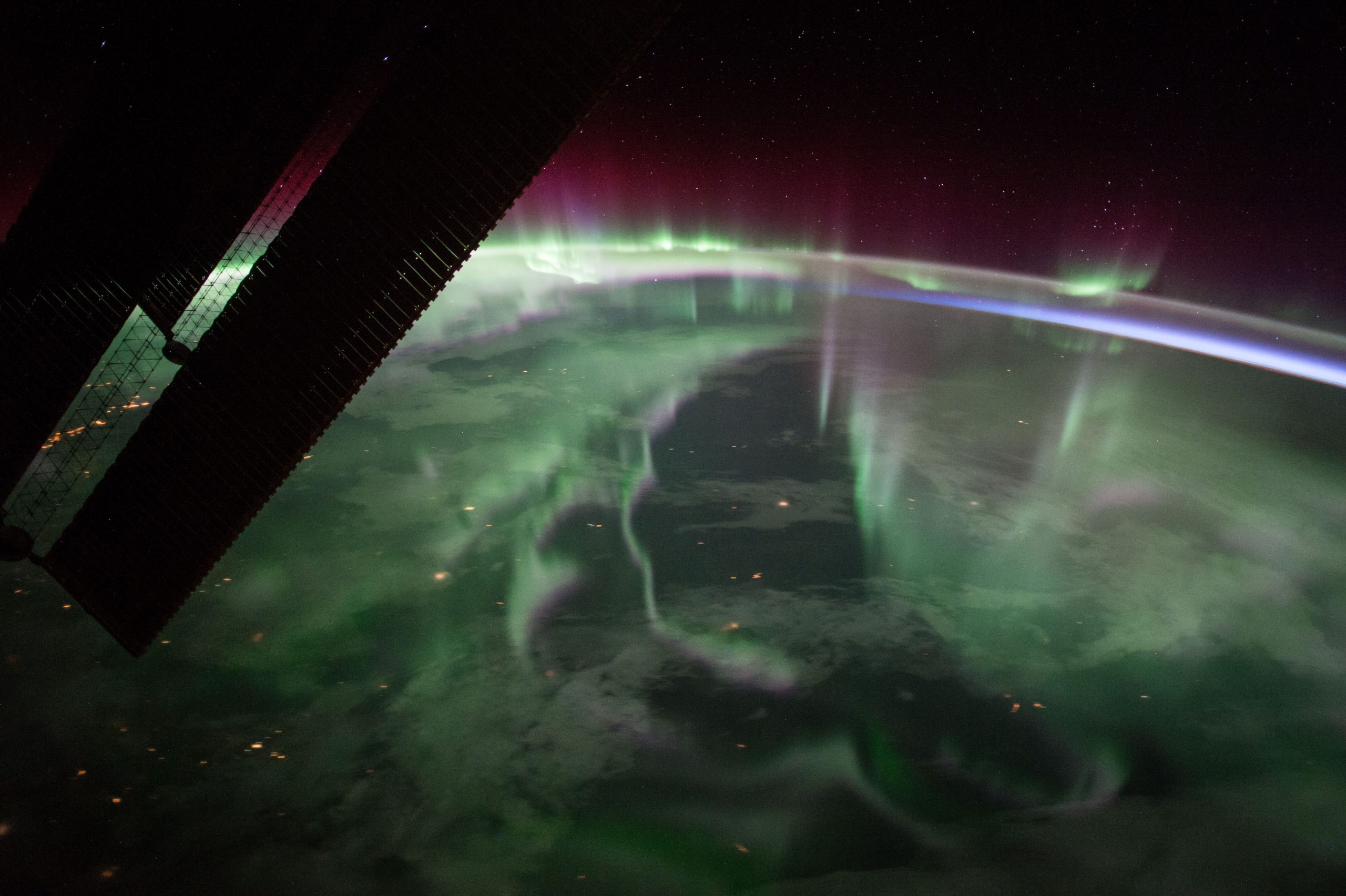
Space RadMon
Space RadMon | A flexible low-cost instrument for radiation monitoring in space Radiation poses a major threat to satellites. Galactic cosmic rays, solar flares and particles trapped in the Earth’s magnetosphere can have severe consequences on a satellite’s integrity, as the high energies associated with them can damage or even destroy its electronic components. CERN faces similar problems inside the
-
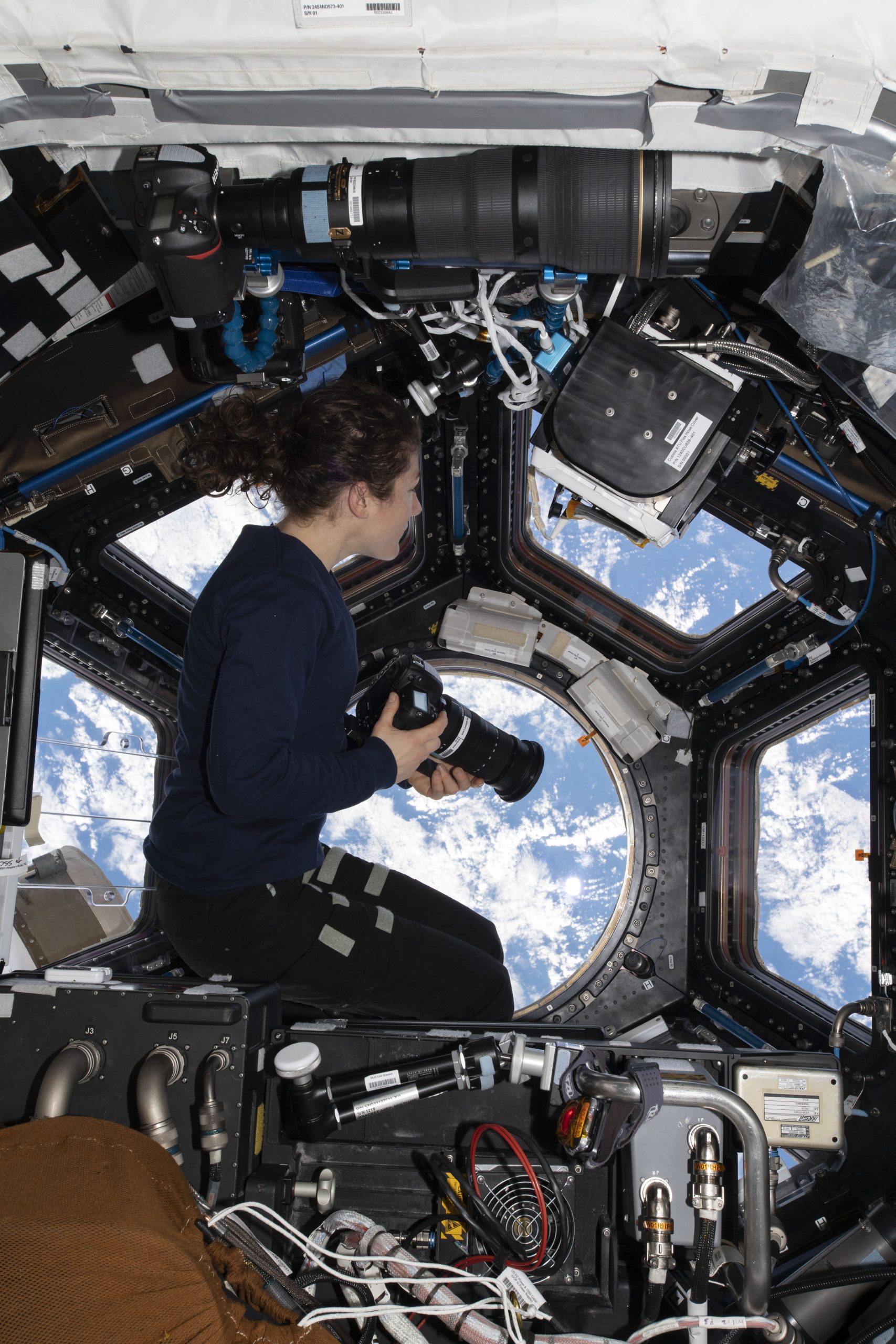
Timepix in space since 2012
Timepix in space since 2012 | The reference detector for astronaut dosimetry and low-energy cosmic rays The new phase of human space exploration is coming. From the International Space Station to NASA’s Orion spacecraft, Timepix has been part of several human spaceflight missions. Highly sensitive, capable of high spatial resolution and noiseless detection, Timepix is the CERN
-
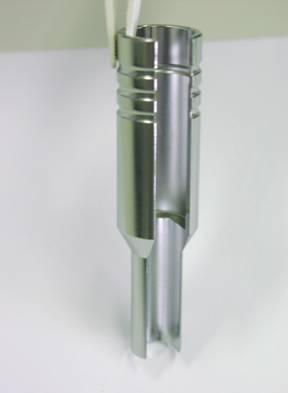
Titanium polishing
Titanium polishing | Titanium polishing is a process to reduce the roughness, and thereby increase the brightness, of a metal surface made of titanium or titanium alloy. The technology described here is a patented electrolytic method (electropolishing), and related technical know-how, to polish titanium to a high degree of surface smoothness – typically down to
-
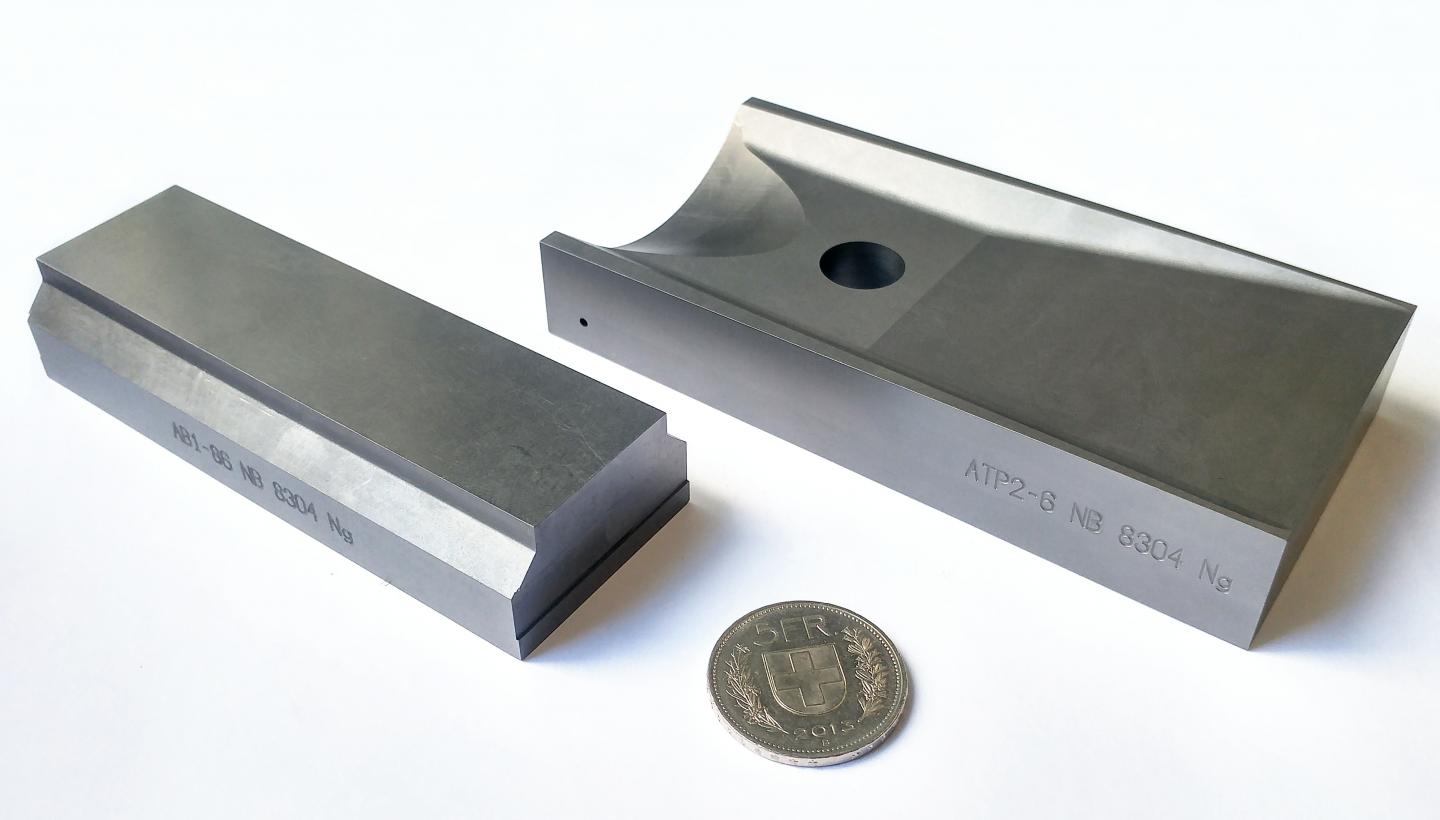
Thermal Management Materials
Thermal Management Materials | As part of its accelerator R&D programme, CERN has developed a family of novel, graphite-based composite materials to perform reliably in extreme thermo-structural conditions. The most outstanding results have been with Molybdenum Carbide-Graphite composites (MoGr)—developed in collaboration with Brevetti Bizz (IT)—that exhibit thermal conductivities up to 900 W m−1K−1 , very
-
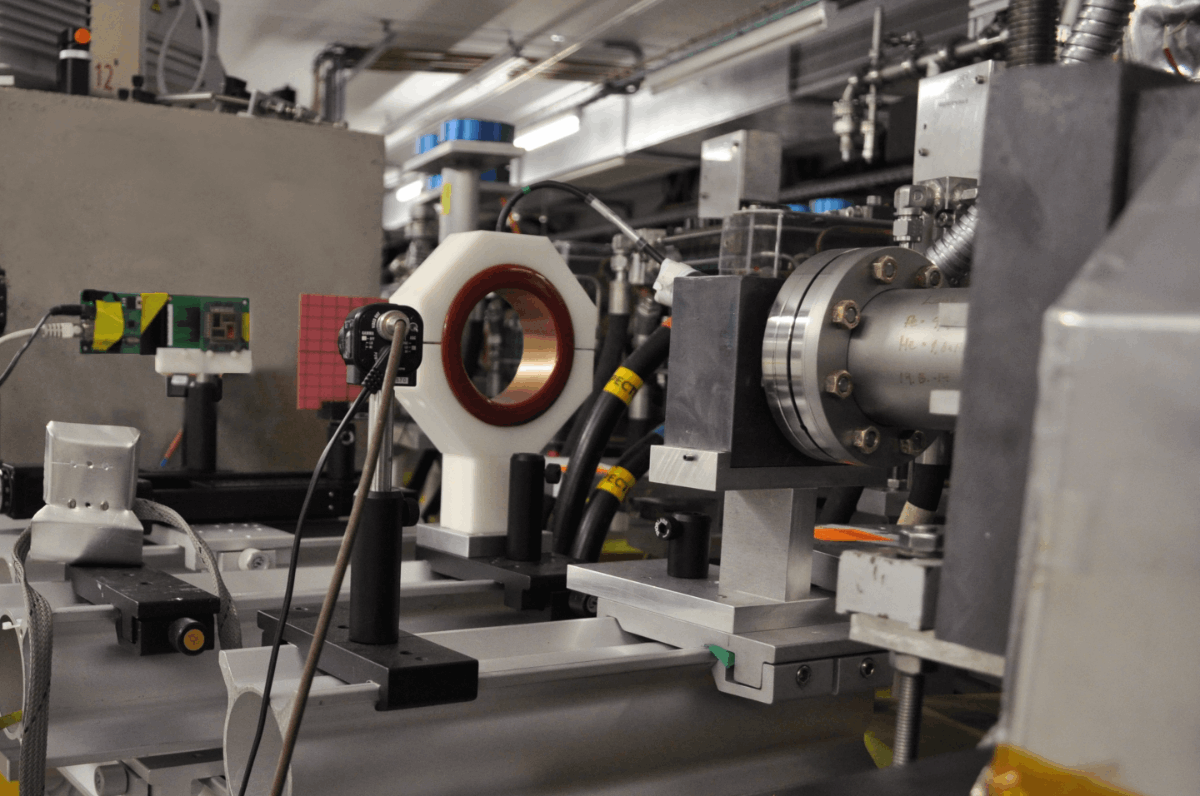
VESPER – High energy electrons …
VESPER – High energy electrons | VESPER stands for Very energetic Electron facility for Space Planetary Exploration missions in harsh Radiative environments. It is a high-energy electron beamline for radiation testing, part of the CTF3 (Compact Linear Collider Test Facility) experimental linear electron accelerator at CERN. VESPER is the only facility on Earth able to replicate
-
SPS North Area
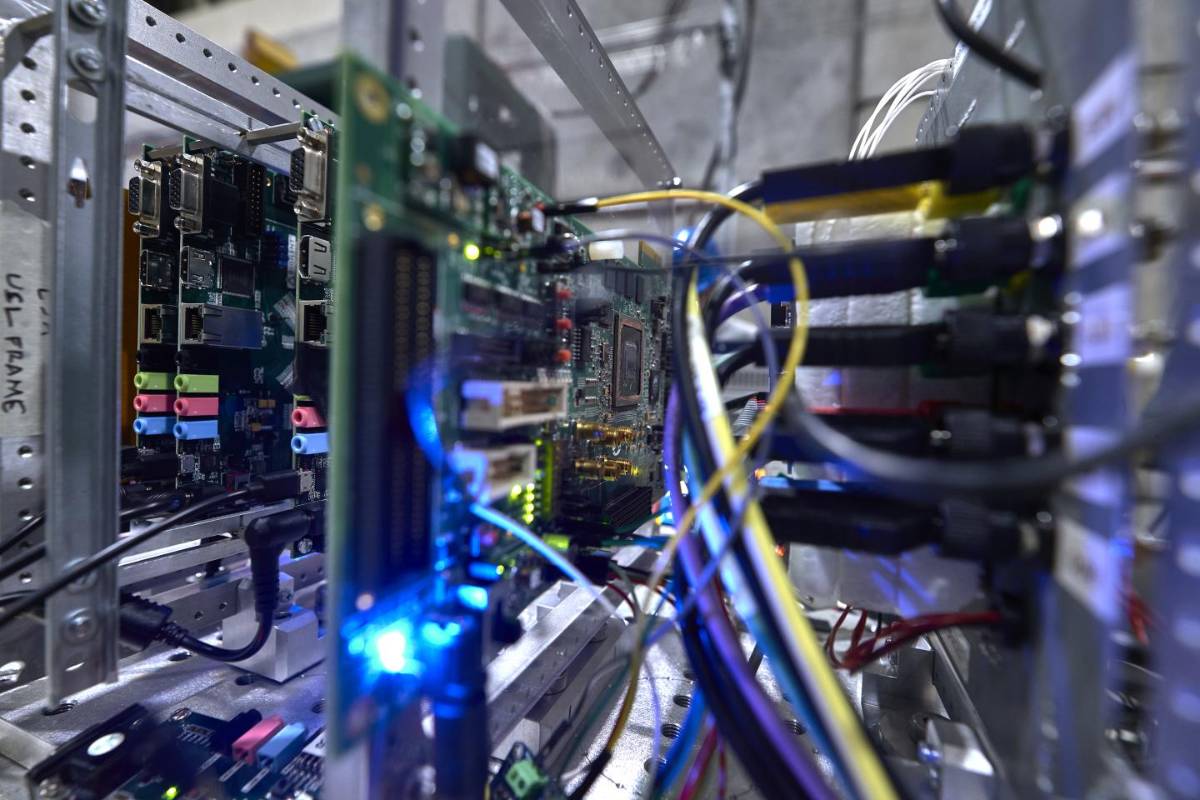
SPS North Area | CERN is capable of replicating the actual galactic cosmic ray spectrum to test electronics before they take a trip into space. Unlike standard facilities, the SPS North Area can operate with ultra-high energy heavy ions. These particle beams allow in-depth testing of space components in air and without opening the package (decapsulation). Many test campaigns have been organised
-
Cryolab
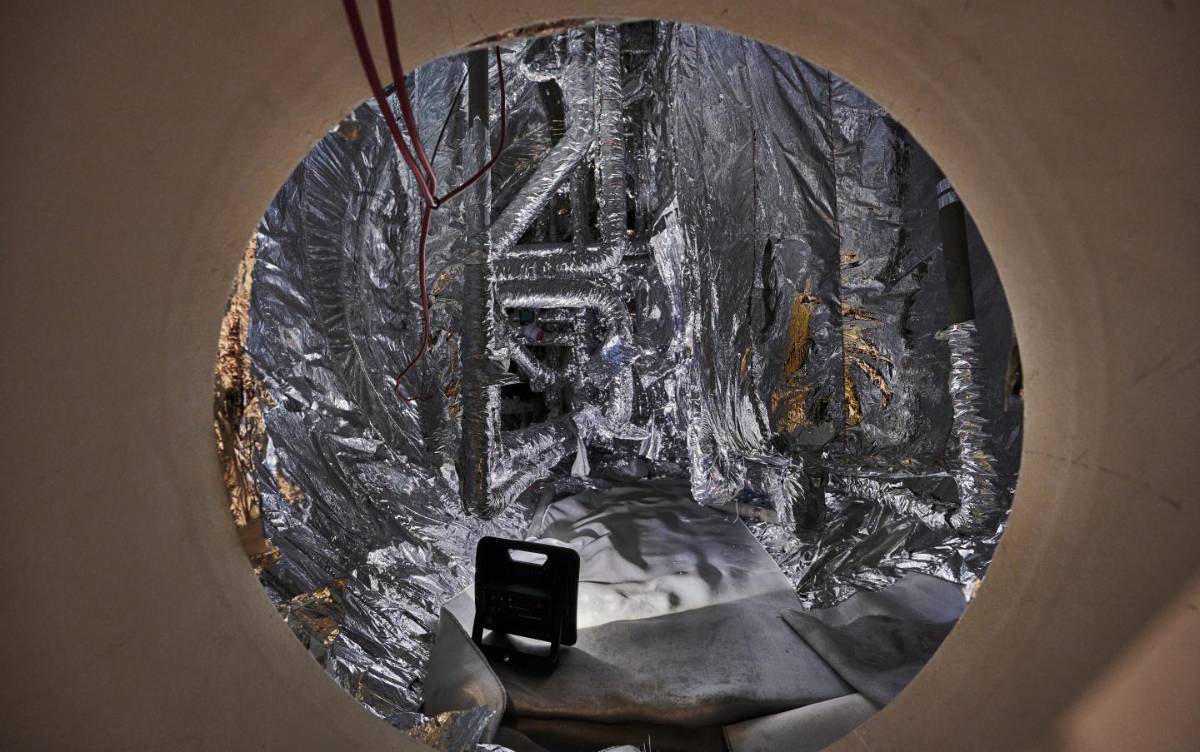
Cryolab | With many of its magnets operating at temperatures colder than outer space, the LHC is the largest cryogenic system in the world and one of the coldest places on Earth. For more than 50 years, CERN’s unique cryogenic facilities – also known as Cryolab – have provided expertise and R&D opportunities at low temperatures. In these installations able
-
CHARM – Mixed fields
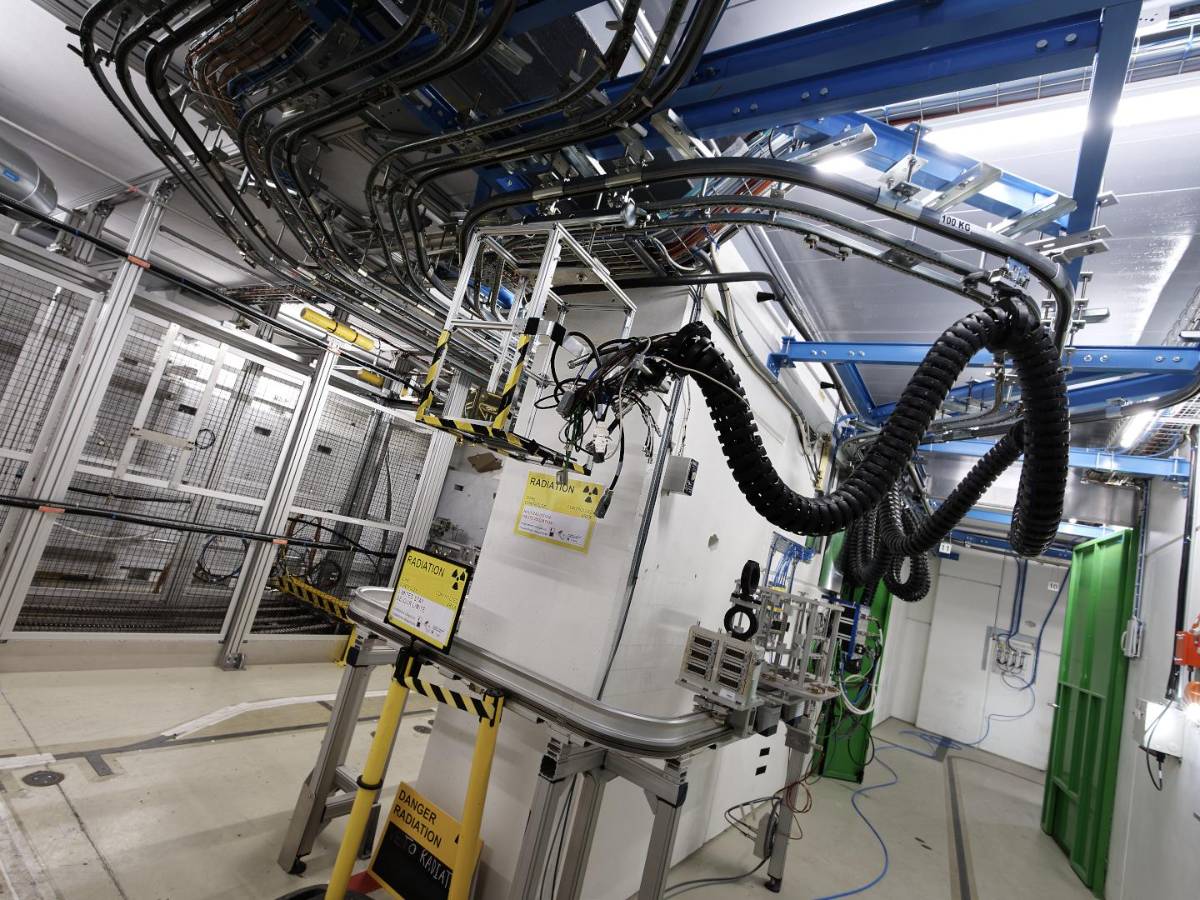
CHARM – Mixed fields | CHARM is a unique irradiation infrastructure at CERN, used for many years to test electronic equipment for CERN accelerators and available to users from the aerospace community. CHARM provides a completely new approach to low-cost qualification against radiation. This facility can batch screen many components or boards in parallel, as well as test large systems,
-
White Rabbit
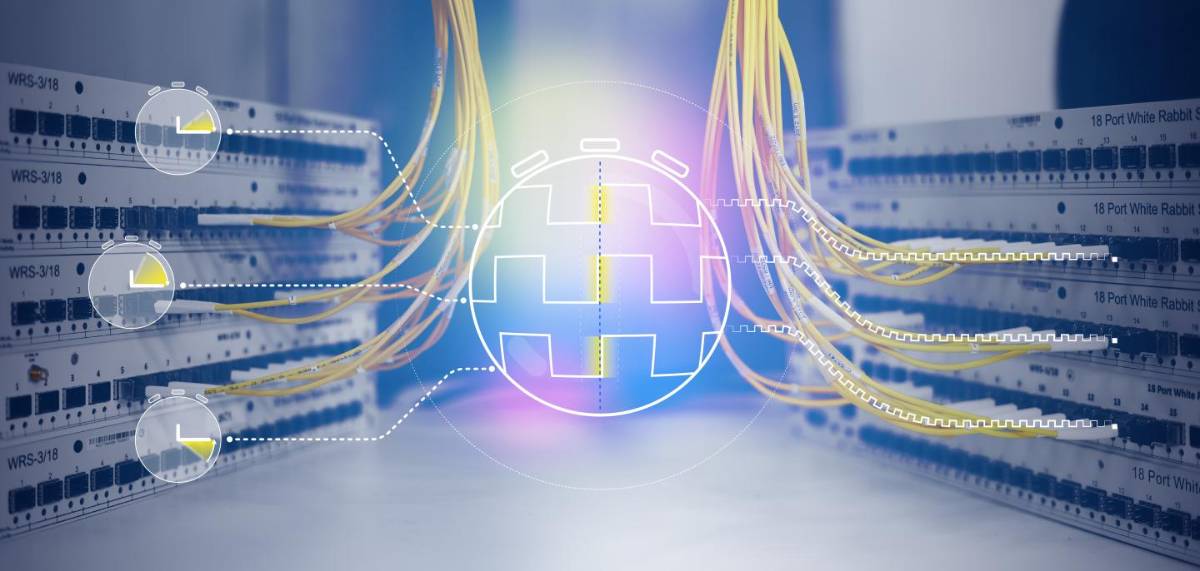
White Rabbit | White Rabbit provides sub-nanosecond accuracy and picoseconds precision of synchronization for large distributed systems. It also allows for deterministic and reliable data delivery. White Rabbit allows you to precision time-tag measured data and lets you trigger data taking in large installations while at the same time using the same network to transmit
-
Structured Laser Beam
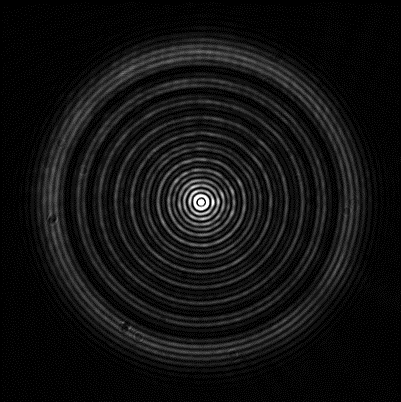
Structured Laser Beam | The Structured Laser Beam represents a new paradigm in the creation of non-diffractive beams (NDBs) and it has the potential to greatly improve a number of mainstream applications using laser beams or light beams. With a very low divergence that keeps the spot size within a few millimetres even at distances
-
Geant4
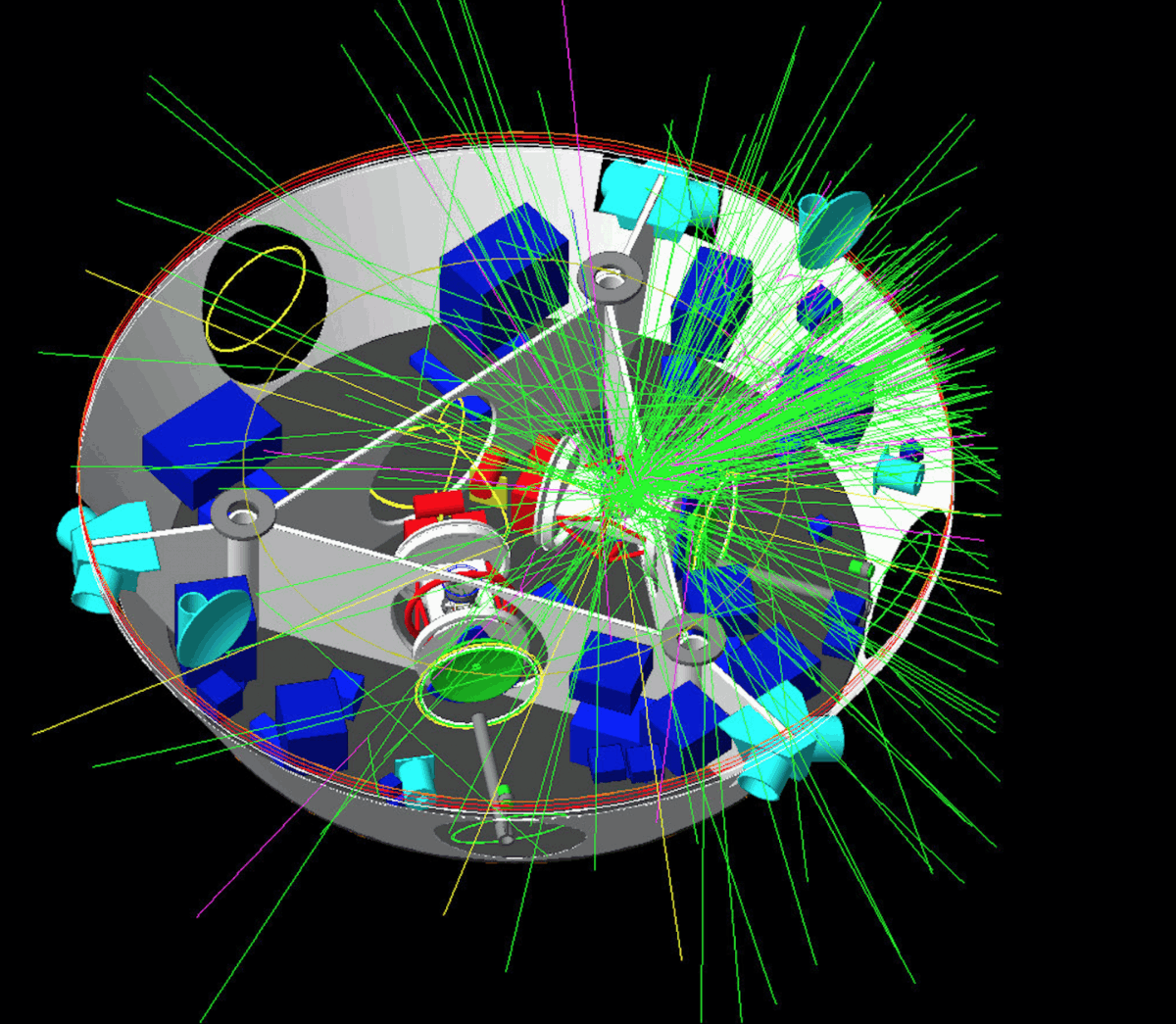
Geant4 | Geant4 is a toolkit for simulating the passage of particles through matter. It is the reference simulation engine for the LHC experiments at CERN and other high energy physics labs worldwide. Geant4 covers all relevant physics processes, electromagnetic, hadronic, decay, optical, for long and short lived particles, for energy range spanning from tens
-
DC-DC converter
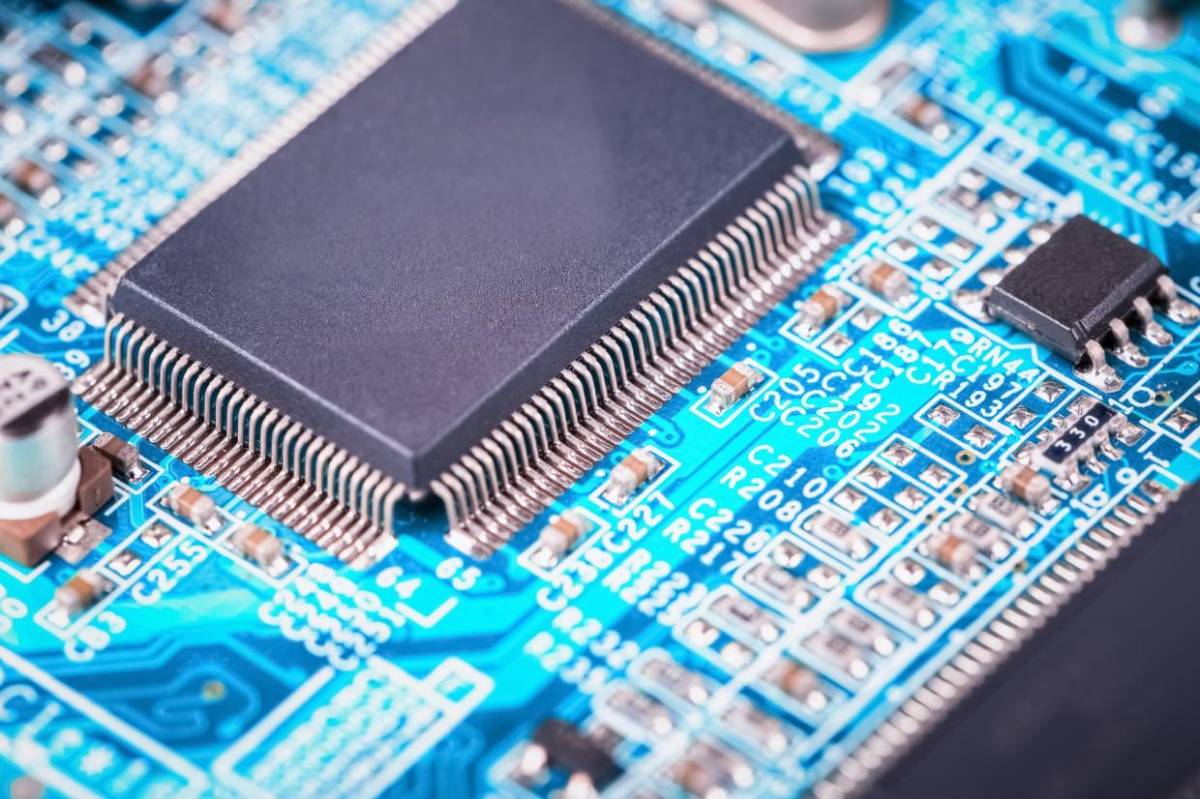
DC-DC converter | A radiation and magnetic field tolerant DC-DC Point-Of-Load (POL), which enables distribution at higher voltage, with local on-detector conversion to the voltage required by the electronics, considerably decreasing the current in the cables. As main features, FEAST 2 presents bandgap, handling of dead time with adaptive logic, protection Over-Current (OVO) and Over-Temperature
-
CERNbot
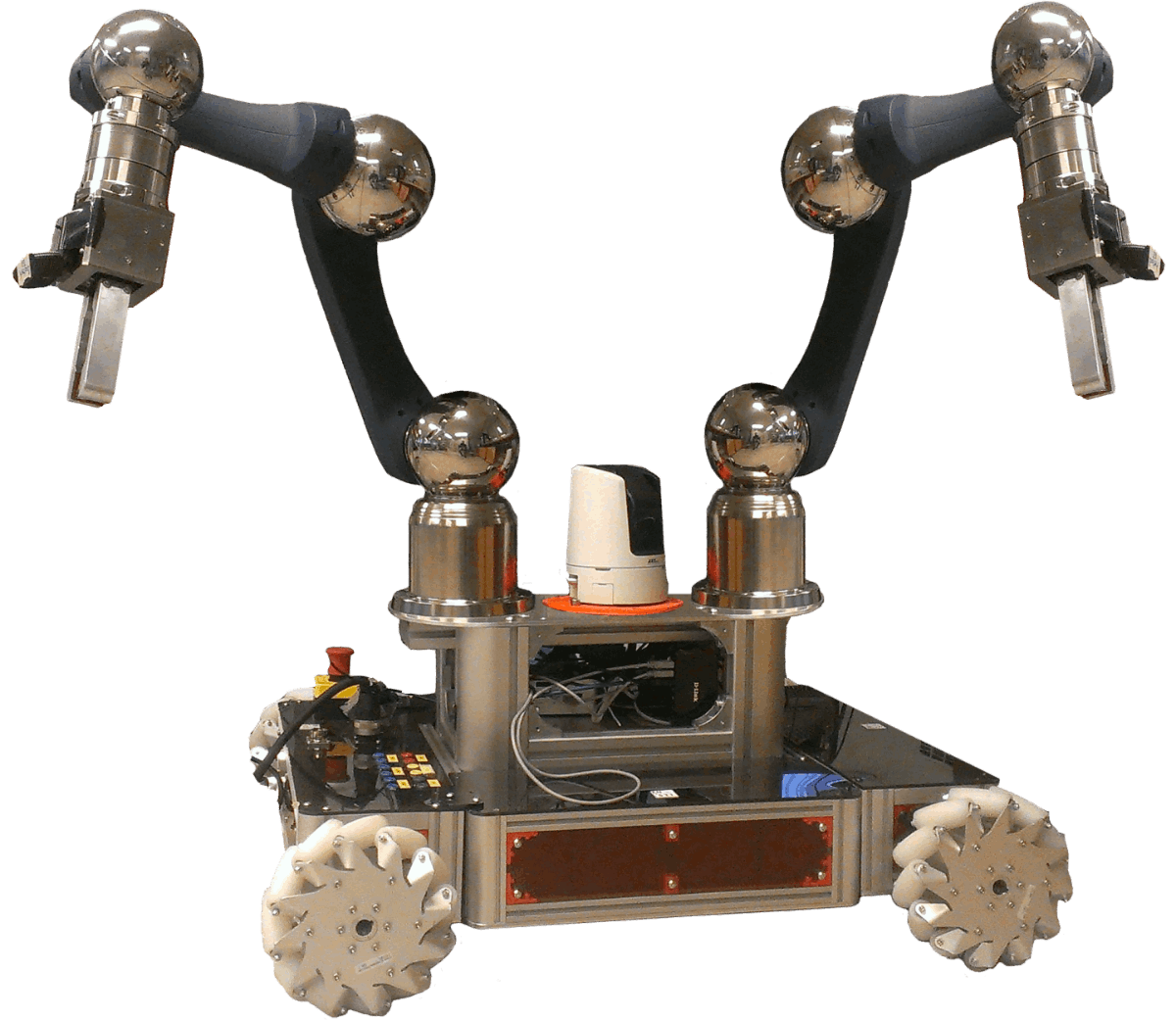
CERNbot | CERNbot is a modular and flexible robotic platform developed at CERN for complex interventions in harsh environments. It is highly customisable platform that can receive up to two commercial robotic arms working together in a coordinated manner. Applications Advantages Developed at CERN
-

CERN VM-FS
CERN VM-FS | CernVM-FS is a web-based, global, and versioning file system optimized for software distribution. The file system content is installed on a central web server from where it can be mirrored and cached by other web servers and web proxies. File system clients download data and meta-data on demand and cache them locally.
-
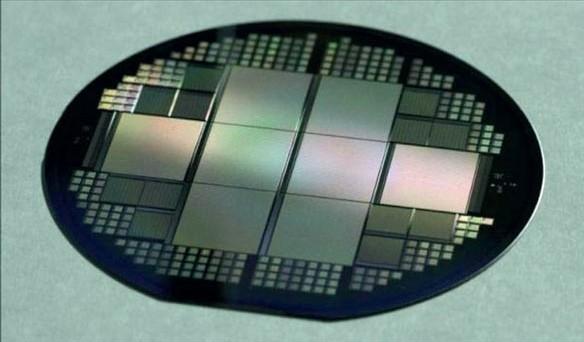
Sensors
Sensors | CERN’s unique know-how derived from years of developing, using, characterizing a large amount of sensors. CERN’s Know-How Facts & Figures Key Competencies Silicon sensors CERN developed unique expertise in simulation and characterisation of silicon sensors to sustain extreme levels of radiations. CERN designs Si sensors in close collaboration with industrial partners. Specifications Key
-
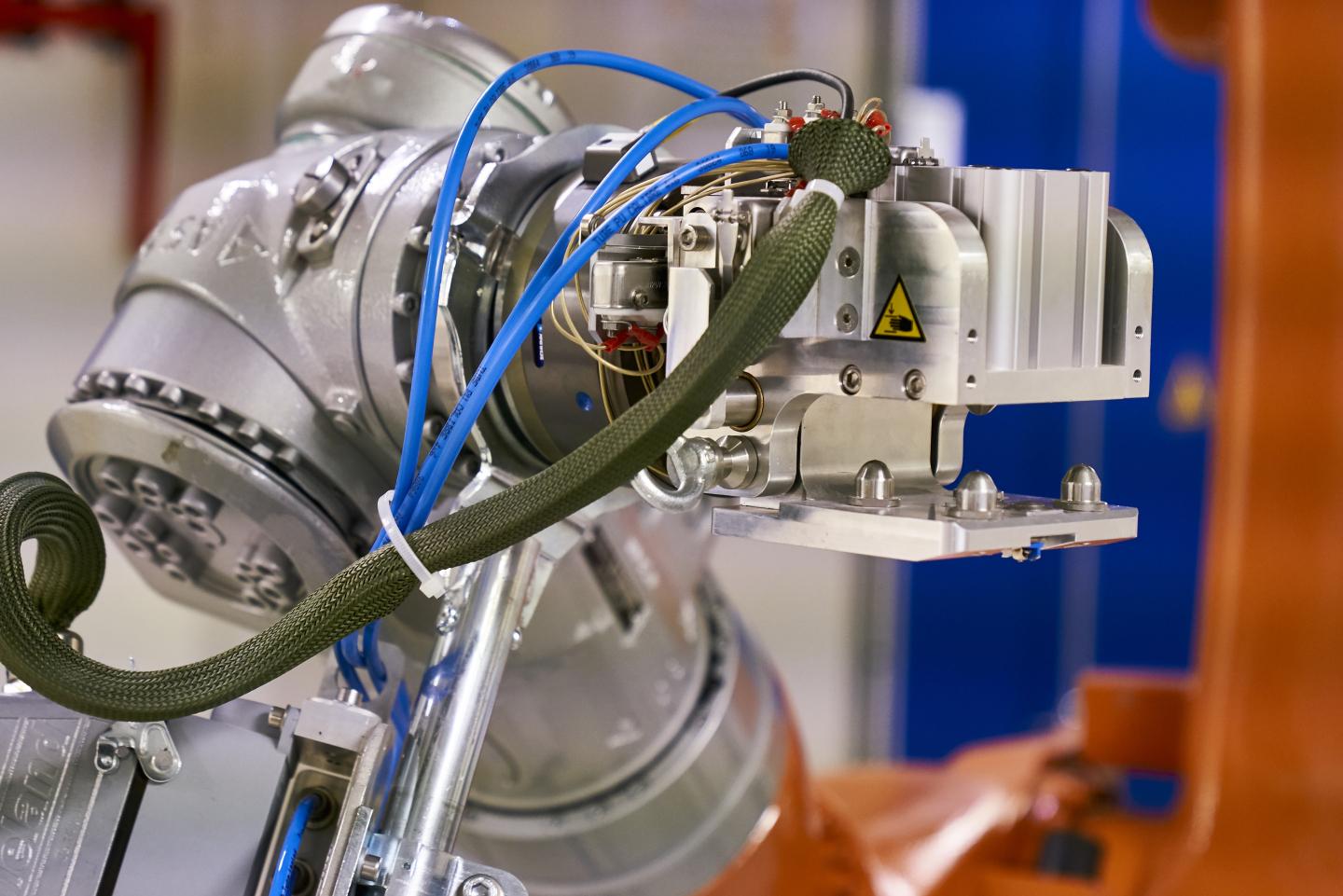
Robotics
Robotics | CERN´s unique know-how in designing, building, operating robotics systems for interventions in harsh environments. CERN developed this technology to protect its personnel against hazards in the accelerator facilities. It includes drivers that allow integration of various commercially available sensors and robotic arms into the hardware platform. The application areas are vast and include inspection,
-
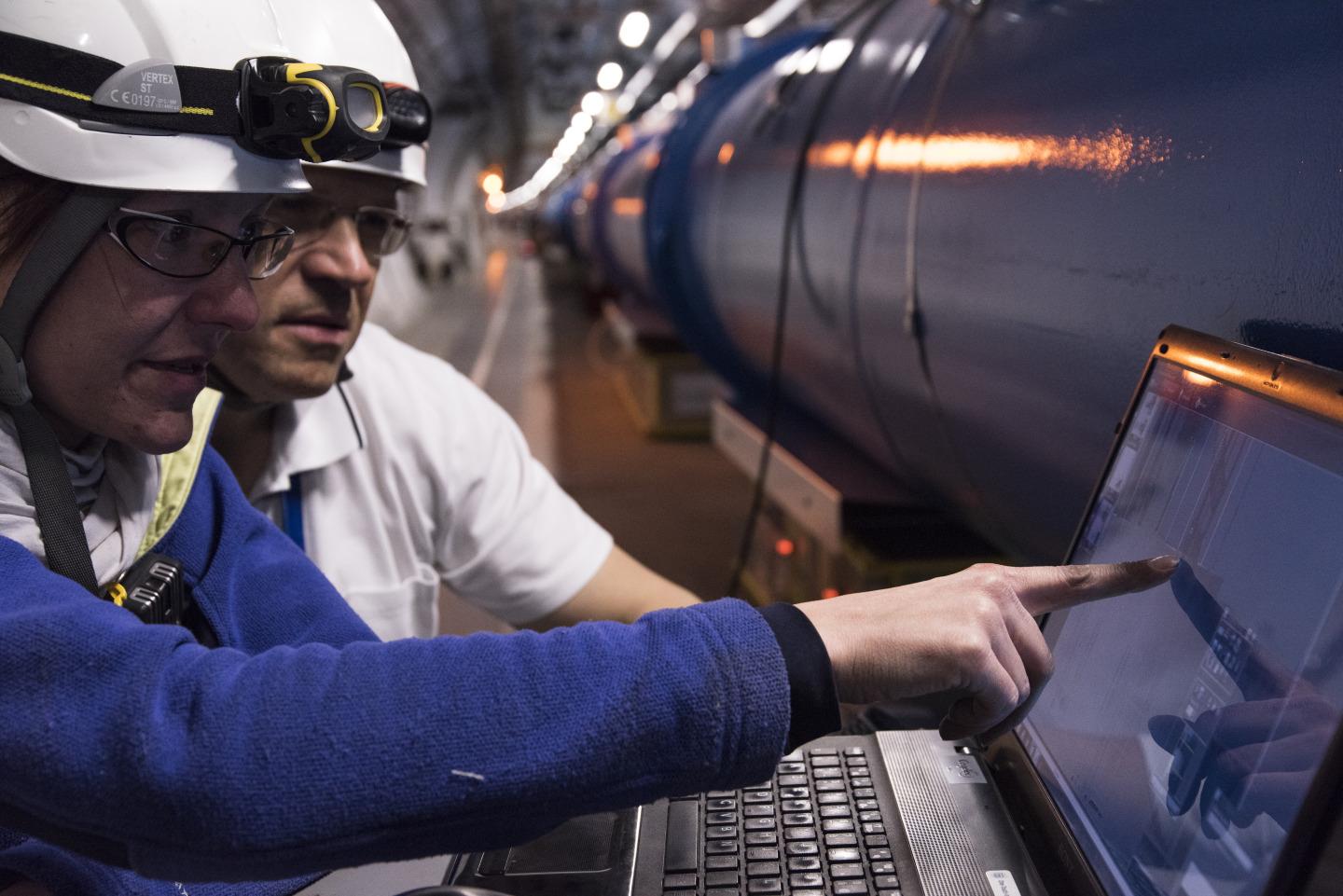
Radiation Protection and Monitoring
Radiation Protection and Monitoring | CERN’s unique know-how derived from years of designing, installing and operating systems to monitor level of radiations. CERN’s Know-How Facts & Figures Key Competencies High-energy reference field The CERN-EU high-energy Reference Field (CERF) facility, in the SPS North Experimental Area, is a workplace radiation facility providing reference neutron fields for
-
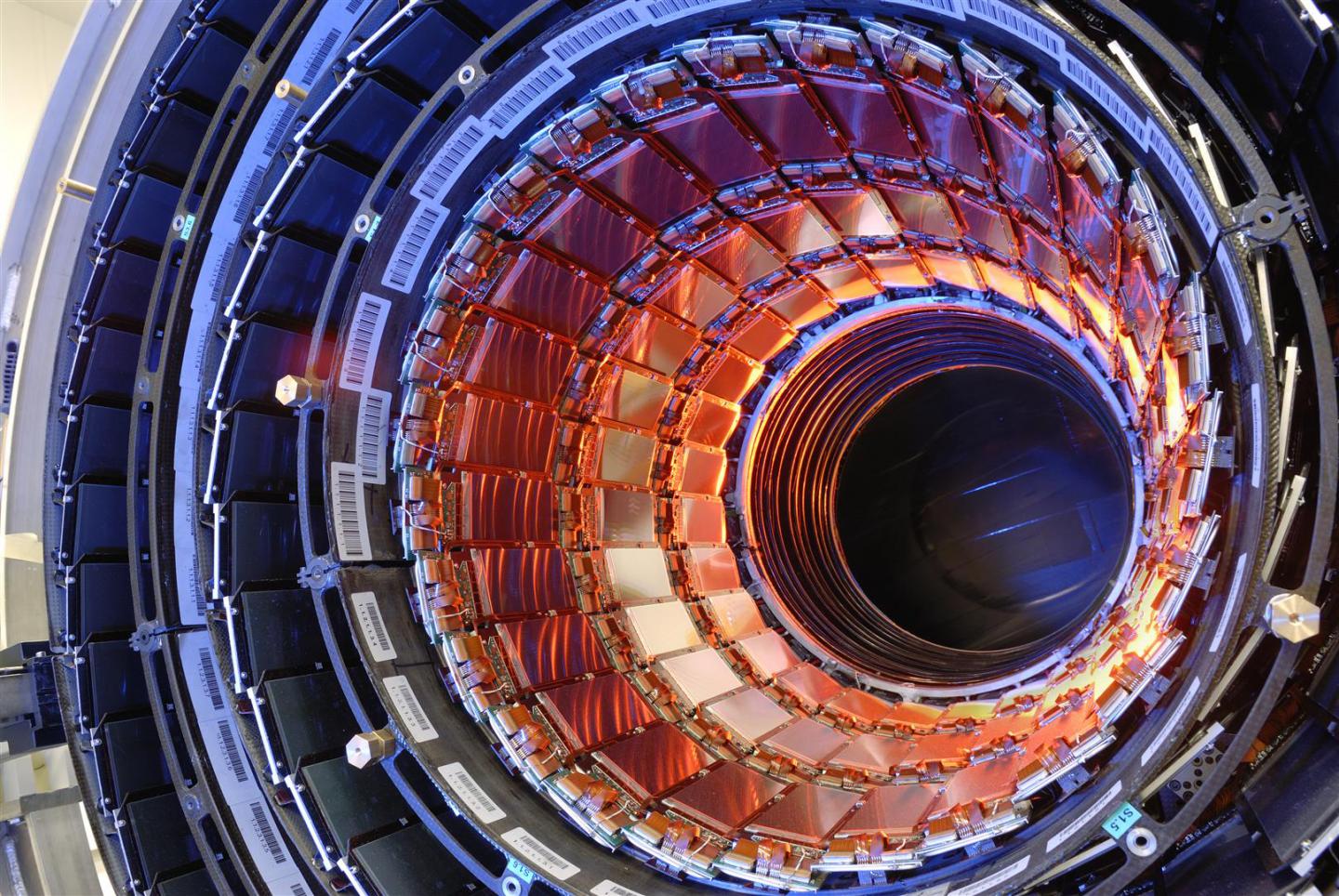
Particle Tracking and Calorimetry
Particle Tracking and Calorimetry | CERN’s unique know-how derived from years of designing, testing, building and operating complex detector systems. CERN’s Know-How Facts & Figures Key Competencies Compact integration of technology Experiments running around and outside the LHC are extremely complex and large structures. Main challenge is to maximize the volume dedicated to the detector
-
Particle Acceleration and Control
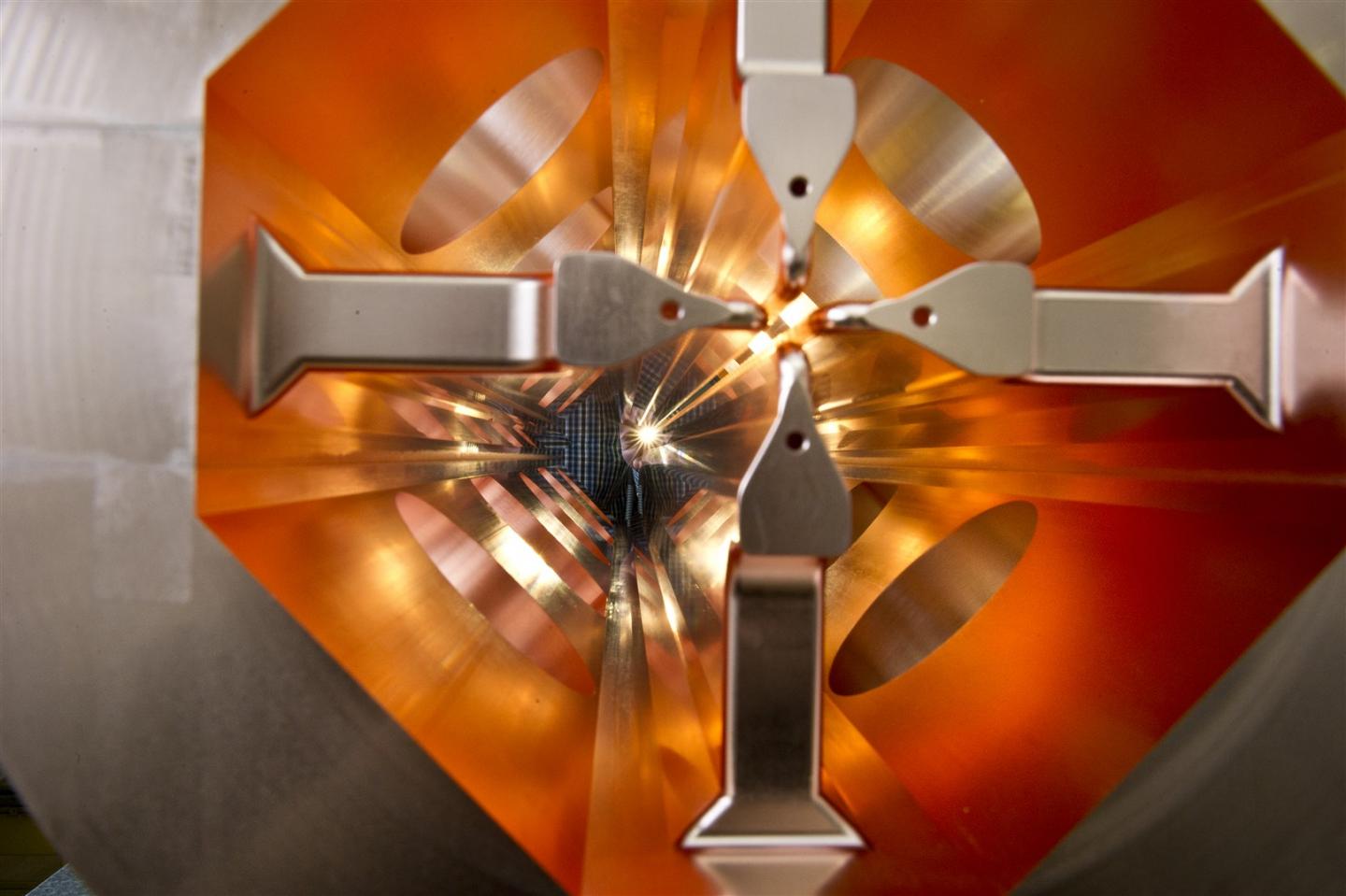
Particle Acceleration and Control | World-class expertise in the design of technologies to accelerate, measure and control particle beams. CERN’s Know-How Facts & Figures Key Competencies Compact accelerating structures Decades of accumulated experience in the acceleration of subatomic particles. At CERN, our experts carry out R&D to improve existing acceleration technologies and explore new avenues
-
Optoelectronics and Microelectronics
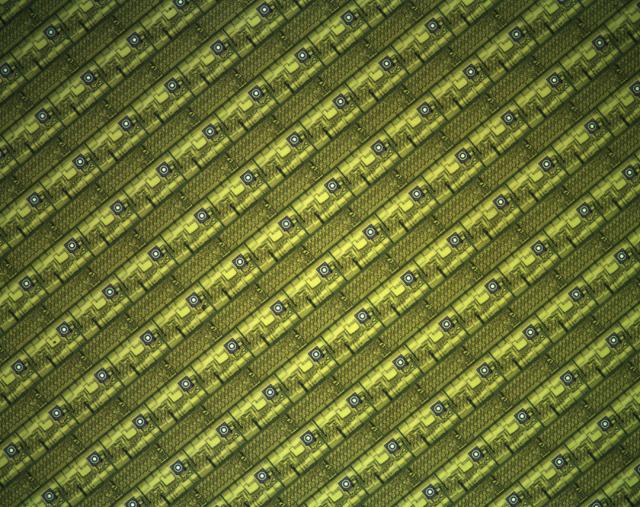
Optoelectronics and Microelectronics | CERN’s unique know-how derived from years of designing, testing and installing microelectronics exposed to harsh environments. CERN’s Know-How Facts & Figures Key Competencies Radhard electronics To withstand the level of radiation present in the collision points, unique expertise designing and integrating high performance and extreme radiation tolerant ASICs has been built.
-
Metrology
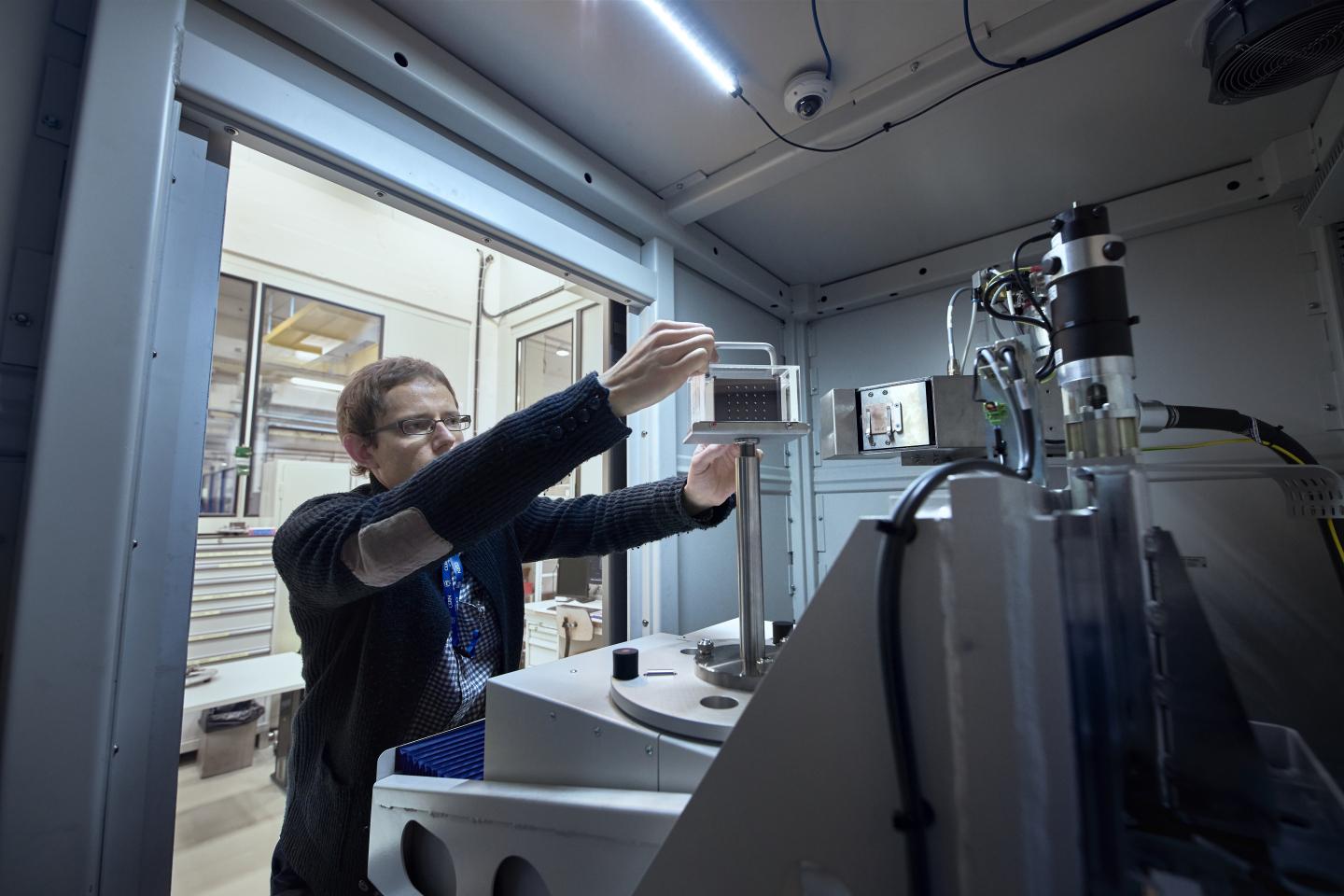
Metrology | Unique know-how derived from the precise construction and operation of some of the world’s largest and most complex machines. CERN’s Know-How Facts & Figures Key Competencies High-precision, large-scale alignment In order to meet the ever-increasing alignment tolerances of future particle accelerators, CERN experts are developing new procedures and instrumentation to perform high-precision, large-scale
-
Material Science
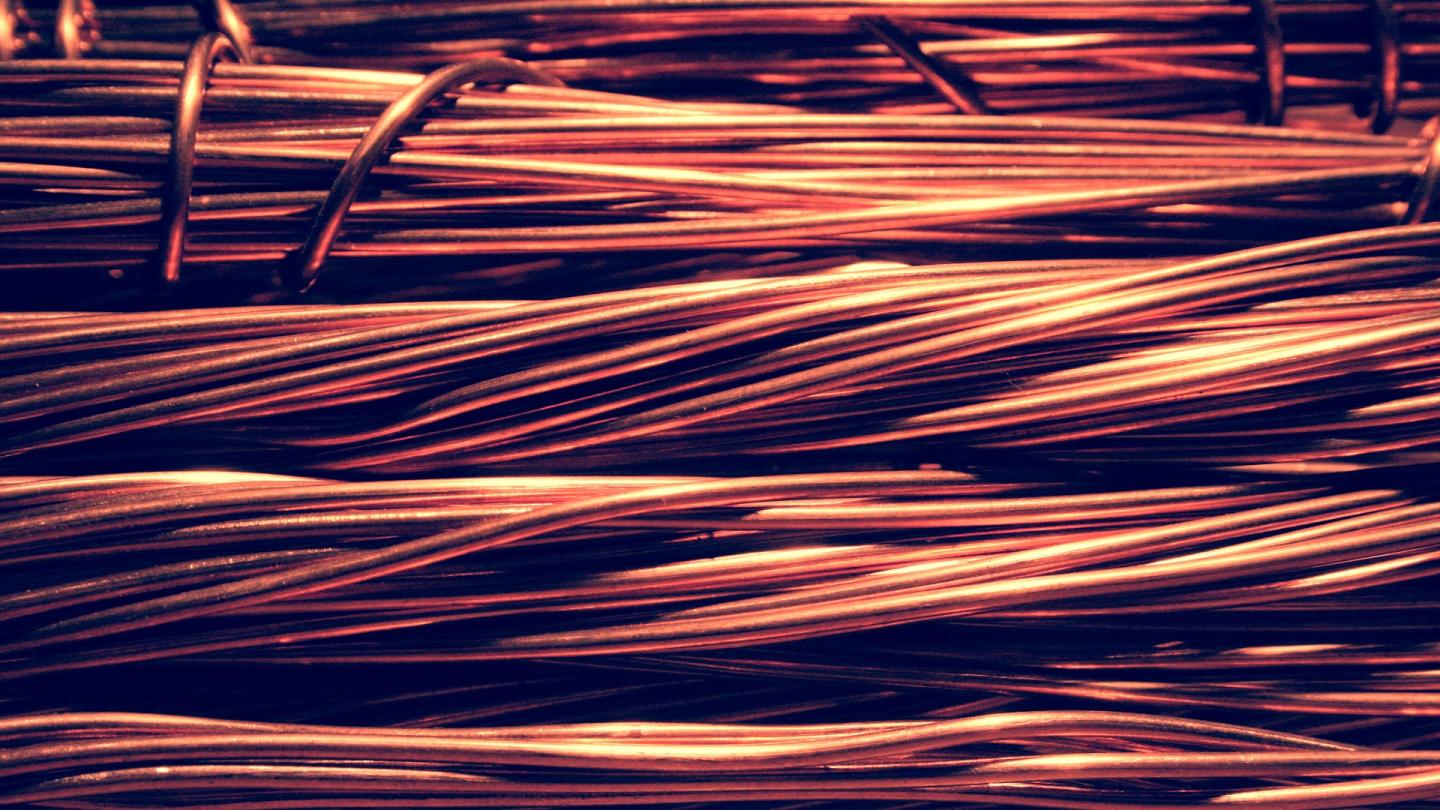
Material Science | Novel fabrication methods and analysis procedures for materials operating at the extremes of precision and endurance. CERN’s Know-How Facts & Figures Key Competencies Materials for demanding applications & environments Selection, specification, development and application of materials and processes to meet demanding requirements, often at the extremes of temperature, radiation, vacuum and magnetism.
-
Manufacturing and Mechanical Processes
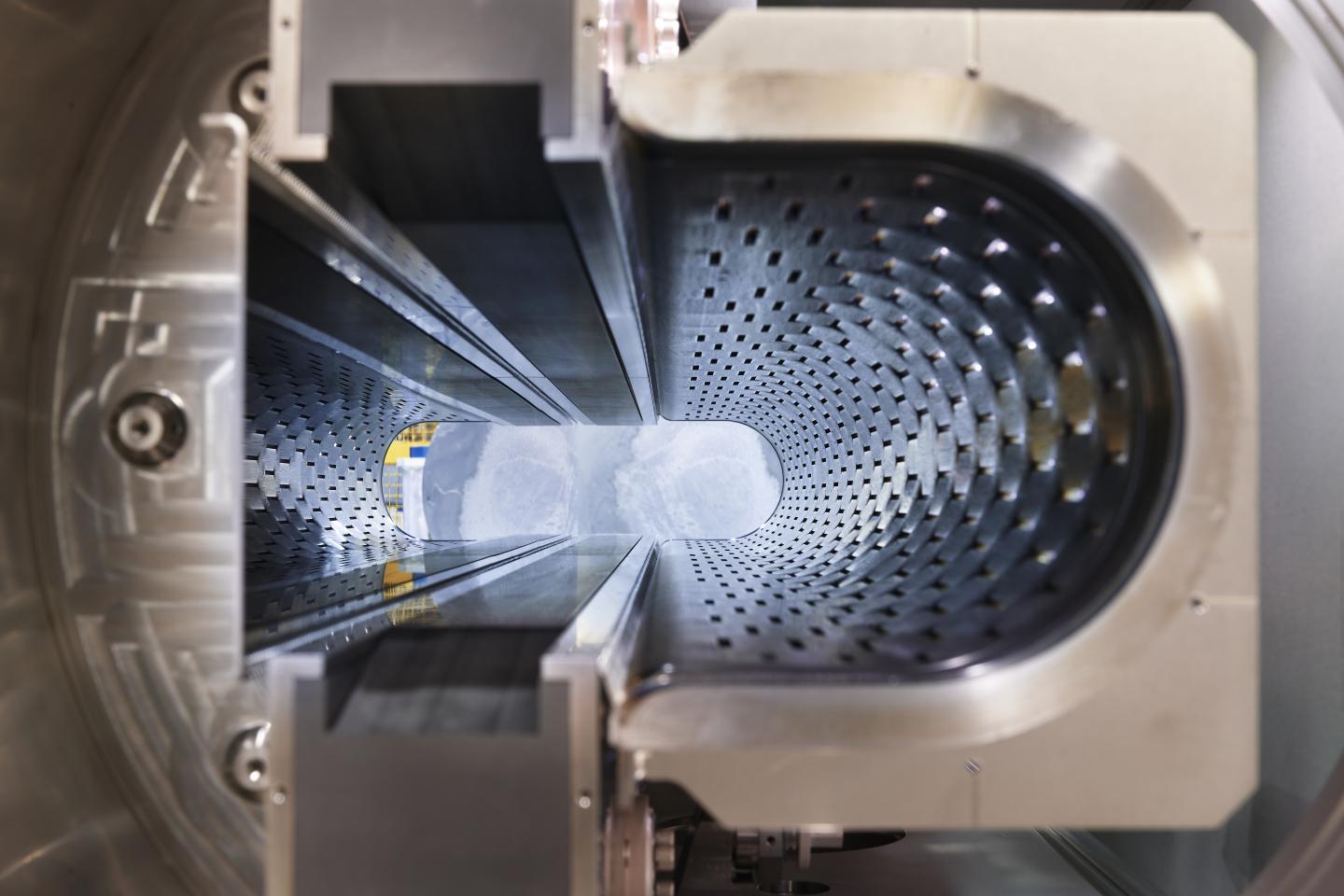
Manufacturing and Mechanical Processes | CERN develops manufacturing solutions for machines operating at the limits of precision, size, speed and power. CERN’s Know-How Facts & Figures Key Competencies High-precision engineering and assembly at micro & macro scale CERN components must be built to strict dimensional tolerances and sustain the highest level of performance, especially in
-
High and Ultra High Vacuum Systems
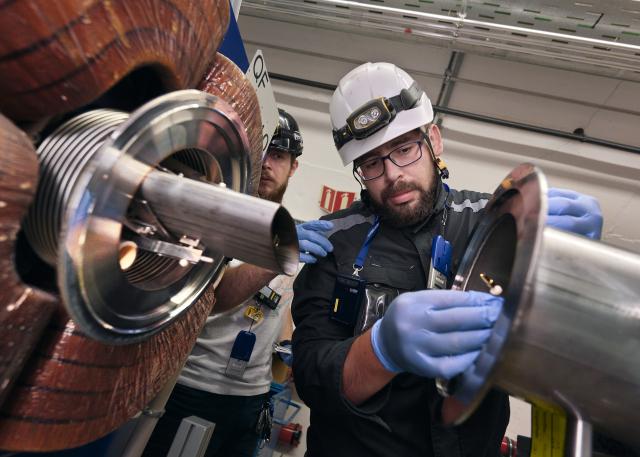
High and Ultra High Vacuum Systems | CERN’s Know-How Facts & Figures Contact Person Amanda Diez Fernandez Knowledge Transfer Officer amanda.diez.fernandez@cern.ch
-
Cryogenics
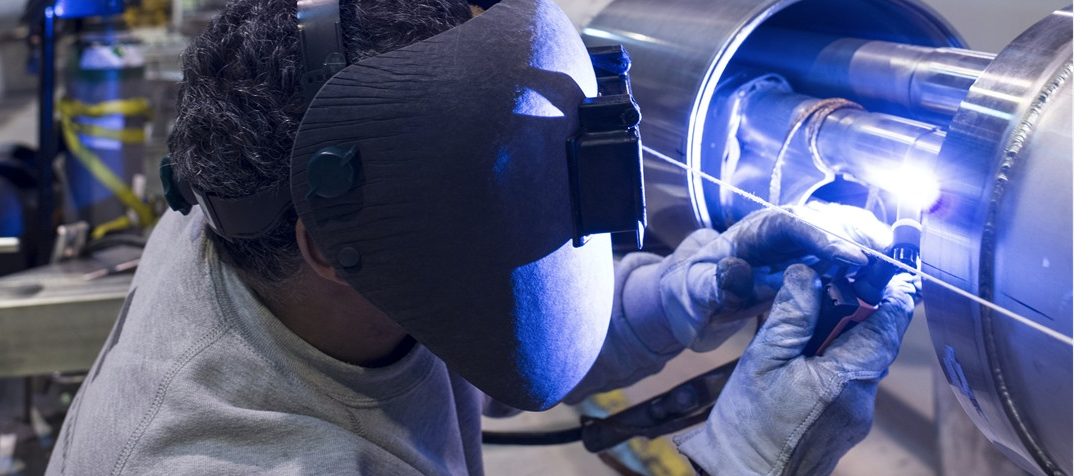
Cryogenics | CERN’s unique know-how derived from 60 years of designing, installing and operating the world’s largest cryogenics installation. CERN’s Know-How Facts & Figures Key Competencies Robust Big Data Acquisition Radiation tolerant, reliable and highly flexible large scale industrial data acquisition system capable of monitoring and operating systems equipped with thousands of sensors and controllers
-
Cooling and Ventilation
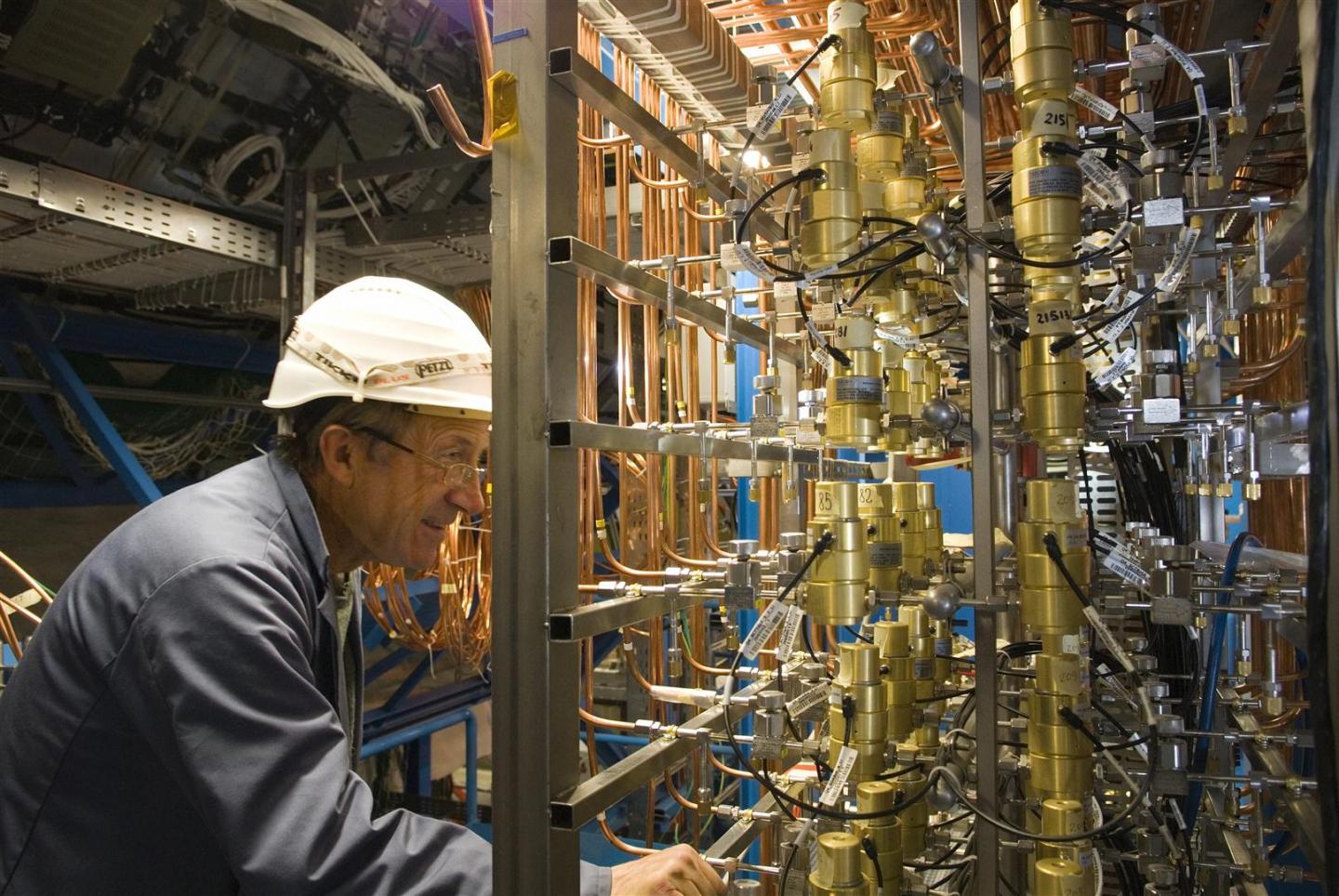
Cooling and Ventilation | Expertise in procurement, installation, operation & maintenance of large cooling, ventilation and air conditioning systems for complex structures. CERN’s know-how Key Competencies Pressure Cascade Management The LHC is a very large, complex underground system of interconnected spaces. In order to secure safety, any risks related to fire, smoke, radiation and gas
-
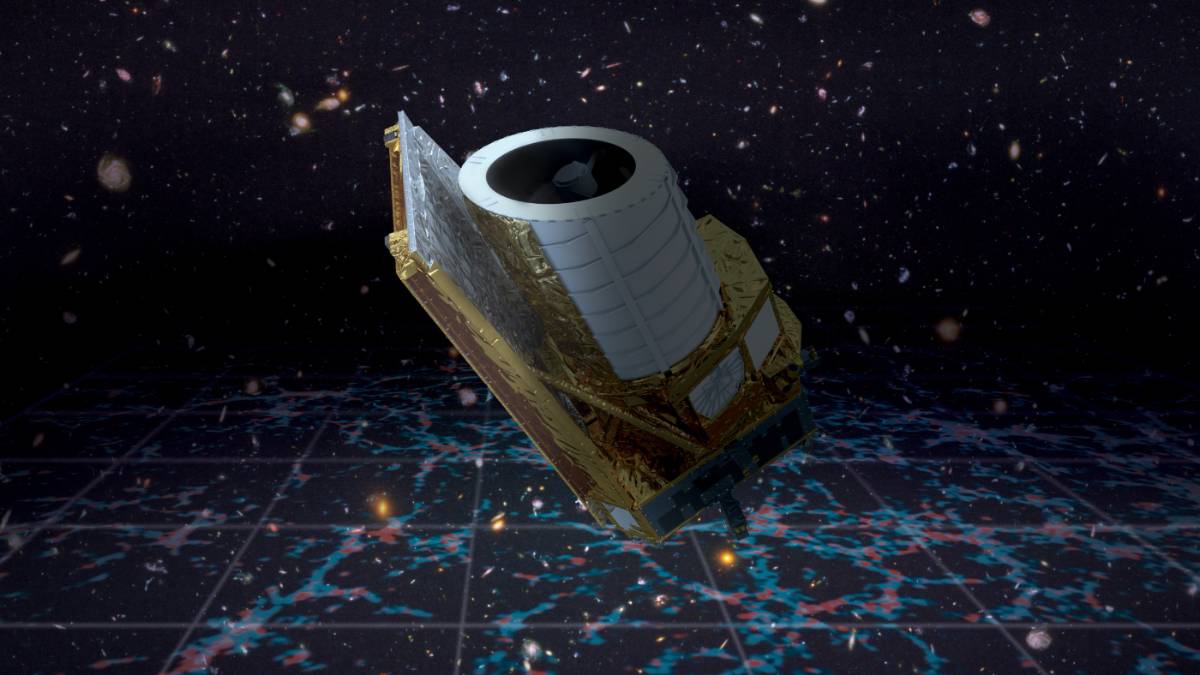
CERN tech to help investigate the dark universe
CERN tech to help investigate the dark universe ESA’s recently launched Euclid telescope will rely on CERN software and computing infrastructure to help it map the effects of dark matter and dark energy on the Universe Today, at exactly 17.11 CEST, the European Space Agency’s newest mission was launched in a SpaceX Falcon 9 rocket
-
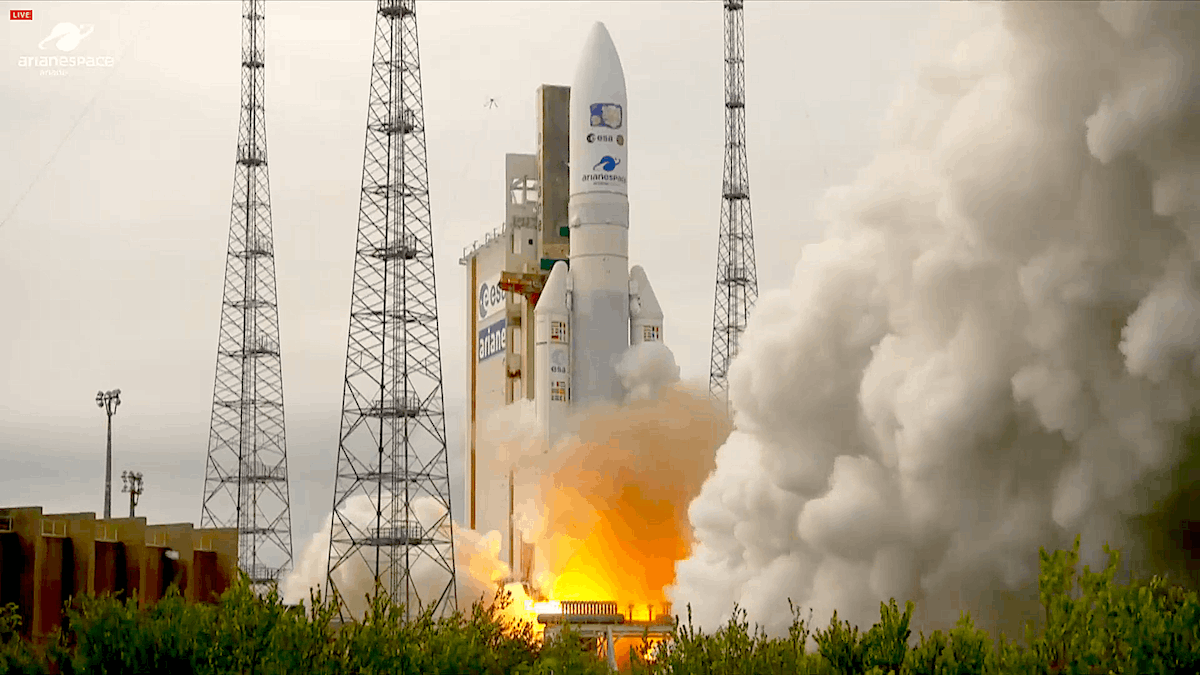
From CERN to Jupiter: Juice embarks on its historic journey
From CERN to Jupiter: Juice embarks on its historic journey | Before embarking on its journey, critical components of ESA’s interplanetary mission were tested in the only facility on Earth capable of replicating Jupiter’s harsh radiative environment It is not only in the tunnels of CERN that we learn about the origin and composition of
-
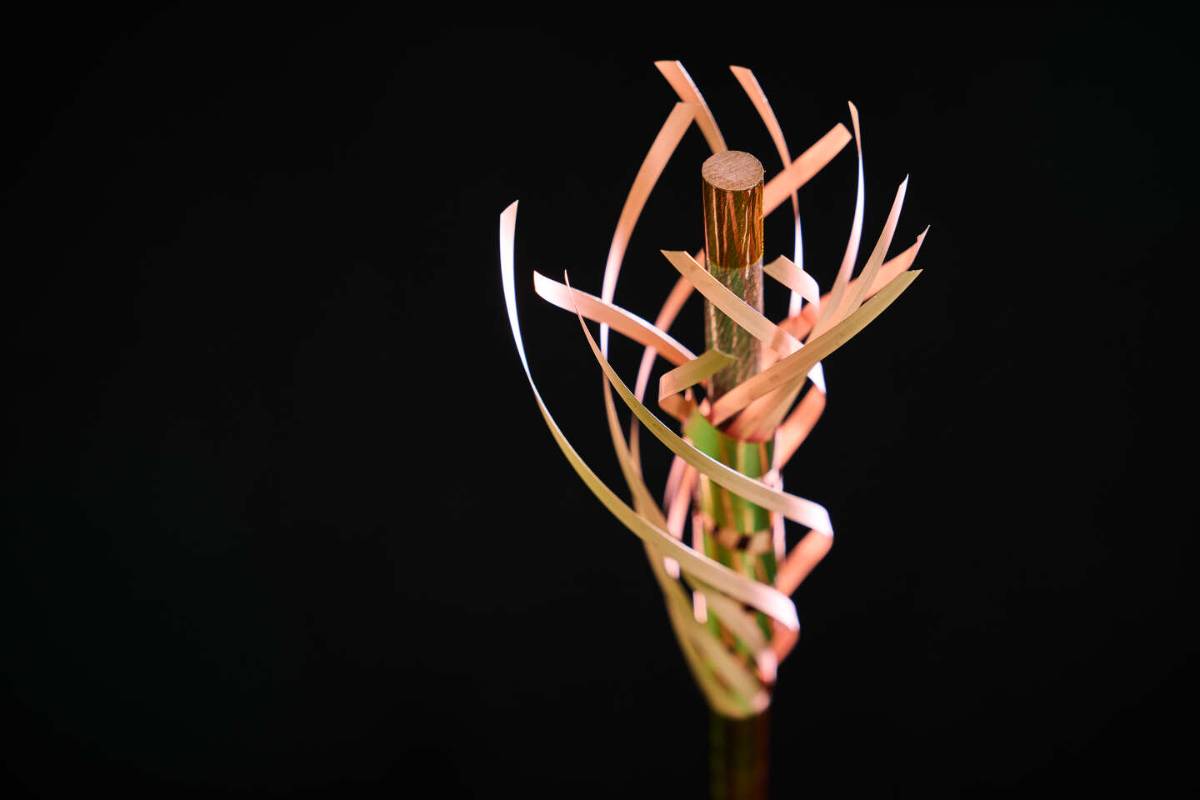
CERN and Airbus partnership on future clean aviation
CERN and Airbus partnership on future clean aviation | CERN and Airbus UpNext sign a collaboration agreement to assess the use of superconducting technologies for future low-emission aeroplanes. Today, CERN, the European Laboratory for Particle Physics, and Airbus UpNext, a wholly owned subsidiary of Airbus, have launched an innovative collaboration to explore the potential use
-
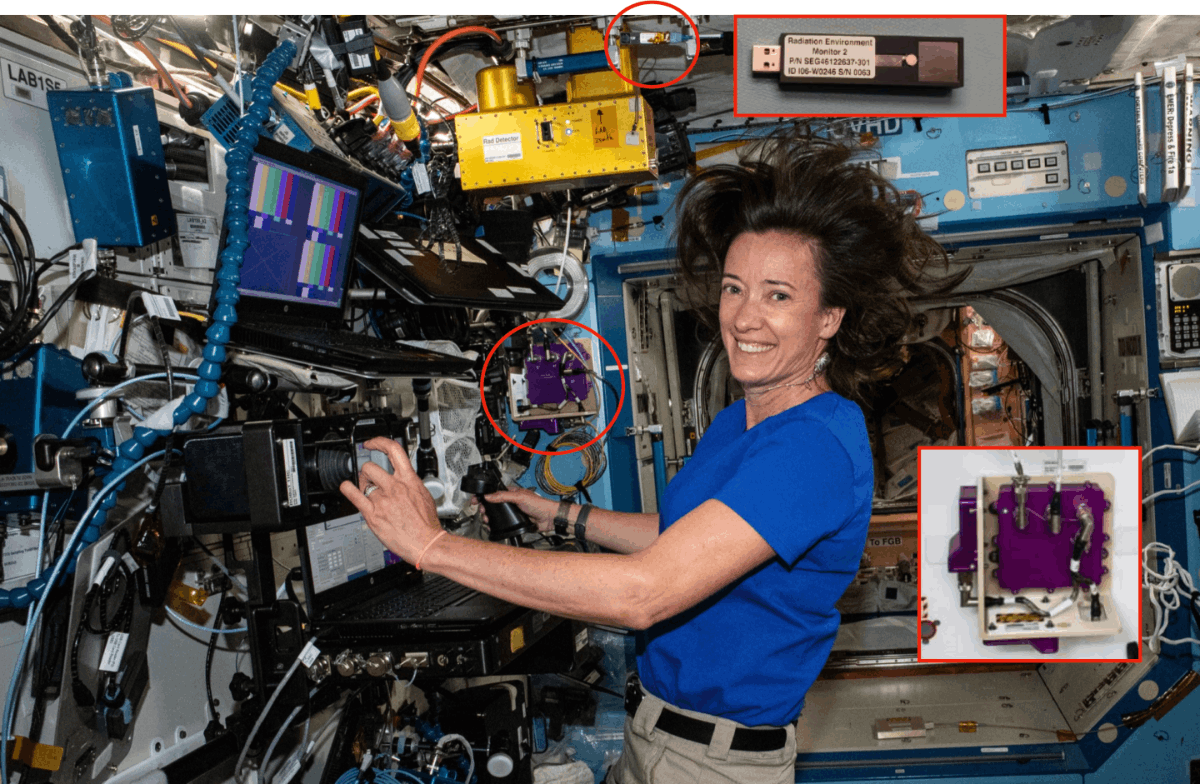
Timepix: from CERN’s galleries to the Moon
Timepix: from CERN to the Moon | The renowned Timepix detector celebrates its 10-year anniversary on the International Space Station by flying to the Moon: the chip features in NASA’s future lunar programme In July 1969, just a few days after the first Moon landing, CERN’s then Director-General, Bernard Gregory, sent the following message to
-
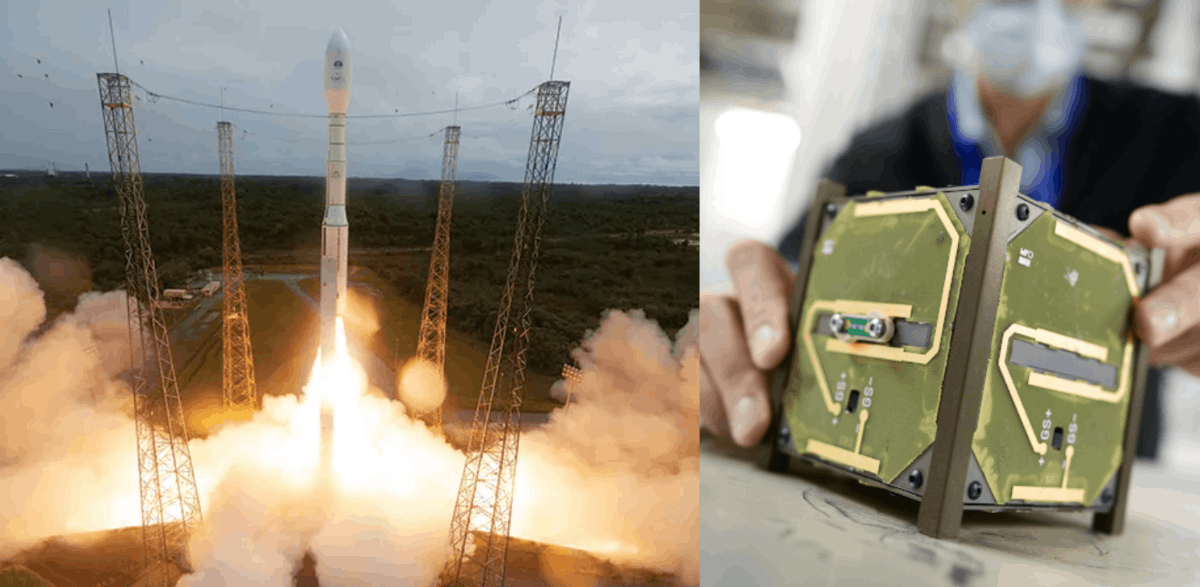
CERN tech in space: the first CERN-driven satellite has been successfully launched
CERN tech in space: the first CERN-driven satellite has been successfully launched With the launch of the CELESTA satellite for radiation monitoring in space, CERN shows its expertise in the field of radiation effects on electronics CELESTA, the first CERN-driven satellite, successfully entered orbit during the maiden flight of Europe’s Vega-C launch vehicle. Launched by
-
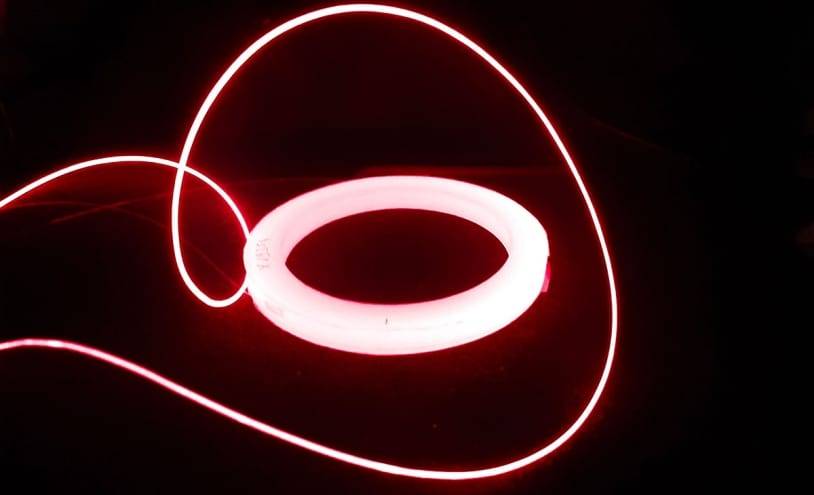
CERN-tested optical fibres now on the International Space Station
CERN-tested optical fibres now on the International Space Station | Astronaut Thomas Pesquet has activated Lumina, an optical fibre-based dosimetry experiment on board the International Space Station This article was originally published on home.cern. In a spacecraft, in order to protect both crew and electronics from radiation, it is mandatory to invest in effective radiation monitoring
-
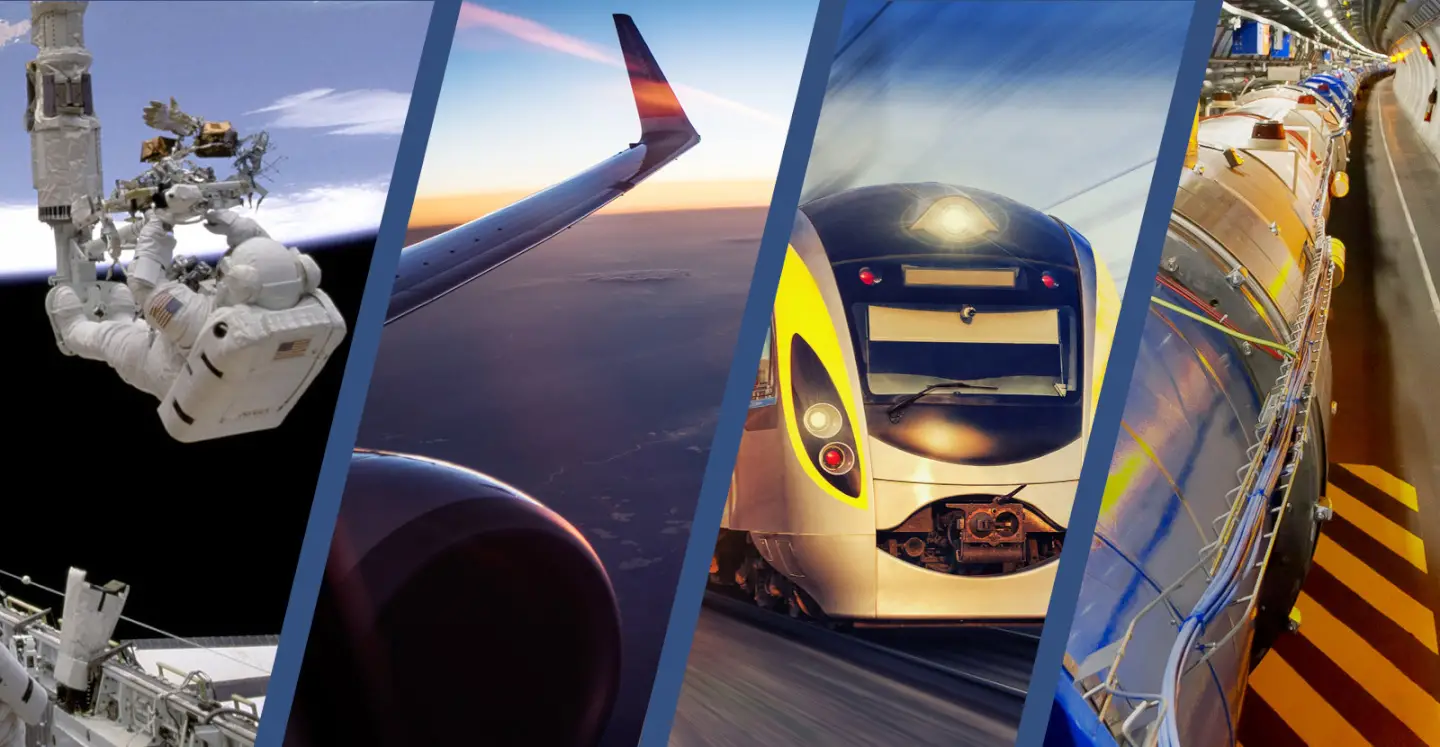
Sparking breakthroughs in radiation protection for spacecraft, aviation and accelerators
Sparking breakthroughs in radiation protection for spacecraft, aviation and accelerators | The CERN-coordinated and EU-funded RADSAGA project is coming to an end after four years of rewarding research into radiation protection for electronics With the proliferation of space missions around the globe and technological leaps allowing the development of ever more sophisticated components, there is
-
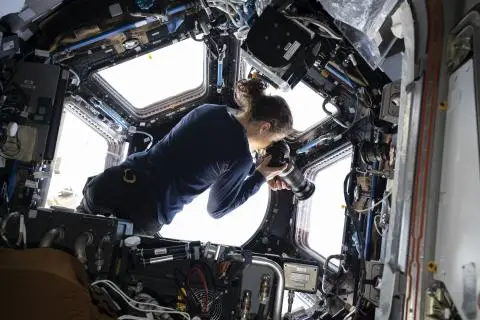
NASA, CERN Timepix Technology Advances Miniaturized Radiation Detection
NASA, CERN Timepix Technology Advances Miniaturized Radiation Detection | As we prepare to send the first woman and next man to the Moon and on to Mars, NASA, with support from the University of Houston, has been working to develop advanced radiation detectors to better protect astronauts and vital spacecraft systems during solar storms. The detectors are based
-
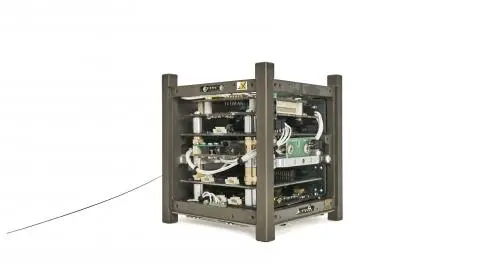
First full satellite tested in CERN’s CHARM facility
First full satellite tested in CERN’s CHARM facility | CHARM, a unique facility at CERN to test electronics in complex radiation environments, has now tested its first full space system: CELESTA (CERN Latchup and radmon Experiment STudent sAtellite). The micro-satellite was successfully tested and qualified in July under a range of radiation conditions that it