
Tag: Microelectronics
-
Medipix
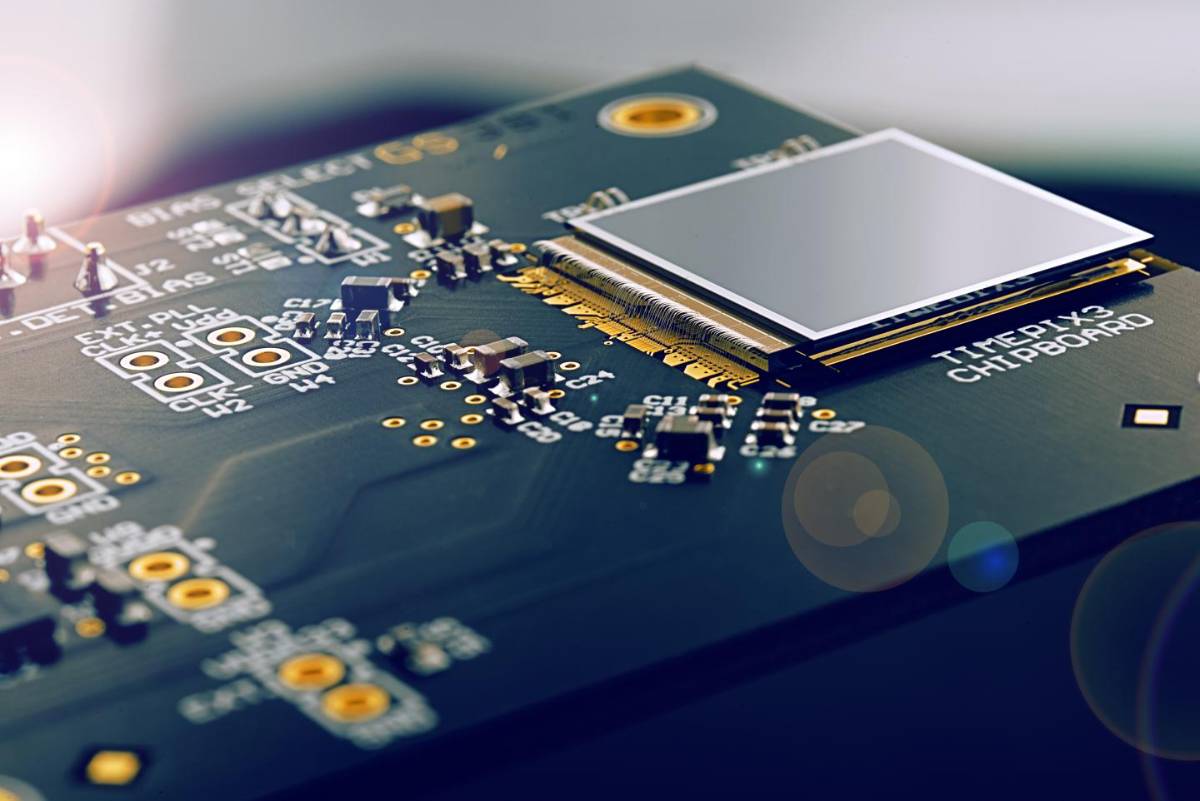
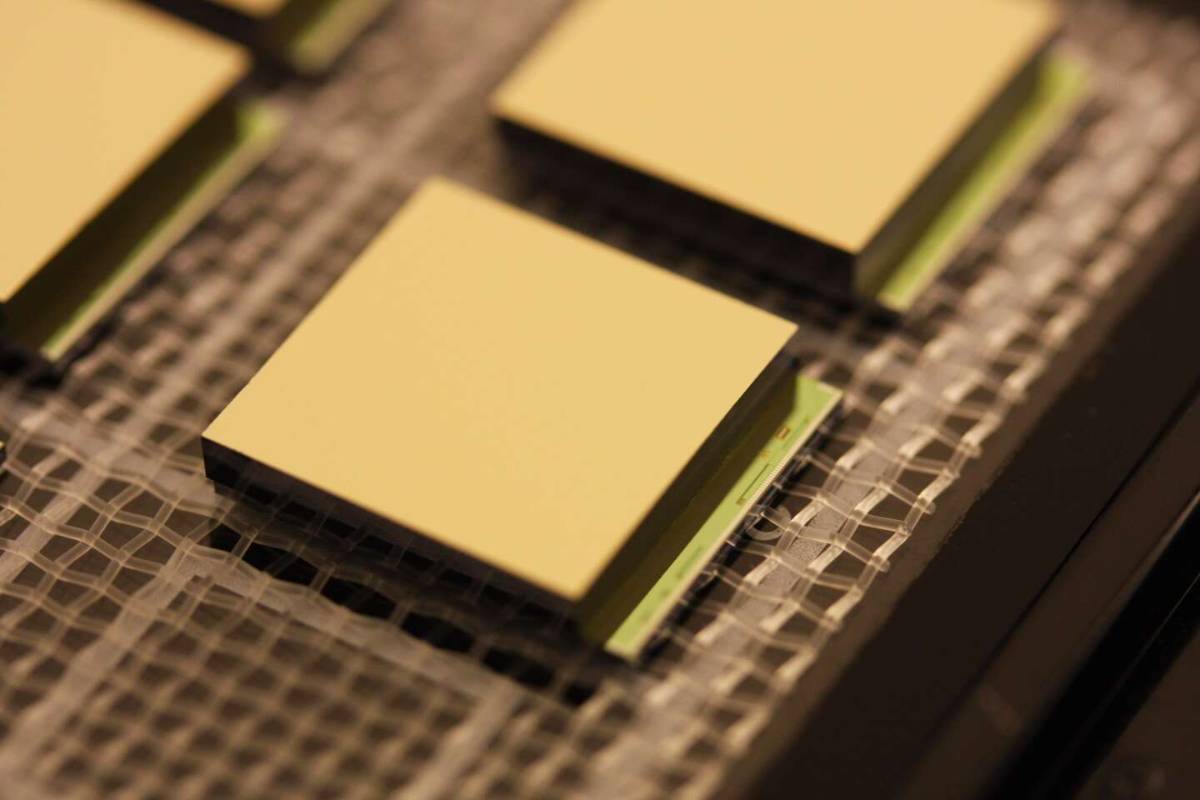
Medipix | Medipix3 is a CMOS pixel detector readout chip designed to be connected to a segmented semiconductor sensor. It acts as a camera taking images based on the number of particles which hit the pixels when the electronic shutter is open. However, Medipix3 also permits colour imaging and dead time free operation. A novel
-
Timepix
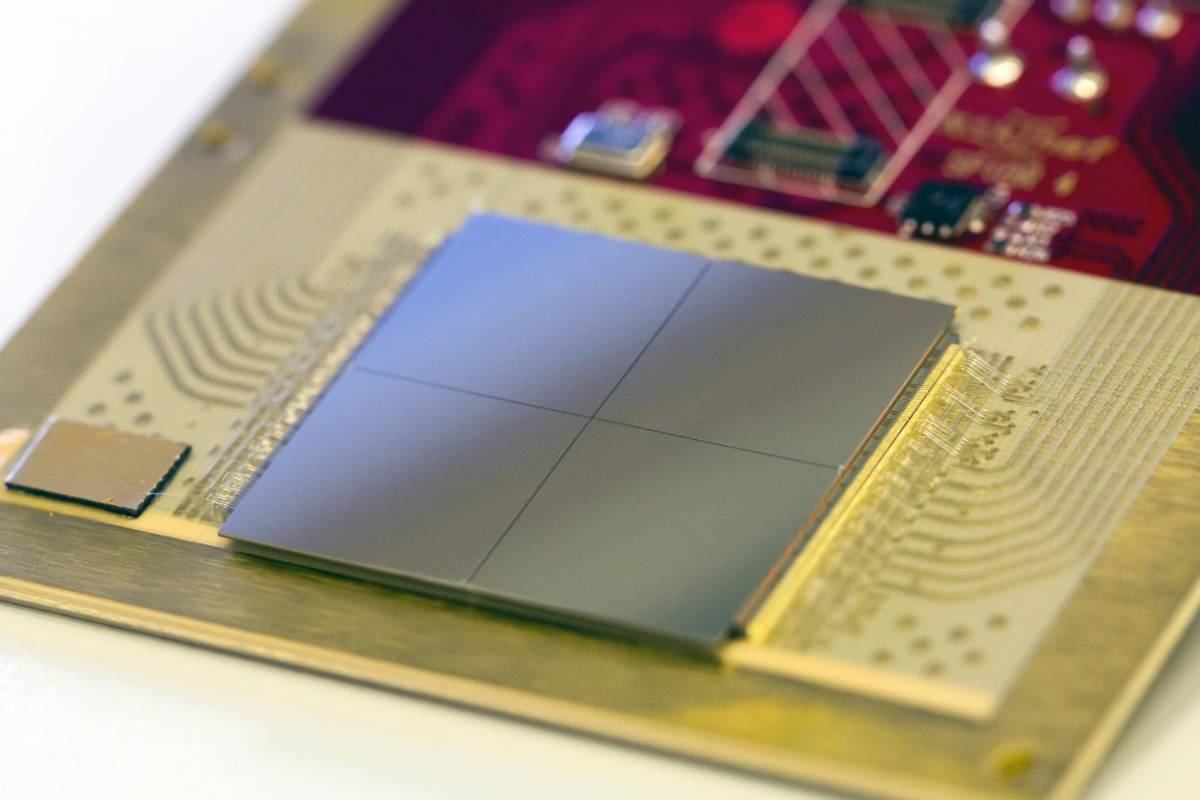
Timepix | The original Timepix ASIC is a silicon chip developed at CERN by the Medipix2 Collaboration. The chip is divided into a 256×256 grid of tiny pixels, each one containing thousands of transistors that allow it to detect and analyse radiation. Its successor, Timepix2, can be programmed to operate in one of several modes
-

Thermal Management in high-energy physics and space applications
Thermal Management in high-energy physics and space applications | High-energy physics and space applications have similar needs in terms of thermal management for electronic devides. This project aims to develop a miniaturised closed-loop micro-channel cooling device for microelectronics. The result will be efficient cooling devices for a variety of applications, able to handle the increased
-
Precise Timing ASICs for Medical Applications
Precise Timing ASICs for Medical Applications | Need: Fast-timing detectors are crucial in fields like PET and mass spectrometry, significantly improving precision and accuracy and leading to enhanced image quality and more precise analytical results invaluable in research and diagnostics. Goal: The FastIC and FastIC+ projects have focused on designing and characterising the ASICs. The
-
Potential and limitations of SPectroscopic X-RAY Imaging in Radiology and Medical Computed Tomography (SPECXRAY-IRMCT)
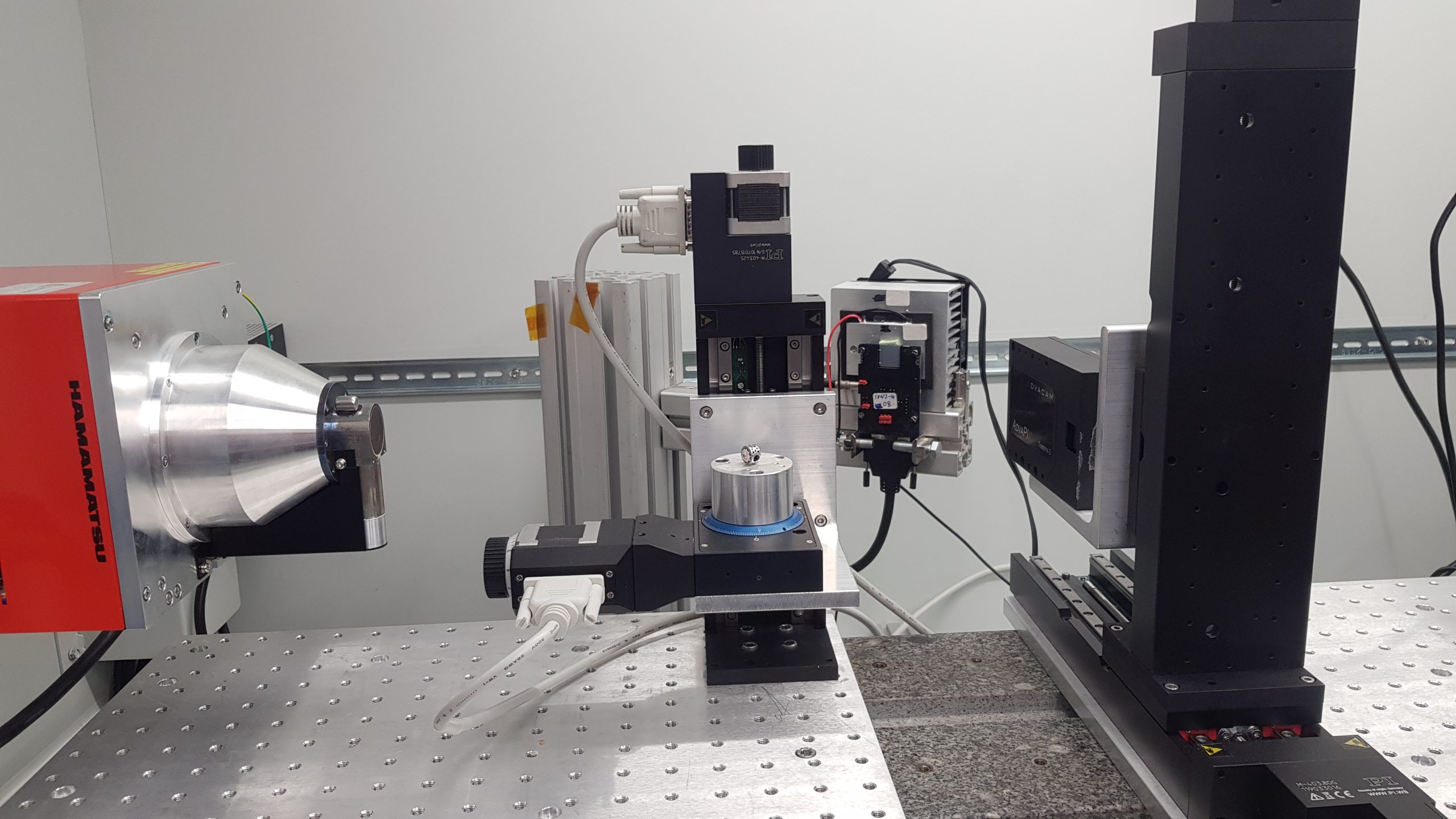
Potential and limitations of SPectroscopic X-RAY Imaging in Radiology and Medical Computed Tomography (SPECXRAY-IRMCT) | The main goal of the project is to use the extensive know-how on spectroscopic imaging on the ASIC point of view to better understand the behaviour of high –Z sensors. A PhD student will be hired to perform this study
-
ION fragmentation for CHIMERA
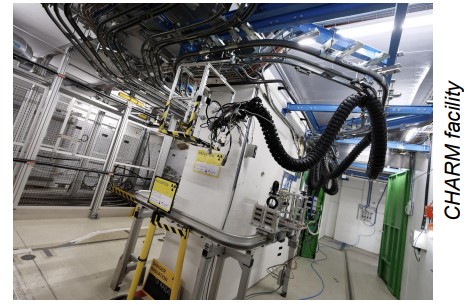
ION fragmentation for CHIMERA | This proposal addresses a quite specific but critical need, building up to the on-going efforts aiming to develop a unique irradiation testing facility at CERN for high-energy/deep penetration heavy ion characterization of electronics. The main related activities (upgrading CHARM facility to enable heavy ion test campaigns) are extensively covered by
-
GEMPix4
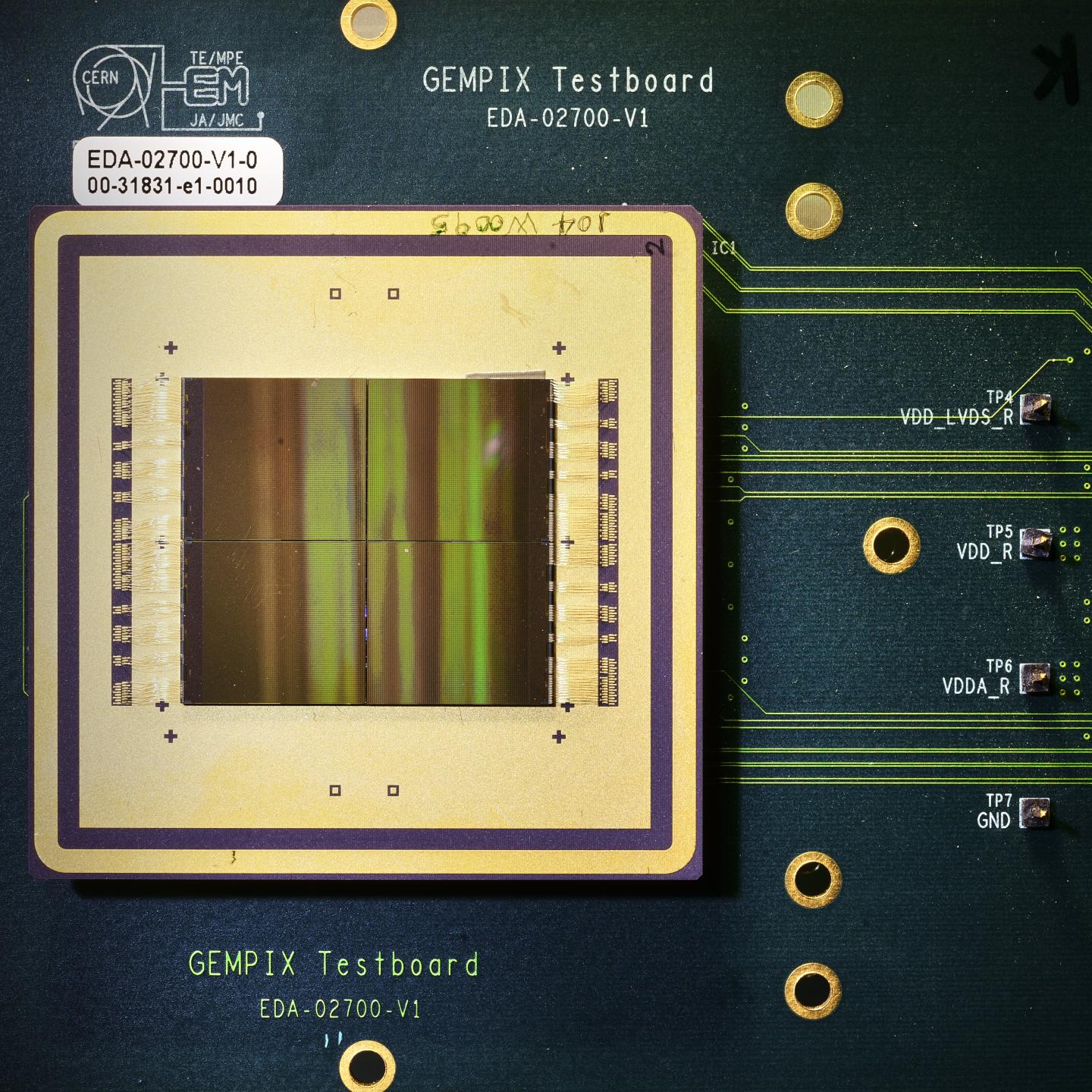
GEMPix4 | Develop an advanced detector for imaging and dosimetry in hadron and radio therapy by coupling GEM and Timepix4 technologies. The goal of the project is to set new standards in QA, beam characterization and even microdosimetry in hadron therapy; the detector will also work with photon beams used in conventional radiation therapy, and
-
FastIC Read-out chips for High-energy Physics and Medical Technologies
FastIC Read-out chips for High-energy Physics and Medical Technologies | The NINO ASIC (implemented in 250nm CMOS) is a chip for the read-out of fast radiation detectors (SiPMs, MCPs); it is widely used in high-energy physics and in other fields of science. This project aims to develop a design upgrade in a deeper sub-micron technology
-
Electro Optical Modulator
Electro Optical Modulator | The project proposes to further develop and test a compact digital acquisition system with high sampling rate. This DAQ (Data Acquisition) method when compared the state-of-the-art products is 10 times cheaper for similar performance specifications. The proof of concept already has been tested successfully at the CLEAR facility. The additional development
-
Development of TOF-PET modules toward 10ps time resolution
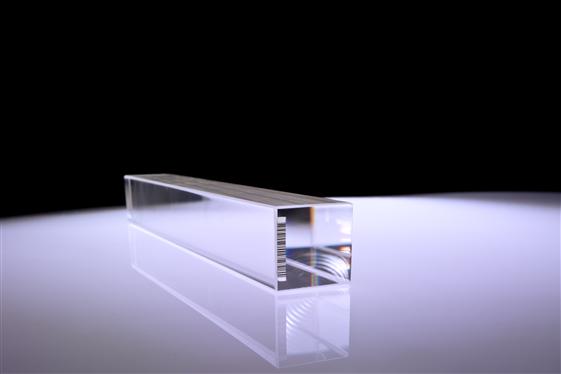
Development of TOF-PET modules toward 10ps time resolution | The project aims to develop detector modules with simultaneous high performance in terms of measuring the Depth of Interaction (DOI) of incoming gamma rays and the coincidence time resolution (CTR). This shall be achieved by further developing the concept of heterostructure scintillators. The researchers suggest combining
-
Development of large-area GEMPix detector for imaging and microdosimetry
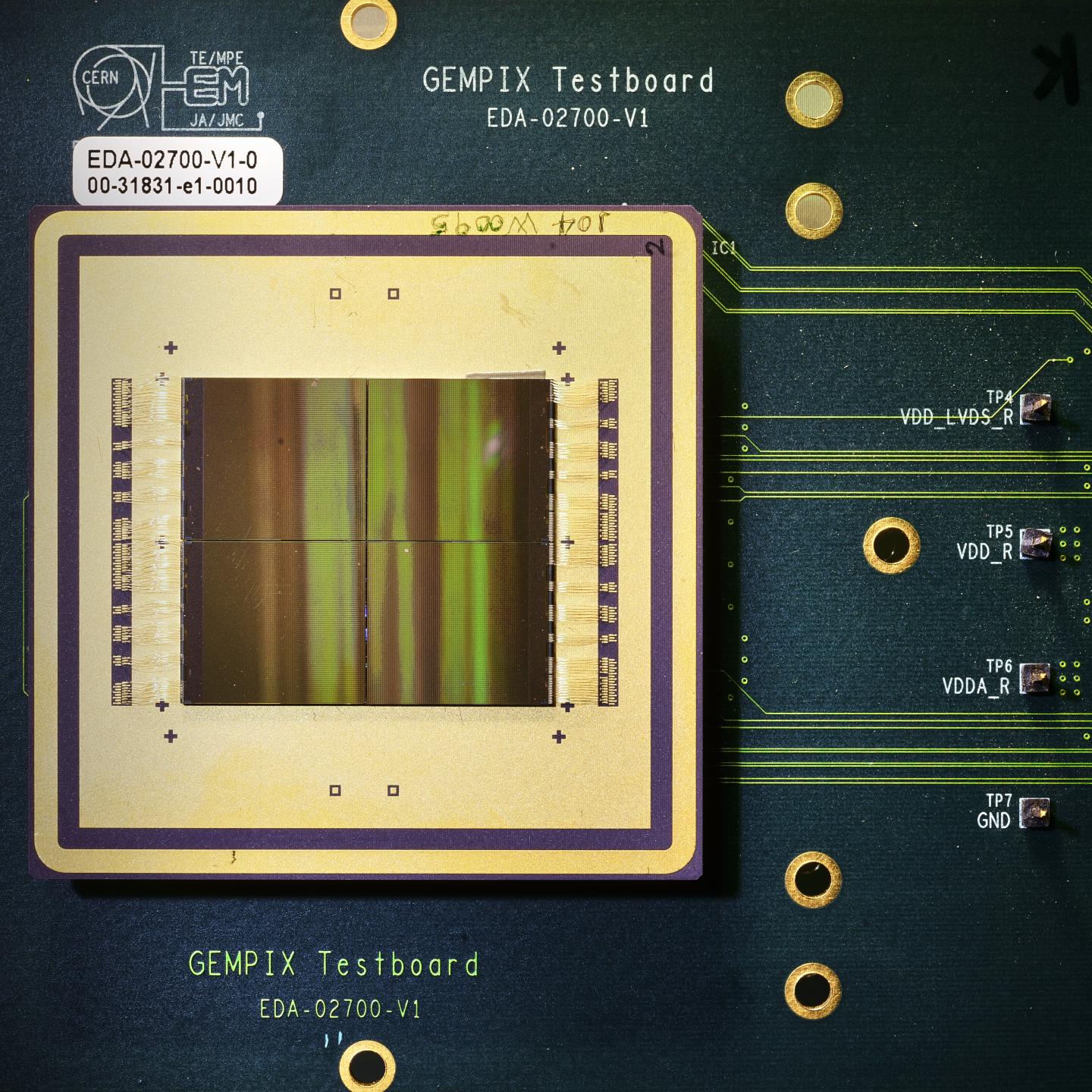
Development of large-area GEMPix detector for imaging and microdosimetry | The GEMPix is a novel detector developed in the course of the EU-funded Marie Curie project ARDENT (February 2012 – January 2016) coordinated by CERN. The detector was designed by coupling two CERN technologies, a small triple Gas Electron Multiplier (GEM) detector (3×3×1.2 cm3 active volume) to
-
Development of a non-destructive beam monitor based on Timepix3 for particle therapy (BGI)
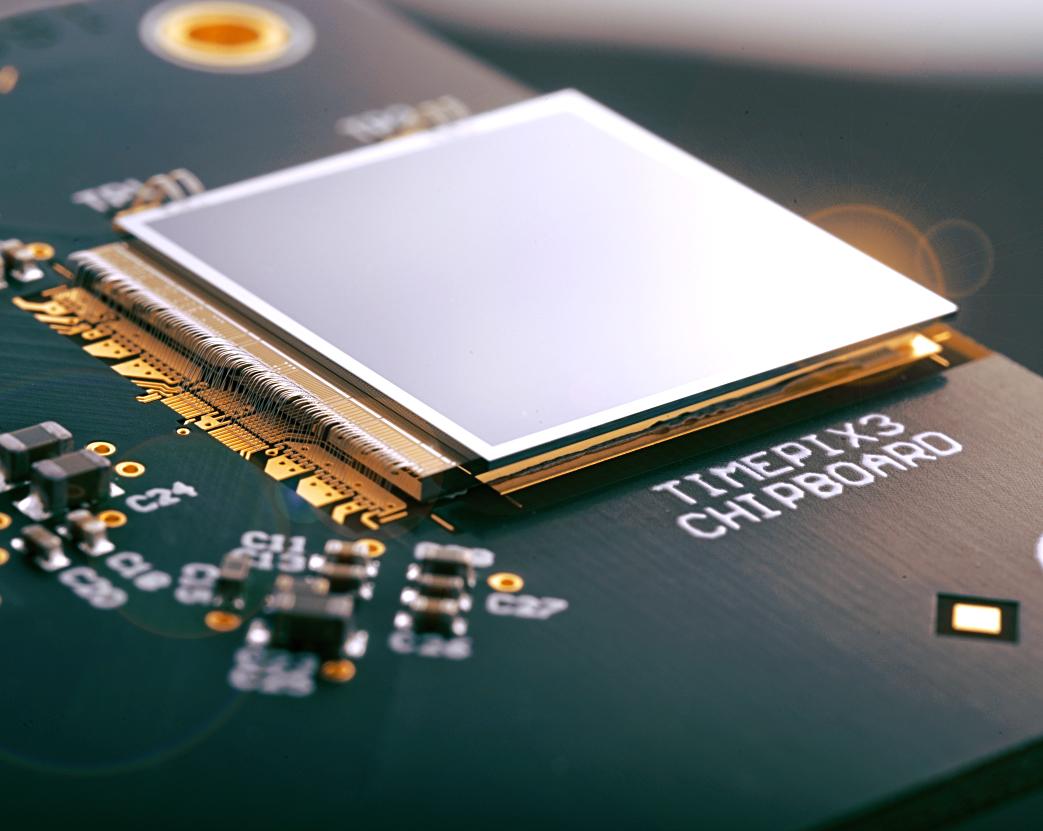
Development of a non-destructive beam monitor based on Timepix3 for particle therapy (BGI) | Beam instrumentation at a particle therapy facility is vital to ensure optimal dose delivery to the patient. An ideal beam monitor would operate continuously during the beam delivery, being completely transparent to the beam and sample beam parameters with sufficient frequency
-

Compact and low-cost light simulator for indoor photovoltaic cells development (ALPHA)
Compact and low-cost light simulator for indoor photovoltaic cells development (ALPHA) | The project integrates CERN’s ACCURATE ultra-low current measurement ASIC into Lightricity’s Lightbox, a portable indoor light simulator for testing PV-powered devices. This upgrade replaces the need for bulky, expensive source meters, enabling compact and low-cost performance evaluation of energy-harvesting components and IoT devices
-
Characterisation of the Timepix4 for measurements in hospital theatres.
Characterisation of the Timepix4 for measurements in hospital theatres. | Builds on the work jointly done by CERN and at the Lausanne University Hospital (CHUV) in a previous MA-funded project, which used the photon counting Timepix3 detector as a tool for radiation field characterisation. The goal of this new project is to use Timepix4 to
-
A non-destructive laser application for quality control & radiation studies in semiconductor devices
A non-destructive laser application for quality control & radiation studies in semiconductor devices | The project aims to develop a method and platform to extract doping and electric field profiles within semiconductor devices by non-destructive femtosecond laser induced Two-Photon Absorption. Several fields could benefit from this development, amongst them Quality Control & Assurance of semiconductor devices, E-Field and
-
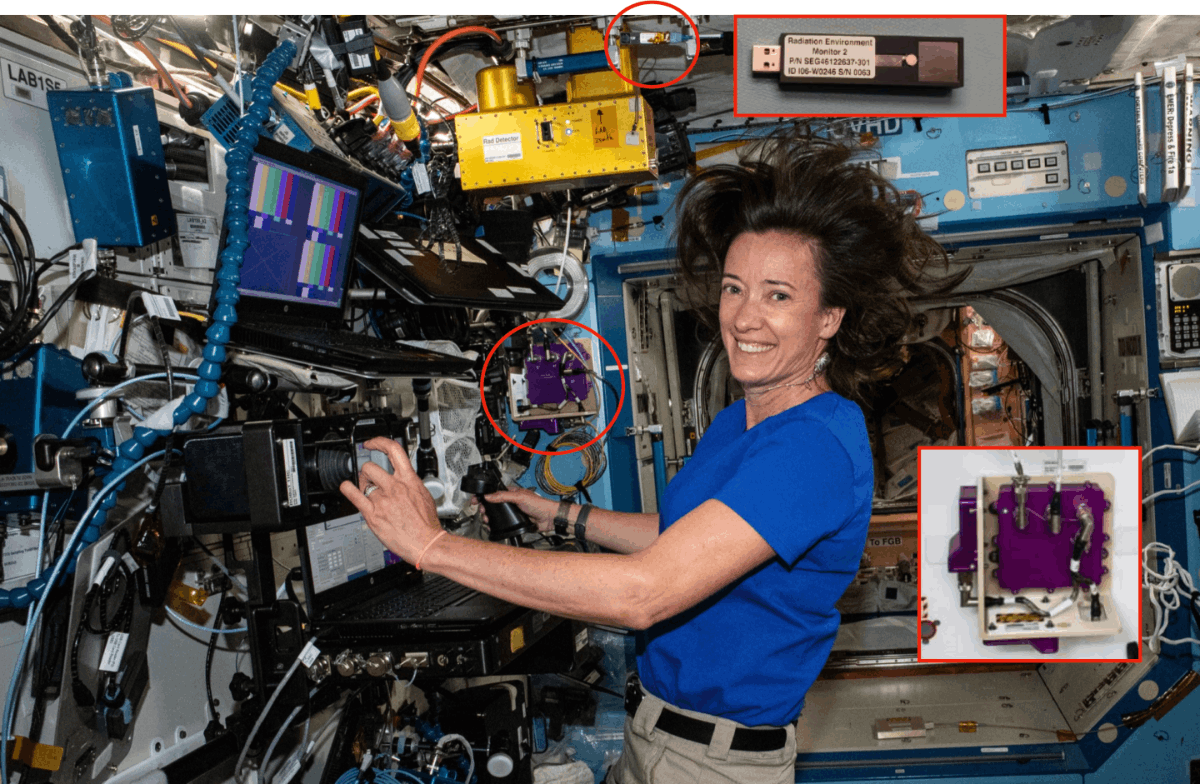
Timepix in space since 2012
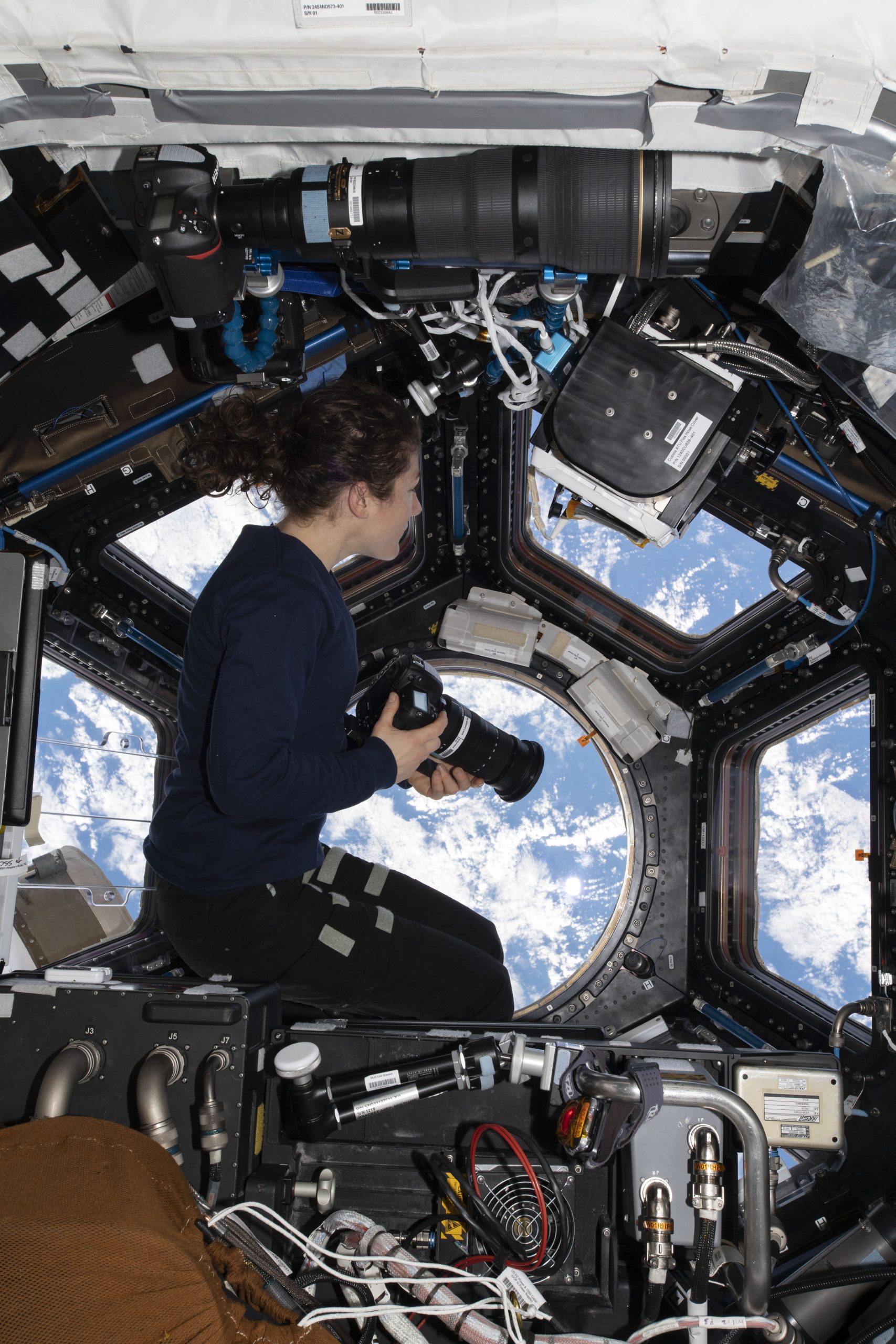
Timepix in space since 2012 | The reference detector for astronaut dosimetry and low-energy cosmic rays The new phase of human space exploration is coming. From the International Space Station to NASA’s Orion spacecraft, Timepix has been part of several human spaceflight missions. Highly sensitive, capable of high spatial resolution and noiseless detection, Timepix is the CERN
-
A readout ASIC for fast detectors with Time-to-To Digital conversion
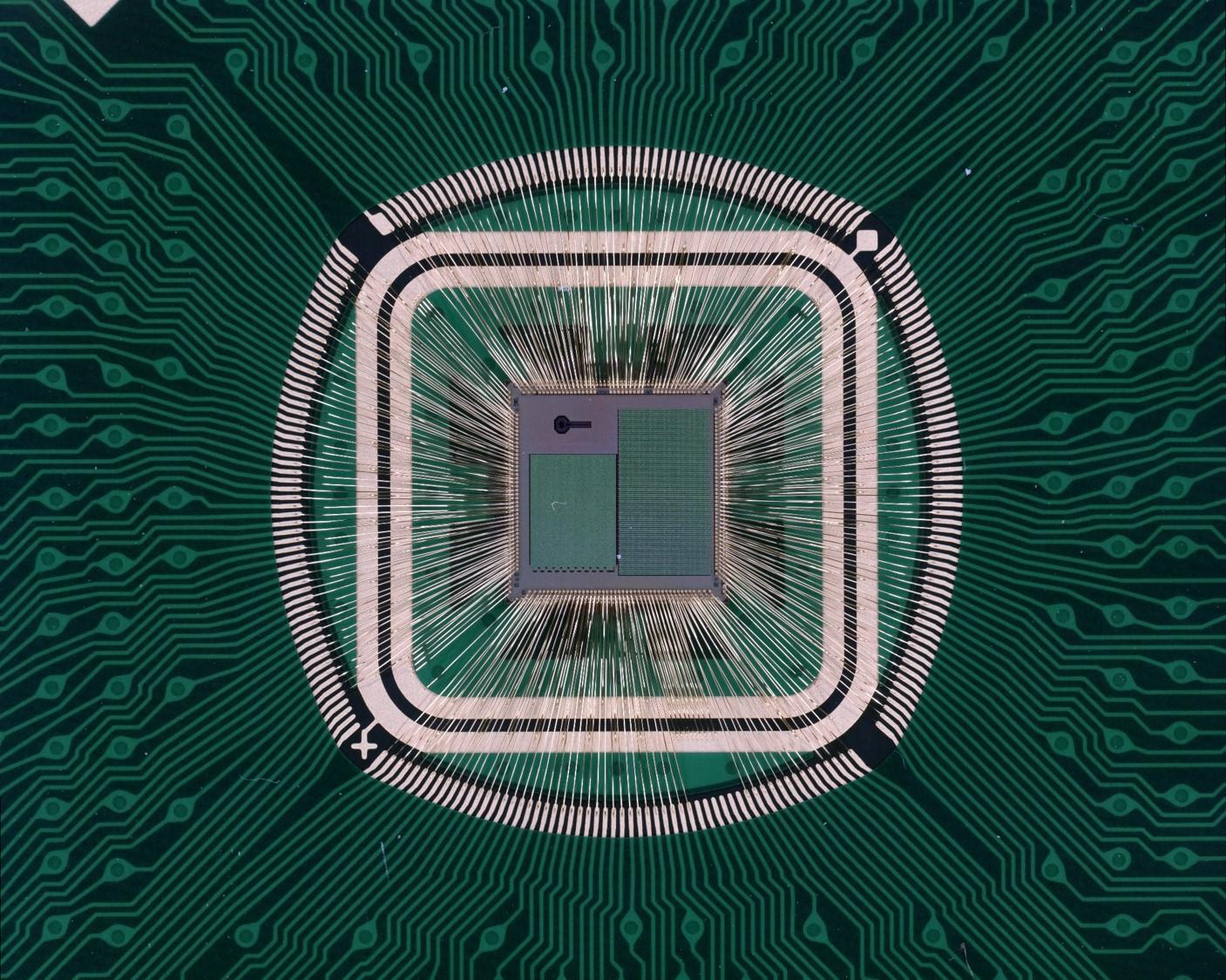
A readout ASIC for fast detectors with Time-to-To Digital conversion | This project seeks to develop a multichannel readout ASIC with each channel incorporating a fast front-end and timestamping (using a Time to Digital converter or TDC) with a time bin of 20 ps. It builds on experience already gained with the FastIC, an 8
-
White Rabbit
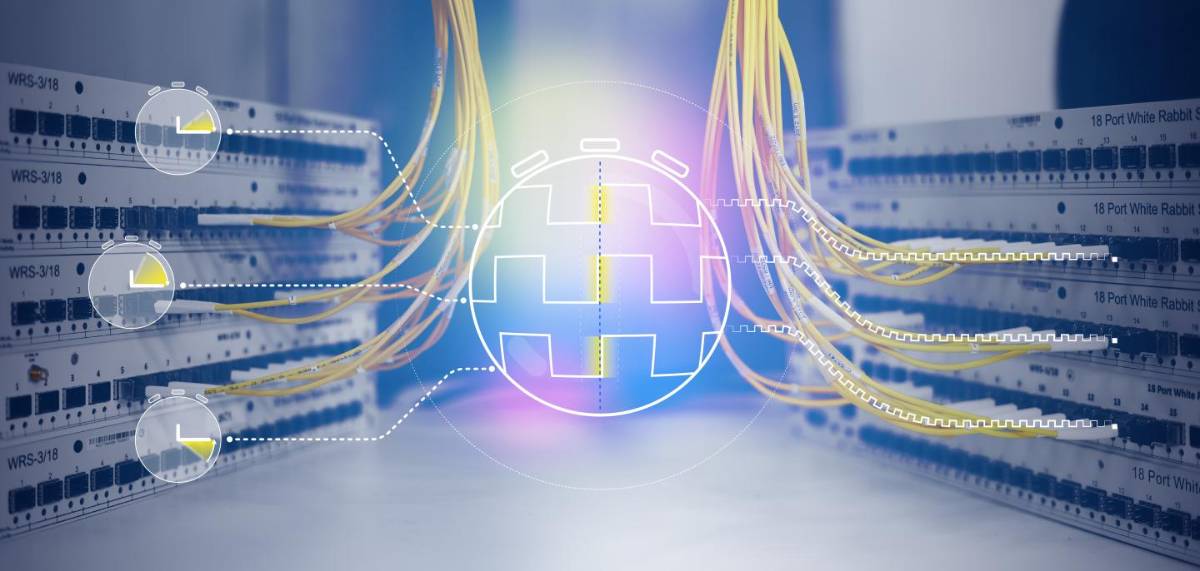
White Rabbit | White Rabbit provides sub-nanosecond accuracy and picoseconds precision of synchronization for large distributed systems. It also allows for deterministic and reliable data delivery. White Rabbit allows you to precision time-tag measured data and lets you trigger data taking in large installations while at the same time using the same network to transmit
-
Thin film coatings
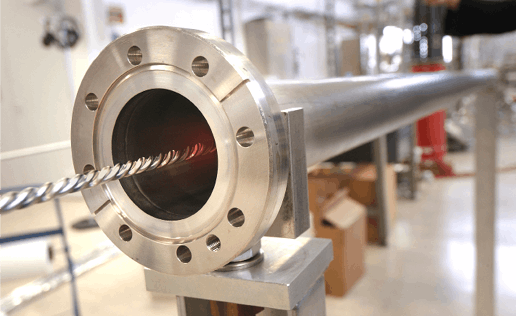
Thin film coatings | Thin film coatings for ultra-high vacuums CERN experts have significant expertise across a range of thin film coating techniques for producing High & Ultra-High Vacuum, particularly Non-Evaporable Getter (NEG) thin film coatings. NEG coatings are produced by sputtering an alloy of several selected metals onto a vacuum chamber wall. When activated
-
PicoTDC
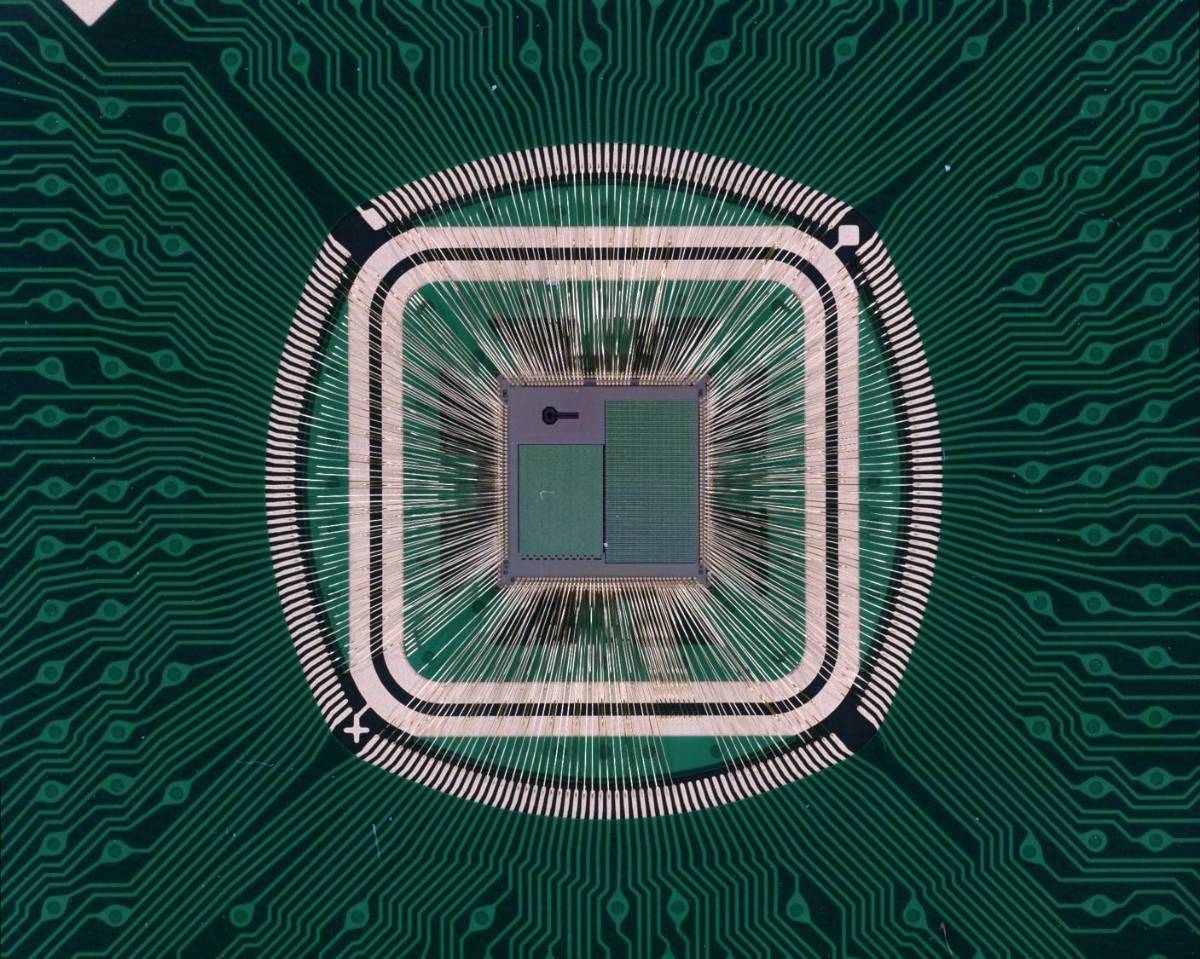
PicoTDC | The PicoTDC is a specially developed 64 channel Time to Digital Converter (TDC) ASIC in 65nm CMOS for use in High Energy Physics (HEP) experiments and similar scientific applications where high rate, very high time resolution single shot time measurements are required on a large number of channels. It is a succesor to
-
Micro Chemical Vias
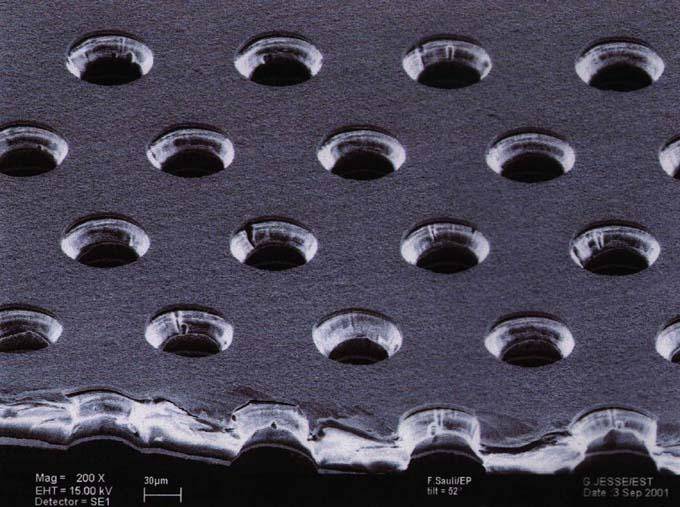
Micro Chemical Vias | Previous methods to produce microvias are based on complex technologies such as laser, plasma or photo imaging. Chemical Via is a new chemical method to make microvias for high density printed multilayer circuits. Microvias are used to interconnect adjacent layers and consist of a small diameter hole (usually 70µm) with a
-
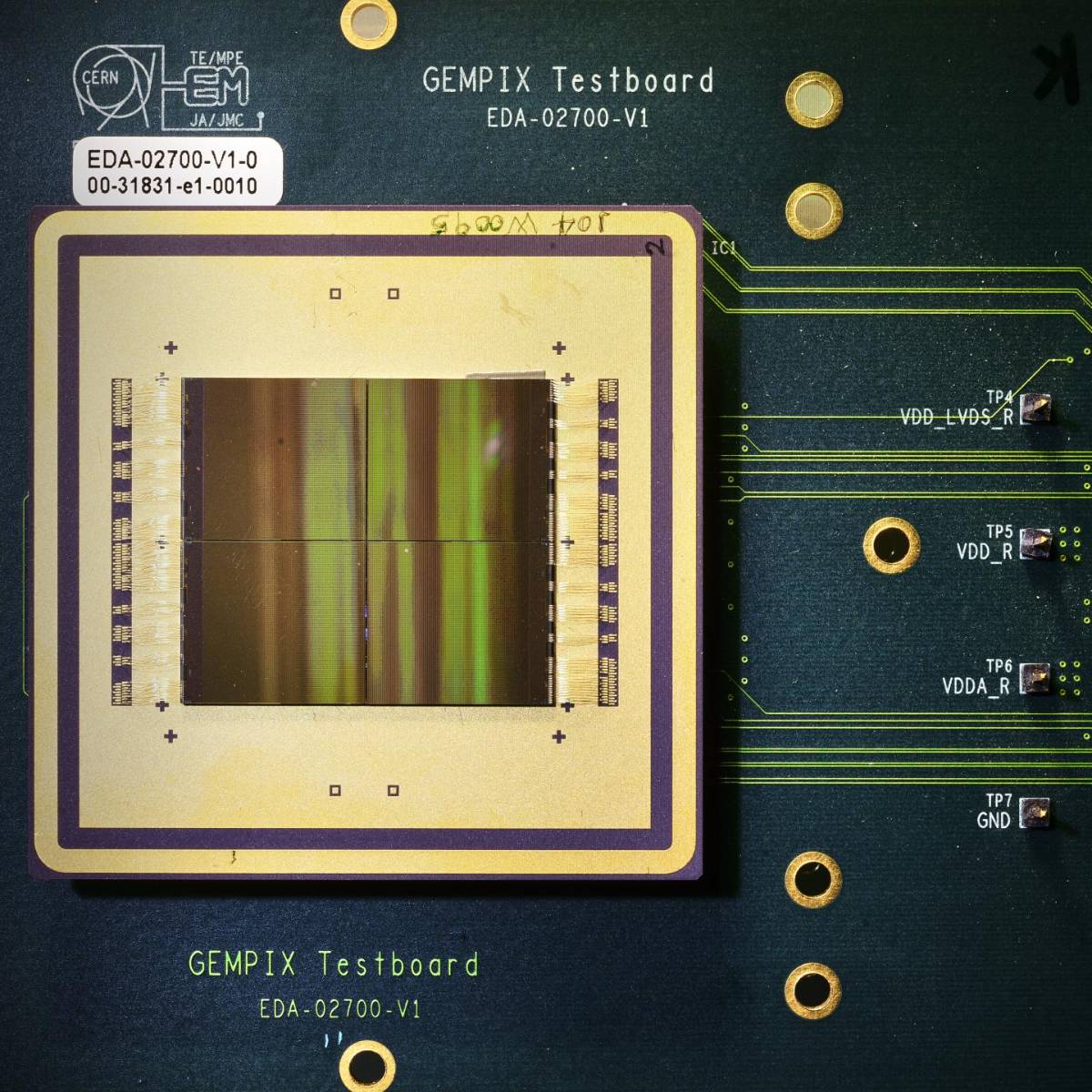
GEMPix
GEMPix | In 2016, CERN started investigating the use of GEMPix to measure the 3D energy deposition of a therapeutic ion beam in a water phantom, for medical imaging purposes. The GEMPix was developed by a CERN/INFN collaboration in the framework of the ARDENT Marie Curie project (2012-2016). The GEMPix detector combines existing CERN-developed technologies –
-
DC-DC converter
DC-DC converter | A radiation and magnetic field tolerant DC-DC Point-Of-Load (POL), which enables distribution at higher voltage, with local on-detector conversion to the voltage required by the electronics, considerably decreasing the current in the cables. As main features, FEAST 2 presents bandgap, handling of dead time with adaptive logic, protection Over-Current (OVO) and Over-Temperature
-
Optoelectronics and Microelectronics
Optoelectronics and Microelectronics | CERN’s unique know-how derived from years of designing, testing and installing microelectronics exposed to harsh environments. CERN’s Know-How Facts & Figures Key Competencies Radhard electronics To withstand the level of radiation present in the collision points, unique expertise designing and integrating high performance and extreme radiation tolerant ASICs has been built.
-
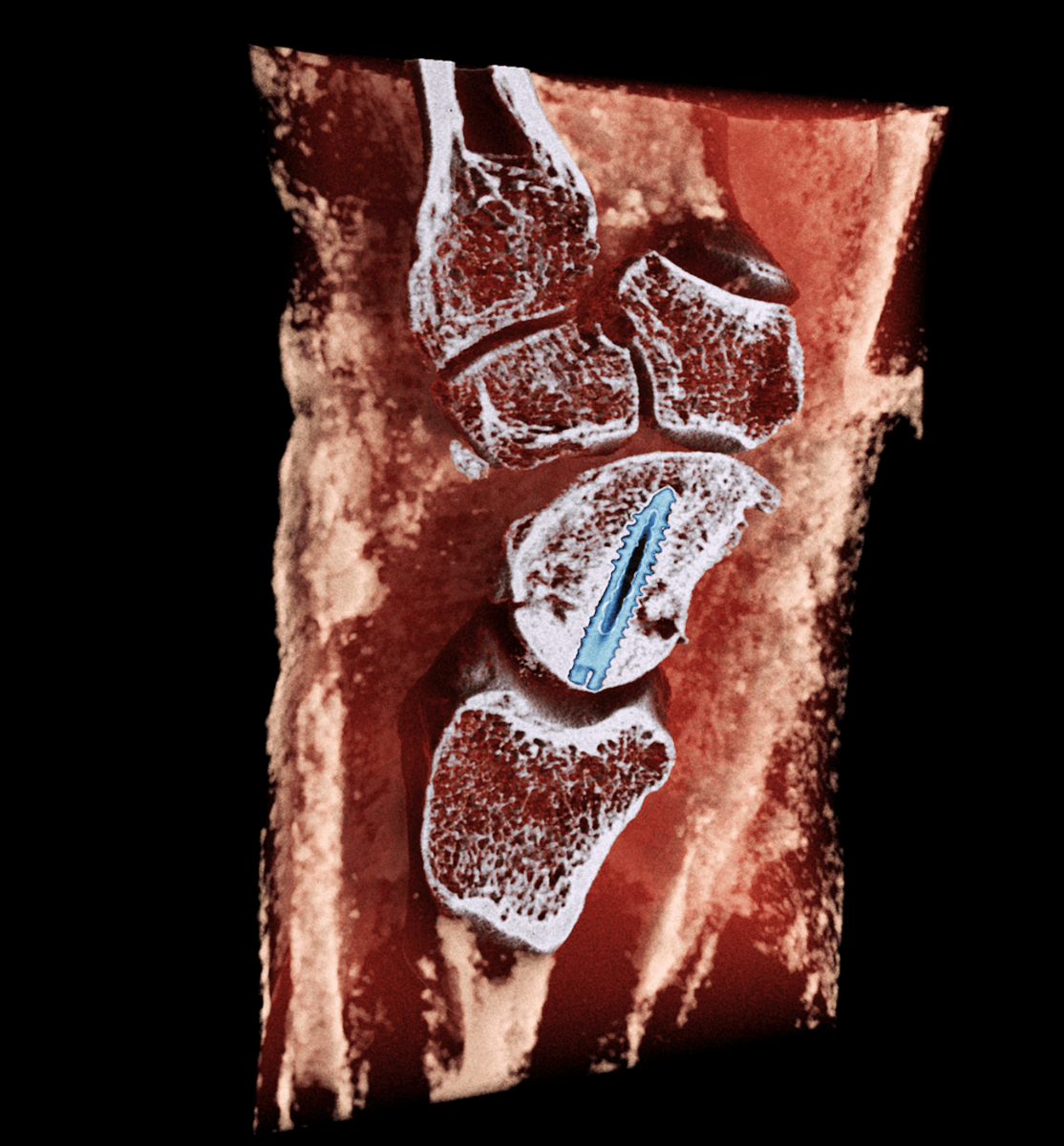
MARS Bioimaging partners with the Hospital for Special Surgery (HSS)
MARS Bioimaging partners with the Hospital for Special Surgery (HSS) The partnership will assess particular aspects of the MARS 5×120 Extremity scanner. Hospital for Special Surgery (HSS), the world’s leading academic medical center specialized in musculoskeletal health, and New Zealand-based medical device and technology company MARS Bioimaging Limited (MARS) today announced a new collaborative relationship
-

Colliding particles not cars: CERN’s machine learning could help self-driving cars
Colliding particles not cars: CERN’s machine learning could help self-driving cars | CERN and software company Zenseact wrap up a joint research project that could allow autonomous-driving cars to make faster decisions, thus helping avoid accidents In the future, autonomous or self-driving cars are expected to considerably reduce the number of road accident fatalities. Advancing
-
Outreach award for initiative to teach high-school physics with CERN detectors in Spain
Outreach award for initiative to teach high-school physics with CERN detectors in Spain | Since their inception at CERN in the framework of the Medipix collaborations, the Medipix and Timepix families of chips have proved their worth in various technical and scientific fields, from medical imaging to astrophysics – Timepix chips are flying on the Artemis
-
Timepix: from CERN’s galleries to the Moon
Timepix: from CERN to the Moon | The renowned Timepix detector celebrates its 10-year anniversary on the International Space Station by flying to the Moon: the chip features in NASA’s future lunar programme In July 1969, just a few days after the first Moon landing, CERN’s then Director-General, Bernard Gregory, sent the following message to
-
Spectroscopic X-ray imaging now certified for medical use
Spectroscopic X-ray imaging now certified for medical use The CERN Workshops on Medical Applications of Spectroscopic X-ray Detectors have been instrumental in advancing spectroscopic X-ray imaging and bringing it from the lab to the clinic The sixth Workshop on Medical Applications of Spectroscopic X-ray Detectors is currently taking place at CERN. Launched in 2011 and
-
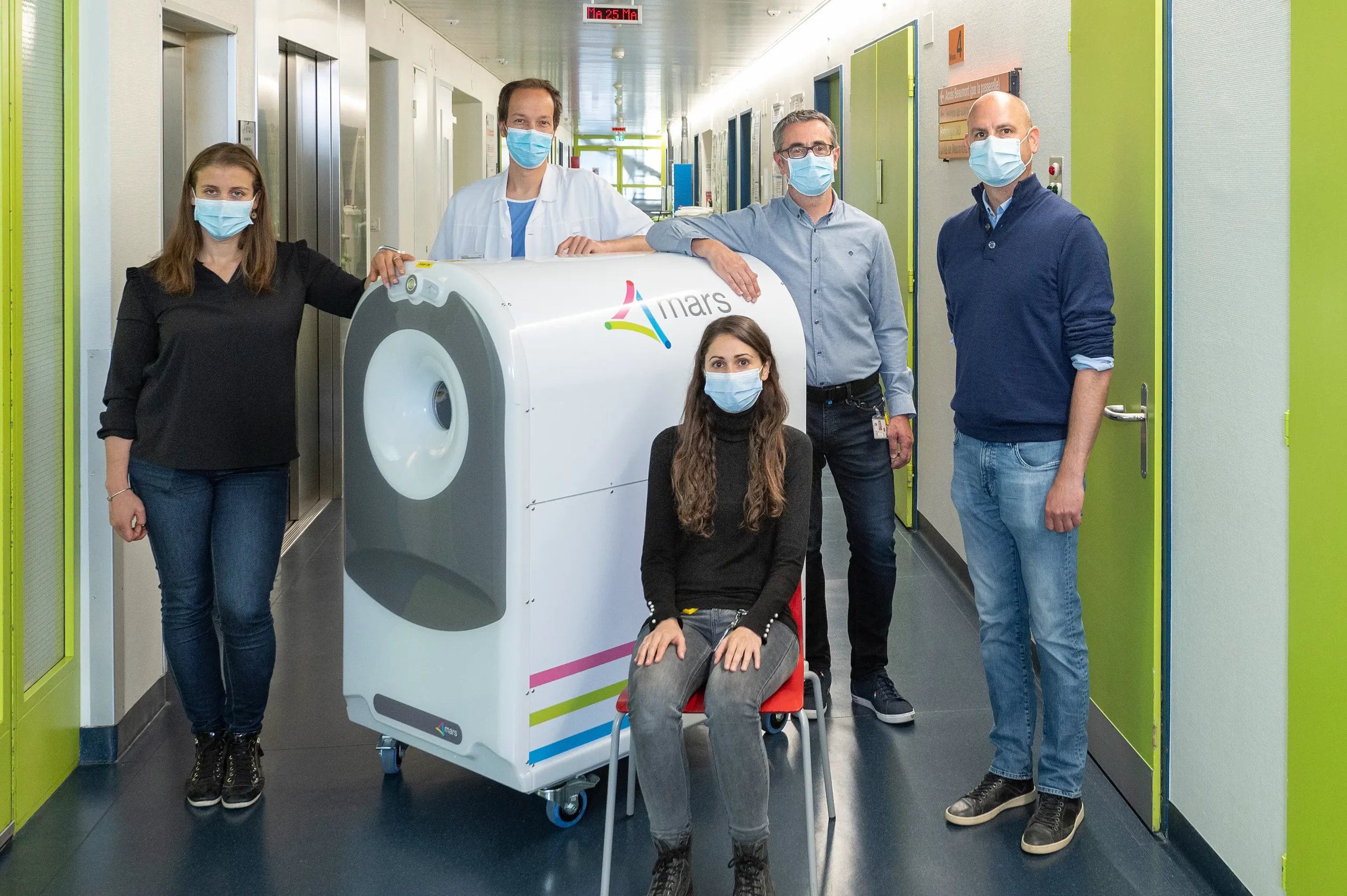
First European hospital receives 3D colour X-ray scanner using CERN technology
First European hospital receives 3D colour X-ray scanner using CERN technology | MARS Bioimaging’s 3D colour X-ray scanner has arrived in Europe to undertake clinical trials that will lead to its medical use. After years of development in New Zealand, MARS Bioimaging’s 3D colour X-ray scanner has arrived in Europe, at Lausanne University Hospital (CHUV) in Switzerland.
-

Sparking breakthroughs in radiation protection for spacecraft, aviation and accelerators
Sparking breakthroughs in radiation protection for spacecraft, aviation and accelerators | The CERN-coordinated and EU-funded RADSAGA project is coming to an end after four years of rewarding research into radiation protection for electronics With the proliferation of space missions around the globe and technological leaps allowing the development of ever more sophisticated components, there is
-
Timepix-based detectors bring particle physics in the classroom
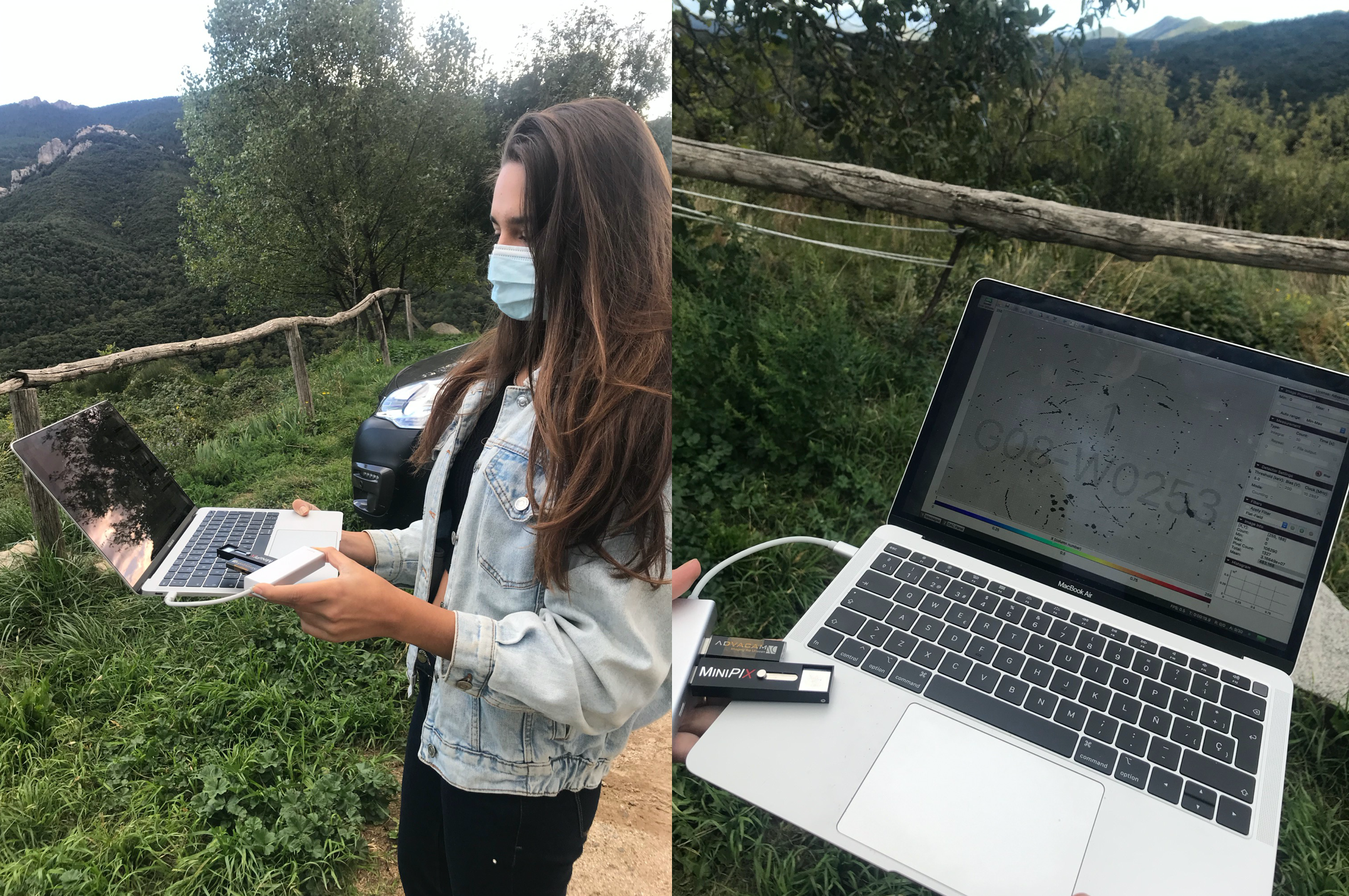
Timepix-based detectors bring particle physics in the classroom | The ADMIRA project uses Timepix-based detectors to help students experiment with particle physics and contributes to transforming STEM education. Combustion, diffraction, magnetism… Many natural phenomena can be observed, experimented with and studied at school. Some have traditionally been difficult to demonstrate and have had to rely
-
New 3D colour X-rays made possible with CERN technology
New 3D colour X-rays made possible with CERN technology | Stunning new images pave the way for large-scale human trials, two years on from the first ever 3D colour human X-ray using CERN Medipix3 technology Two years after the first ever 3D colour X-ray of a living human, MARS Bioimaging has released stunning new images made using a world-first
-
CERN technology helps rediscover lost painting by Raphael
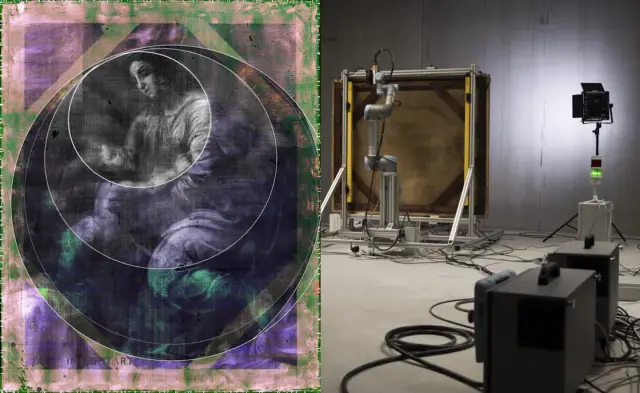
CERN technology helps rediscover lost painting by Raphael | CERN’s Timepix particle detectors, developed by the Medipix2 Collaboration, help unravel the secret of a long-lost painting by the great Renaissance master, Raphael On 5 November, the company behind this achievement, Czech startup InsightART, and its innovative scanner won the ArtTech Prize 2020. This reward serves as
-
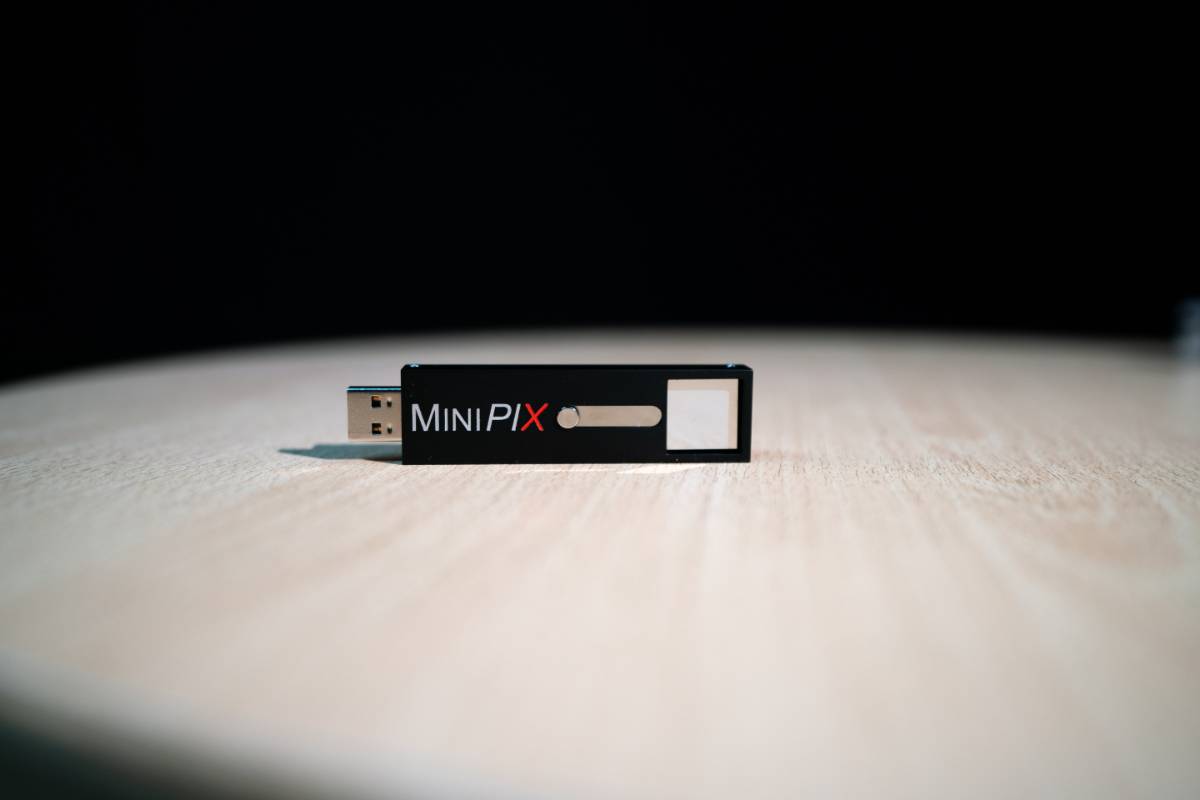
NASA, CERN Timepix Technology Advances Miniaturized Radiation Detection
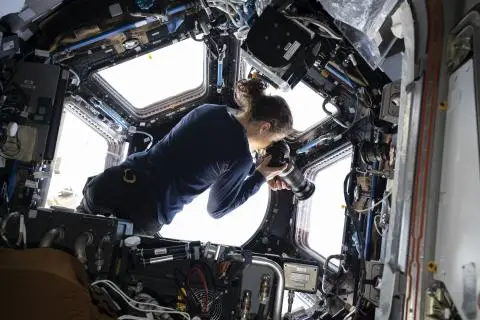
NASA, CERN Timepix Technology Advances Miniaturized Radiation Detection | As we prepare to send the first woman and next man to the Moon and on to Mars, NASA, with support from the University of Houston, has been working to develop advanced radiation detectors to better protect astronauts and vital spacecraft systems during solar storms. The detectors are based
-
First 3D colour X-ray of a human using CERN technology
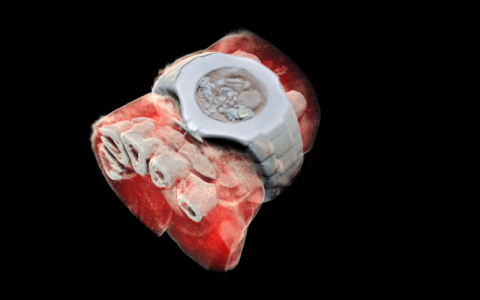
First 3D colour X-ray of a human using CERN technology | What if, instead of a black and white X-ray picture, a doctor of a cancer patient had access to colour images identifying the tissues being scanned? This colour X-ray imaging technique could produce clearer and more accurate pictures and help doctors give their patients
-

Particle detectors meet canvas
Particle detectors meet canvas | Artworks are part of our cultural and historical heritage. Yet, according to the Fine Arts Expert Institute, nearly half of the artworks circulating on the market are fakes. So how can you tell if a Rembrandt painting is really a Rembrandt and if a Monet is really a Monet? Moreover,