
Tag: Information & Communication Technology (ICT)
-

HighLO
HighLO | What is HighLO?Project High Energy Physics Tools in Limit Order Book Analysis (HighLO) applies particle physics methods and tools to financial market data. GoalsWe aim to identify malicious trading behaviour such as market manipulation, to better protect markets. For societyOur research enables governments, regulators, exchanges and market participants to better understand what happens when
-
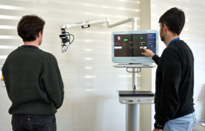
Use of MARCHESE technology in hospital setting
Use of MARCHESE technology in a hospital setting | Need Remote patient monitoring (RPM) is an increasing relevant topic in healthcare: an efficient and reliable RPM system would allow to reduce deaths (by providing timely alerts), costs, burden on the medical staff, cross-infection . The MARCHESE technology, if successful, would blend contactless monitoring with robotics and
-

Quantum Artificial Intelligence for Earth Observation (QuAI4EO)
Quantum Artificial Intelligence for Earth Observation (QuAI4EO) | Quantum Artificial Intelligence for Earth Observation (QuAI4EO) is a collaboration between the European Space Agency (ESA) and CERN, involving two PhD students between 2021 and 2025. The goal was to study the use of quantum machine learning (QML) algorithms in image analysis, with particular focus on Earth
-
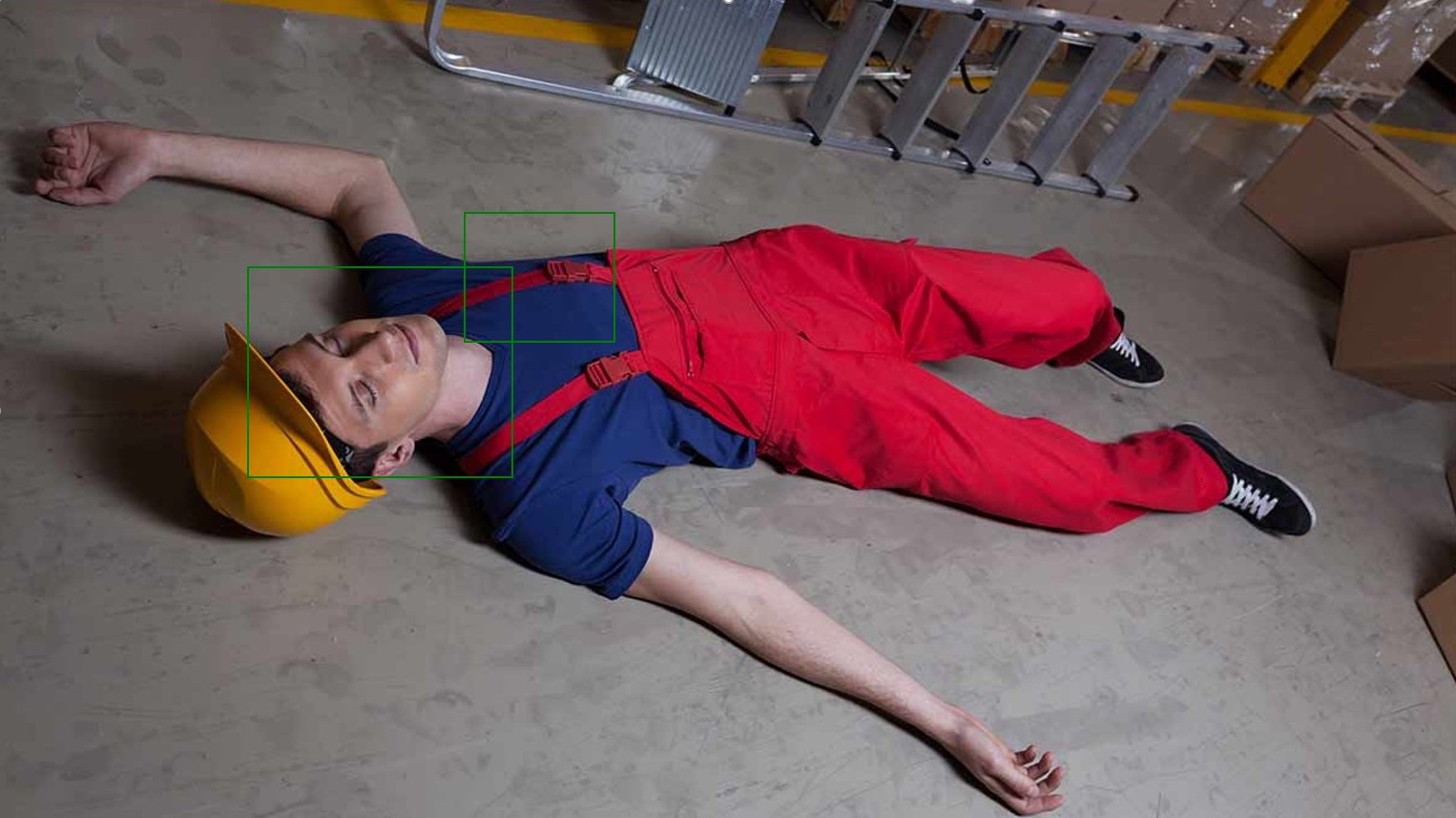
MARCHESE – Machine leArning based human ReCognition and HEalth monitoring SystEm
MARCHESE – Machine leArning based human ReCognition and HEalth monitoring SystEm | MARCHESE (Machine leArning based human ReCognition and HEalth monitoring SystEm) will develop an inexpensive, lightweight and portable device to recognise human beings and monitor at a distance health parameters (such as temperature and respiration rate). The system will use artificial intelligence technologies to detect persons and
-
Invenio RDM: An open-source research data management platform
Invenio RDM: An open-source research data management platform | This project aims to build an open-source turn-key research data management (RDM) platform based on already existing and successful technologies like Zenodo and Invenio v3. The project leaders have partnered up with a committed community of cross-domain research institutions and private companies in order to grow
-
Industrial-grade Software for Energy Optimization of Cooling and Ventilation Plants
Industrial-grade Software for Energy Optimisation of Cooling and Ventilation Plants | The goal of this project is to develop an “Industrial-grade Software for Energy Optimization of Cooling and Ventilation Plants,” based on novel algorithms developed in EN-CV. Specifically tailored to seamlessly retrofit into existing HVAC control systems, the control systems optimization software aims to dynamically
-
Environmental Modelling and Prediction Platform (EMP2)
Environmental Modelling and Prediction Platform (EMP2) | The EMP2 project set out to create a machine-learning based model that could be used to, for example, make predictions about the weather or track atmospheric dynamics. This model was named AtmoRep. AtmoRep can be adapted to several uses, including short-term weather forecasting, downscaling, bias corrections, spatio-temporal interpolations and
-
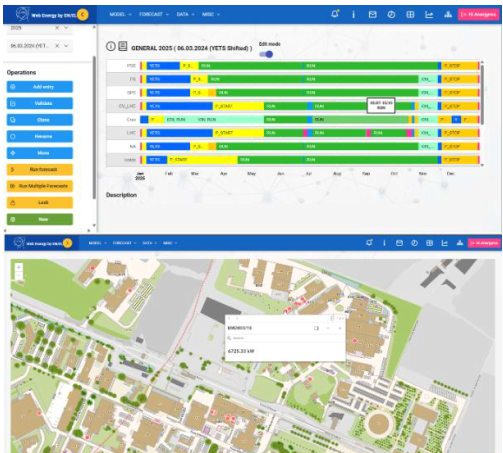
Energy, water and gas monitoring and forecasting platform (Web Energy)
Energy, water and gas monitoring and forecasting platform (Web Energy) | WebEnergy is a software tool that allows users to monitor and forecast the energy consumption of CERN equipment. It has been operating at CERN since 2012 and has seen many developments since. Financing from CERN Knowledge Transfer went towards readying the software for use
-
Development of the FLUKA code for hadron therapy
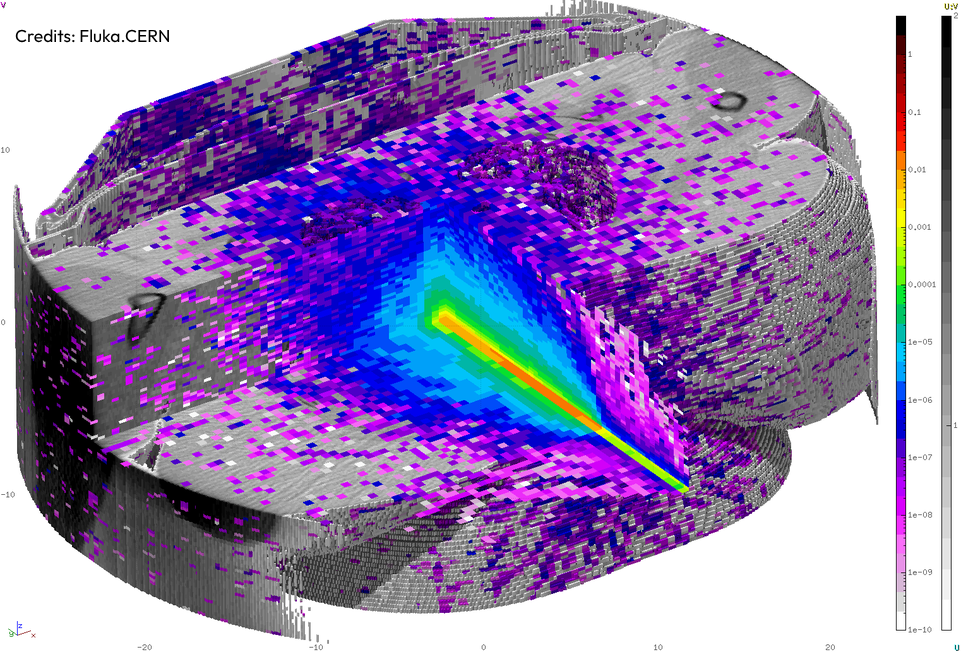
Development of the FLUKA code for hadron therapy | This project is based on the Fluka Monte Carlo code, the multi particle tracking code used throughout CERN. It is proposed to develop the Fluka nuclear interaction models in order to investigate the possibility of fully replacing or combining carbon therapy treatments based on 12C ions with treatments
-
Computing Resources for medical applications
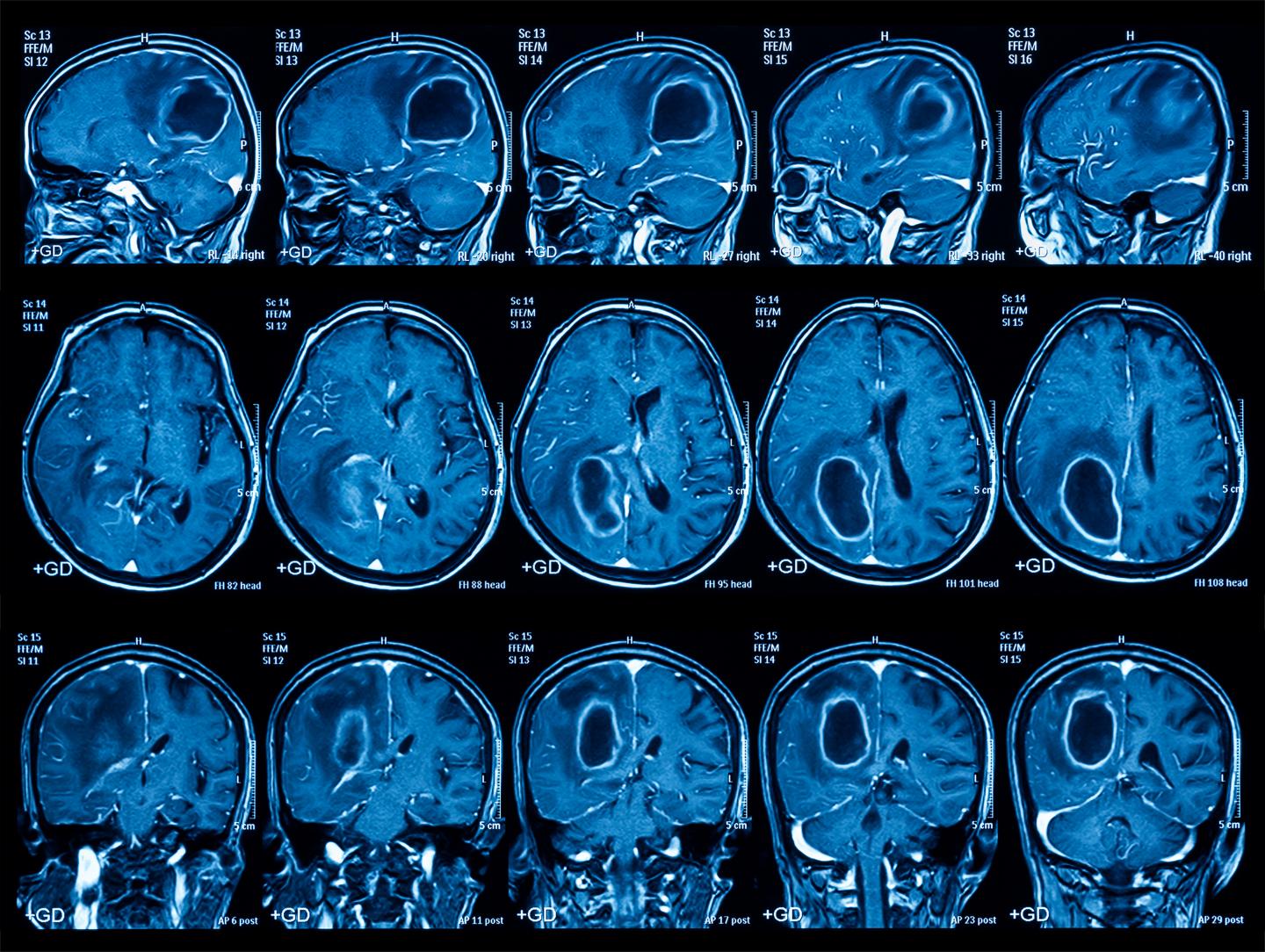
Computing Resources for medical applications | We propose to fund computing and storage resources independently from individual projects by using a small fraction of the yearly Medical Applications material budget. Projects would still be required to be approved via the agreed process. Given the current level of seed budget allocated to the Medical Applications activities, we
-
CAiMIRA
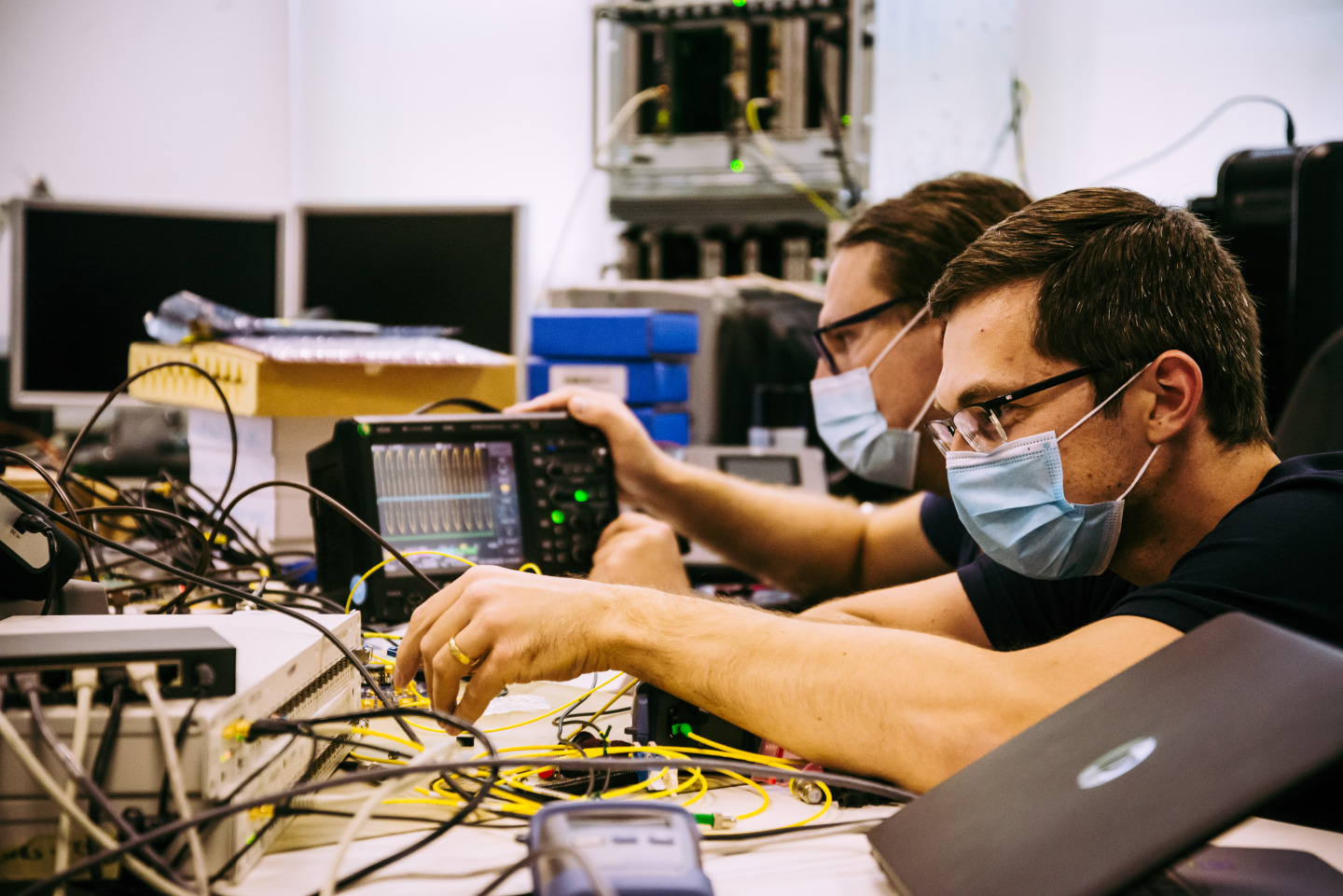
CAiMIRA | CAiMIRA (formerly CARA) is a risk assessment tool which models the airborne transmission of viruses, such as SARS-CoV-2, and can estimate the concentration of viruses in enclosed spaces to aid space-management decisions. In collaboration with WHO, the project aims at expanding the CAiMIRA technology (new interface, improvements of the model, automatised inclusion of new literature)
-
CAFEIN – Federated network platform for the development and deployment of AI based analysis and prediction models
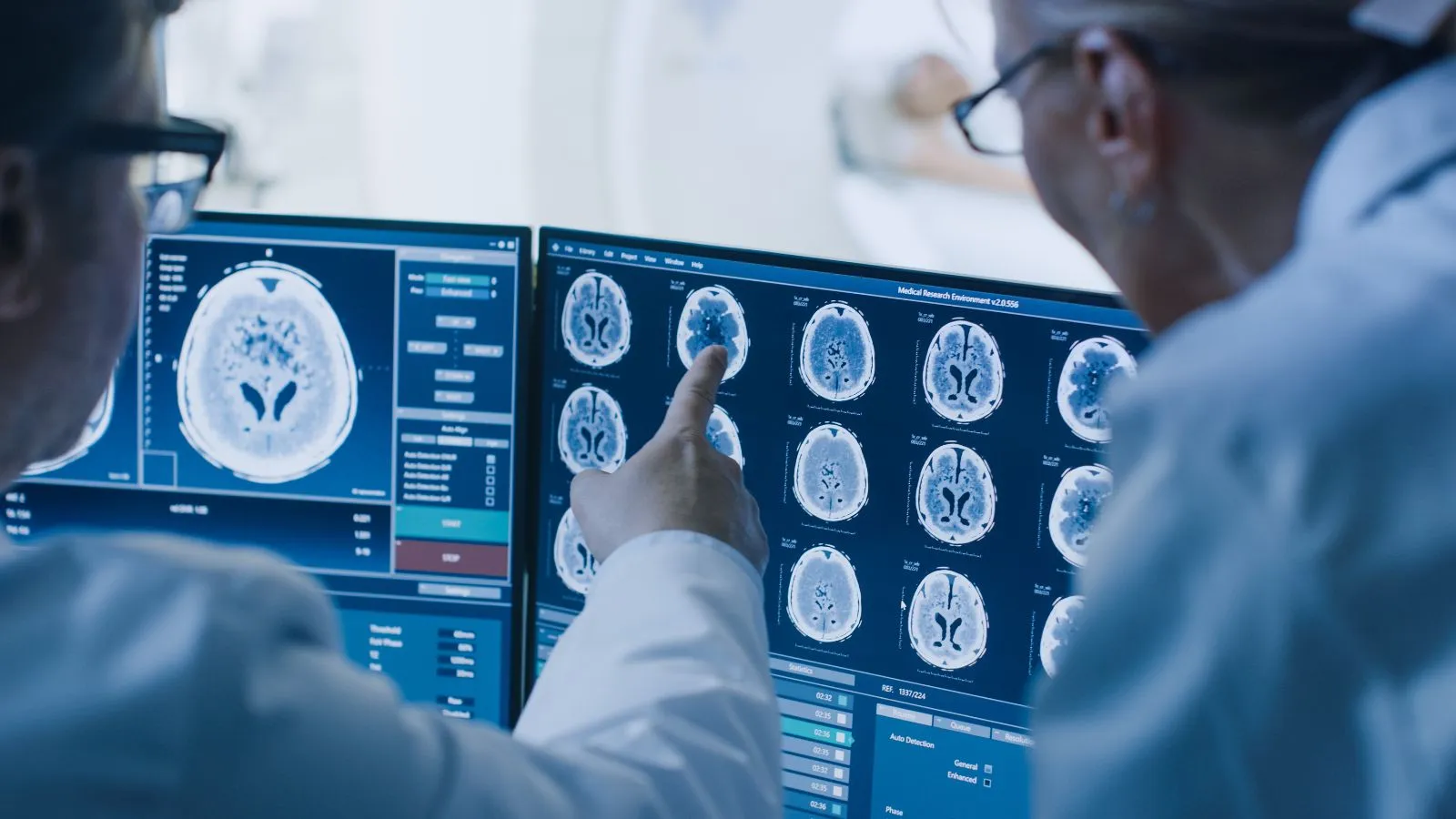
CAFEIN – Federated network platform for the development and deployment of AI based analysis and prediction models | A novel AI-based tool to assist clinicians, patients and caregivers in the analysis, diagnosis and prognosis of diseases based on the integration of clinical and patient data over a Federated Learning (FL) infrastructure developed and hosted by
-
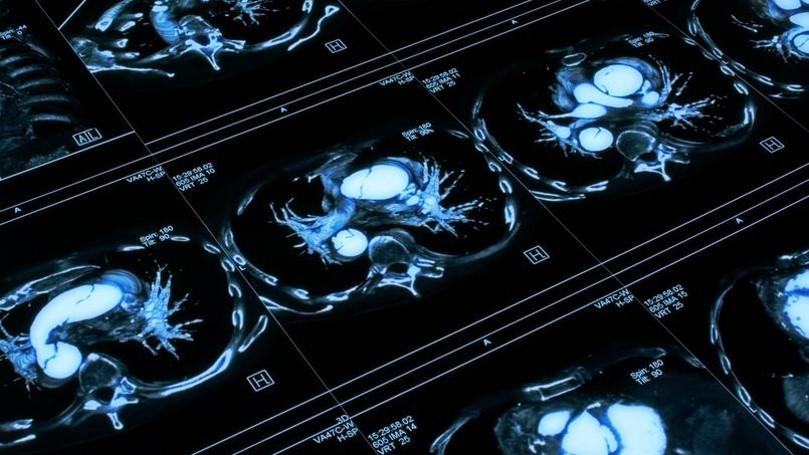
A novel AI-based tool deployed via a federated learning platform to assist in the screening, diagnosis, prevention and therapy evaluation of breast and prostate cancer (CAFEIN2)
A novel AI-based tool deployed via a federated learning platform to assist in the screening, diagnosis, prevention and therapy evaluation of breast and prostate cancer (CAFEIN2) | The unmet clinical need raised by IARC (the International Agency for Research on Cancer of WHO): developing data-driven algorithms based on medical data, diet, nutrition, lifestyle and environmental
-
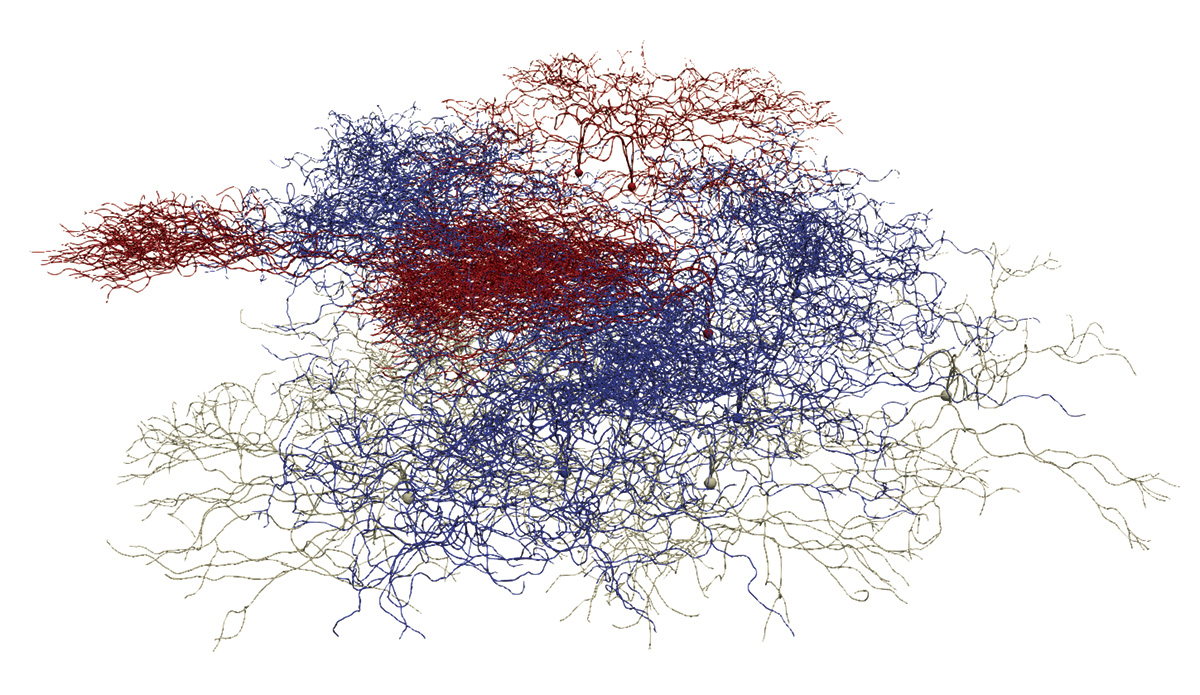
Digital Technology for Health
Digital Technology for Health | From physics simulation tools to biomedical applications The expertise of particle physicists in data handling and simulation tools are also increasingly finding applications in the biomedical field. The FLUKA and Geant4 simulation toolkits, for example, are being used in several applications, from detector modelling to treatment planning. Recently, CERN contributed its know-how in large-scale
-

FLUKA
FLUKA | FLUKA (FLUktuierende KAskade or Fluctuating Cascade) is a general purpose tool for calculations of particle transport and interactions with matter. FLUKA can simulate, with high accuracy, the interaction and propagation of about 60 different types of particles in matter, including photons and electrons from 1 keV to thousands of TeV, neutrinos, muons of
-
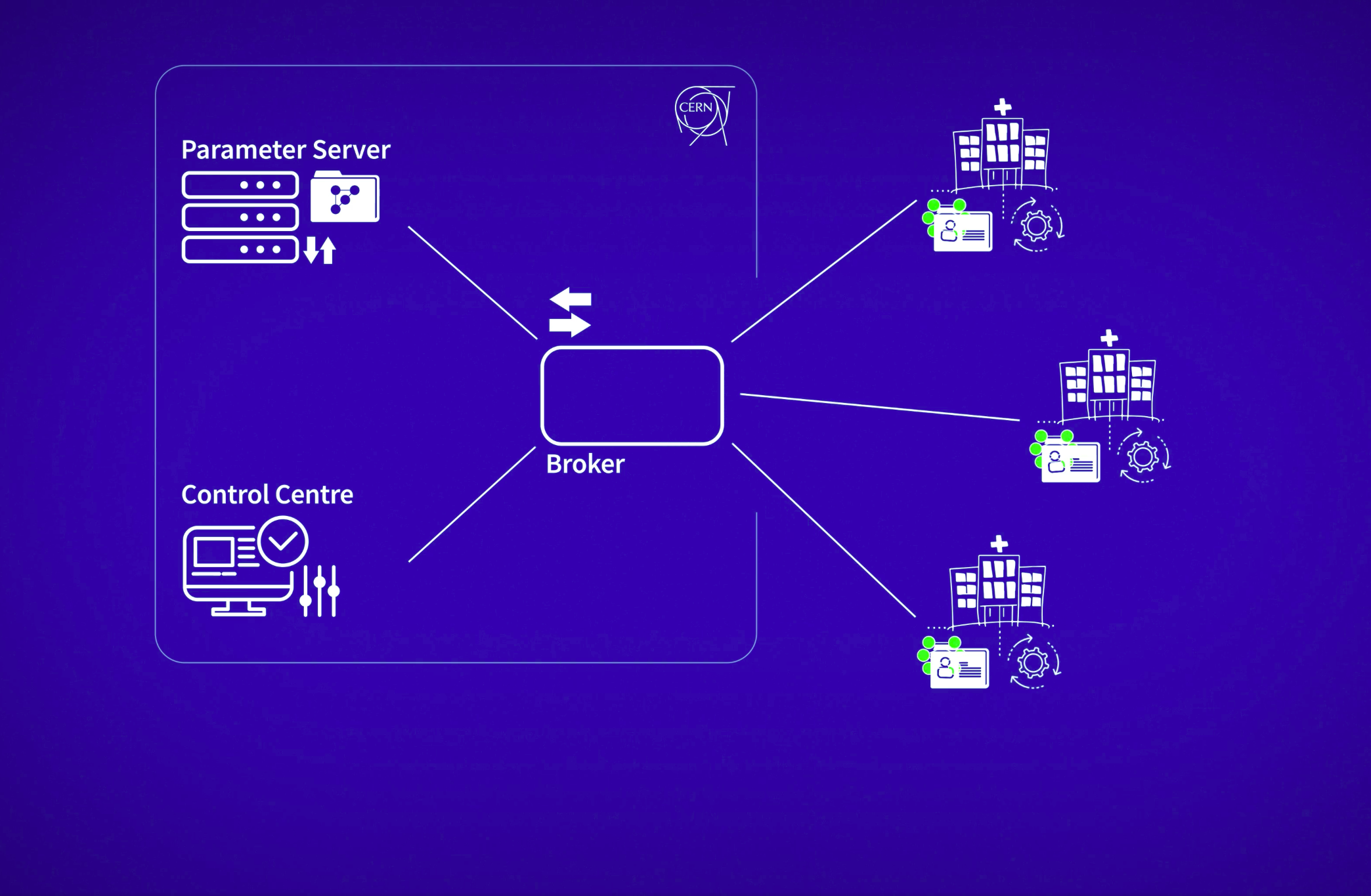
IoT-Enabled Stroke Patient Monitoring and Therapy Evaluation through AI Federated Learning
IoT-Enabled Stroke Patient Monitoring and Therapy Evaluation through AI Federated Learning | Federated learning is regarded as a viable method for implementing innovative healthcare applications without exchanging raw data. CERN has successfully designed, developed, and implemented a Federated Learning (FL) Platform through the CAFEIN Project, financed by the MA budget. A final step towards fully
-
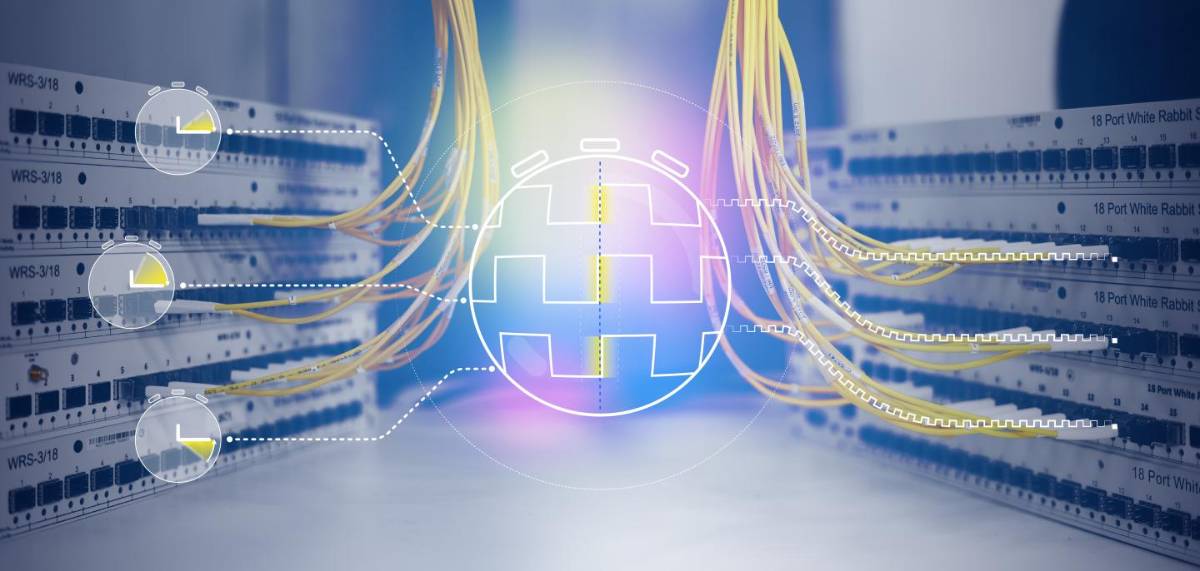
White Rabbit
White Rabbit | White Rabbit provides sub-nanosecond accuracy and picoseconds precision of synchronization for large distributed systems. It also allows for deterministic and reliable data delivery. White Rabbit allows you to precision time-tag measured data and lets you trigger data taking in large installations while at the same time using the same network to transmit
-
ROOT
ROOT | ROOT is a general-purpose framework that provides an object oriented set of tools with all the functionality needed to handle and analyze large amounts of data in an extremely efficient way. It defines the data as a set of objects, and then specialized storage methods are used to get direct access to the separate
-
Quasar framework – OPC-UA server generation
Quasar framework – OPC-UA server generation | Open Platform Communications Unified Architecture (henceforth OPC-UA) is a machine to machine communication protocol (middleware) for industrial automation developed by the OPC Foundation based on a client/server model. OPC-UA is widely used across diverse industry and research fields for integrating a wide variety of hardware devices and interconnecting
-

QF-Lib
QF-Lib | QF-Lib is a Python library that provides high quality tools for quantitative finance. Among the features, there are modules for portfolio construction, time series analysis, risk monitoring and a diverse charting package. The library provides extensive functionality for financial data analysis in addition to a wide variety of tools for data processing and
-
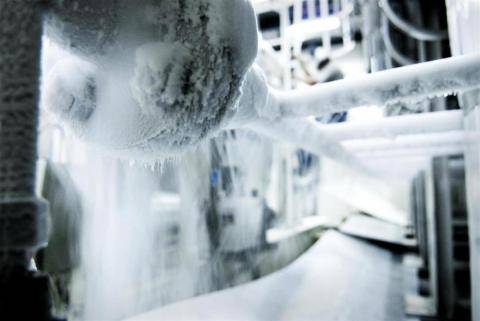
Kryolize
Kryolize | Kryolize is a software tool for sizing the minimum discharge area of a safety protection device, against overpressure. Based on international (ISO), European (EN) and American (API) standards, Kryolize allows calculation and sizing of safety valves for cryogenic systems and is a novel tool that will help engineers with a uniform approach in
-

Invenio
Invenio | Invenio, the integrated digital library and repository system, is a suite of applications which provides the framework and tools for building and managing an autonomous digital library server. The technology offered by the software covers all aspects of digital library management. It complies with the Open Archives Initiative metadata harvesting protocol (OAI-PMH). Its flexibility and performance
-

Indico
Indico | Indico (Integrated Digital Conference) is a web-based, multi-platform, conference lifecycle and agenda management system. It has also become the long-term archiving tool for documents and metadata related to all kinds of events that take place at CERN, and a hub for accessing local and remote collaboration services at CERN. The software is used in production
-
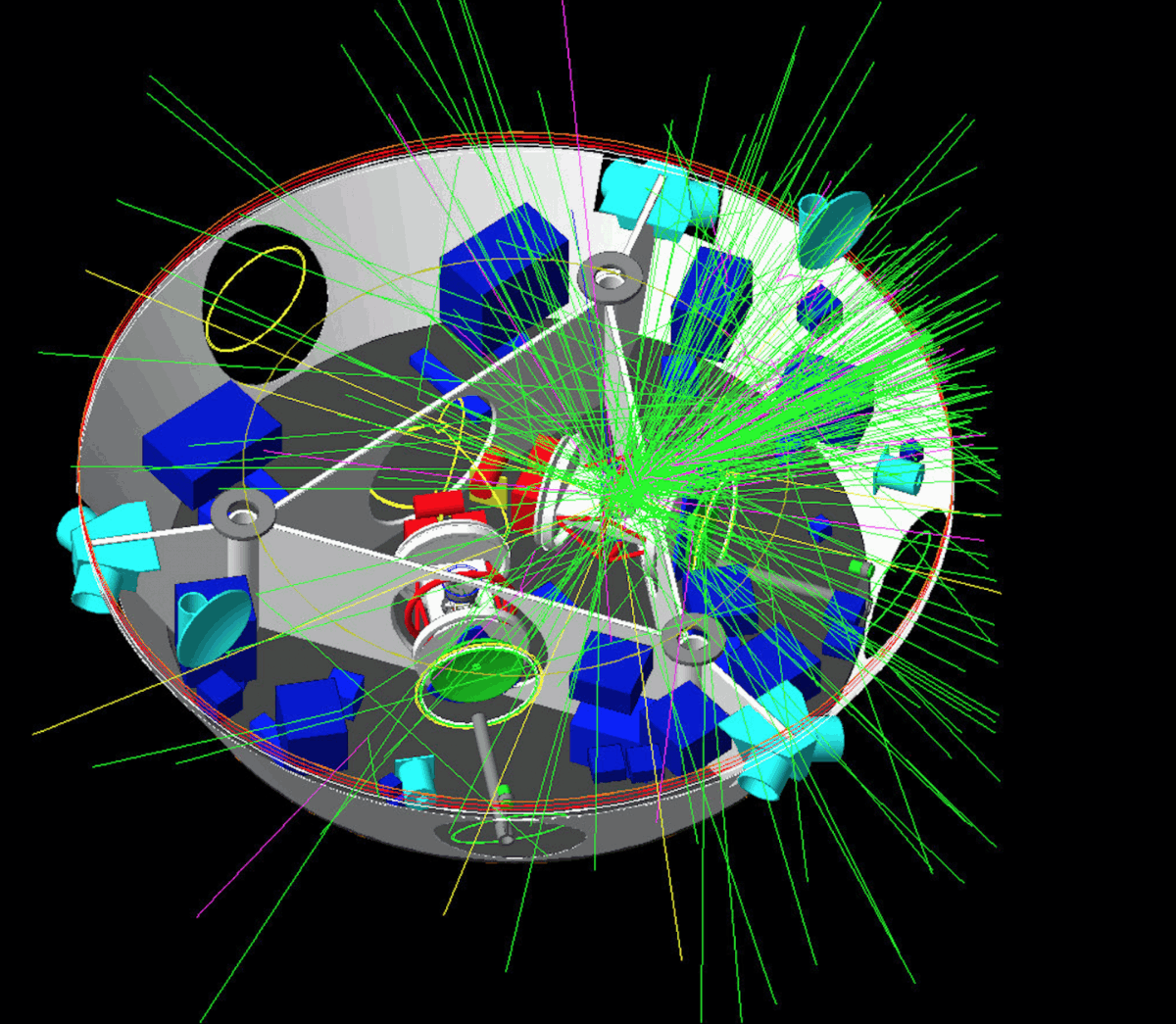
Geant4
Geant4 | Geant4 is a toolkit for simulating the passage of particles through matter. It is the reference simulation engine for the LHC experiments at CERN and other high energy physics labs worldwide. Geant4 covers all relevant physics processes, electromagnetic, hadronic, decay, optical, for long and short lived particles, for energy range spanning from tens
-
CERNbot
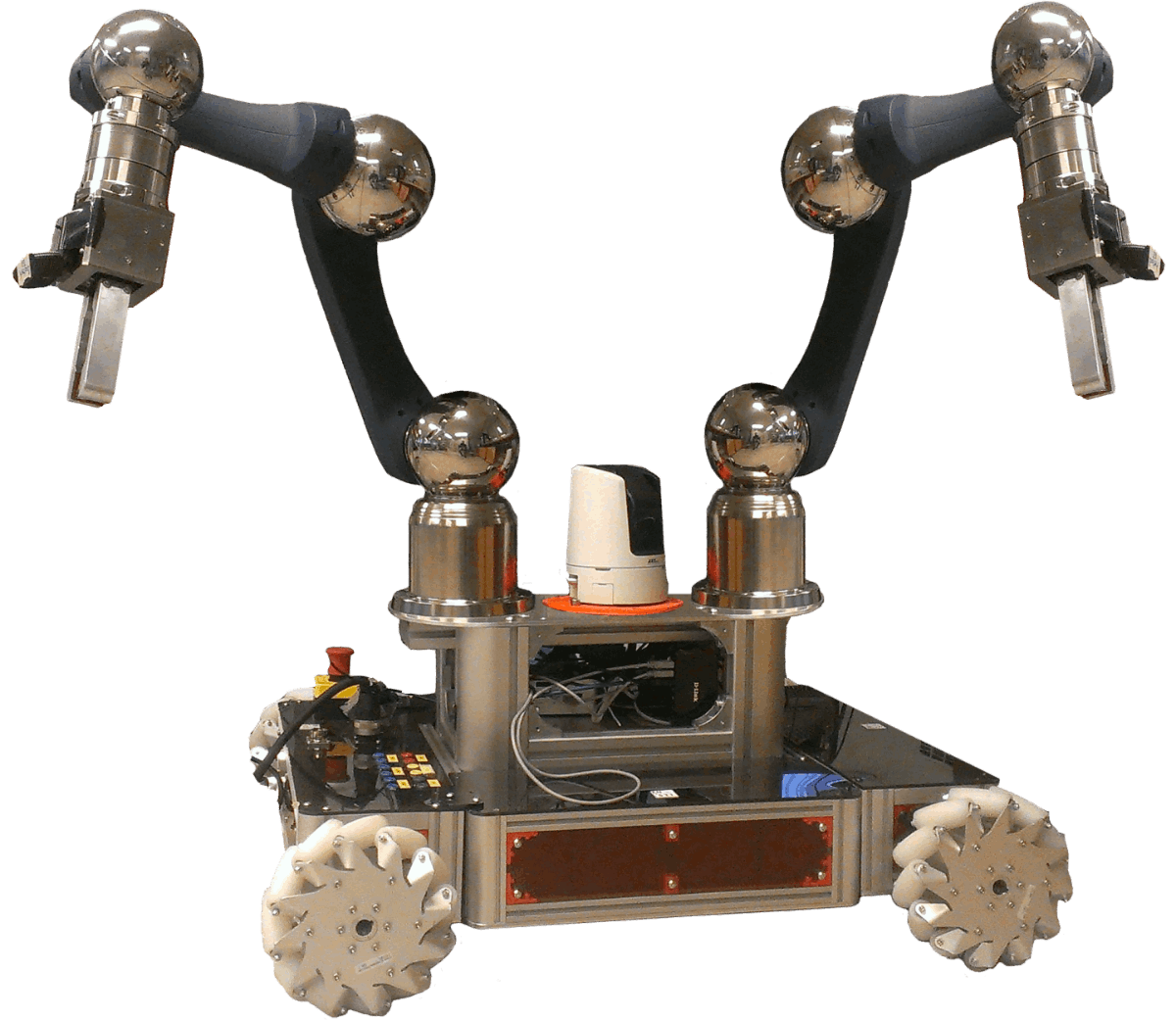
CERNbot | CERNbot is a modular and flexible robotic platform developed at CERN for complex interventions in harsh environments. It is highly customisable platform that can receive up to two commercial robotic arms working together in a coordinated manner. Applications Advantages Developed at CERN
-

CERN VM-FS
CERN VM-FS | CernVM-FS is a web-based, global, and versioning file system optimized for software distribution. The file system content is installed on a central web server from where it can be mirrored and cached by other web servers and web proxies. File system clients download data and meta-data on demand and cache them locally.
-
BioDynaMo
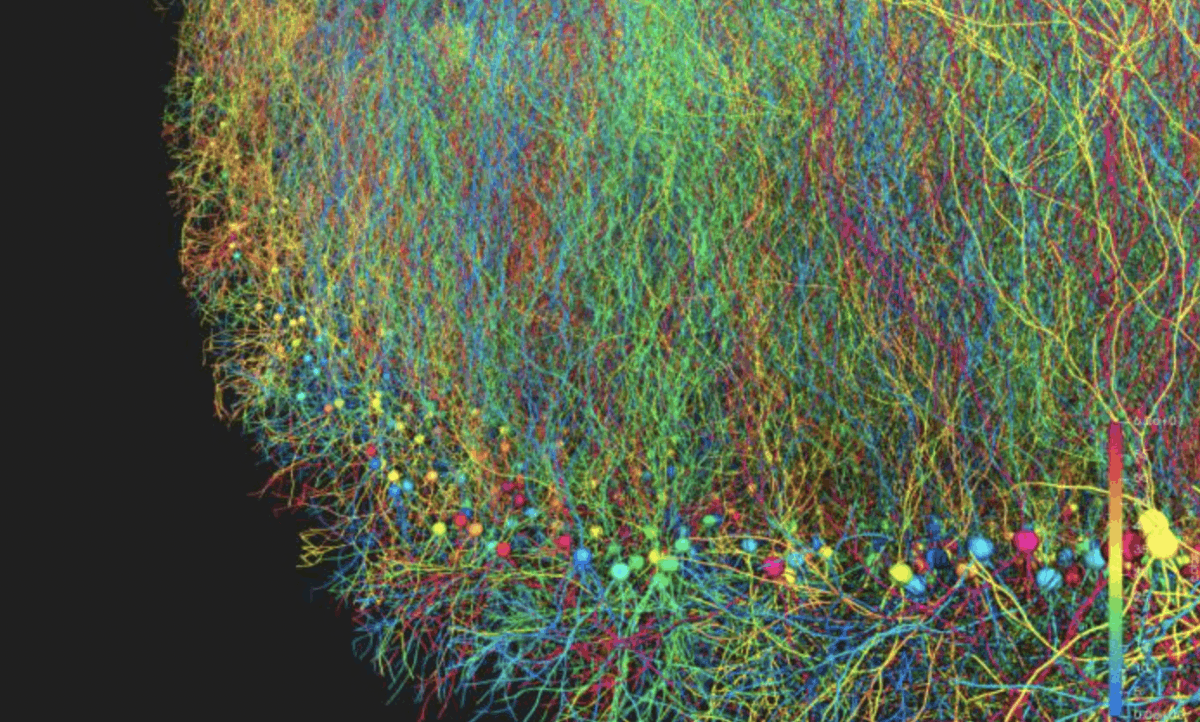
BioDynaMo | An open-source software platform to easily create, run, and visualise 3D agent-based simulations. Biology Dynamics Modeller (BioDynaMo) is an open source, agent-based, simulation software initially developed by researchers at CERN and Newcastle University, also with the support by seed funding from the CERN Medical Applications budget. It is a software platform designed to easily create, run,
-
ActiWiz
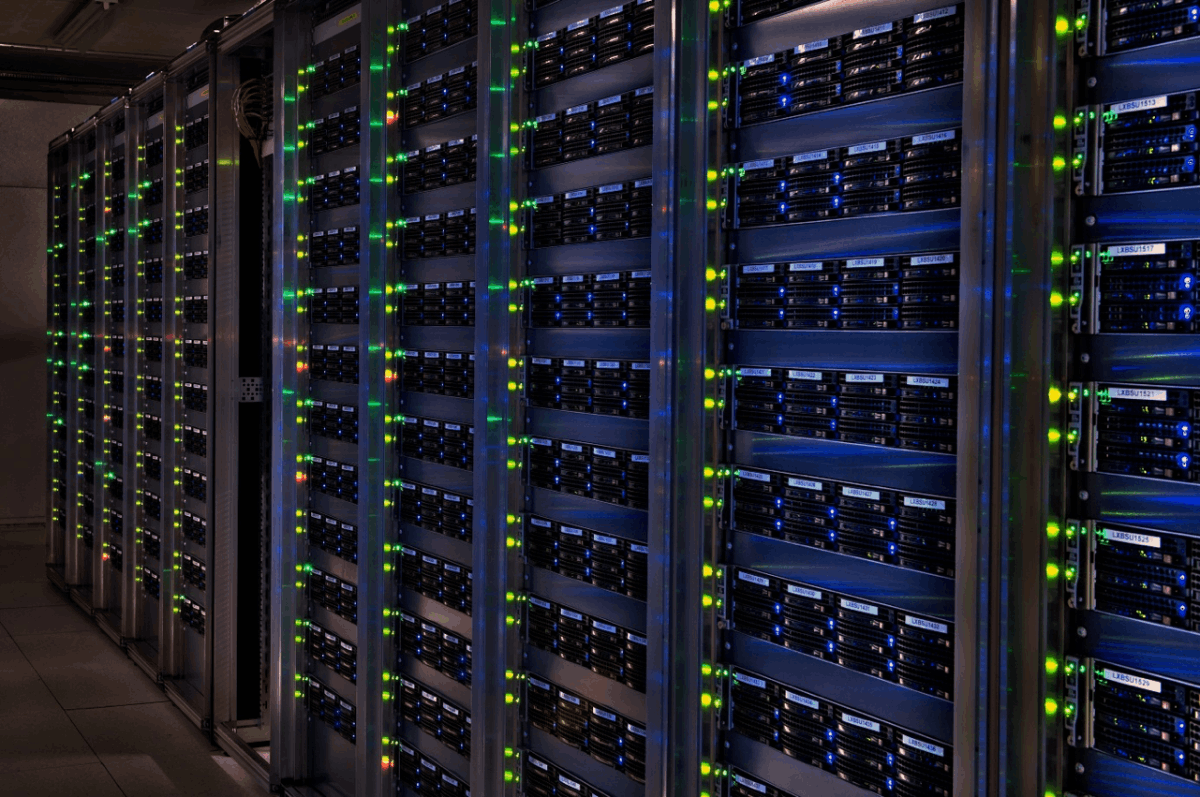
ActiWiz | The activation of material is often an important issue for all environments exposed to accelerator beams. It has considerable impact on safety and handling constraints. One of the key parameters responsible for activation is the chemical composition of the material involved which can often be optimized in order to reduce material activation. However,
-
Machine Learning and Deep Learning
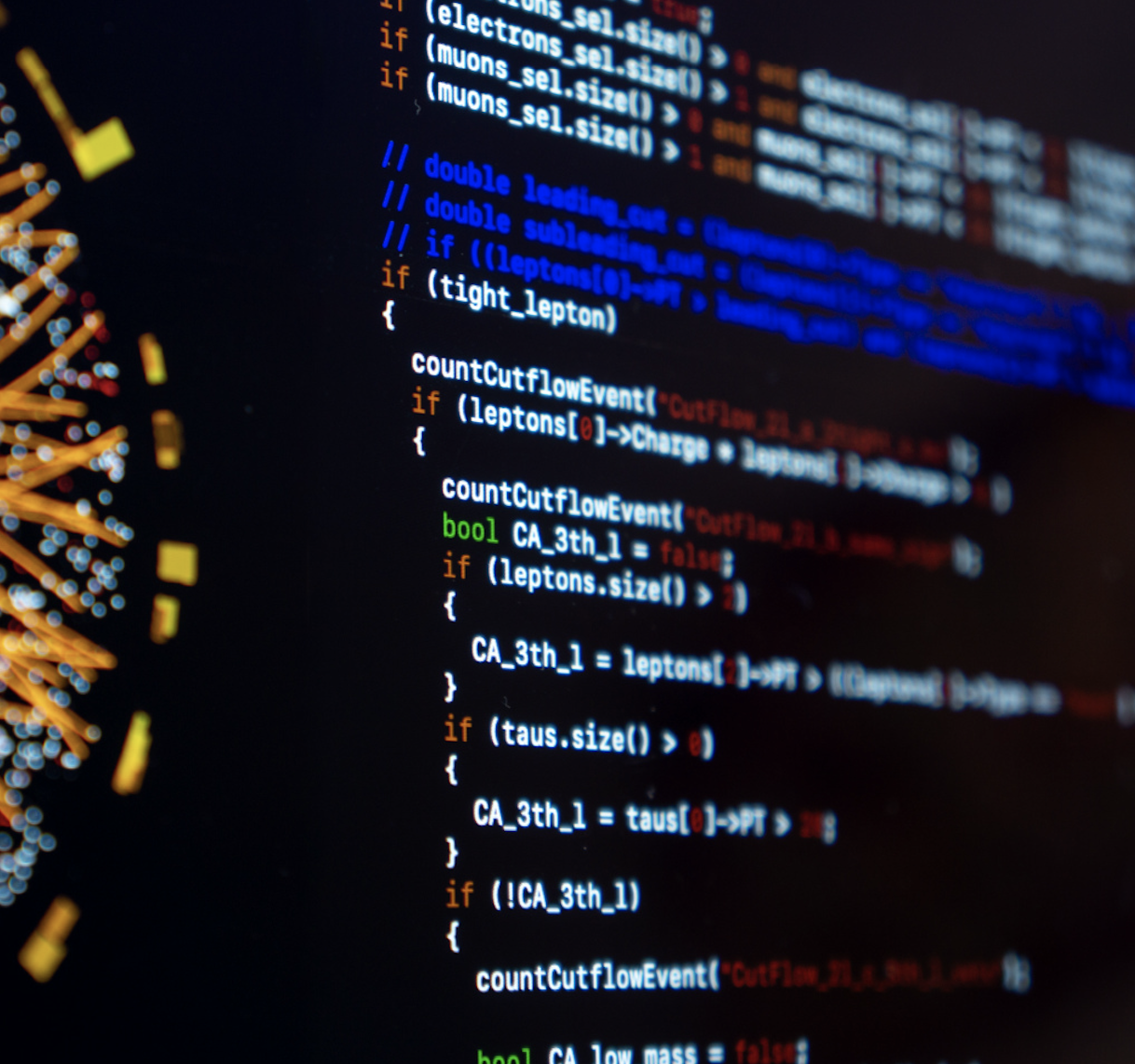
Machine Learning and Deep Learning | Know-how and experience derived from early adoption of neural network techniques by particle physics community. CERN’s Know-How Facts & Figures Key Competencies Designing & Training Neural Networks CERN has a long history in the design and training of neural networks in for example classification, filtering, event and particle detection,
-
High Volume Data Management & Storage
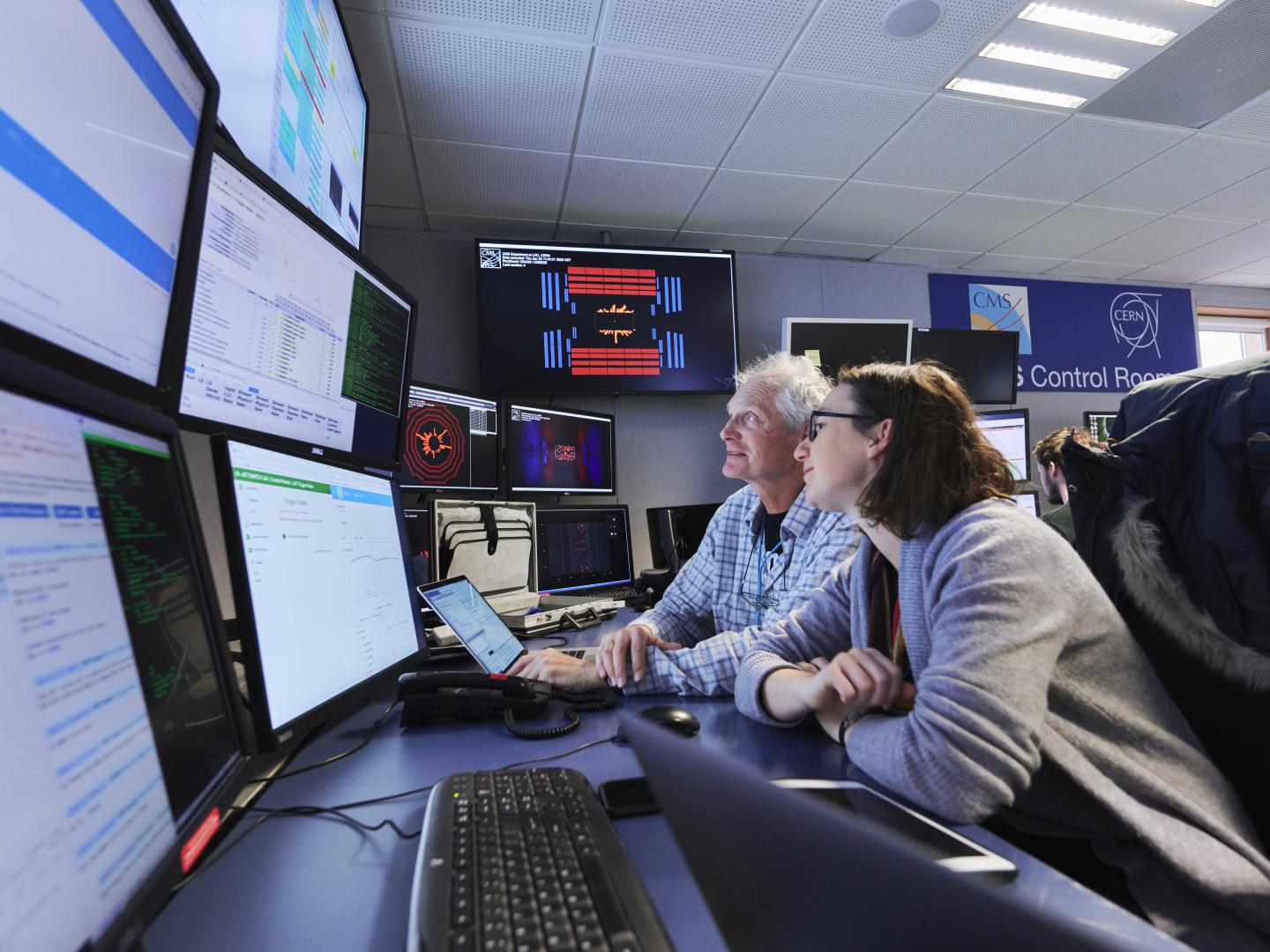
High Volume Data Management and Storage | CERN’s unique knowhow derived from storage and worldwide distribution of vast amounts of data. CERN’s Know-How Facts & Figures Key Competencies Storing & managing very large data sets Data storage and management of very large data sets in highly distributed, global environment. Rapidly responding and adaptable to the
-
Data Analytics
Data Analytics | CERNs know-how and experience with ‘big data’ analysis for high energy physics and control of systems used in the LHC. CERN’s Know-How Facts & Figures Key Competences Designing Data Analytics Infrastructure In order to process and analyze the vast amounts of data generated by the experiments at CERN, a data infrastructure was
-

CERN tech for Quantum Systems
CERN tech for Quantum Systems | How to collaborate with CERN? Find out about upcoming Quantum related news and events here Key Competencies Thin film coatings for ultra-high vacuums CERN experts have developed a range of techniques and materials for thin film coatings in order to meet the diverse demands of achieving vacuums in different systems
-

Collaboration Tools
Collaboration Tools | Large global scientific collaborations are the foundation of CERN achievements. Scientists need to exchange documents, publications, photos, videos and more. They need to meet, physically or virtually to debate and exchange ideas. CERN has expertise in building software tools empowering such collaborations. CERN’s know-how Facts & Figures Key Competencies Software for empowering
-
General Medical Applications
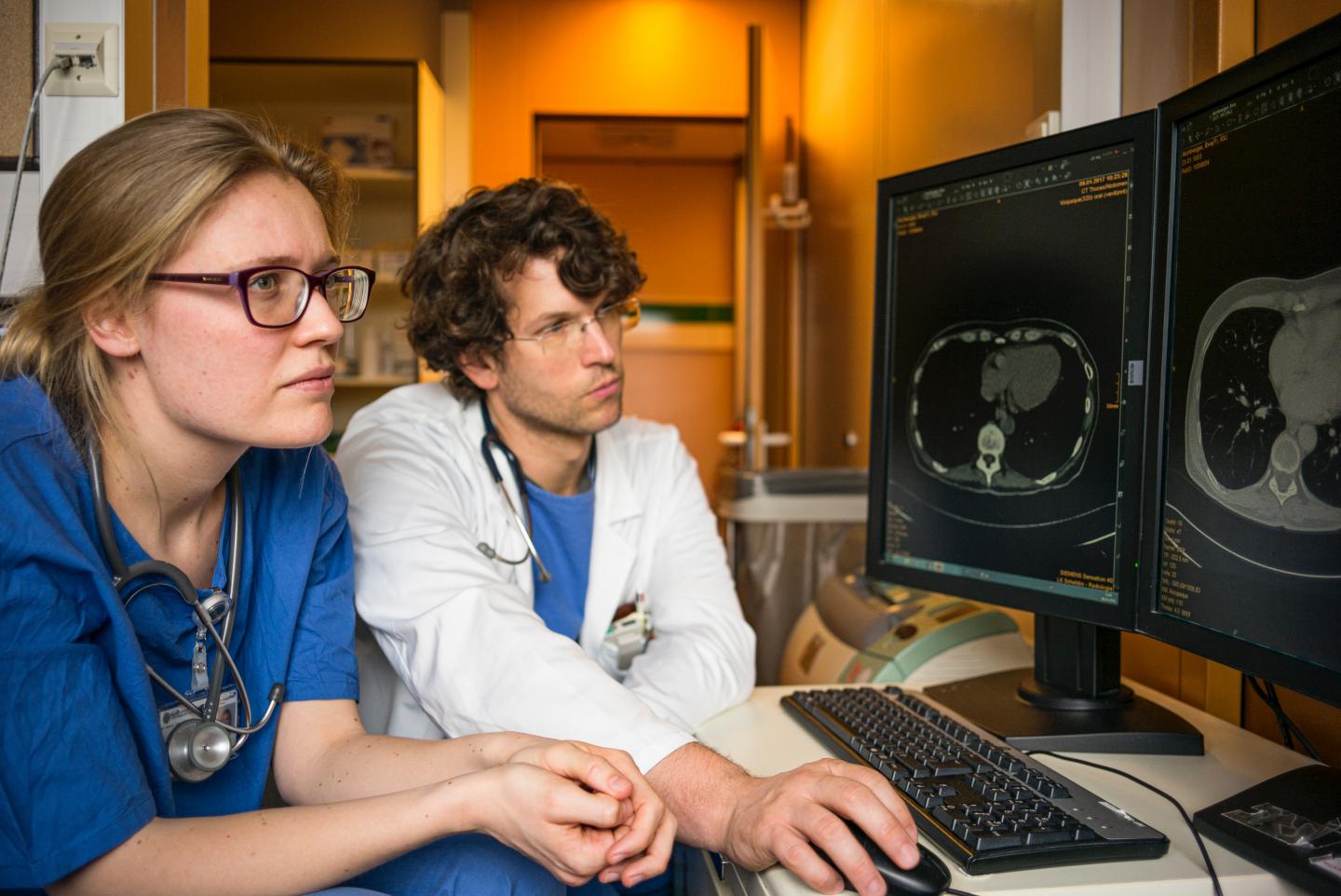
General Medical Applications | CERN’s Know-How Facts & Figures Contact Person Benjamin Frisch Knowledge Transfer Officer benjamin.frisch@cern.ch
-
Computing for Medical Applications
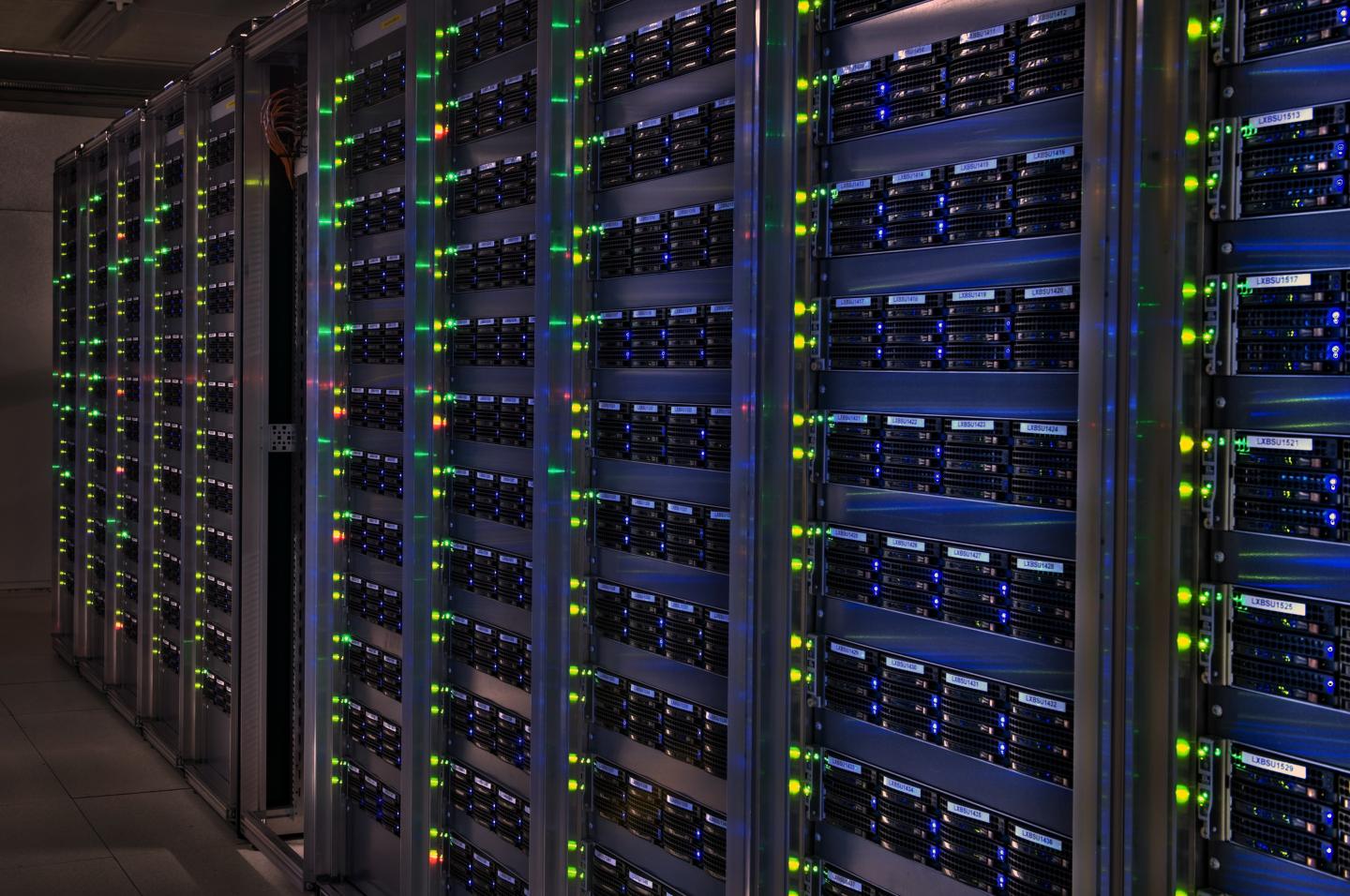
Computing for Medical Applications Collaboration Tools | CERN’s Know-How Facts & Figures Key Expertise Storing & managing very large set of data Data storage and management of very large data sets in highly distributed, global environment. Rapidly responding and adaptable to the LHC experiments frequently changing requirements for fast, reliable and affordable storage. Robust Big
-

CERN’s edge AI data analysis techniques used to detect marine plastic pollution
CERN’s edge AI data analysis techniques used to detect marine plastic pollution CERN’s expertise in data management is leveraged to combat marine plastic litter through the new EU project, Edge SpAIce Earth Observation (EO) and particle physics research have more in common than you might think. In both environments, whether capturing fleeting particle collisions or
-

CERN software to become central hub for EU research
CERN software to become central hub for EU research | Over the last ten years, CERN-born Zenodo has evolved to store ever more scientific data. Today, a new project is set to ensure Zenodo’s position as a prime repository for EU research data What is the link between particle physics, the study of biodiversity and
-
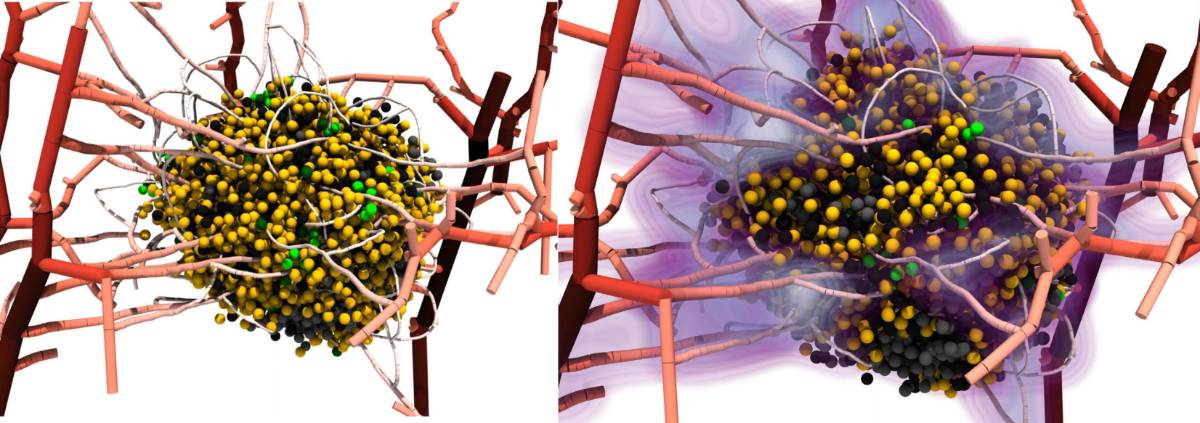
BioDynaMo: cutting-edge software helps battle cancer
BioDynaMo: cutting-edge software helps battle cancer | A novel mathematical model developed as part of the BioDynaMo project, born from CERN openlab, mimics vascular tumour growth in breast cancer and its response to treatment Choosing the right cancer treatment is a massive undertaking involving multiple stages, high experimental complexity and significant costs. Currently, two main
-

How CERN and Ceva are pioneering the future of Edge AI
How CERN and Ceva are pioneering the future of Edge AI What does the face recognition on your phone have to do with particle physics? Discover how CERN and Ceva, a leader in digital signal processor technology, worked together to advance Artificial Intelligence (AI) on the edge. Each day, we are using devices equipped with
-
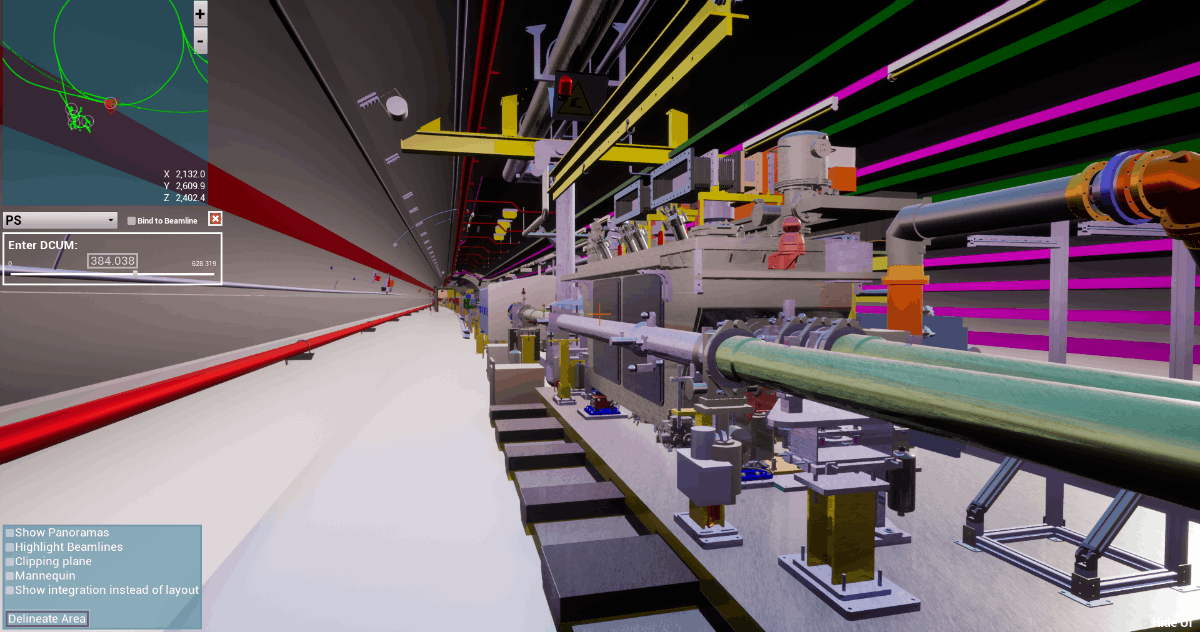
Digital twins at CERN and beyond
Digital twins at CERN and beyond | Discover how these virtual copies of reality are being used at CERN and what their impact is on society “Digital twins” blur the line between the physical and the virtual. More than simulations, these virtual copies of reality incorporate real data to reshape the way we design and
-

Bringing quantum computing to society
Bringing quantum computing to society | A new, three-year CERN-based programme called the Open Quantum Institute seeks to make quantum computing resources and technical expertise widely available A new, three-year CERN-based programme will make quantum computing resources and technical expertise available to projects designed to support the UN’s Sustainable Development Goals (SDGs). The new programme
-
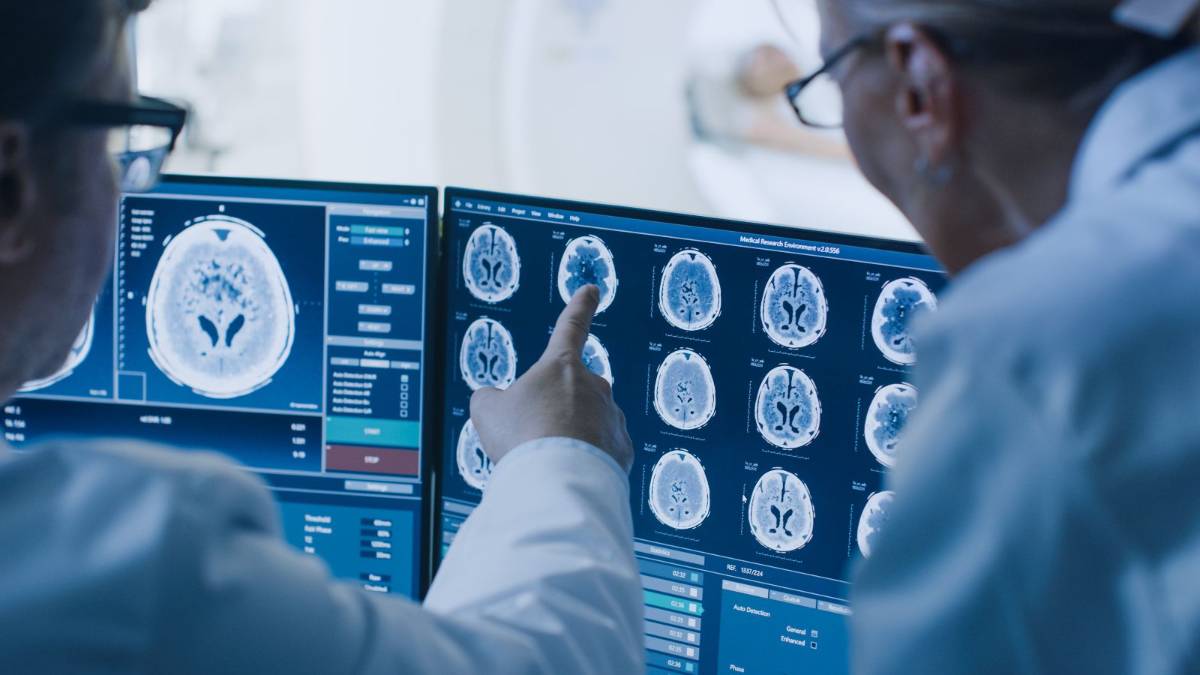
Accelerating stroke prevention
Accelerating stroke prevention | The same AI algorithms used to diagnose anomalies in CERN’s accelerator chain have the potential to detect brain pathologies such as strokes The complex system of the CERN accelerator chain requires immense precision in order to operate. To address this need, CERN researchers developed artificial intelligence (AI) algorithms that predict and
-
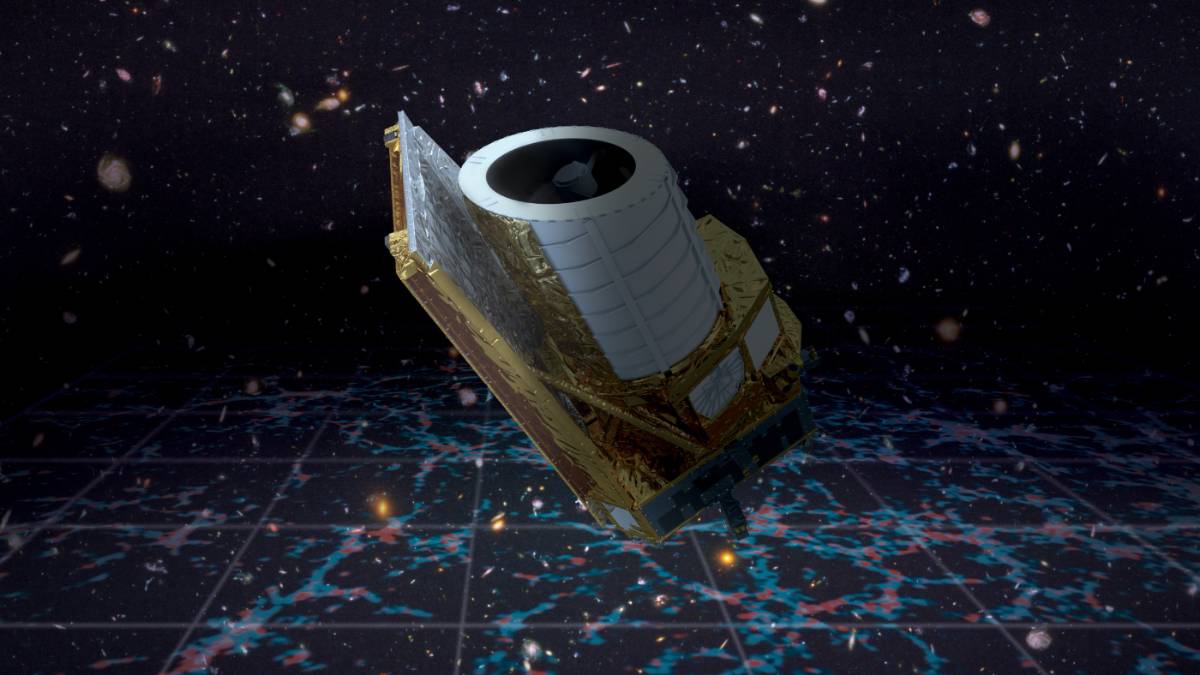
CERN tech to help investigate the dark universe
CERN tech to help investigate the dark universe ESA’s recently launched Euclid telescope will rely on CERN software and computing infrastructure to help it map the effects of dark matter and dark energy on the Universe Today, at exactly 17.11 CEST, the European Space Agency’s newest mission was launched in a SpaceX Falcon 9 rocket
-

From physics to finance: how can CERN tools help to uncover market manipulation?
From physics to finance: how can CERN tools help to uncover market manipulation? | With its world-renowned expertise in the analysis of massive volumes of data, CERN has started a unique collaboration with leading market-surveillance experts to explore how particle physics could help to build future manipulation-detection techniques Whether on the trading floor or in
-
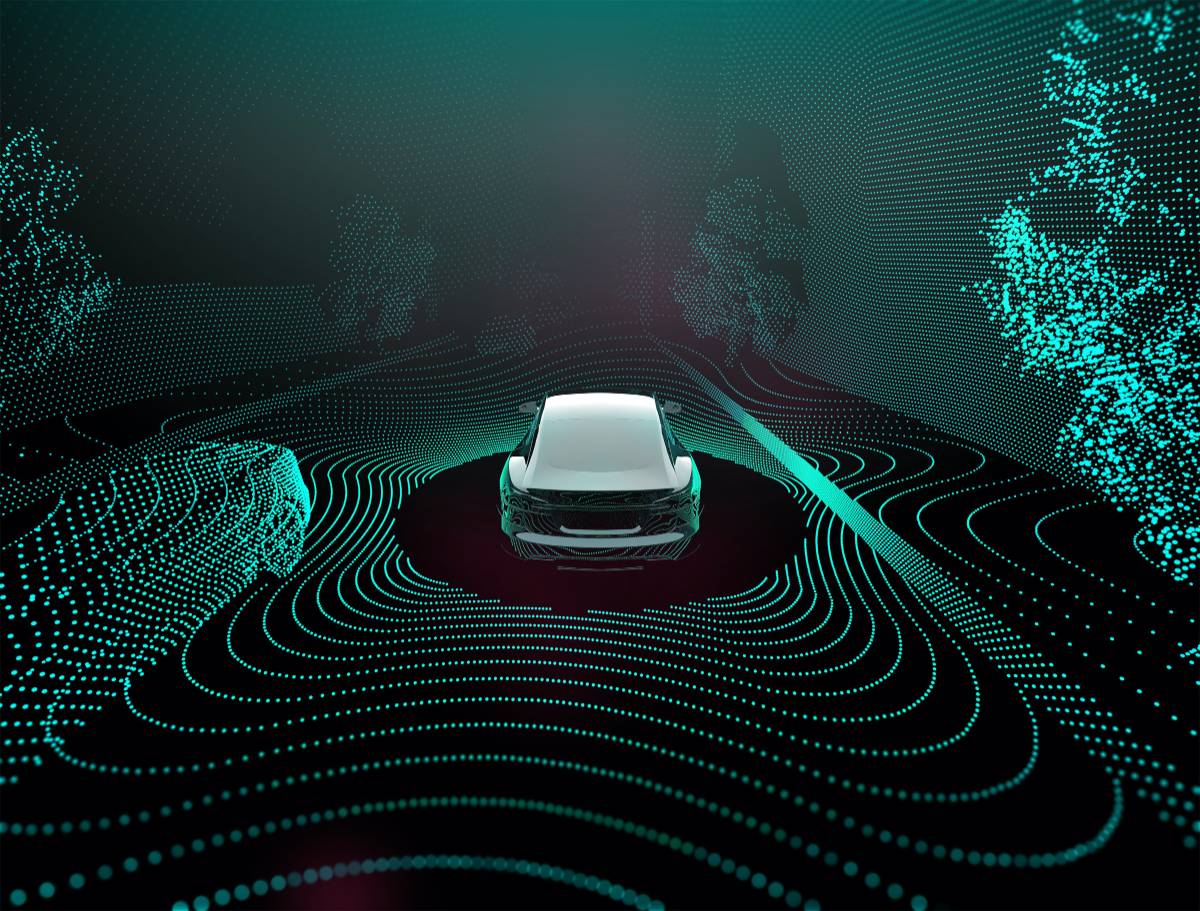
Colliding particles not cars: CERN’s machine learning could help self-driving cars
Colliding particles not cars: CERN’s machine learning could help self-driving cars | CERN and software company Zenseact wrap up a joint research project that could allow autonomous-driving cars to make faster decisions, thus helping avoid accidents In the future, autonomous or self-driving cars are expected to considerably reduce the number of road accident fatalities. Advancing
-
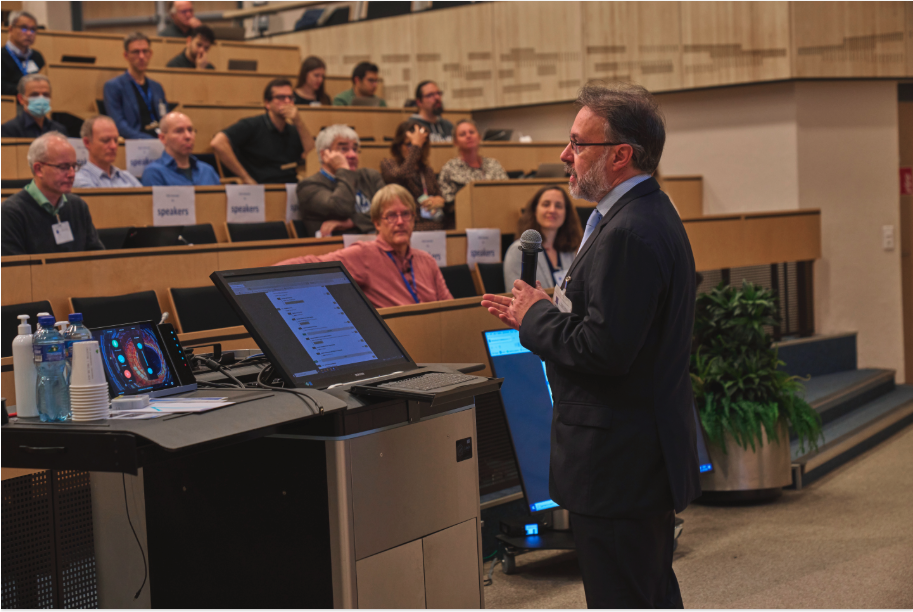
Combining quantum with high-energy physics
Quantum leap CERN QTI head Alberto Di Meglio speaking at the QT4HEP event, supported through CERN openlab and sponsored by Google, IBM and Intel
-
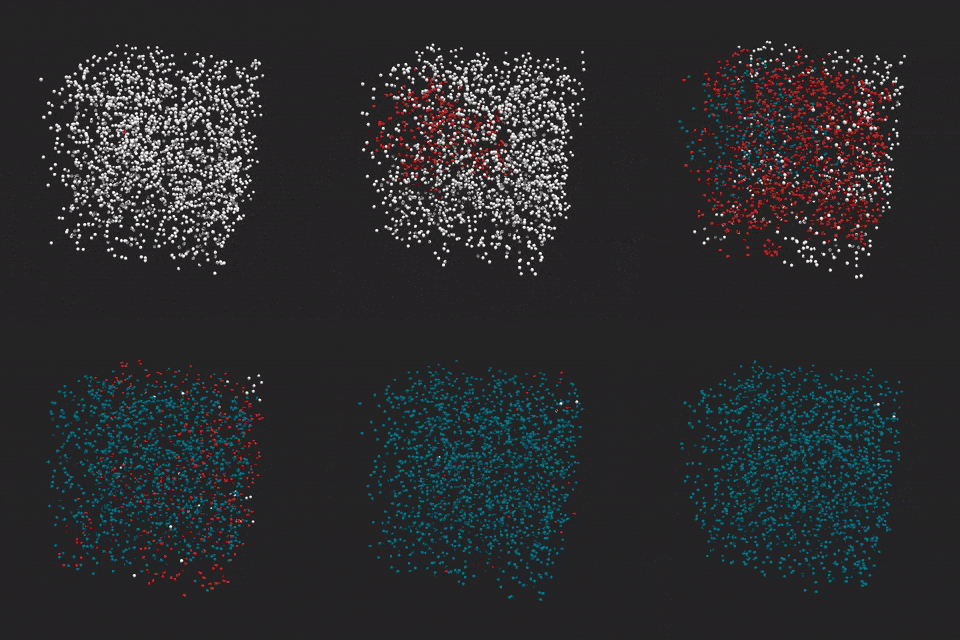
Simulating the spread of COVID-19 with BioDynaMo
Simulating the spread of COVID-19 with BioDynaMo | Based on CERN’s experience in large-scale computing, BioDynaMo, an open-source computer simulation software, is now available in the European Open Science Cloud to support fighting the COVID-19 pandemic. In the wake of the COVID-19 pandemic, understanding how the virus spreads is crucial for governments when deciding on
-
Unlocking AI’s true potential in healthcare requires collaboration
Unlocking AI’s true potential in healthcare requires collaboration It’s no secret that collaboration and knowledge sharing is how the world can improve. They are also a fundamental part of any scientific research project. At CERN, we developed the World Wide Web so that scientists could share their data with other researchers across the world. We
-

CERN Quantum Technology Initiative unveils strategic roadmap shaping CERN’s role in next quantum revolution
CERN Quantum Technology Initiative unveils strategic roadmap shaping CERN’s role in next quantum revolution CERN QTI reaches its next milestone today, with the unveiling of a first roadmap defining its medium- and long-term quantum research programme This article was originally published on quantum.cern Geneva, 14 October 2021. The CERN Quantum Technology Initiative (CERN QTI) reaches its
-
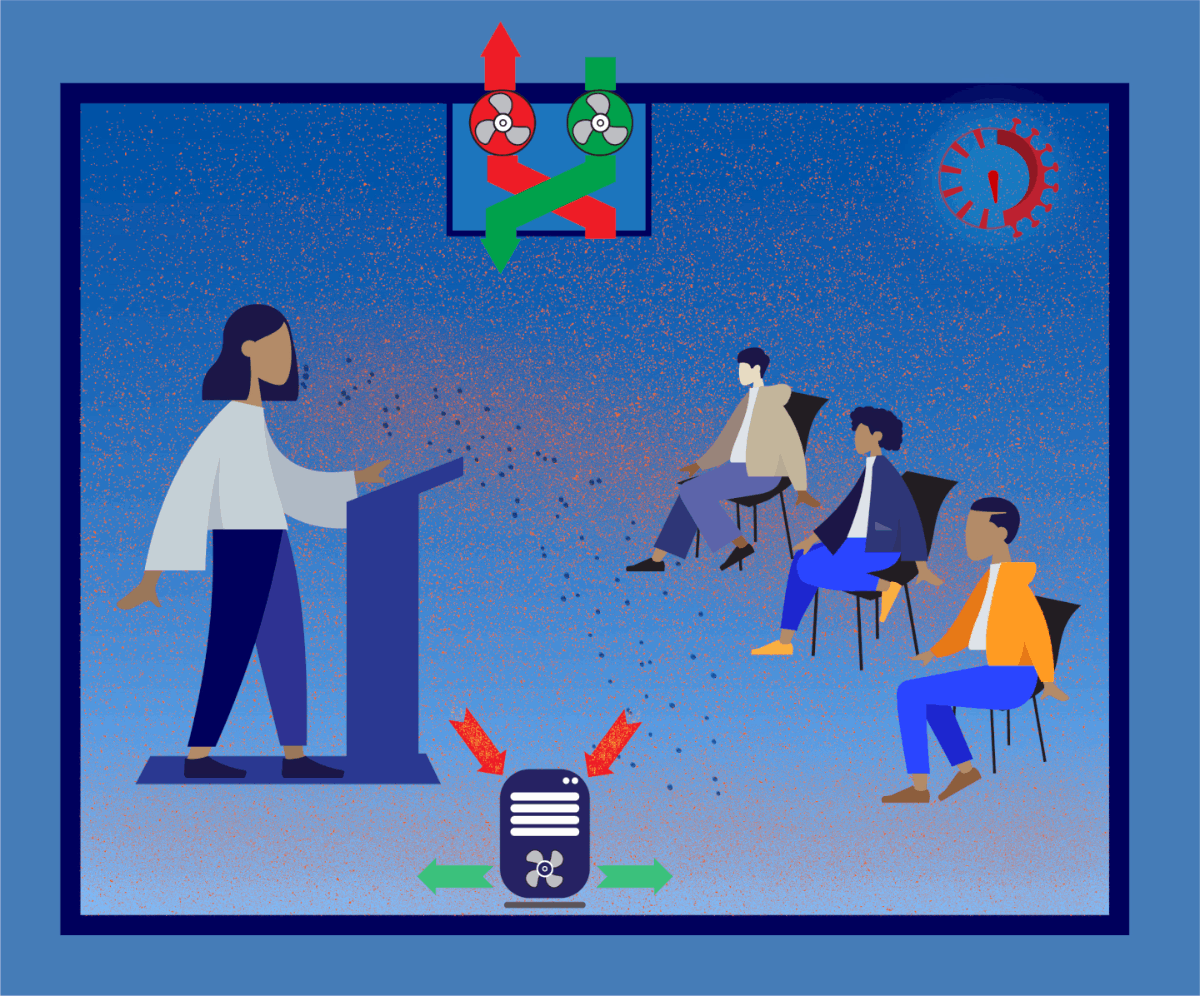
CERN working with WHO to improve understanding of COVID-19 airborne transmission risk in indoor spaces
CERN working with WHO to improve understanding of COVID-19 airborne transmission risk in indoor spaces Editor update 13/3/23: Please note that since September 2022 CARA is now called CAiMIRA – CERN Airborne Model for Indoor Risk Assessment. As the response to the pandemic evolves and people step back into the office, it is necessary to
-
Researchers use CERN technology to evaluate risk of COVID-19 transmission
Researchers use CERN technology to evaluate risk of COVID-19 transmission The CERN-developed COVID Airborne Risk Assessment tool (CARA) is helping researchers from the University of Geneva assess the effectiveness of different measures to limit SARS-CoV-2 aerosol transmission in schools. (Editor update 13/3/23: Please note that since September 2022 CARA is now called CAiMIRA – CERN
-
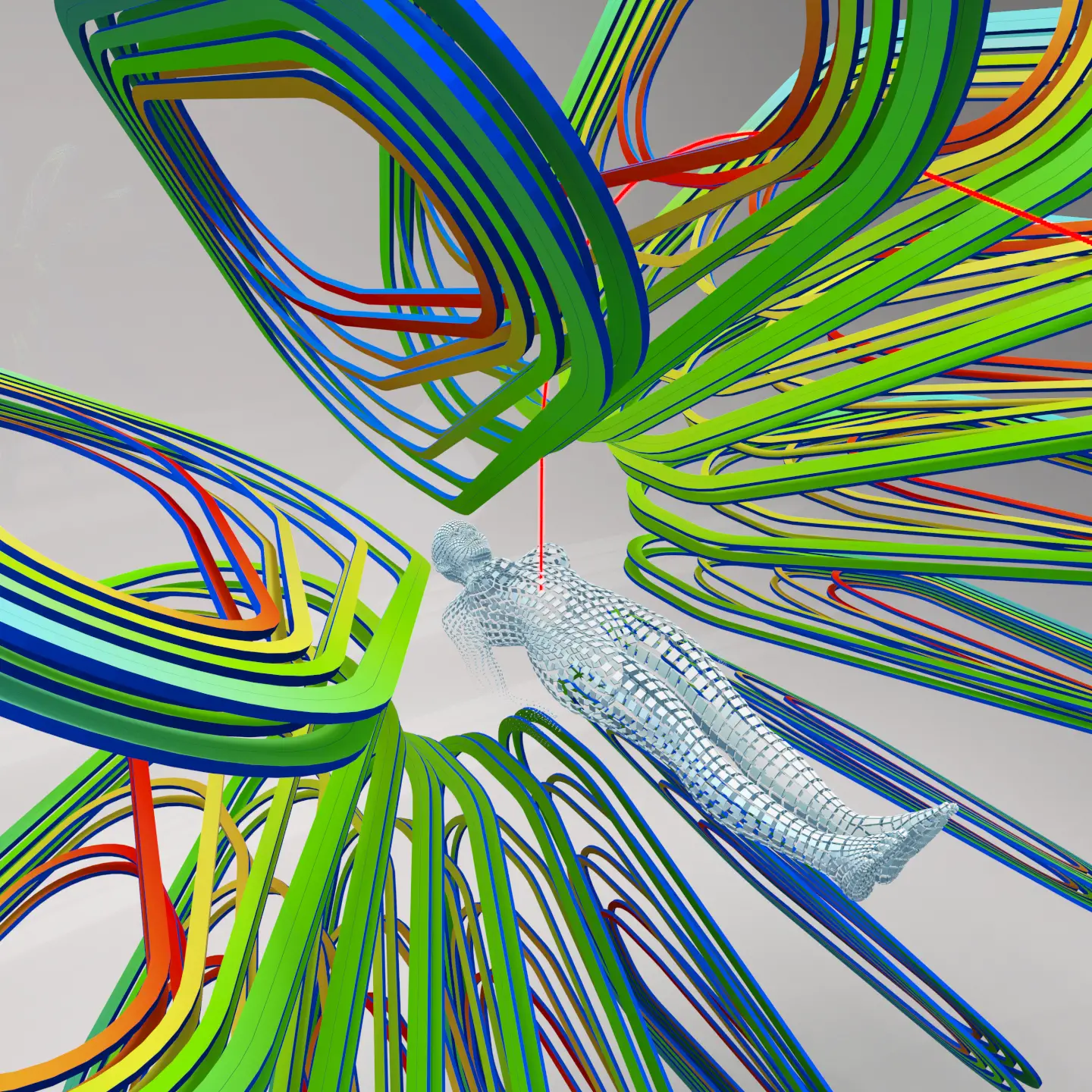
CERN’s impact on medical technology
CERN’s impact on medical technology | Frontier instruments like the LHC and its detectors not only push back the boundaries of our knowledge, but also catalyse innovative technology for medical applications, writes Manuela Cirilli. This article was originally published in the July/August edition of CERN Courier magazine. Today, the tools of experimental particle physics are ubiquitous
-
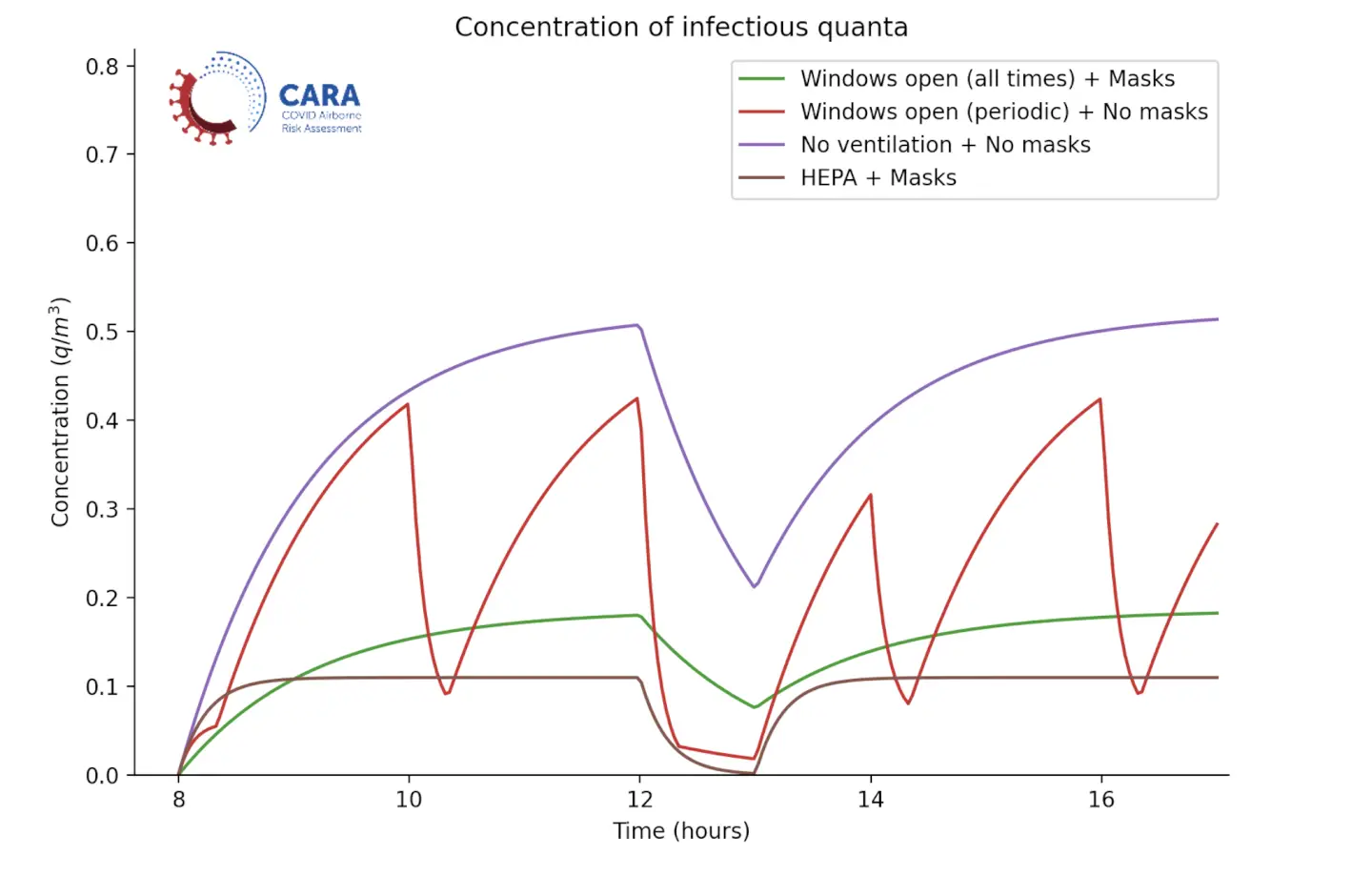
Introducing CARA, CERN’s COVID Airborne Risk Assessment tool
Introducing CARA, CERN’s COVID Airborne Risk Assessment tool CARA, CERN-made software modelling the concentration of viruses in enclosed spaces, will inform space-management decisions on the CERN sites | Editor update 13/3/23: Please note that since September 2022 CARA is now called CAiMIRA – CERN Airborne Model for Indoor Risk Assessment. ______________ Since the onset of
-
Applying Physics to Financial Markets
Applying Physics to Financial Markets | The Commodity Risk Management Expertise Center (CORMEC) and Wageningen University & Research (WUR) have signed an agreement with CERN to collaborate on research that aims to help protect commodity and financial markets from fraud. Advanced data analytics will be used to identify anomalies that can harm the integrity of