
Tag: Healthcare
-
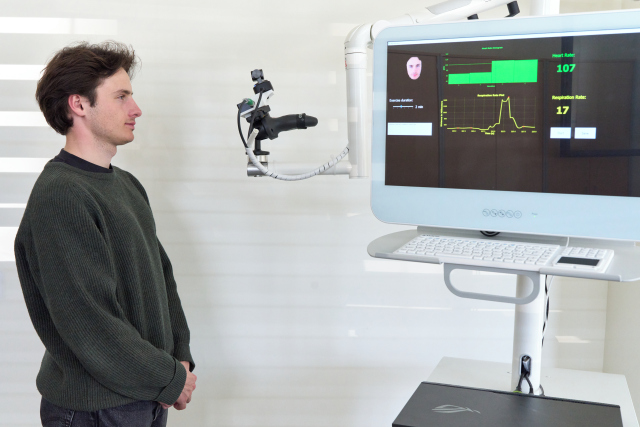
VitaSenseAI
VitaSenseAI | VitaSense AI is a Machine Learning-based contactless monitoring technology enabling the estimation of physiological and non-physiological parameters (heart rate, respiration rate, facial motion, and body movements) using cameras and lasers without physical contact, electrodes, or wearable sensors, offering a hygienic, reusable, and real-time solution for monitoring people’s physiological and behavioural states. Contact Person
-
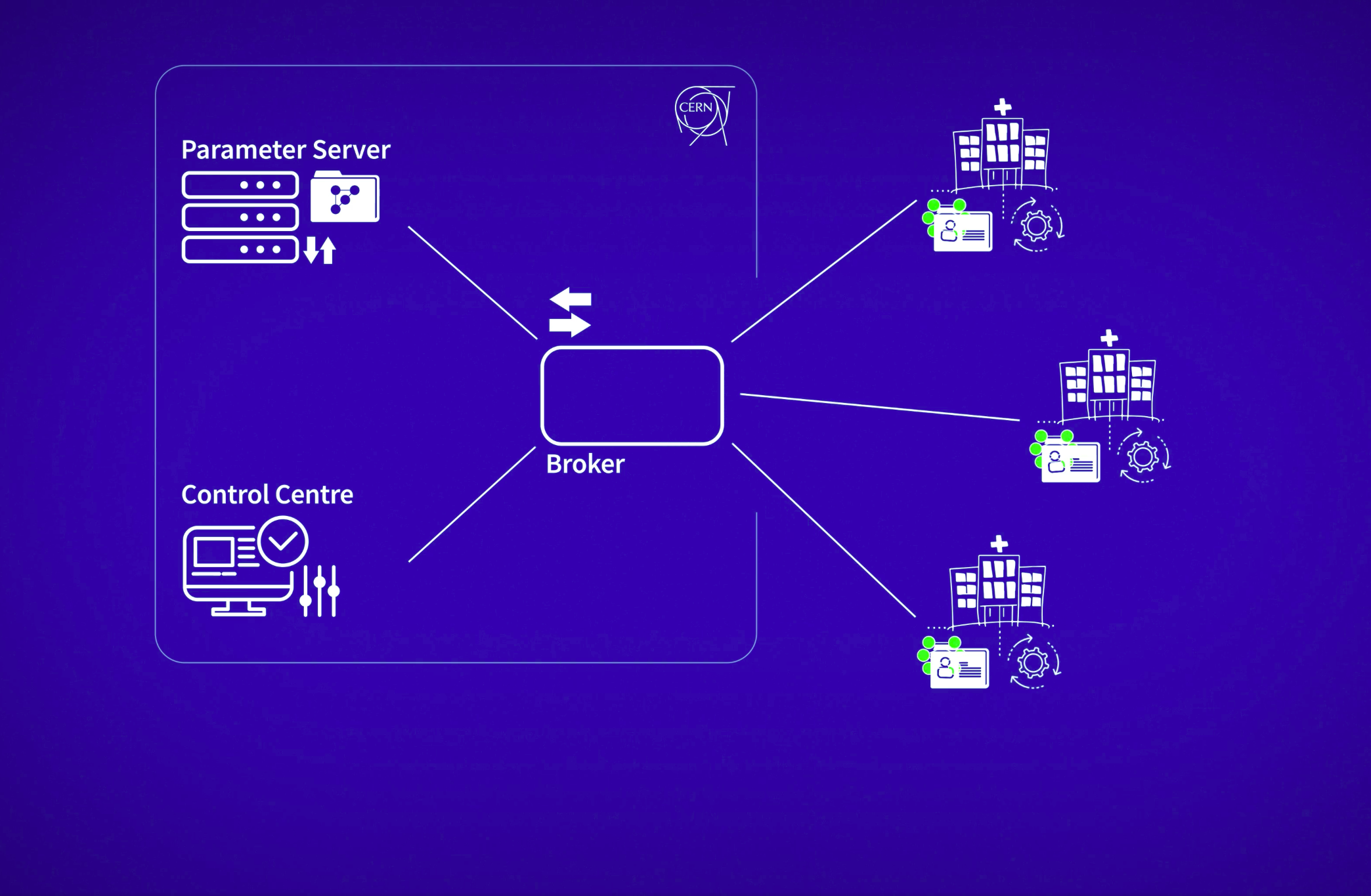
Cafein
Cafein | CAFEIN® is a comprehensive federated platform developed and hosted at CERN. Integrating specialised software components, Infrastructure-as-Code (IaC), and CERN’s robust infrastructure, it’s designed to support large-scale scientific collaboration. Contact Person Alessandro Raimondo Knowledge Transfer Officer a.raimondo@cern.ch Related Articles Projects
-
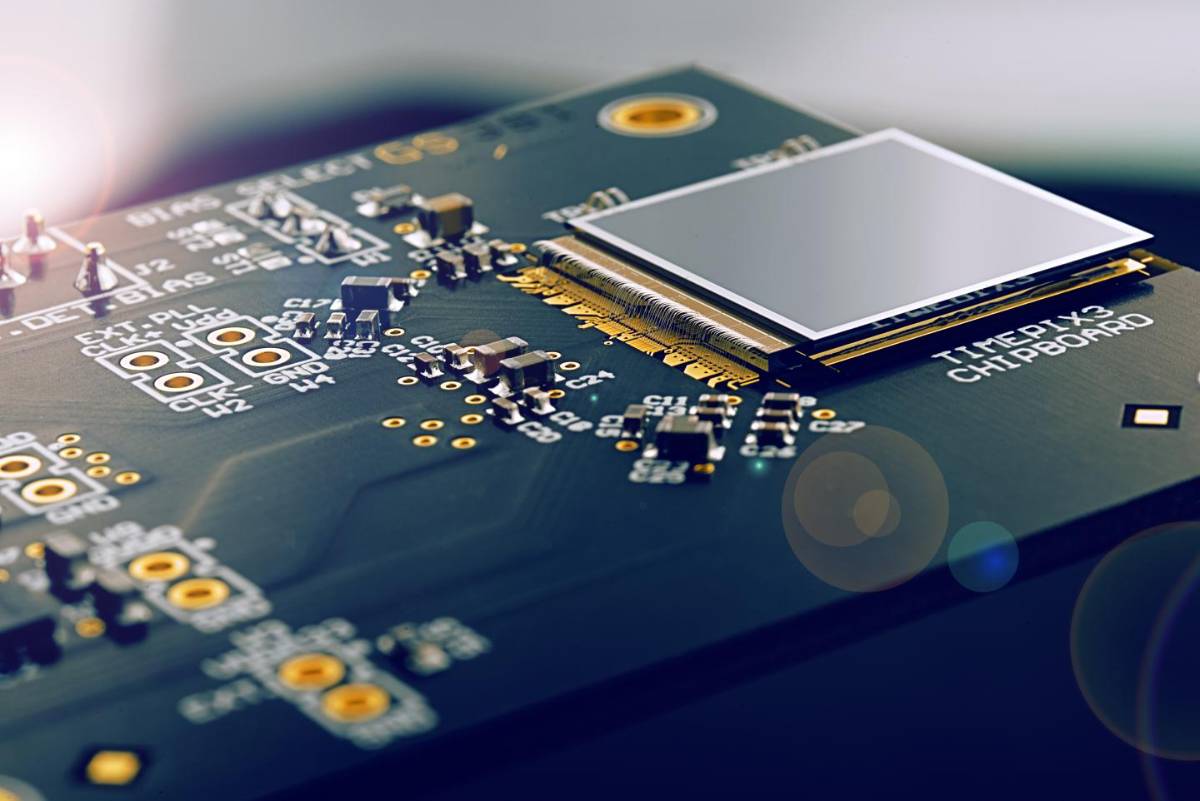
Medipix
Medipix | Medipix3 is a CMOS pixel detector readout chip designed to be connected to a segmented semiconductor sensor. It acts as a camera taking images based on the number of particles which hit the pixels when the electronic shutter is open. However, Medipix3 also permits colour imaging and dead time free operation. A novel
-
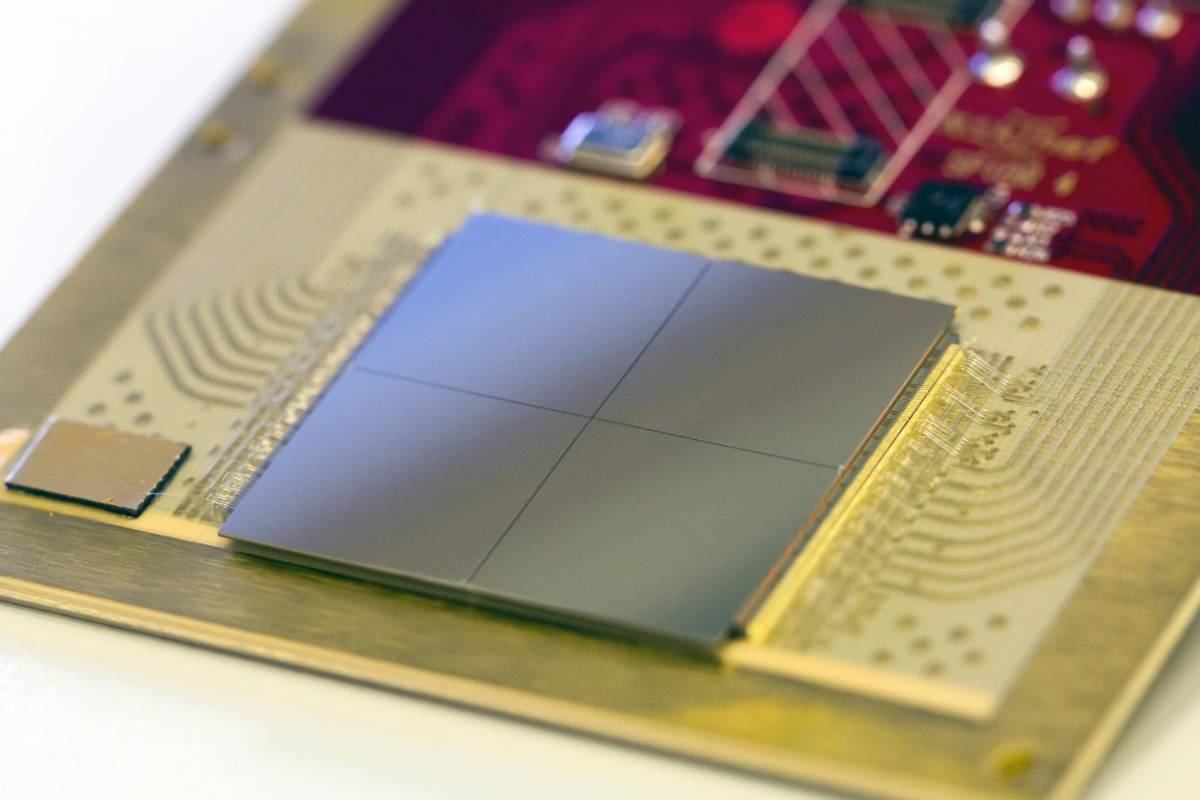
Timepix
Timepix | The original Timepix ASIC is a silicon chip developed at CERN by the Medipix2 Collaboration. The chip is divided into a 256×256 grid of tiny pixels, each one containing thousands of transistors that allow it to detect and analyse radiation. Its successor, Timepix2, can be programmed to operate in one of several modes
-
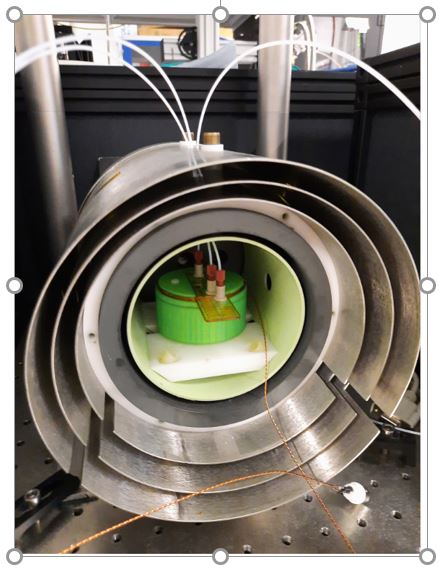
ZULF-RD-NMR: Zero-to-ultralow-field radiation-detected Nuclear Magnetic Resonance
ZULF-RD-NMR: Zero-to-ultralow-field radiation-detected Nuclear Magnetic Resonance | The goal of the project is to combine the advantages of very sensitive radiationdetected NMR (RD-NMR) with the advantages of the very portable zero-to-ultralow-field-NMR (ZULF-NMR), while cancelling some of the respective disadvantages. It will in particular allow abandoning the need for magnetic detection of signals. This should result
-
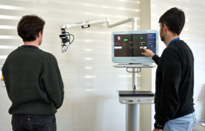
Use of MARCHESE technology in hospital setting
Use of MARCHESE technology in a hospital setting | Need Remote patient monitoring (RPM) is an increasing relevant topic in healthcare: an efficient and reliable RPM system would allow to reduce deaths (by providing timely alerts), costs, burden on the medical staff, cross-infection . The MARCHESE technology, if successful, would blend contactless monitoring with robotics and
-

Support for ENLIGHT Network
Support for ENLIGHT Network | Support for the Enlight network: https://enlight.web.cern.ch/ Funding for activities and personnel : fellow, visiting scientist and trainee. Contact Person Manjit Dosanjh manjit.dosanjh@cern.ch KT Officer: Sandra Muhr sandra.elisabeth.muhr@cern.ch Related Articles Expertise
-
Smart Linac – Smart Anomaly Detection and Maintenance Planning Platform for Linear Accelerators
Smart Linac – Smart Anomaly Detection and Maintenance Planning Platform for Linear Accelerators | The project intends to apply machine learning techniques to decrease maintenance costs and maximize up-time of medical LINACs for particle therapy by applying “personalized” preventive maintenance plans. This one-year pilot intends to evaluate whether this innovative approach would indeed be advantageous for commercial systems,
-
Precise Timing ASICs for Medical Applications
Precise Timing ASICs for Medical Applications | Need: Fast-timing detectors are crucial in fields like PET and mass spectrometry, significantly improving precision and accuracy and leading to enhanced image quality and more precise analytical results invaluable in research and diagnostics. Goal: The FastIC and FastIC+ projects have focused on designing and characterising the ASICs. The
-
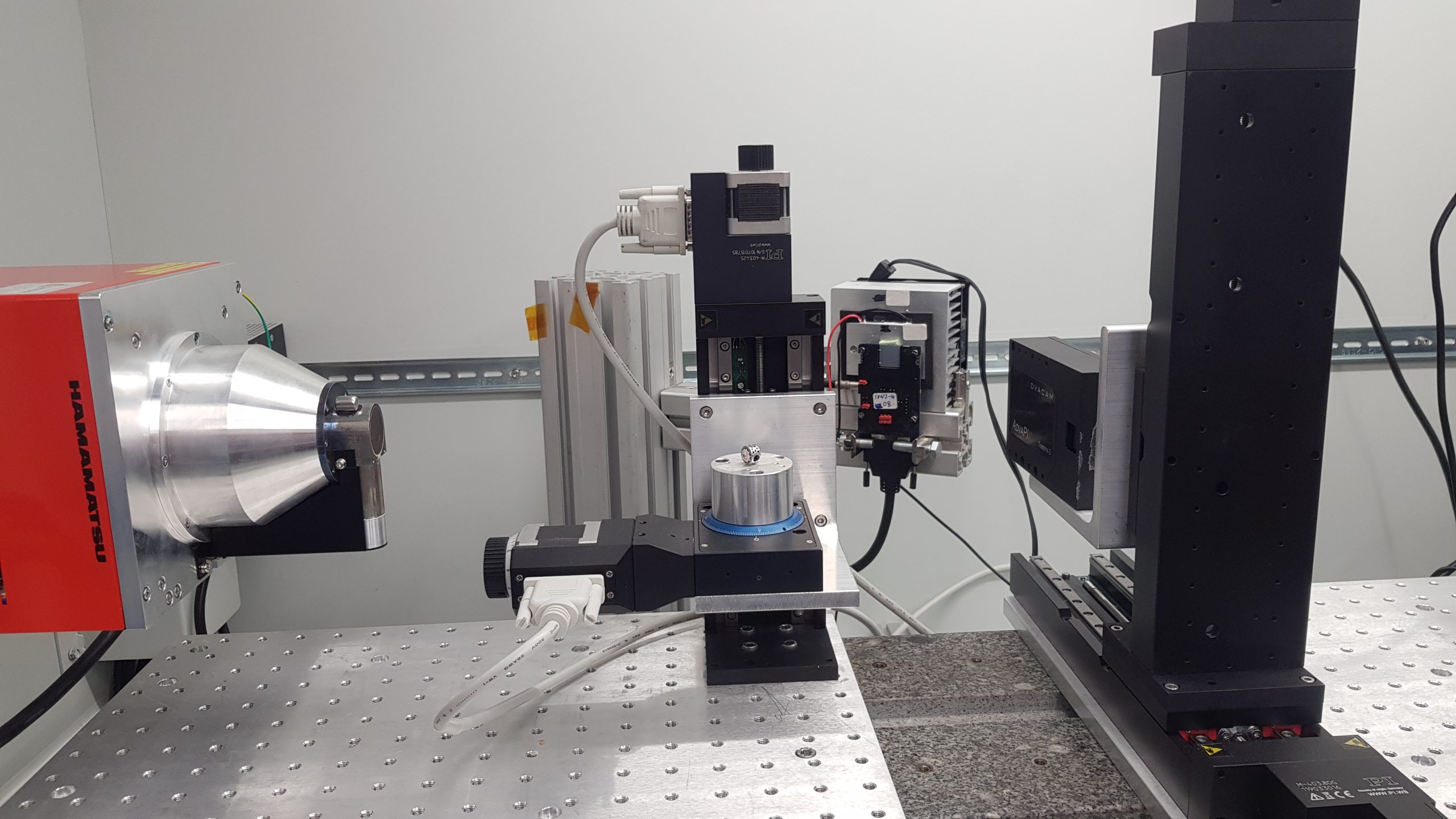
Potential and limitations of SPectroscopic X-RAY Imaging in Radiology and Medical Computed Tomography (SPECXRAY-IRMCT)
Potential and limitations of SPectroscopic X-RAY Imaging in Radiology and Medical Computed Tomography (SPECXRAY-IRMCT) | The main goal of the project is to use the extensive know-how on spectroscopic imaging on the ASIC point of view to better understand the behaviour of high –Z sensors. A PhD student will be hired to perform this study
-
NIMMS – Next Ion Medical Machine Study
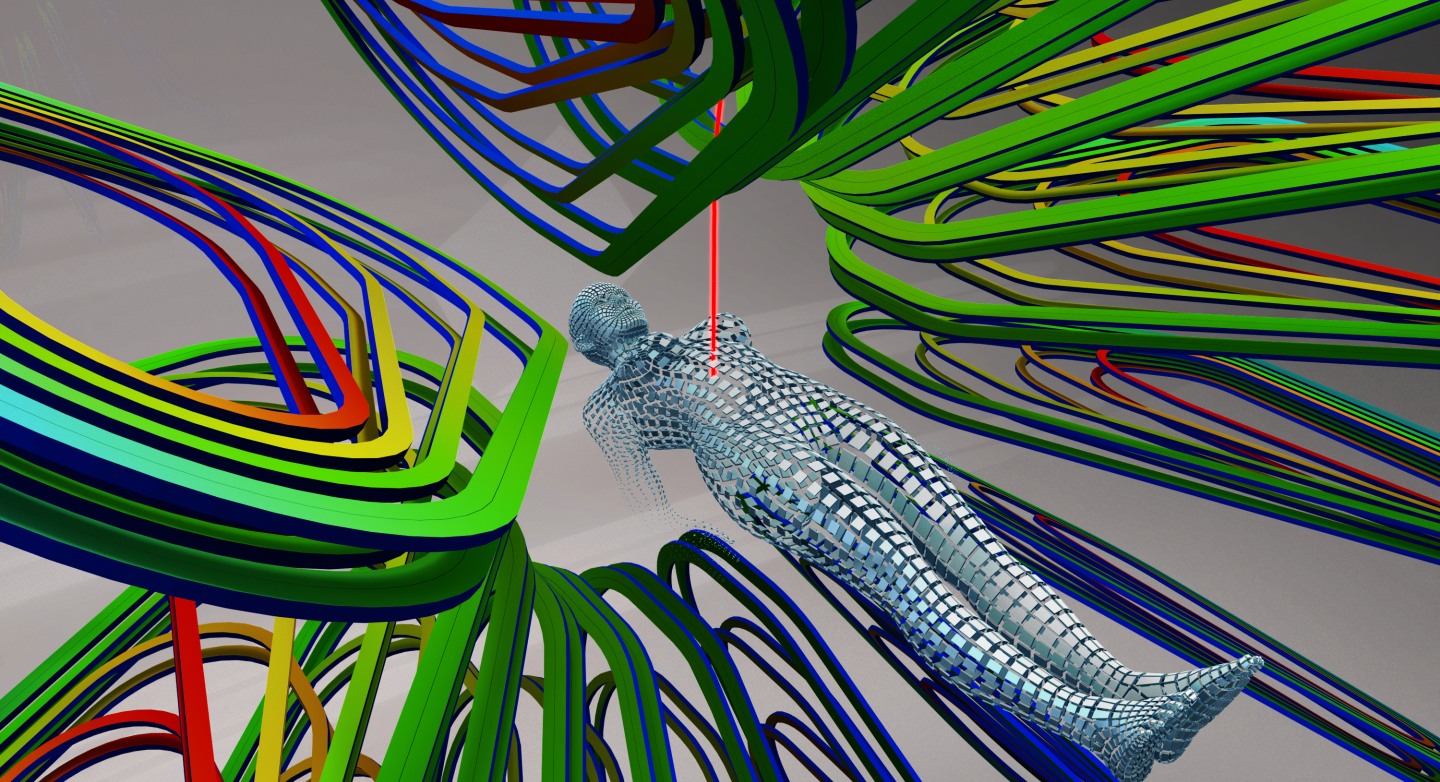
NIMMS – Next Ion Medical Machine Study | NIMMS aims to develop technologies for the next generation of compact, performant and lower cost accelerators for ion therapy cancer treatment. The project outlines an R&D programme for the development of related critical accelerator technologies ; the programme builds on existing activities and on core CERN competences. Two
-
MARCHESE – Machine leArning based human ReCognition and HEalth monitoring SystEm
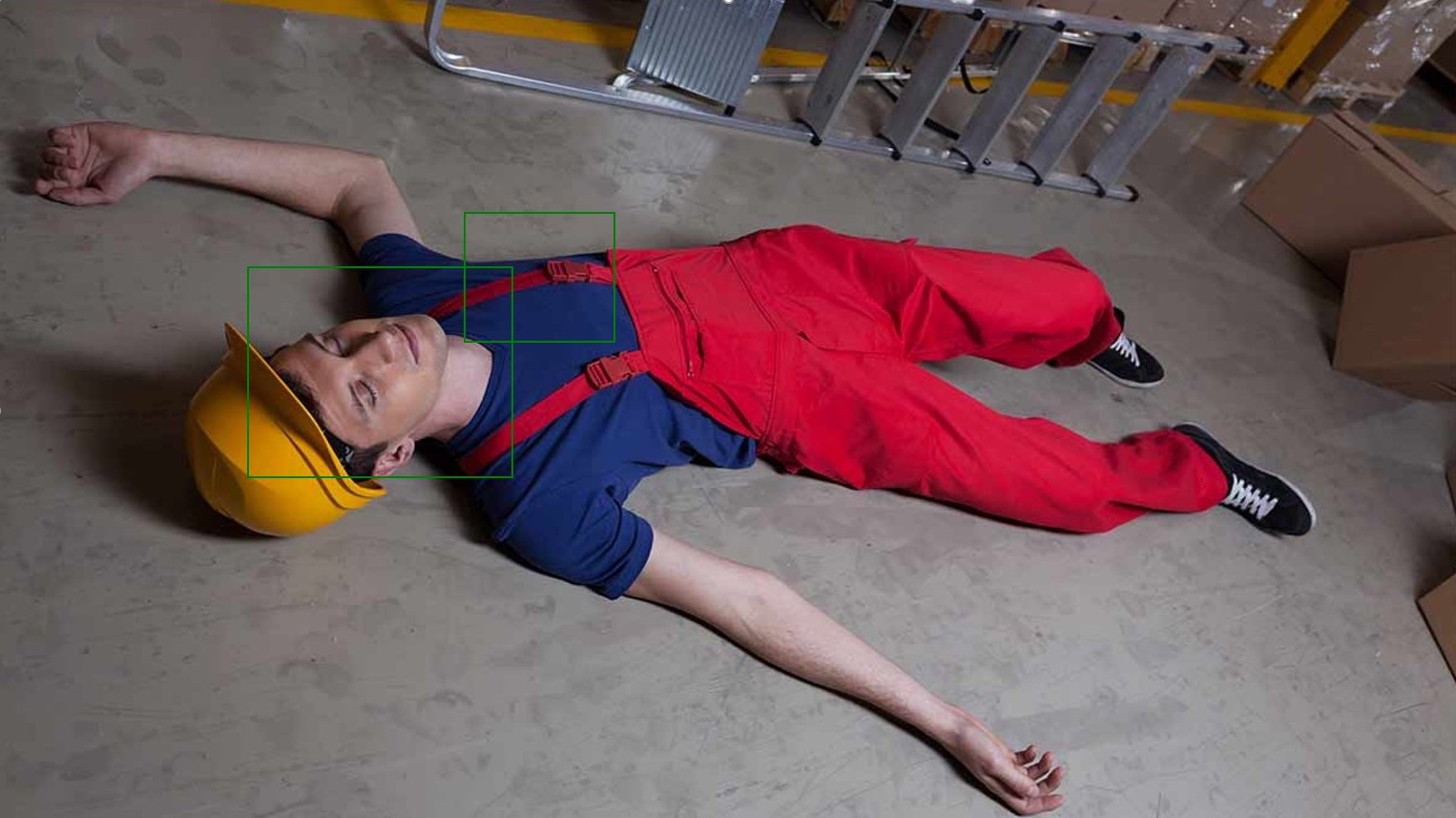
MARCHESE – Machine leArning based human ReCognition and HEalth monitoring SystEm | MARCHESE (Machine leArning based human ReCognition and HEalth monitoring SystEm) will develop an inexpensive, lightweight and portable device to recognise human beings and monitor at a distance health parameters (such as temperature and respiration rate). The system will use artificial intelligence technologies to detect persons and
-
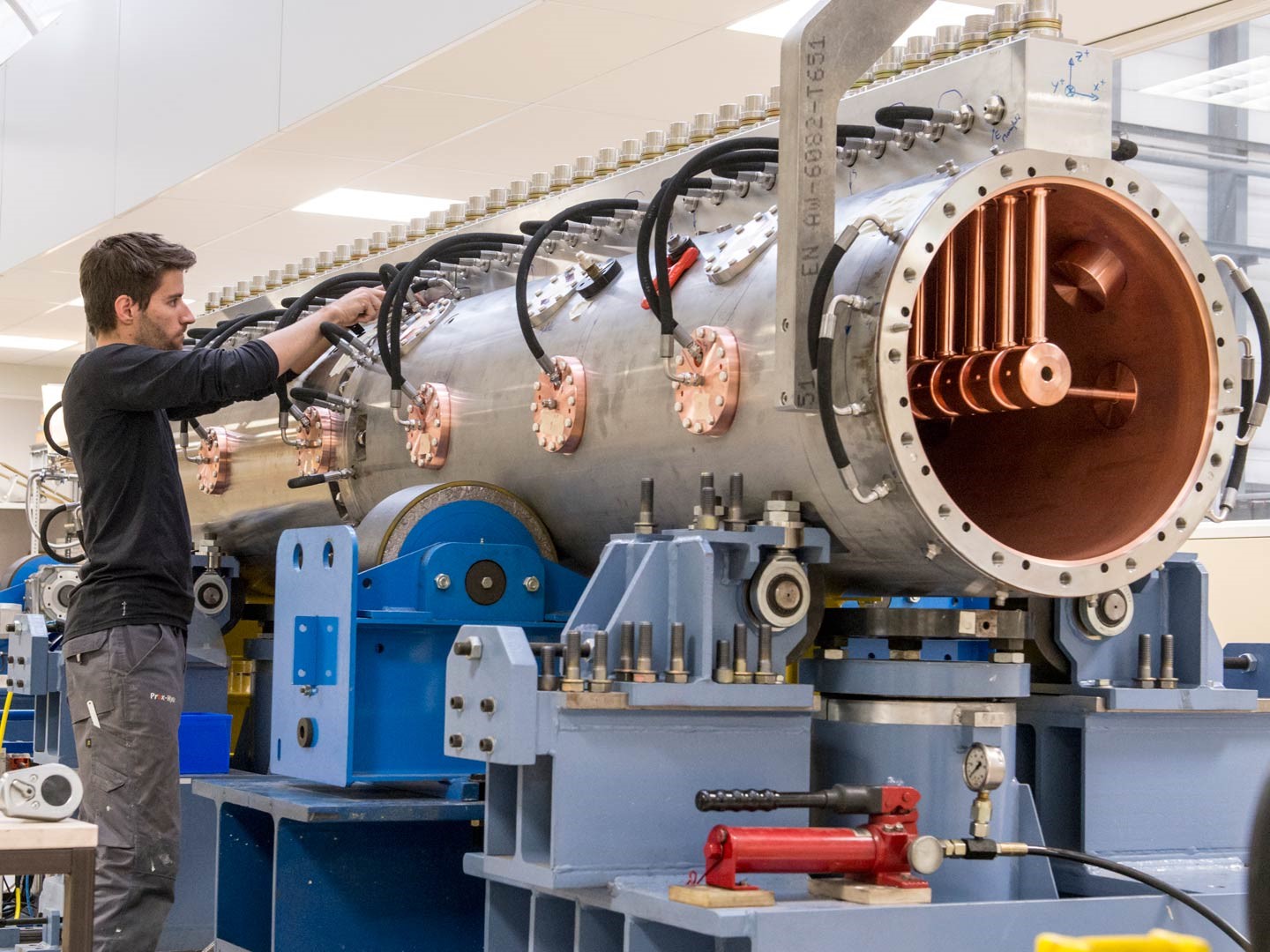
High-Frequency Low Energy Compact RFQ
High-Frequency Low Energy Compact RFQ | This project aims at studying the feasibility of an extremely compact source such that the source extraction system is integrated into the RFQ vacuum and RF envelope, in order to create a compact injector for the compact RFQ. It is considered a logical continuation of previous efforts developing the
-
GEMPix4
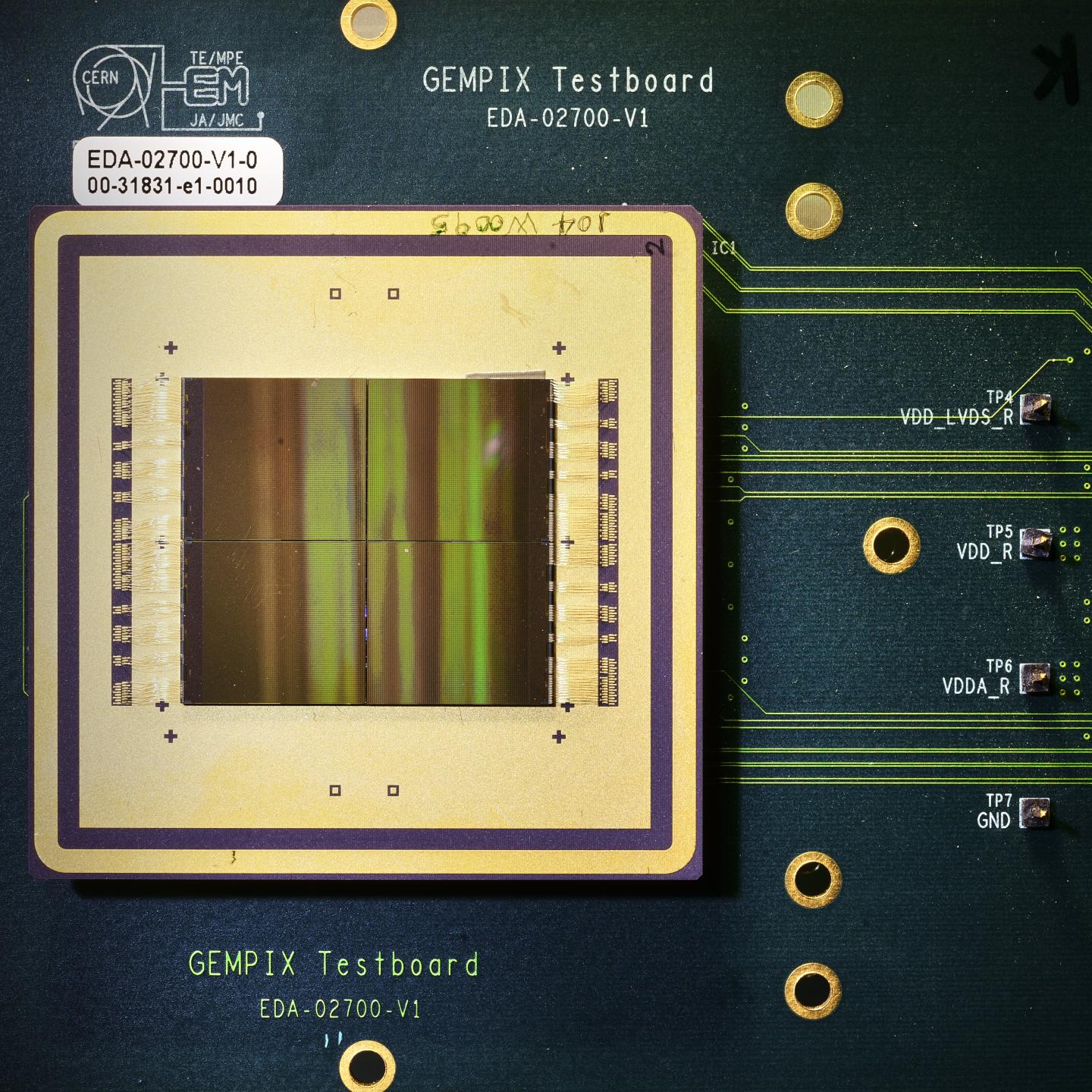
GEMPix4 | Develop an advanced detector for imaging and dosimetry in hadron and radio therapy by coupling GEM and Timepix4 technologies. The goal of the project is to set new standards in QA, beam characterization and even microdosimetry in hadron therapy; the detector will also work with photon beams used in conventional radiation therapy, and
-
FastIC Read-out chips for High-energy Physics and Medical Technologies
FastIC Read-out chips for High-energy Physics and Medical Technologies | The NINO ASIC (implemented in 250nm CMOS) is a chip for the read-out of fast radiation detectors (SiPMs, MCPs); it is widely used in high-energy physics and in other fields of science. This project aims to develop a design upgrade in a deeper sub-micron technology
-
Enabling Novel Tracers for MRI and NMR
Enabling Novel Tracers for MRI and NMR | Need: The development of new contrast agents or tracers for MRI is vital for advancing healthcare, research, and diagnostics, allowing for more accurate and detailed imaging and insights into various biological processes and diseases. These novel tracers should allow to perform NMR/MRI scans in lower magnetic fields,
-
Electron gun for EBIS injector
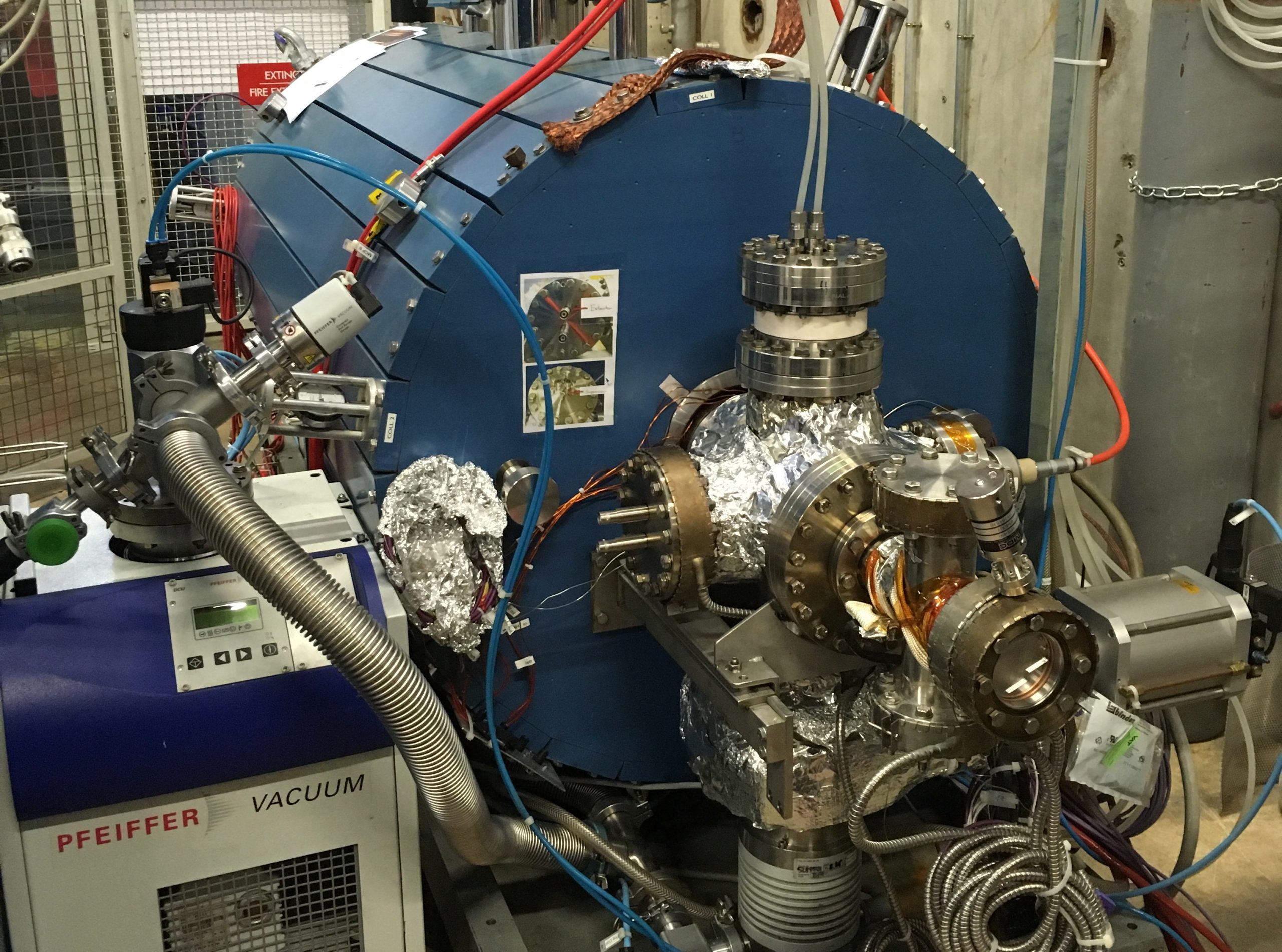
Electron gun for EBIS injector | Second generation Ion Beam Therapy facilities use new accelerator types, new gantry geometries and require fast tuning of the beam energy for spot scanning. This imposes higher demands on the ion source in terms of repetition rate, pulse length, pulse intensities and the ability to accelerate C6+ ions. The
-
Development of TOF-PET modules toward 10ps time resolution
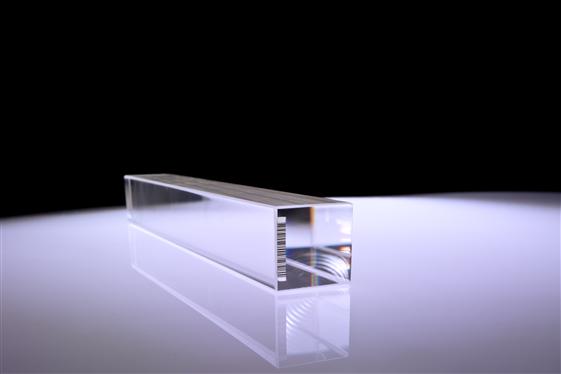
Development of TOF-PET modules toward 10ps time resolution | The project aims to develop detector modules with simultaneous high performance in terms of measuring the Depth of Interaction (DOI) of incoming gamma rays and the coincidence time resolution (CTR). This shall be achieved by further developing the concept of heterostructure scintillators. The researchers suggest combining
-
Development of the FLUKA code for hadron therapy
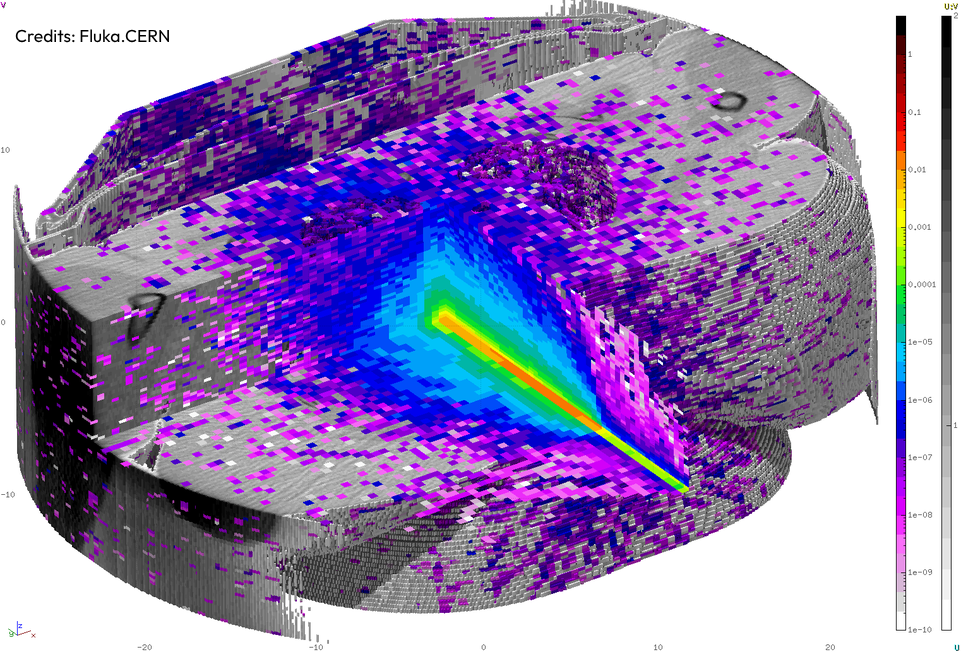
Development of the FLUKA code for hadron therapy | This project is based on the Fluka Monte Carlo code, the multi particle tracking code used throughout CERN. It is proposed to develop the Fluka nuclear interaction models in order to investigate the possibility of fully replacing or combining carbon therapy treatments based on 12C ions with treatments
-
Development of large-area GEMPix detector for imaging and microdosimetry
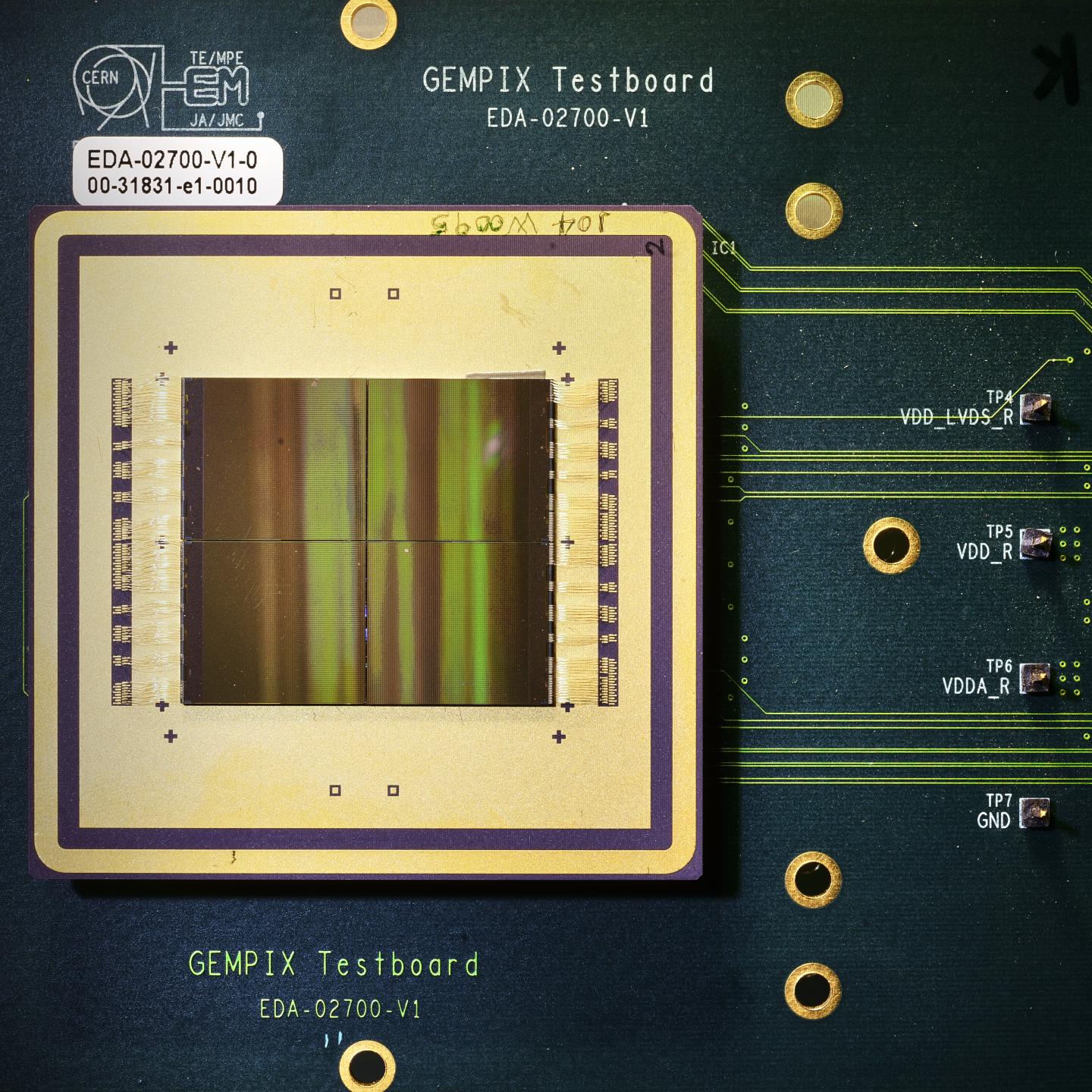
Development of large-area GEMPix detector for imaging and microdosimetry | The GEMPix is a novel detector developed in the course of the EU-funded Marie Curie project ARDENT (February 2012 – January 2016) coordinated by CERN. The detector was designed by coupling two CERN technologies, a small triple Gas Electron Multiplier (GEM) detector (3×3×1.2 cm3 active volume) to
-
Development of accelerating structures for a FLASH radiation facility
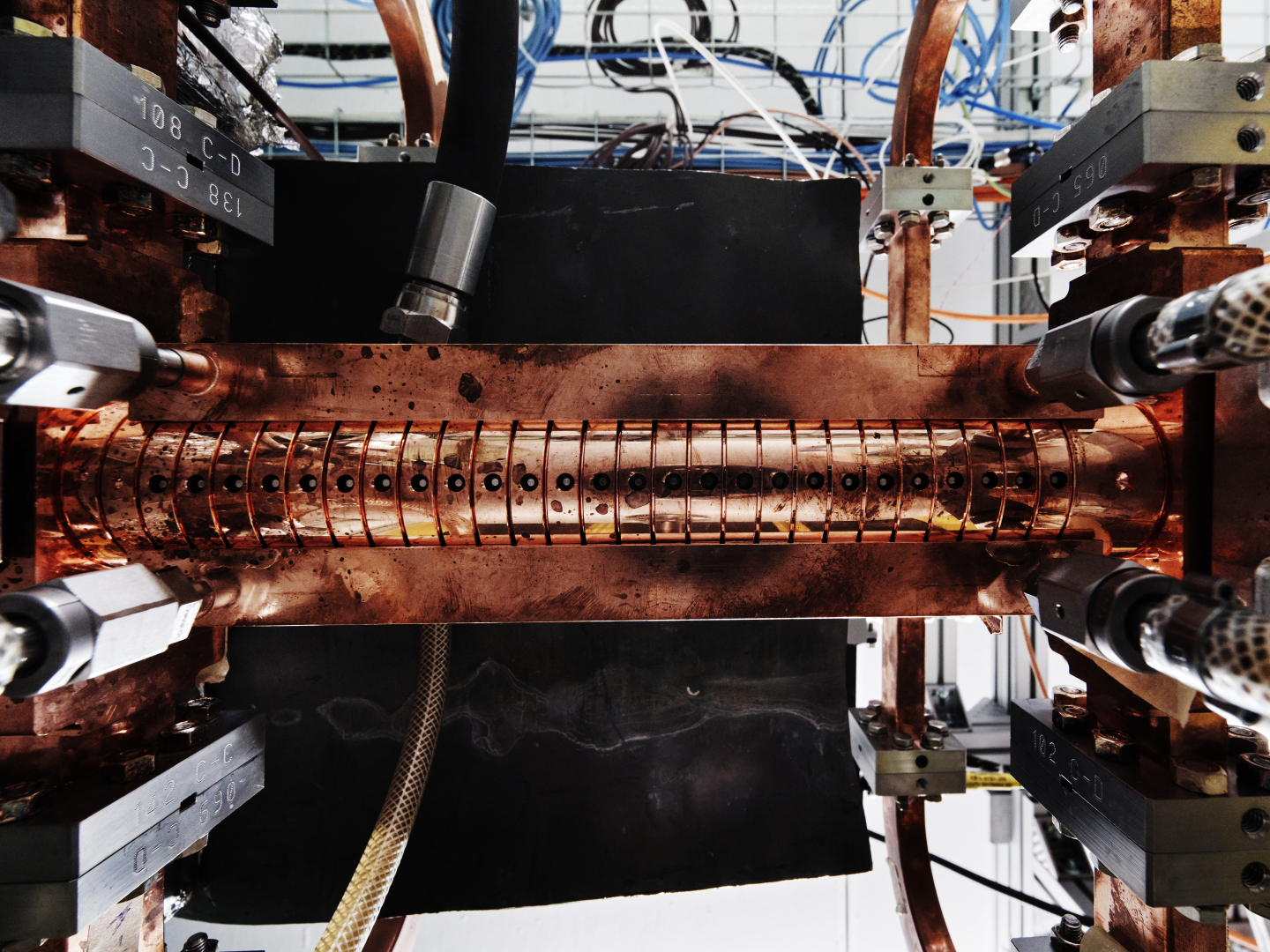
Development of accelerating structures for a FLASH radiation facility | CERN collaborates with CHUV (Lausanne) on the design of an innovative clinical FLASH radiation therapy facility. The baseline design is nearly complete and a Conceptual Design Report (CDR) is being written. With the feasibility of the baseline design established, the priority for the design effort
-
Development of a non-destructive beam monitor based on Timepix3 for particle therapy (BGI)
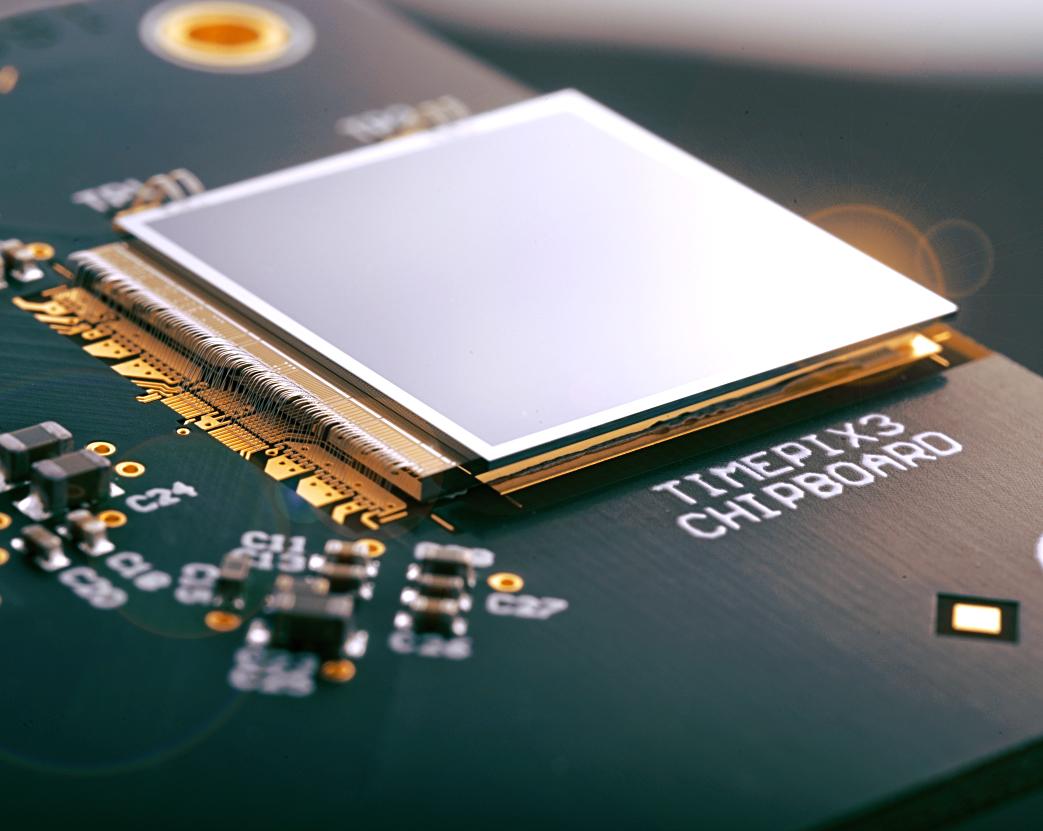
Development of a non-destructive beam monitor based on Timepix3 for particle therapy (BGI) | Beam instrumentation at a particle therapy facility is vital to ensure optimal dose delivery to the patient. An ideal beam monitor would operate continuously during the beam delivery, being completely transparent to the beam and sample beam parameters with sufficient frequency
-
Design and prototyping of HTS magnets for medical gantry applications (GaToroid)
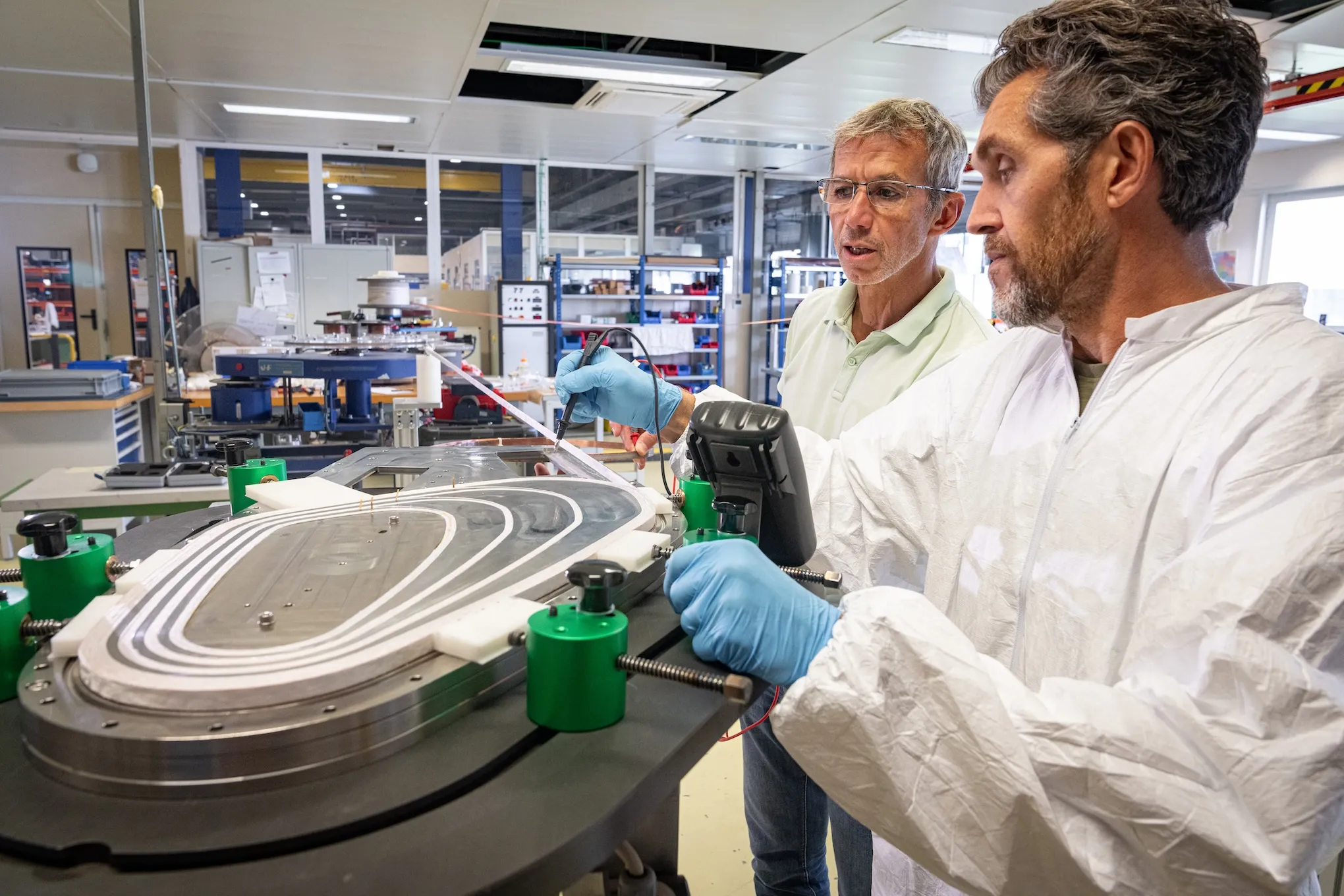
Design and prototyping of HTS magnets for medical gantry applications (GaToroid) | GaToroid is an innovative gantry design based upon a toroidal magnet concept, which eliminates the need to rotate the structure. The gantry comprises a set of discrete superconducting coils constituting the toroidal magnet, and a bending device at the entrance of the structure. By
-
Computing Resources for medical applications
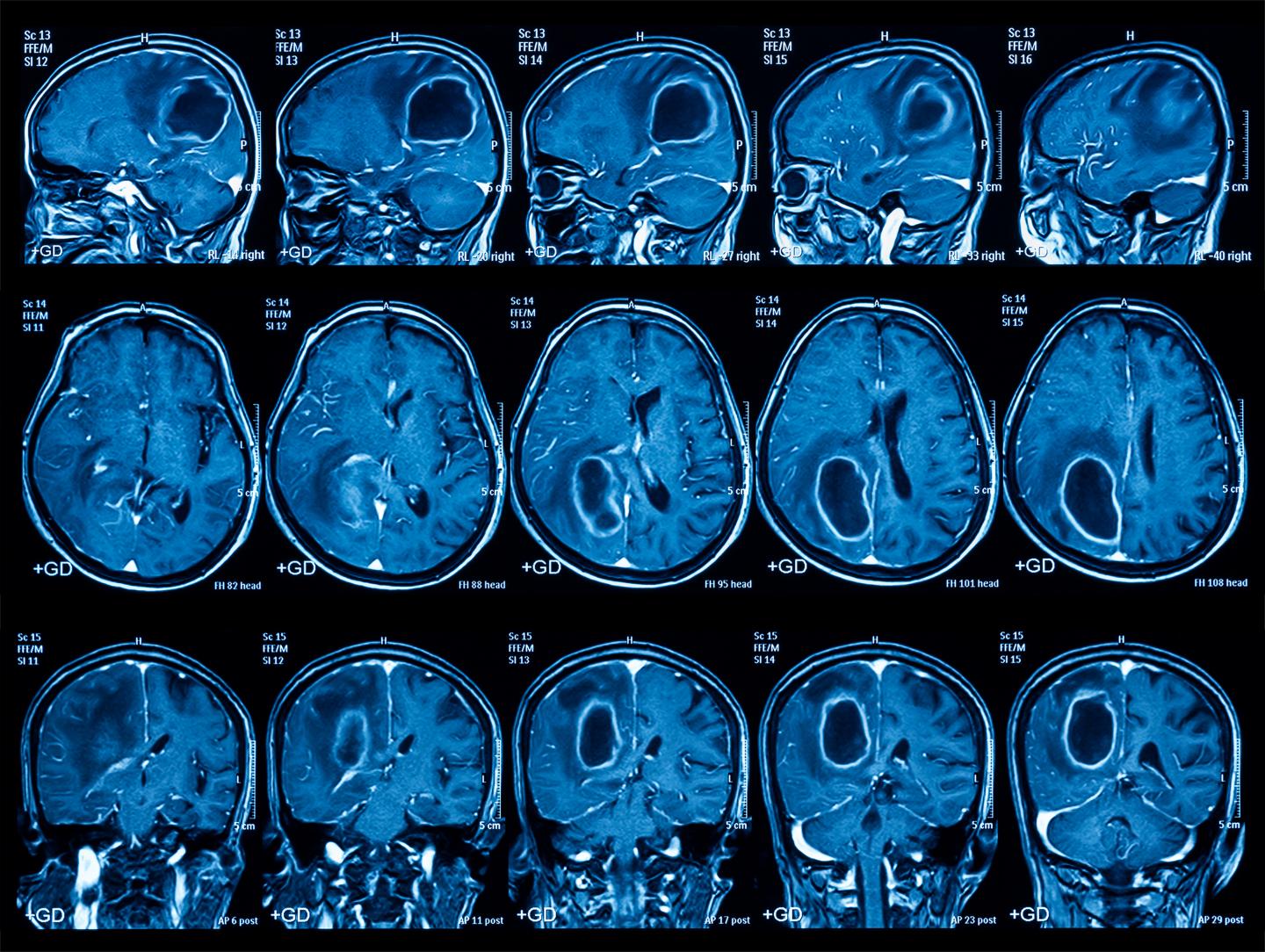
Computing Resources for medical applications | We propose to fund computing and storage resources independently from individual projects by using a small fraction of the yearly Medical Applications material budget. Projects would still be required to be approved via the agreed process. Given the current level of seed budget allocated to the Medical Applications activities, we
-
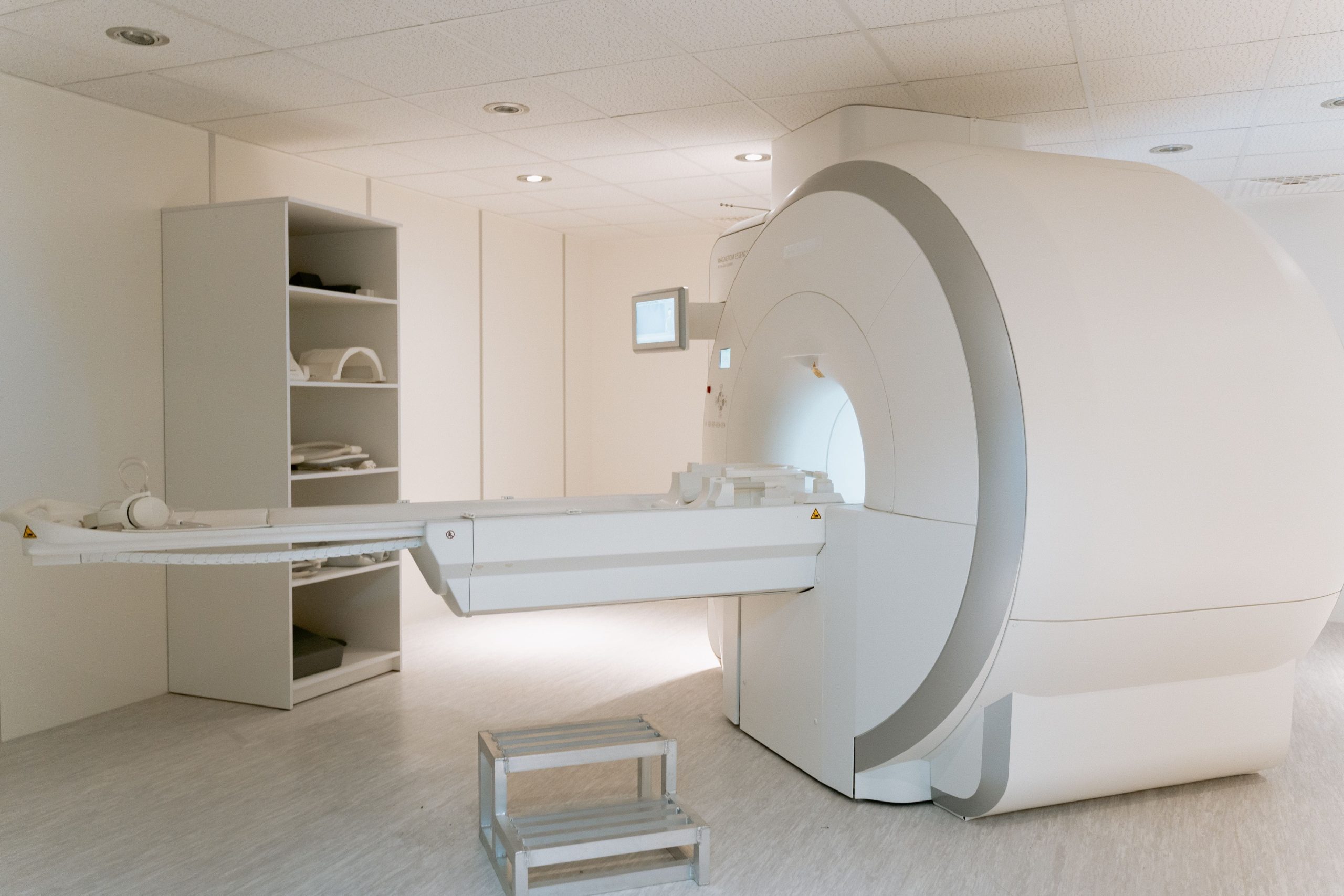
Compact, light, fast trimmable magnets for medical accelerators
Compact, light, fast trimmable magnets for medical accelerators | The aim of this project is to produce a prototype magnet in order to demonstrate the feasibility of a new generation of compact, and therefore less expensive, medical gantries for cancer particle therapy. The study on this magnet was tailored to particle-therapy machines designed by the
-
Characterisation of the Timepix4 for measurements in hospital theatres.
Characterisation of the Timepix4 for measurements in hospital theatres. | Builds on the work jointly done by CERN and at the Lausanne University Hospital (CHUV) in a previous MA-funded project, which used the photon counting Timepix3 detector as a tool for radiation field characterisation. The goal of this new project is to use Timepix4 to
-
CAiMIRA
CAiMIRA | CAiMIRA (formerly CARA) is a risk assessment tool which models the airborne transmission of viruses, such as SARS-CoV-2, and can estimate the concentration of viruses in enclosed spaces to aid space-management decisions. In collaboration with WHO, the project aims at expanding the CAiMIRA technology (new interface, improvements of the model, automatised inclusion of new literature)
-
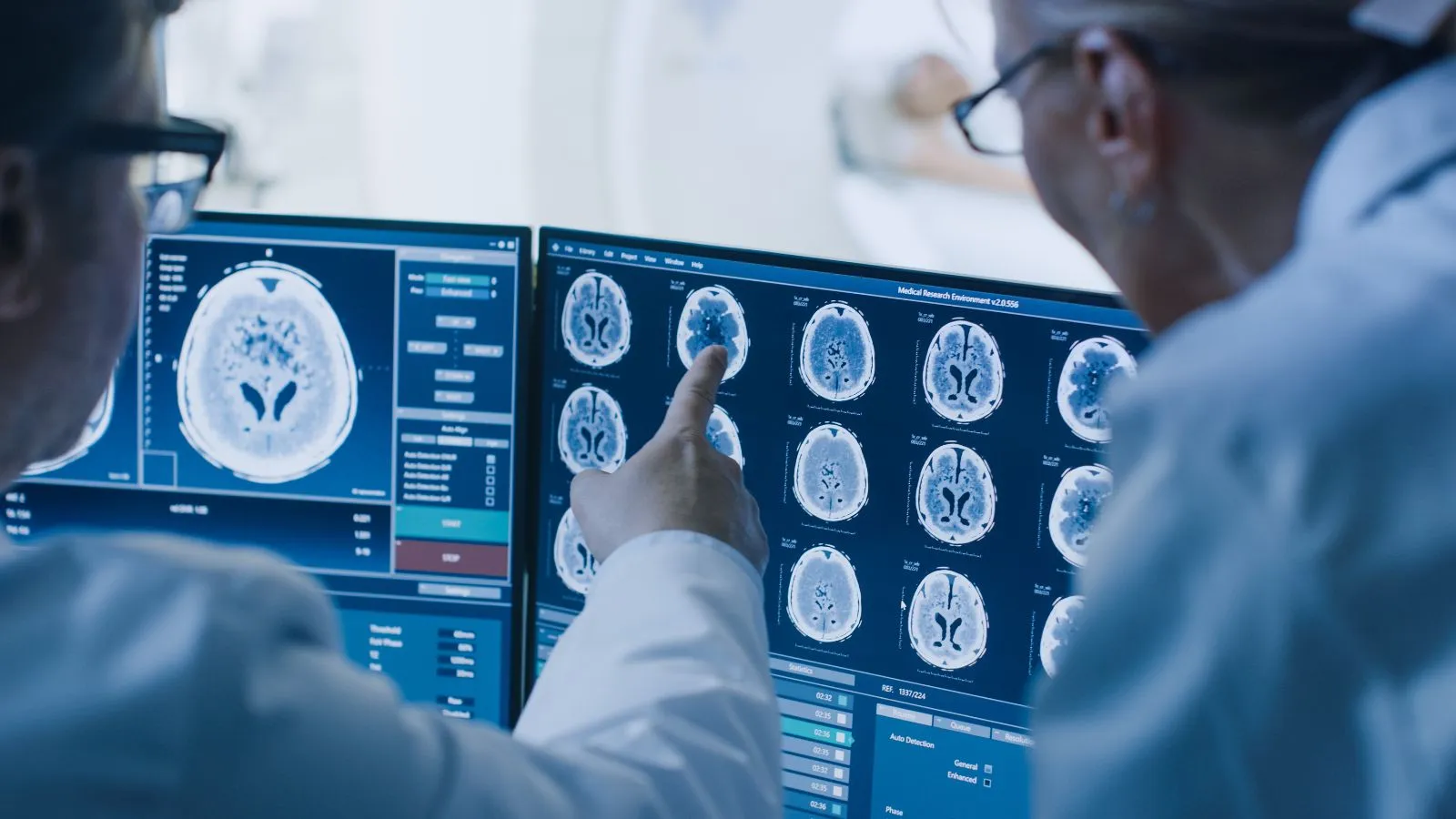
CAFEIN – Federated network platform for the development and deployment of AI based analysis and prediction models
CAFEIN – Federated network platform for the development and deployment of AI based analysis and prediction models | A novel AI-based tool to assist clinicians, patients and caregivers in the analysis, diagnosis and prognosis of diseases based on the integration of clinical and patient data over a Federated Learning (FL) infrastructure developed and hosted by
-
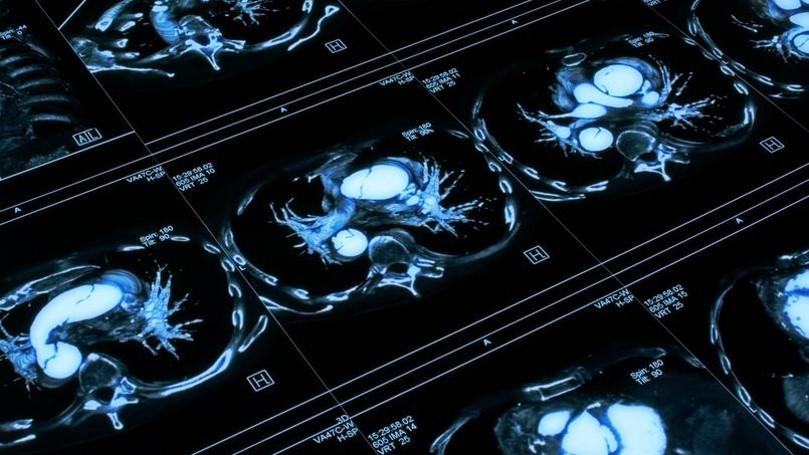
A novel AI-based tool deployed via a federated learning platform to assist in the screening, diagnosis, prevention and therapy evaluation of breast and prostate cancer (CAFEIN2)
A novel AI-based tool deployed via a federated learning platform to assist in the screening, diagnosis, prevention and therapy evaluation of breast and prostate cancer (CAFEIN2) | The unmet clinical need raised by IARC (the International Agency for Research on Cancer of WHO): developing data-driven algorithms based on medical data, diet, nutrition, lifestyle and environmental
-
A highly selective, high-flux mass separator for Medical Applications
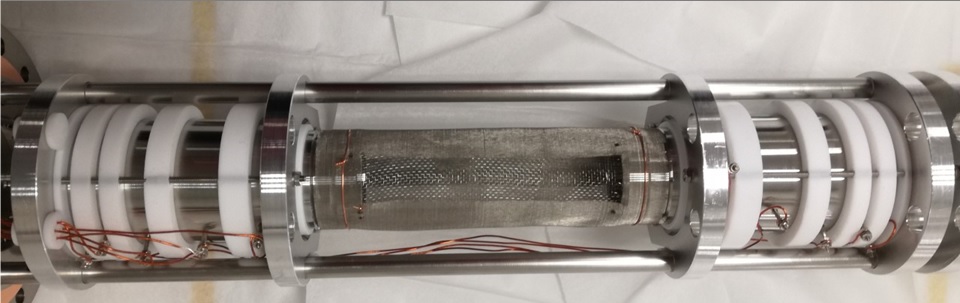
A highly selective, high-flux mass separator for Medical Applications | This project aims at developing a new device for fast mass separation of radioisotopes, in combination with a laser spectroscopy device developed in the frame of an ERC project. These high fluxes of radioisotopes would be useful for medical use (e.g. Terbium), solid state material
-
SF6-free S-band circulator for photo injectors
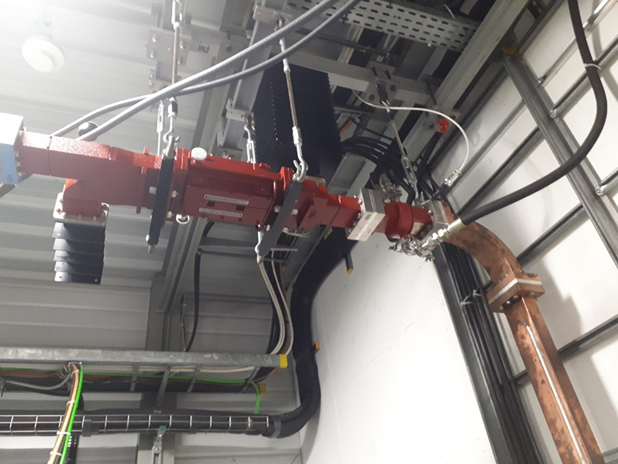
SF6-free S-band circulator for photo injectors | SF6 is a highly polluting greenhouse gas used in high-power waveguide circulators, which are key Radio-Frequency devices used in particle accelerators, whether for particle physics or medical purposes. The goal of the project is to remove the need for SF6 in one of two ways: developing a circulator able
-
FLASH
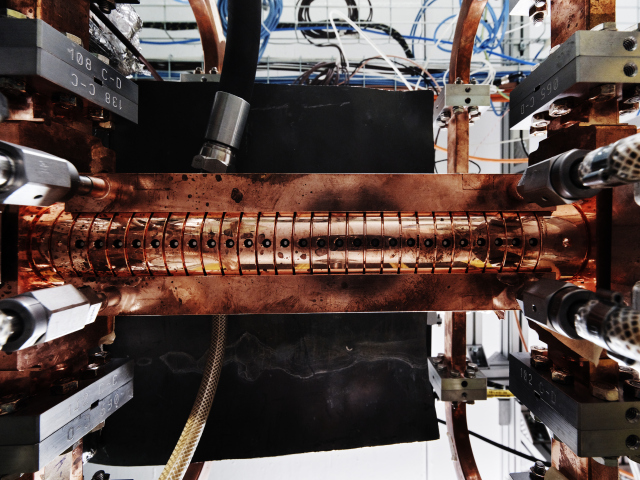
FLASH | An innovative electron radiotherapy technology Many breakthrough applications in the medical field have resulted from developments in particle physics research. One such example is the use of very high-energy electrons (VHEE) for a frontier radiotherapy technique called FLASH radiotherapy, a highly targeted cancer treatment, capable of reaching deep into a patient’s body with fewer side-effects than
-
Overview of Medipix
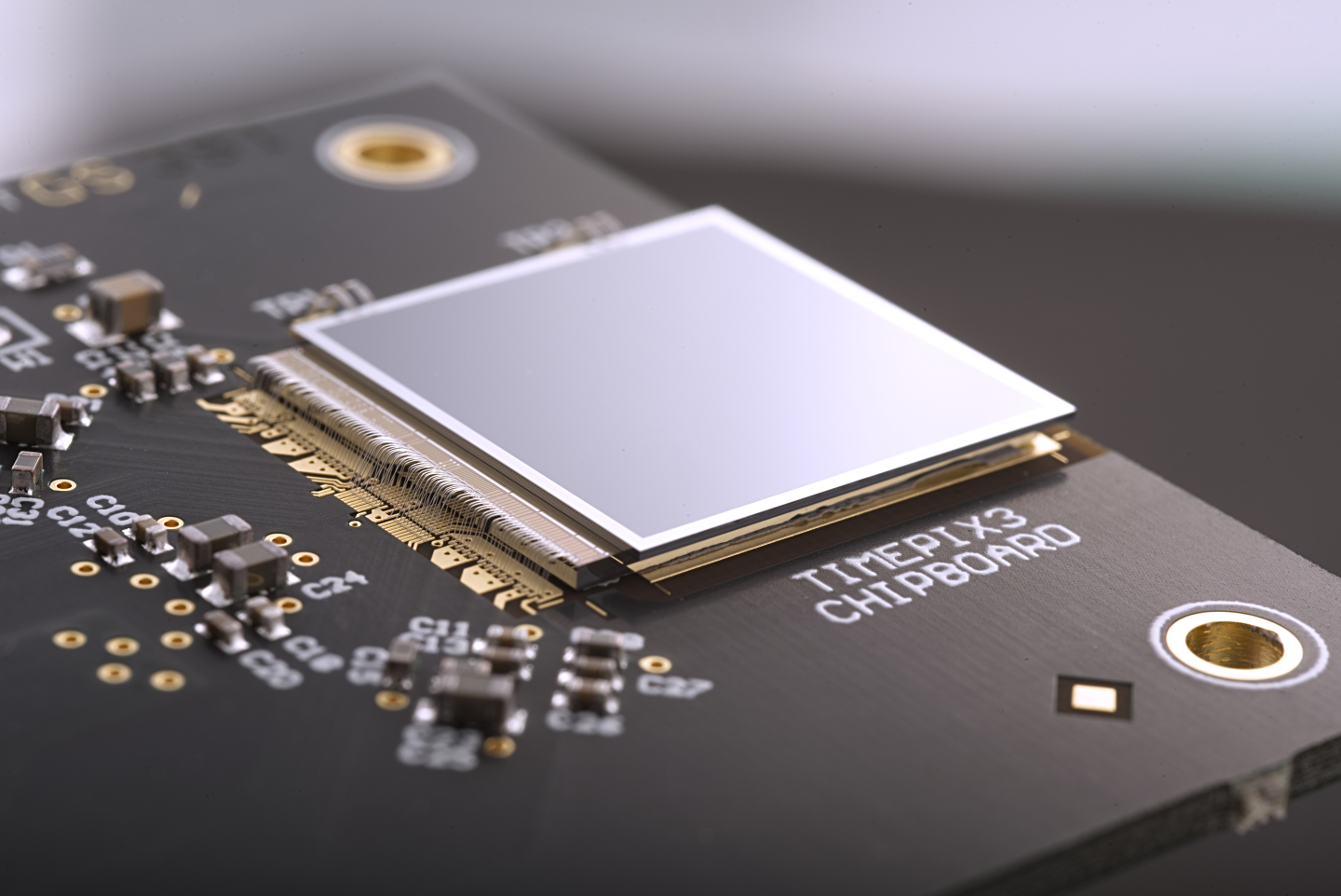
Overview of Medipix | A family of pixel detector read-out chips for particle imaging and detection developed by the Medipix Collaborations The family of Medipix and Timepix read-out chips represents one of CERN’s most successful technology-transfer cases. Developed with the support of four successive Medipix Collaborations involving a total of 37 research institutes, the technology is inspired
-
NIMMS – compact and cost-effective ion-therapy facilities
NIMMS – compact and cost-effective ion-therapy facilities | CERN has been actively transferring its technologies to radiotherapy for decades. In 2019, CERN launched the Next Ion Medical Machine Study (NIMMS) to develop cutting-edge accelerator technologies for a new generation of compact and cost-effective ion-therapy facilities. The goal being to propel the use of ion therapy, which uses carbon and
-
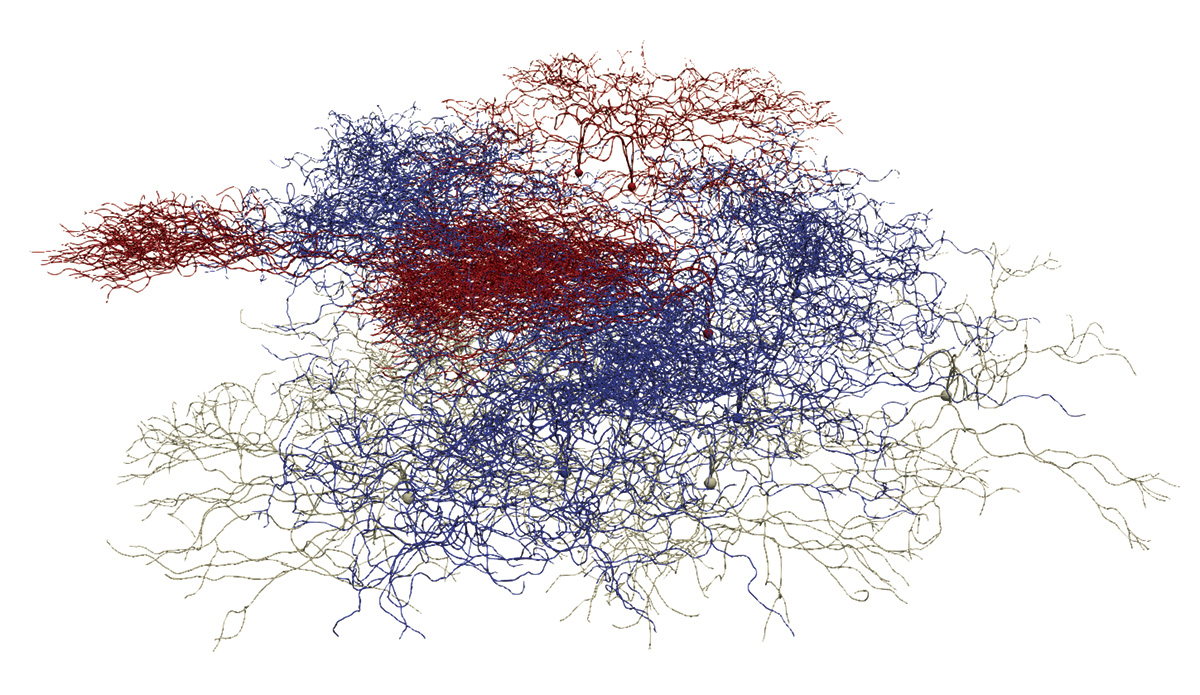
Digital Technology for Health
Digital Technology for Health | From physics simulation tools to biomedical applications The expertise of particle physicists in data handling and simulation tools are also increasingly finding applications in the biomedical field. The FLUKA and Geant4 simulation toolkits, for example, are being used in several applications, from detector modelling to treatment planning. Recently, CERN contributed its know-how in large-scale
-

FLUKA
FLUKA | FLUKA (FLUktuierende KAskade or Fluctuating Cascade) is a general purpose tool for calculations of particle transport and interactions with matter. FLUKA can simulate, with high accuracy, the interaction and propagation of about 60 different types of particles in matter, including photons and electrons from 1 keV to thousands of TeV, neutrinos, muons of
-
IoT-Enabled Stroke Patient Monitoring and Therapy Evaluation through AI Federated Learning
IoT-Enabled Stroke Patient Monitoring and Therapy Evaluation through AI Federated Learning | Federated learning is regarded as a viable method for implementing innovative healthcare applications without exchanging raw data. CERN has successfully designed, developed, and implemented a Federated Learning (FL) Platform through the CAFEIN Project, financed by the MA budget. A final step towards fully
-
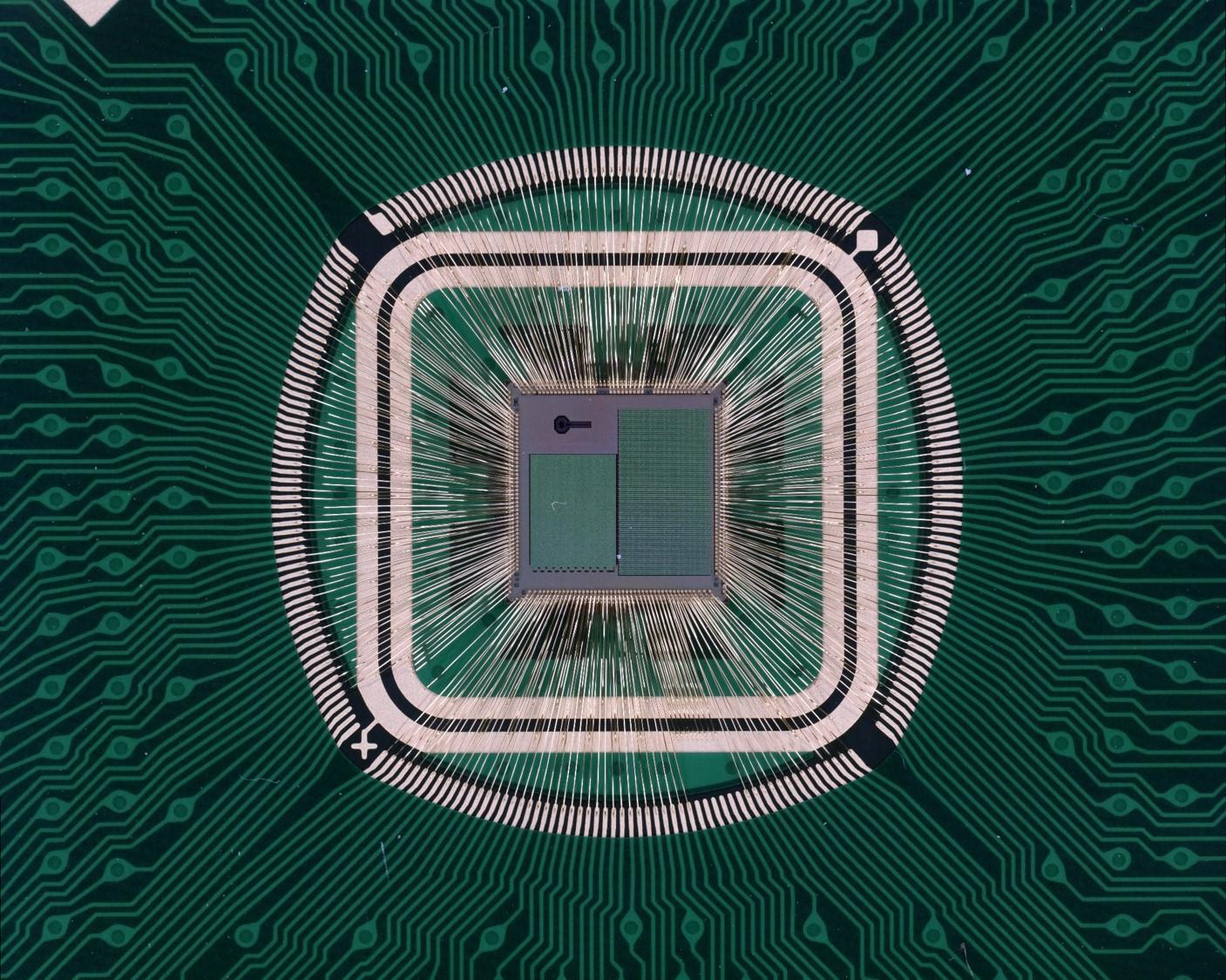
A readout ASIC for fast detectors with Time-to-To Digital conversion
A readout ASIC for fast detectors with Time-to-To Digital conversion | This project seeks to develop a multichannel readout ASIC with each channel incorporating a fast front-end and timestamping (using a Time to Digital converter or TDC) with a time bin of 20 ps. It builds on experience already gained with the FastIC, an 8
-
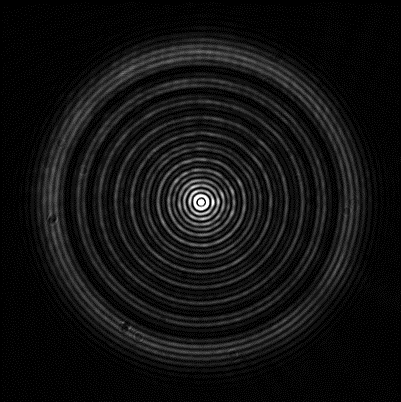
Structured Laser Beam
Structured Laser Beam | The Structured Laser Beam represents a new paradigm in the creation of non-diffractive beams (NDBs) and it has the potential to greatly improve a number of mainstream applications using laser beams or light beams. With a very low divergence that keeps the spot size within a few millimetres even at distances
-
ROOT
ROOT | ROOT is a general-purpose framework that provides an object oriented set of tools with all the functionality needed to handle and analyze large amounts of data in an extremely efficient way. It defines the data as a set of objects, and then specialized storage methods are used to get direct access to the separate
-
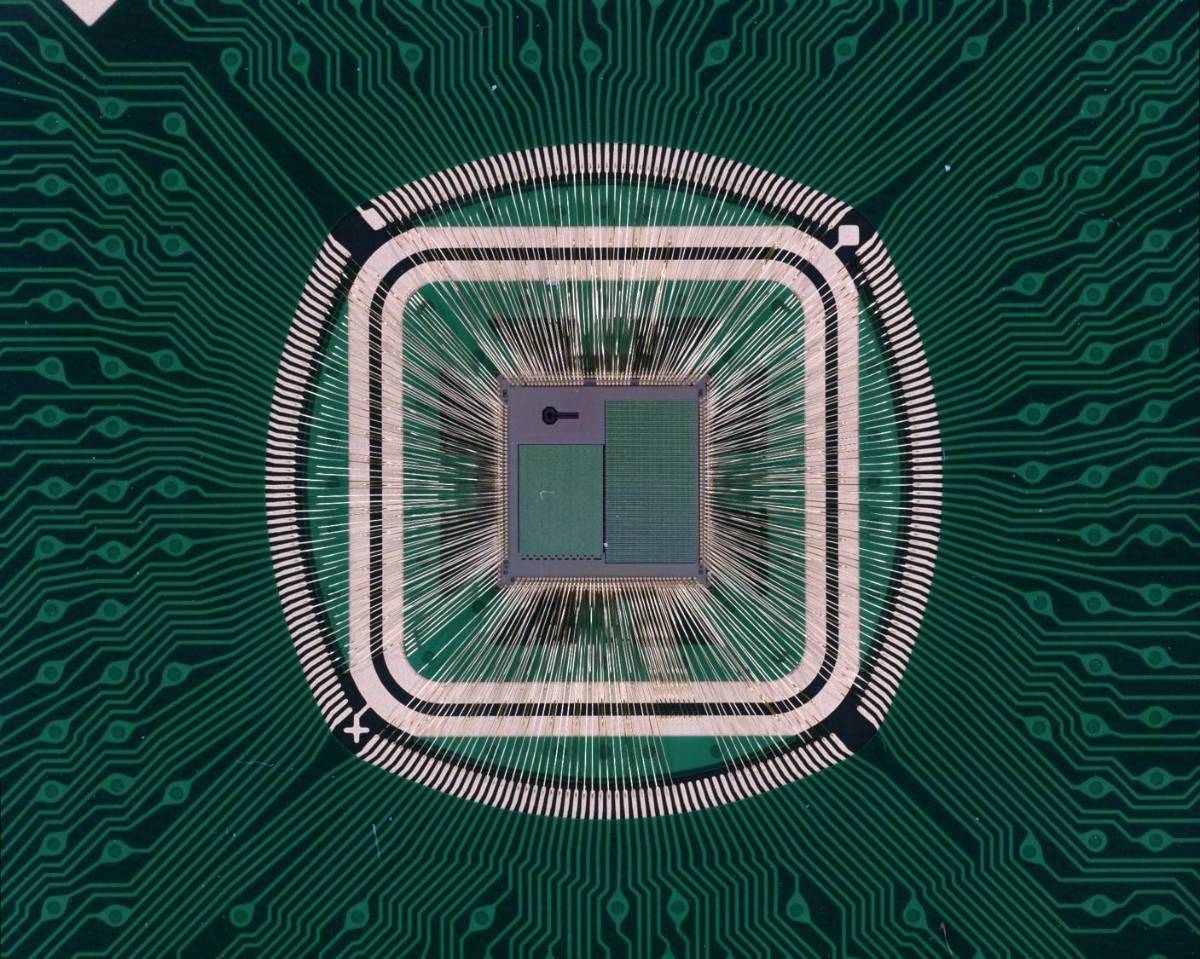
PicoTDC
PicoTDC | The PicoTDC is a specially developed 64 channel Time to Digital Converter (TDC) ASIC in 65nm CMOS for use in High Energy Physics (HEP) experiments and similar scientific applications where high rate, very high time resolution single shot time measurements are required on a large number of channels. It is a succesor to
-
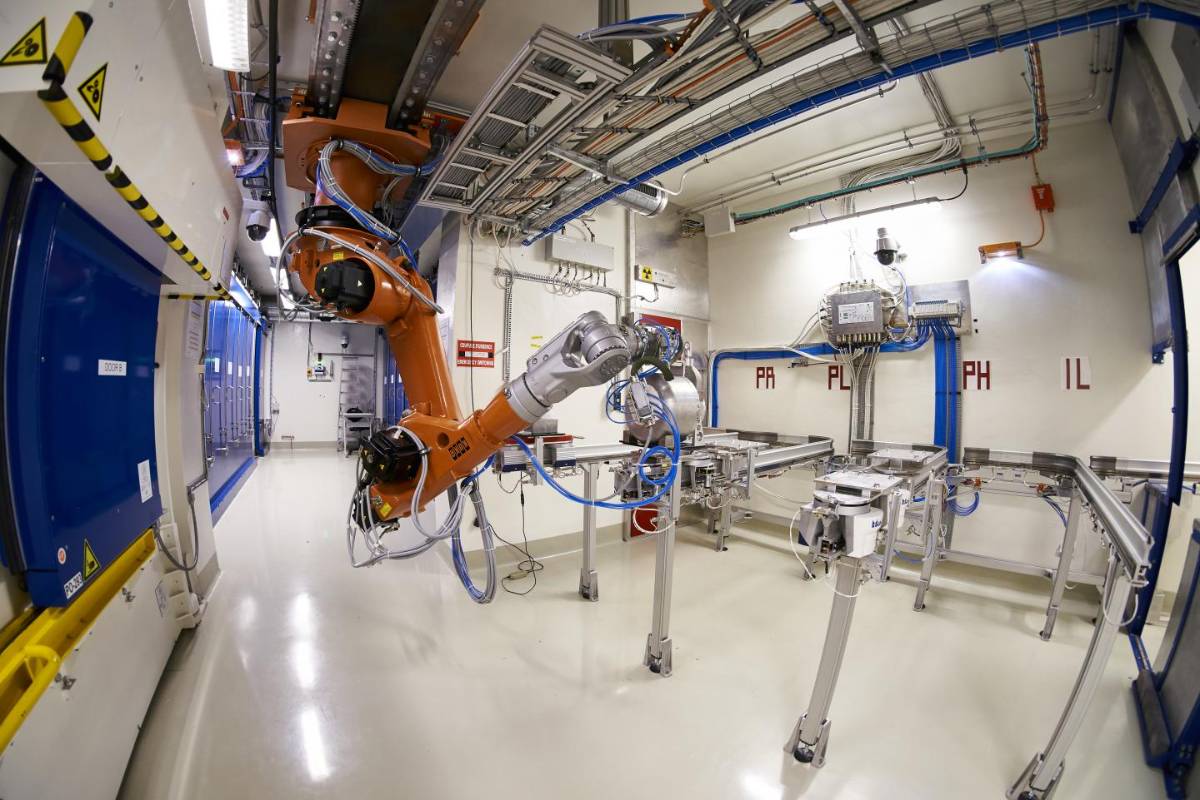
MEDICIS
MEDICIS | CERN-MEDICIS (Medical Isotopes Collected from ISOLDE) is a unique facility designed to produce unconventional radioisotopes with the right properties to enhance the precision of both patient imaging and treatment. It will expand the range of radioisotopes available for medical research – some of which can be produced only at CERN – and send
-
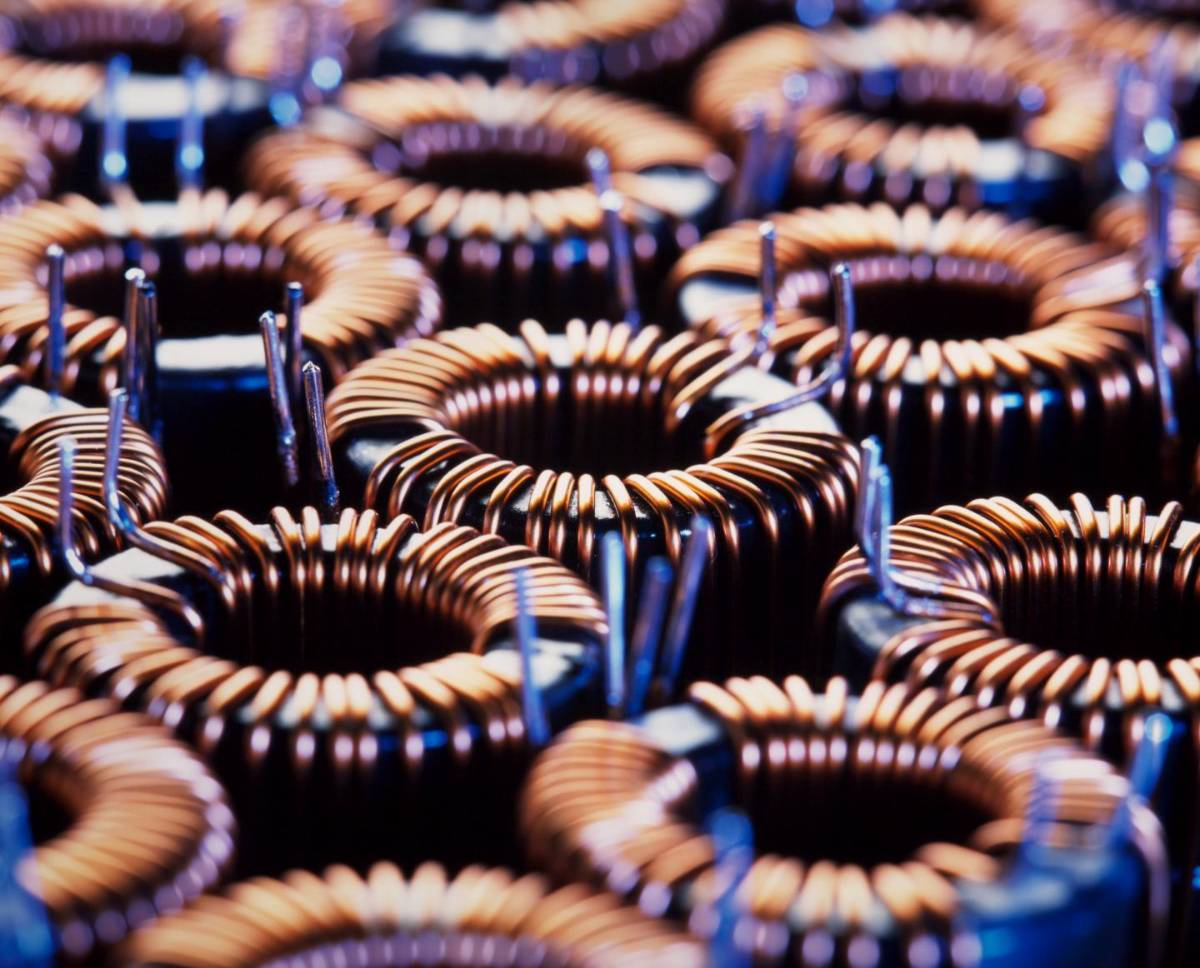
Magnet Power Supplies
Magnet Power Supplies | CERN has developed a family of short Pulse Power Supplies with very stringent specifications for the needs of particle accelerators such as Linacs, particles sources or injection systems. These power supplies are used to power conventional magnets, septum magnets, heating system of particles sources. The 4-Quadrant Magnet Power Supplies have very stringent specifications
-
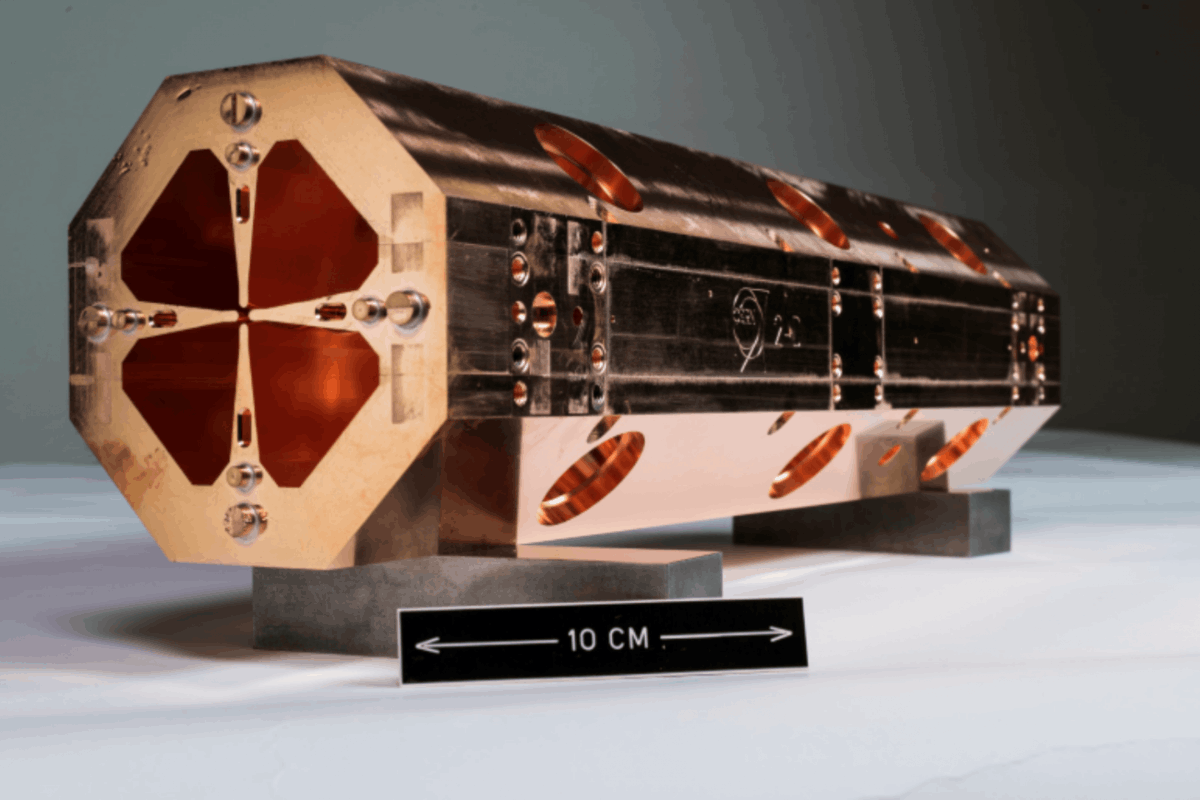
High Frequency Compact Linear Proton Accelerator
High Frequency Compact Linear Proton Accelerator | In the frame of its programme for medical applications, and building on its experience with the LINAC4 injector (the first stage in the Large Hadron Collider accelerator chain), the High-Frequency Radio Frequency Quadrupole (HF-RFQ) was constructed with the goal of providing a compact, low-current injector for a proton
-
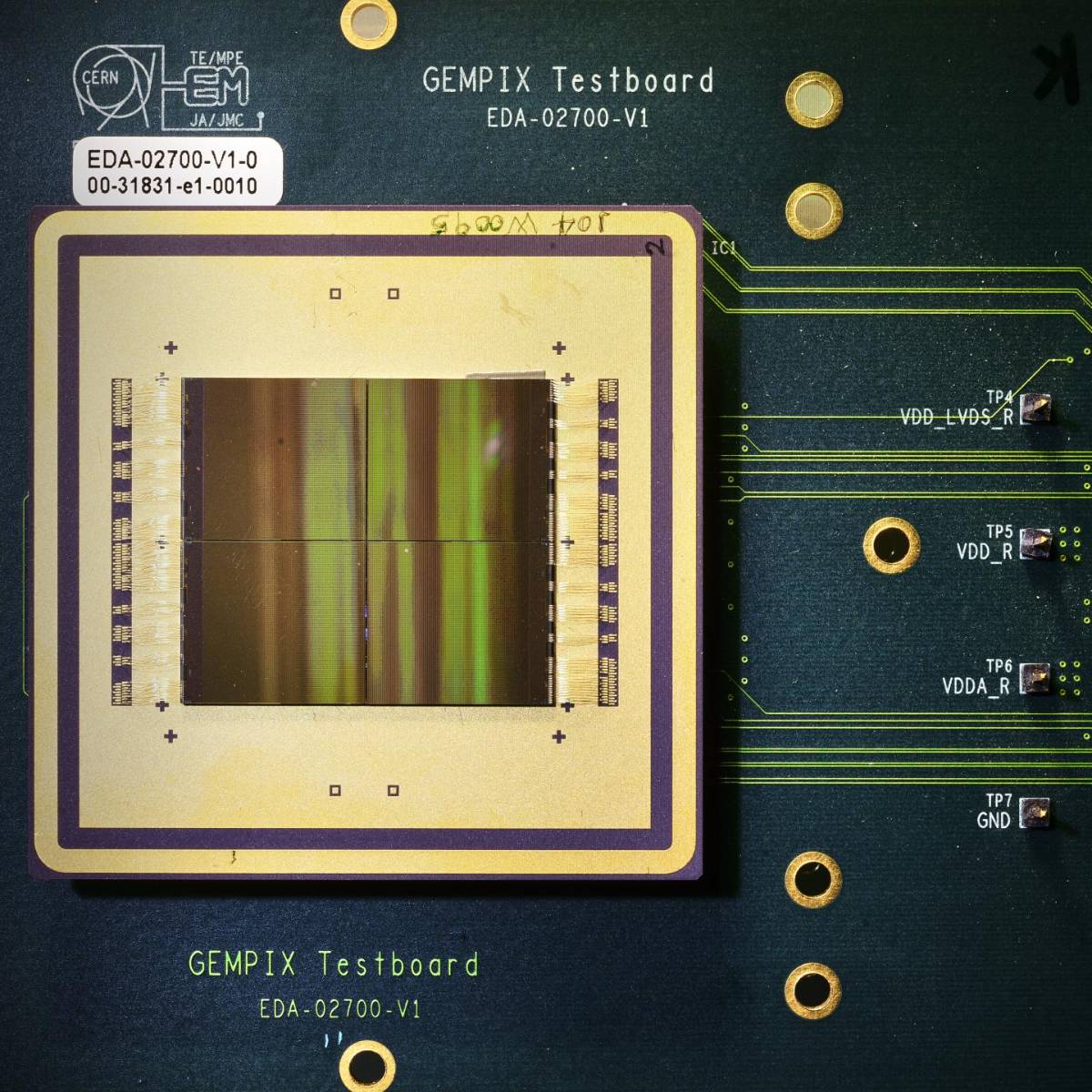
GEMPix
GEMPix | In 2016, CERN started investigating the use of GEMPix to measure the 3D energy deposition of a therapeutic ion beam in a water phantom, for medical imaging purposes. The GEMPix was developed by a CERN/INFN collaboration in the framework of the ARDENT Marie Curie project (2012-2016). The GEMPix detector combines existing CERN-developed technologies –
-
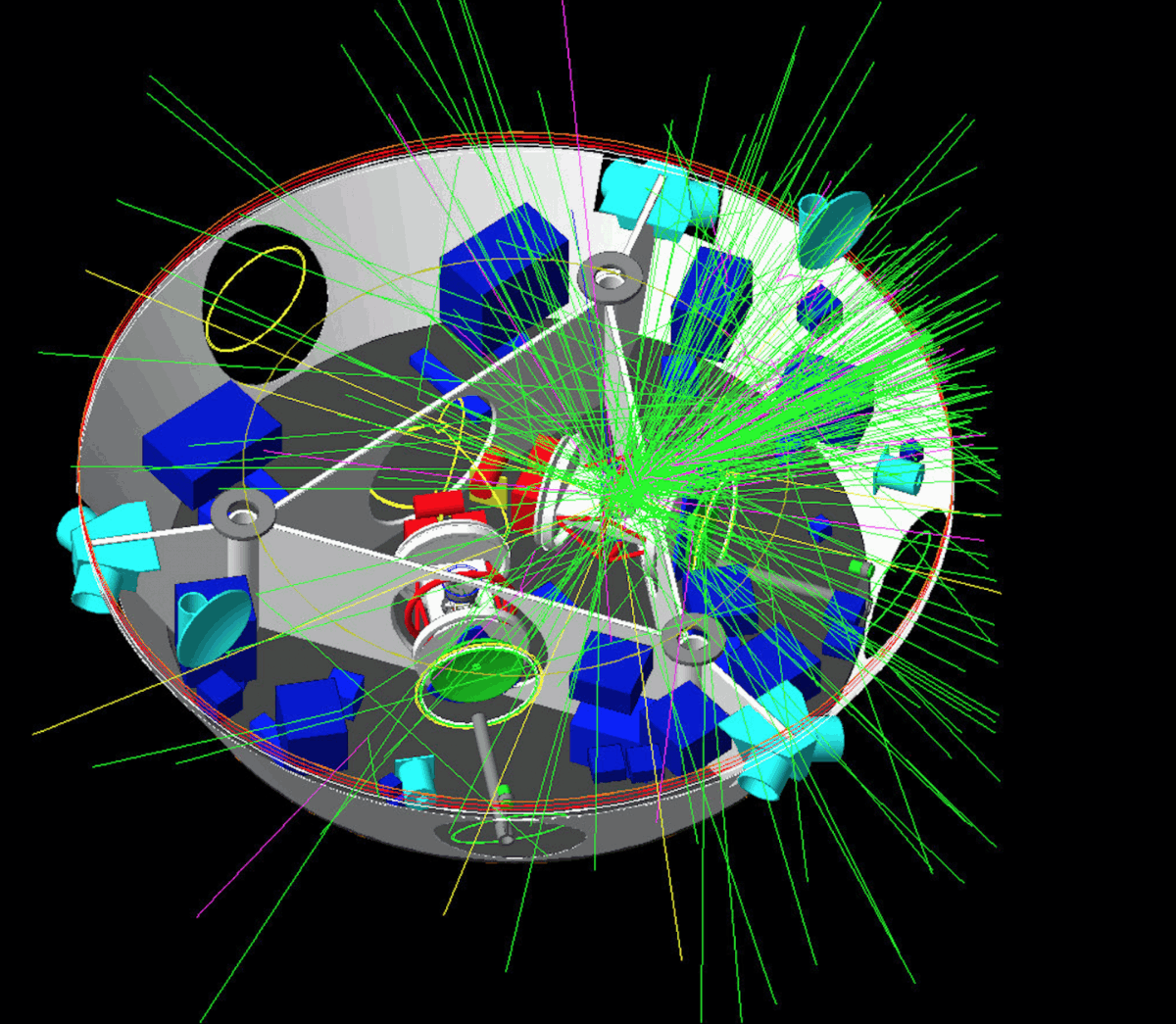
Geant4
Geant4 | Geant4 is a toolkit for simulating the passage of particles through matter. It is the reference simulation engine for the LHC experiments at CERN and other high energy physics labs worldwide. Geant4 covers all relevant physics processes, electromagnetic, hadronic, decay, optical, for long and short lived particles, for energy range spanning from tens
-
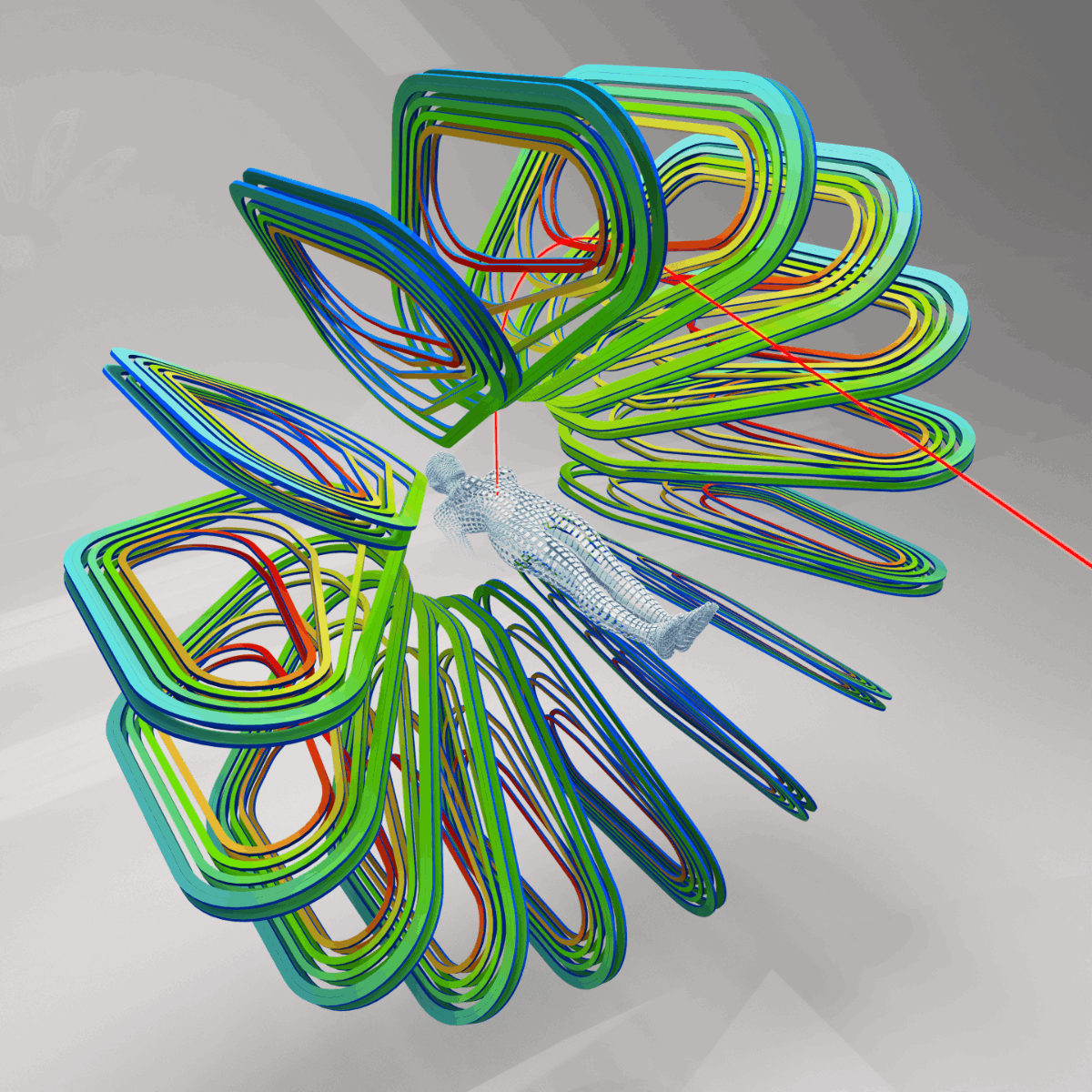
GaToroid
GaToroid | GaToroid is an innovative gantry design based upon a toroidal magnet concept, which eliminates the need to rotate the structure. The gantry comprises a set of discrete superconducting coils constituting the toroidal magnet, and a bending device at the entrance of the structure. By selecting the impinging angle of beams with different momentum
-

CERN VM-FS
CERN VM-FS | CernVM-FS is a web-based, global, and versioning file system optimized for software distribution. The file system content is installed on a central web server from where it can be mirrored and cached by other web servers and web proxies. File system clients download data and meta-data on demand and cache them locally.
-
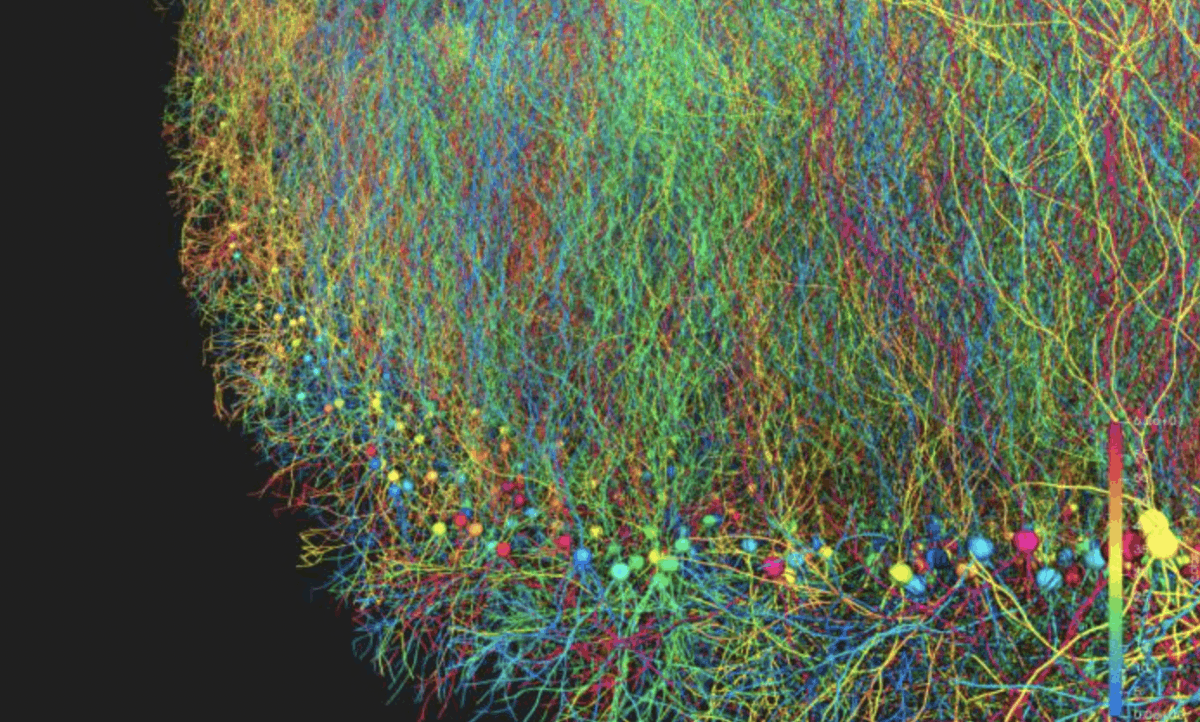
BioDynaMo
BioDynaMo | An open-source software platform to easily create, run, and visualise 3D agent-based simulations. Biology Dynamics Modeller (BioDynaMo) is an open source, agent-based, simulation software initially developed by researchers at CERN and Newcastle University, also with the support by seed funding from the CERN Medical Applications budget. It is a software platform designed to easily create, run,
-
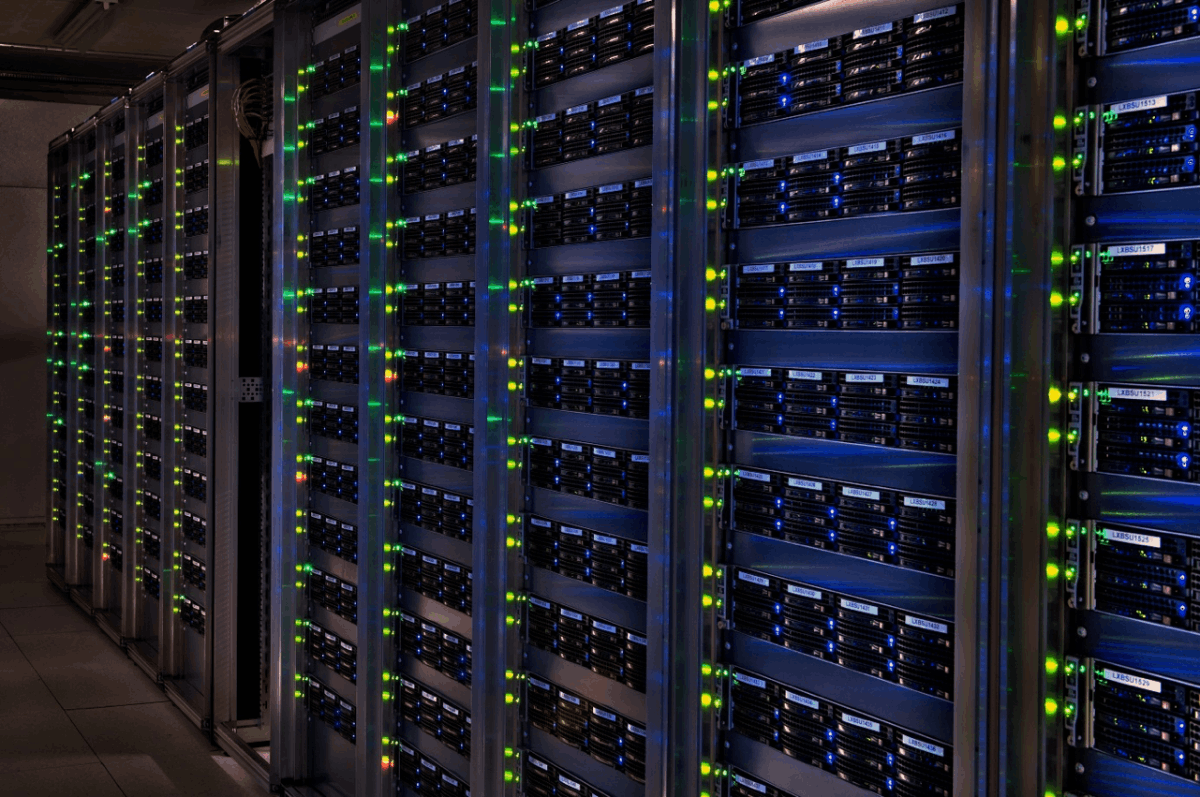
ActiWiz
ActiWiz | The activation of material is often an important issue for all environments exposed to accelerator beams. It has considerable impact on safety and handling constraints. One of the key parameters responsible for activation is the chemical composition of the material involved which can often be optimized in order to reduce material activation. However,
-
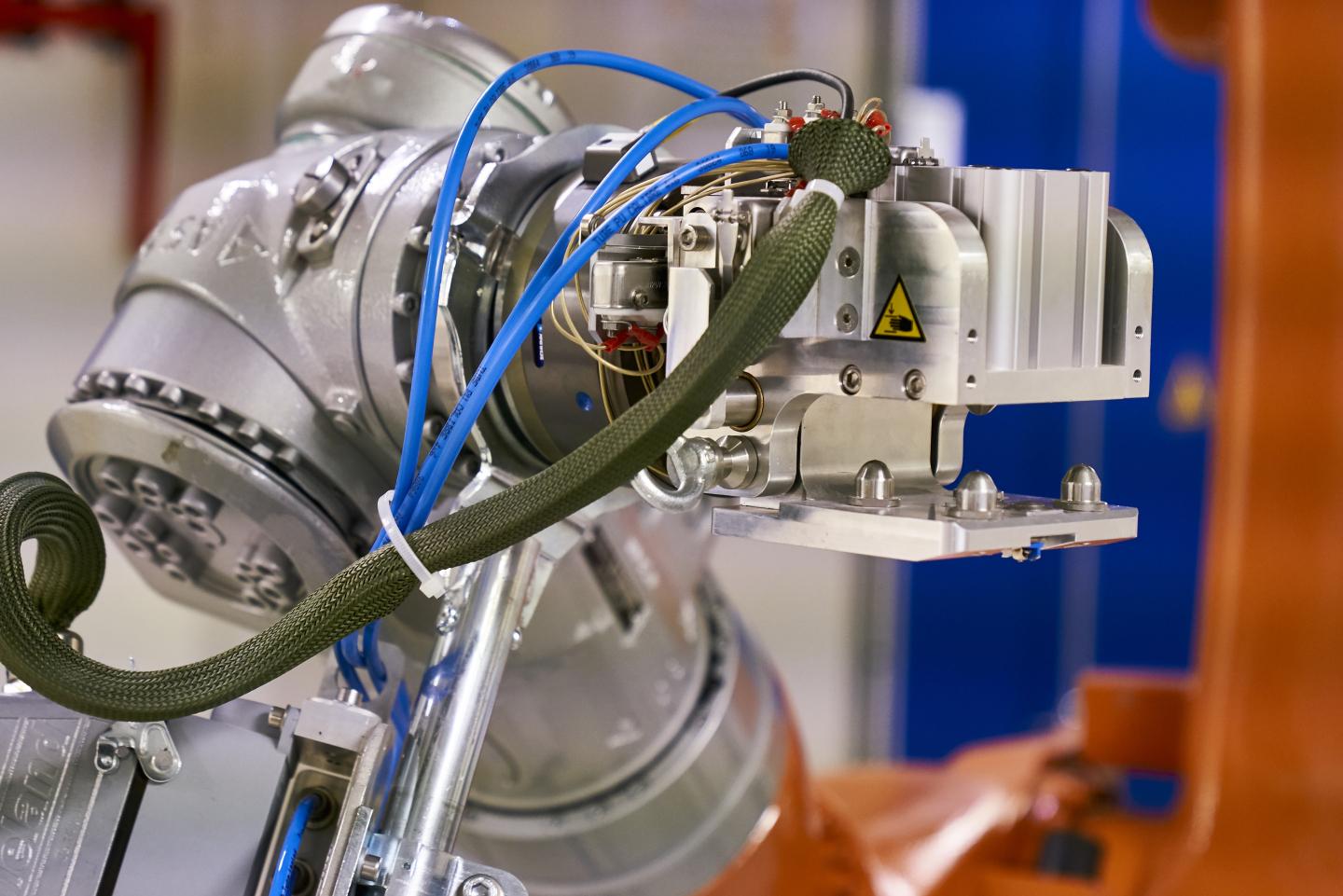
Robotics
Robotics | CERN´s unique know-how in designing, building, operating robotics systems for interventions in harsh environments. CERN developed this technology to protect its personnel against hazards in the accelerator facilities. It includes drivers that allow integration of various commercially available sensors and robotic arms into the hardware platform. The application areas are vast and include inspection,
-
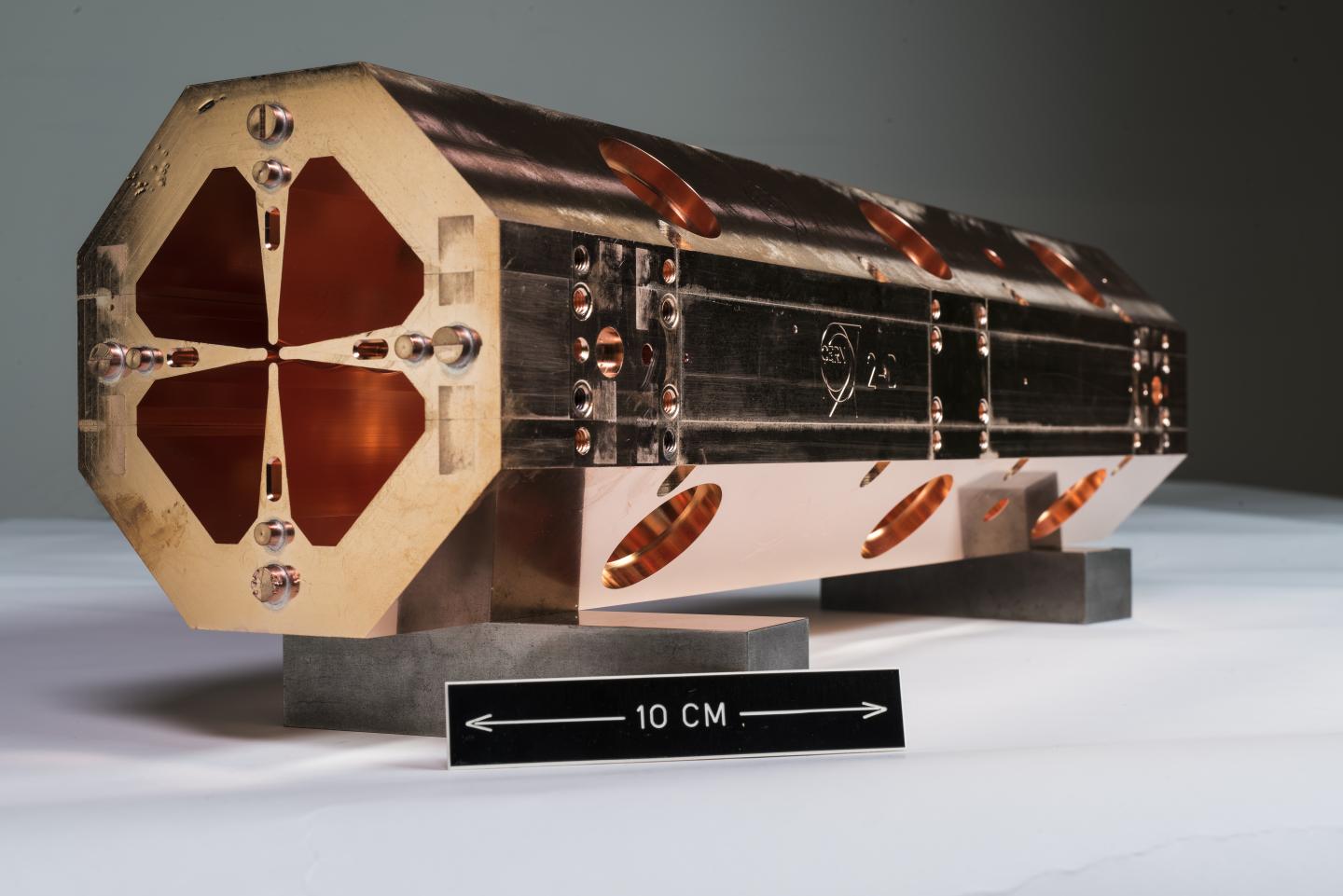
Radiotherapy
Radiotherapy | CERN’s Know-How Facts & Figures Contact Person Benjamin Frisch Knowledge Transfer Officer benjamin.frisch@cern.ch Related Articles Case Studies Projects News
-
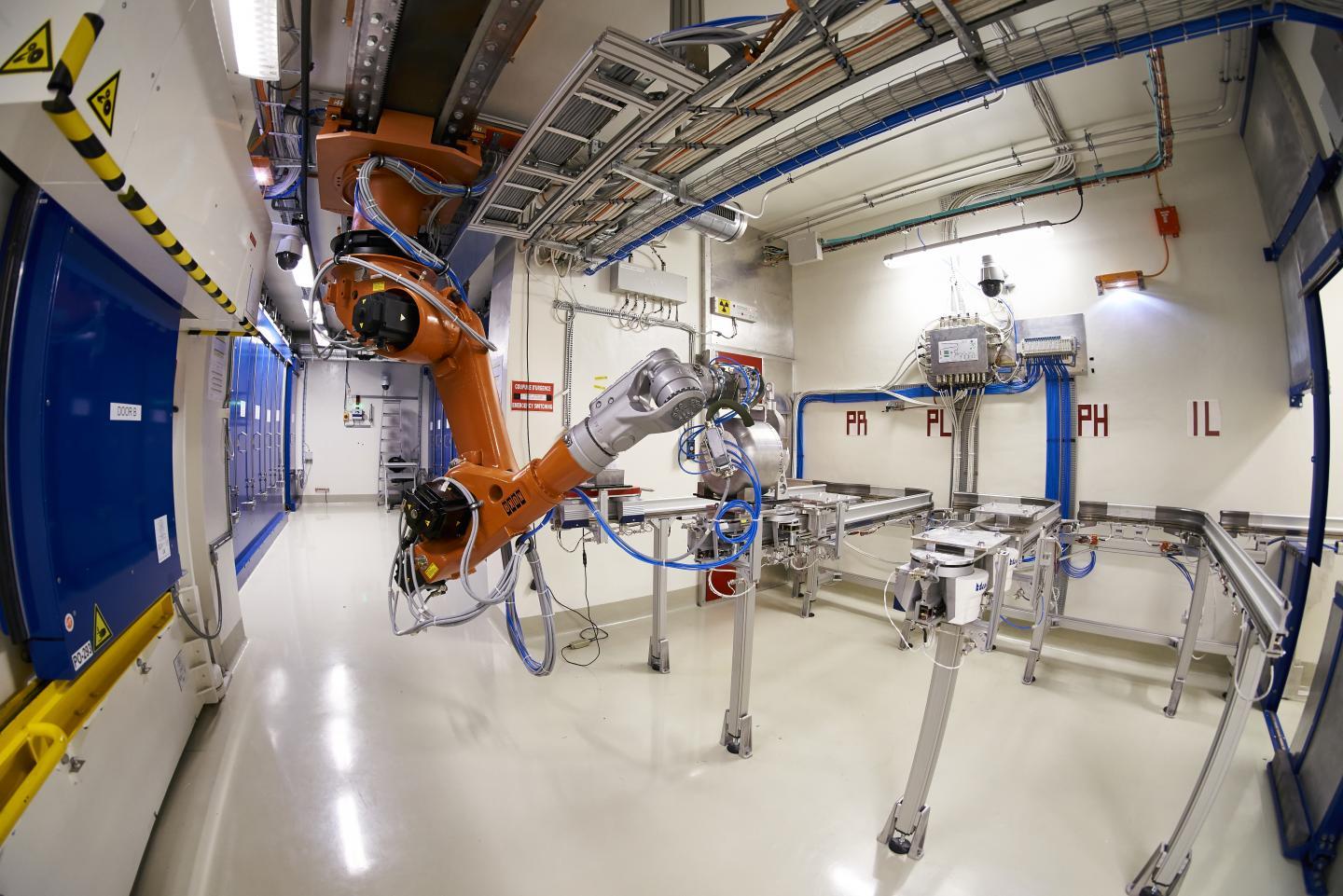
Nuclear Medicine
Nuclear Medicine | CERN’s Know-How Facts & Figures Key Expertise Detecting scintillator-based detectors Scintillators are applied in high-energy physics to measure the energy of particles that are produced in particle physics experiments. Therefore, CERN developed highly specialized expertise and infrastructure for research and development of inorganic scintillation technologies for novel ionizing radiation detectors. System integration
-
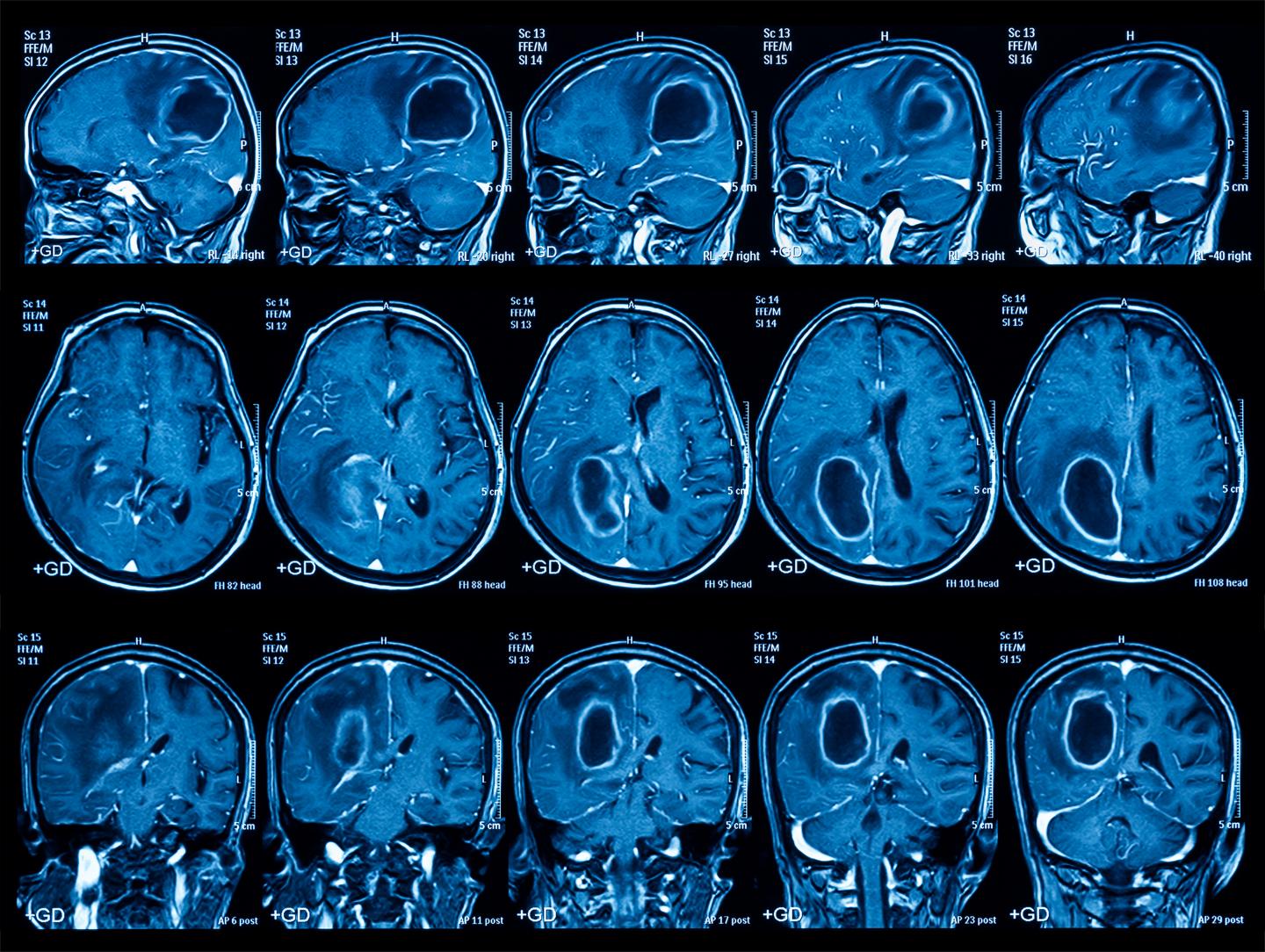
Medical Imaging
Medical Imaging | CERN’s Know-How Facts & Figures Contact Person Benjamin Frisch Knowledge Transfer Officer benjamin.frisch@cern.ch Related Articles Case Study Project News
-
General Medical Applications
General Medical Applications | CERN’s Know-How Facts & Figures Contact Person Benjamin Frisch Knowledge Transfer Officer benjamin.frisch@cern.ch
-
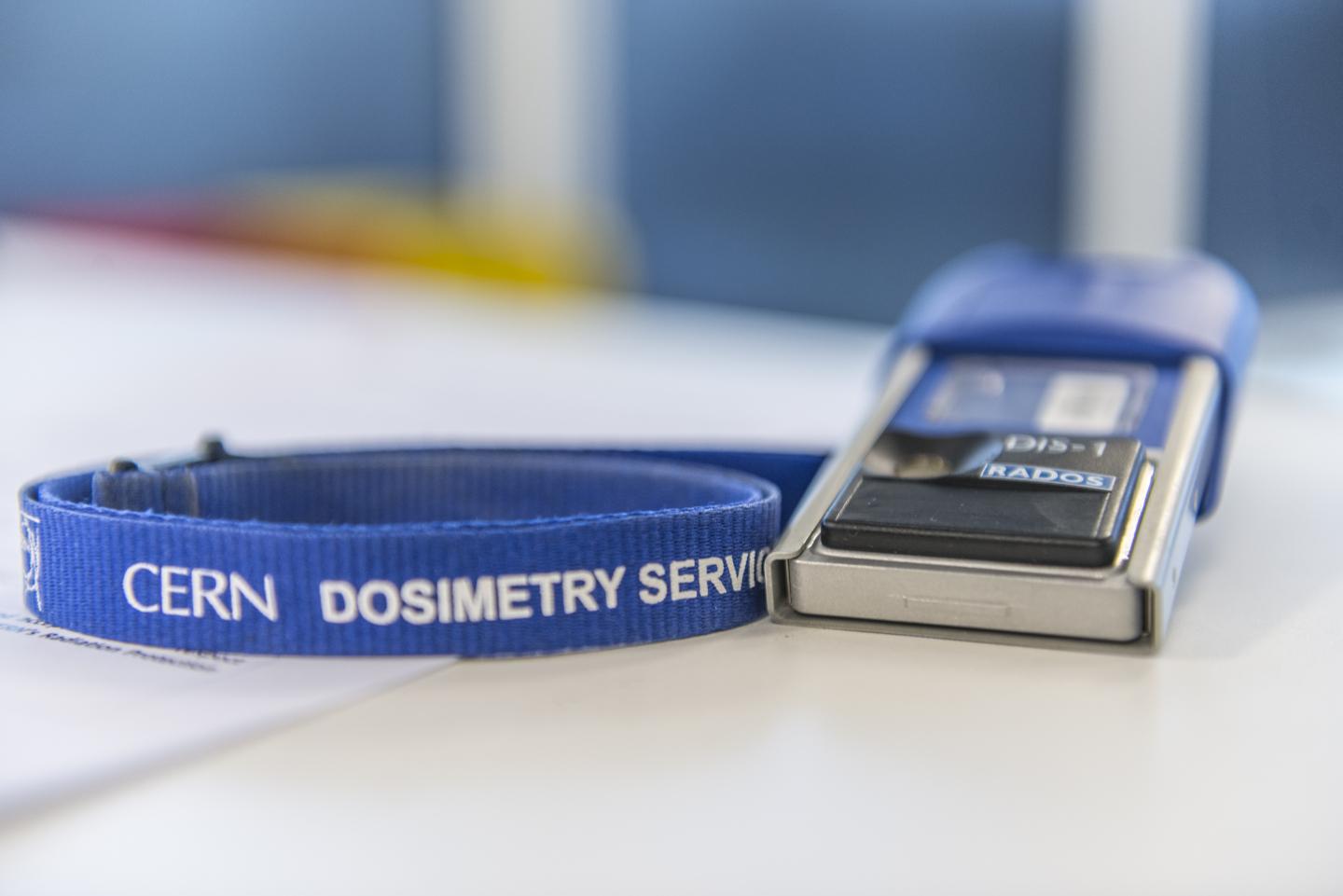
Dosimetry
Dosimetry | CERN’s Know-How Facts & Figures Key Expertise Internal and external dosimetry Professionals working with unsealed radioactive sources or in the presence of contaminated/activated materials are at risk of incorporating radionuclides. New specific procedures are developed at CERN to reinforce the existing internal monitoring program. This will facilitate dose assessment and calculations. CERN Calibration
-
Computing for Medical Applications
Computing for Medical Applications Collaboration Tools | CERN’s Know-How Facts & Figures Key Expertise Storing & managing very large set of data Data storage and management of very large data sets in highly distributed, global environment. Rapidly responding and adaptable to the LHC experiments frequently changing requirements for fast, reliable and affordable storage. Robust Big
-
Intellectual Property as a key driver for innovation and creativity in advancing the Sustainable Development Goals
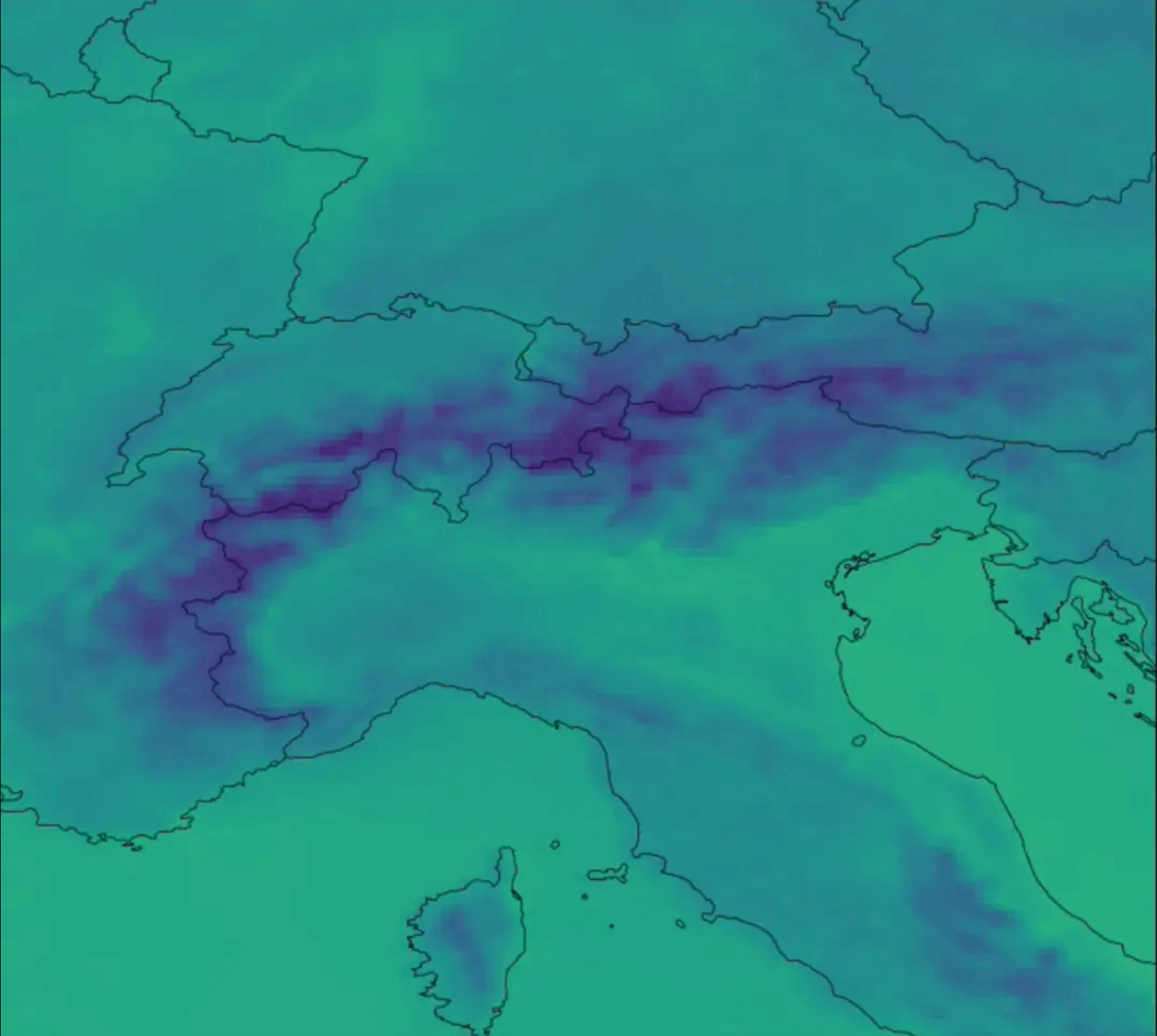
Intellectual Property as a key driver for innovation and creativity in advancing the Sustainable Development Goals This year’s World Intellectual Property (IP) day explores how intellectual property fosters innovation and creativity, and its pivotal role in achieving the Sustainable Development Goals (SDGs) to shape our collective future. At CERN, the pursuit of knowledge in particle physics and related technological
-
CERN detector could help to improve head tumour radiotherapy
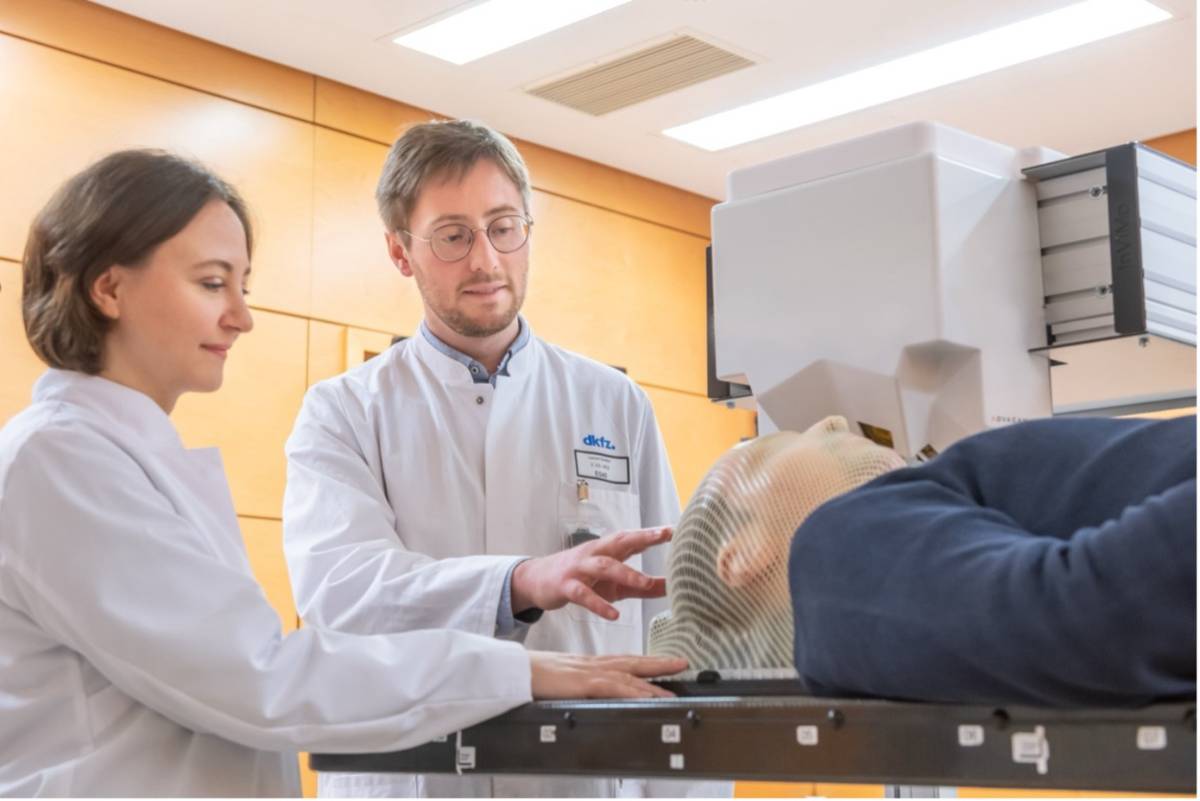
CERN detector could help to improve head tumour radiotherapy | Scientists are testing a new device to help target cancer cells more accurately in ion radiotherapy of head and neck tumours, which could help limit the treatment’s side effects. It includes Timepix3, a small particle detector developed at CERN Particle detectors like the ones used
-
BioDynaMo: cutting-edge software helps battle cancer
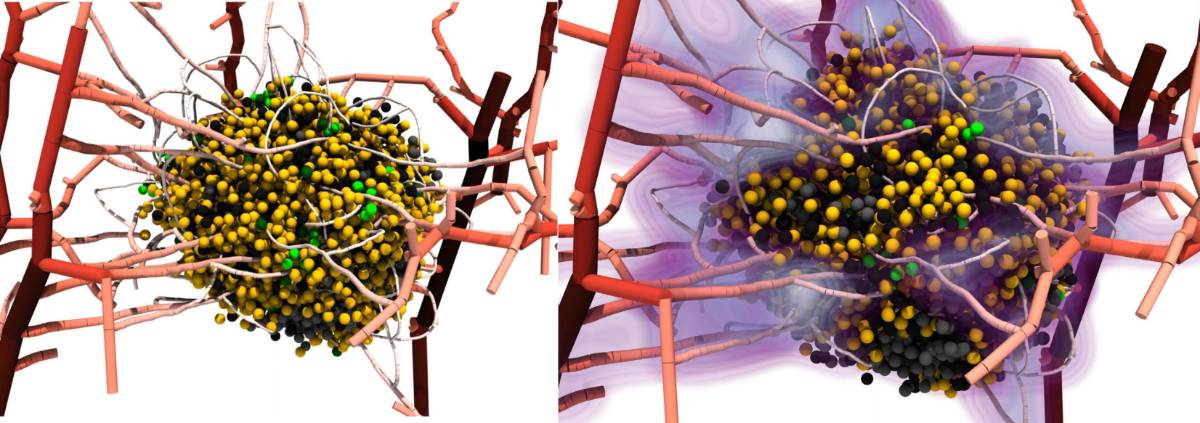
BioDynaMo: cutting-edge software helps battle cancer | A novel mathematical model developed as part of the BioDynaMo project, born from CERN openlab, mimics vascular tumour growth in breast cancer and its response to treatment Choosing the right cancer treatment is a massive undertaking involving multiple stages, high experimental complexity and significant costs. Currently, two main
-
Accelerating stroke prevention
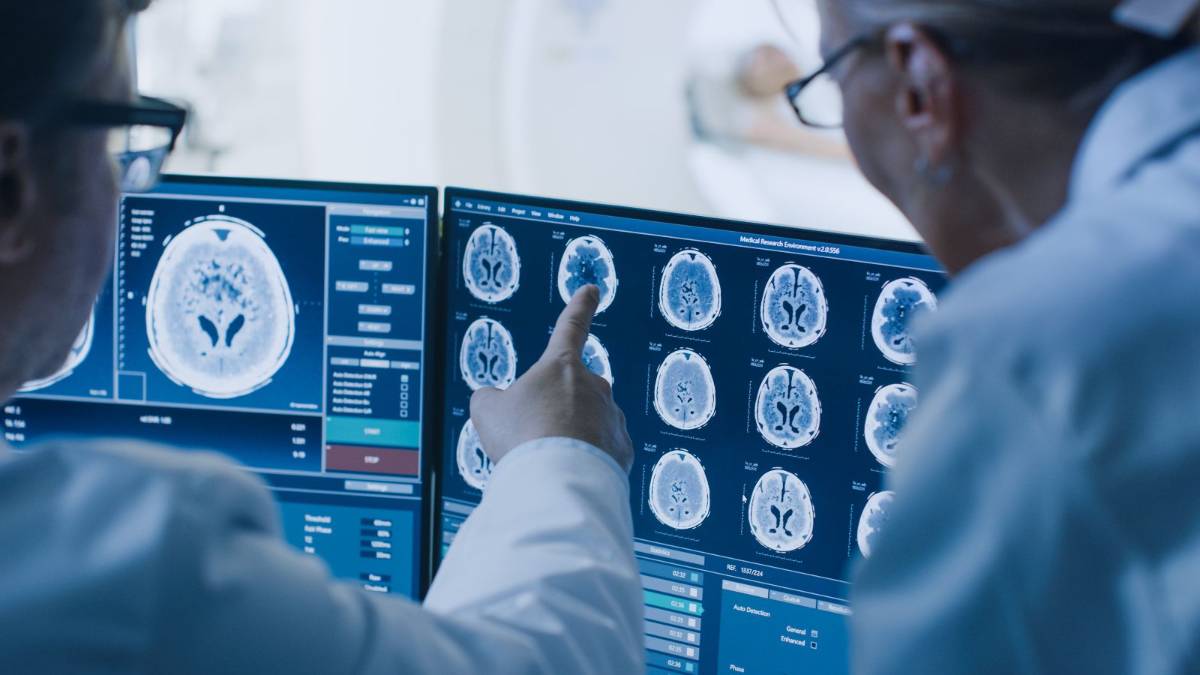
Accelerating stroke prevention | The same AI algorithms used to diagnose anomalies in CERN’s accelerator chain have the potential to detect brain pathologies such as strokes The complex system of the CERN accelerator chain requires immense precision in order to operate. To address this need, CERN researchers developed artificial intelligence (AI) algorithms that predict and
-
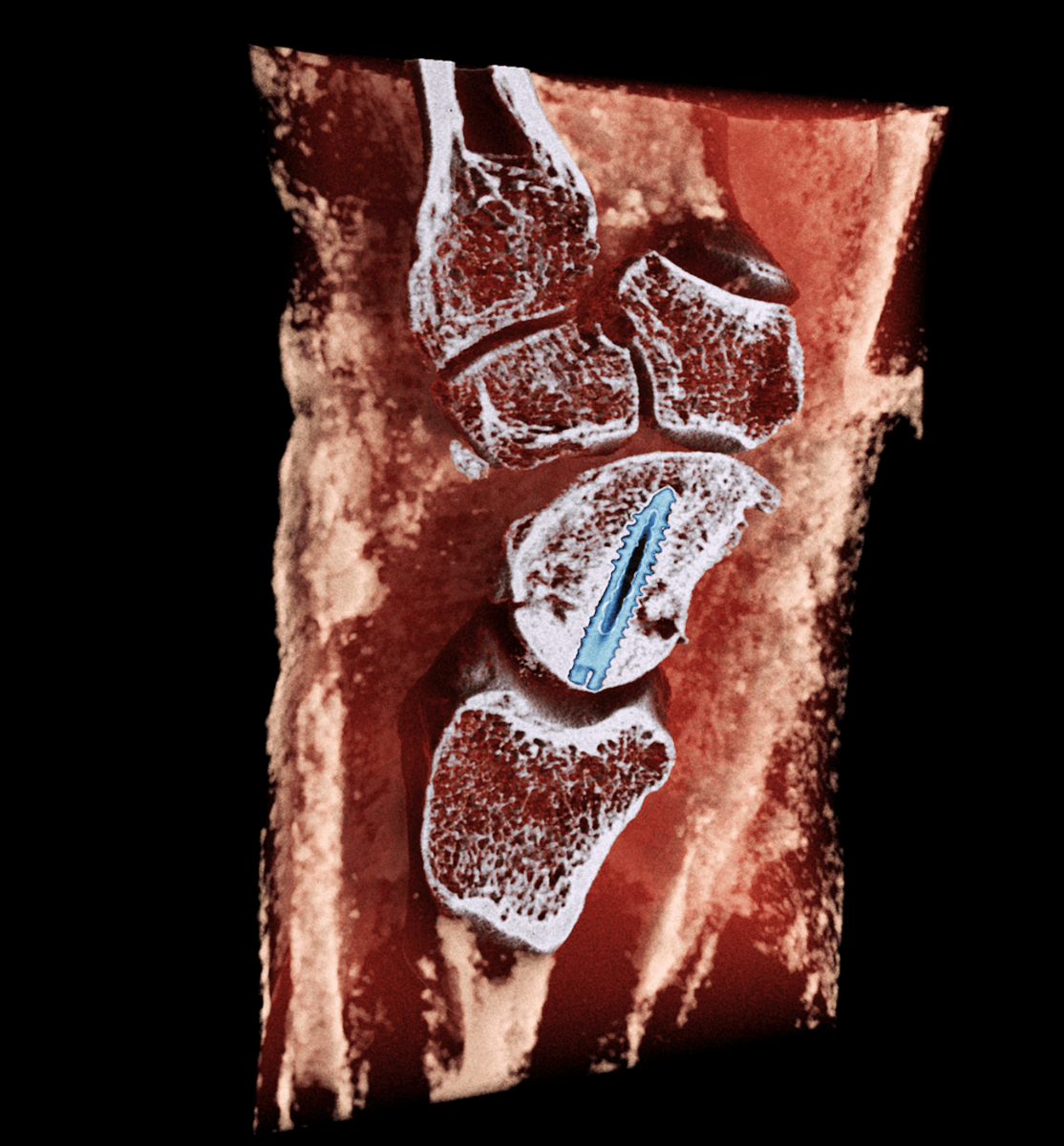
MARS Bioimaging partners with the Hospital for Special Surgery (HSS)
MARS Bioimaging partners with the Hospital for Special Surgery (HSS) The partnership will assess particular aspects of the MARS 5×120 Extremity scanner. Hospital for Special Surgery (HSS), the world’s leading academic medical center specialized in musculoskeletal health, and New Zealand-based medical device and technology company MARS Bioimaging Limited (MARS) today announced a new collaborative relationship
-
Terapet SA secures over CHF 2,3 million to bring its first product to market and to accelerate development of new nuclear imaging products
Terapet SA secures over CHF 2,3 million to bring its first product to market and to accelerate development of new nuclear imaging products | This funding supports the commercialization of Terapet’s first product, Qualγscan and the development of new nuclear imaging products. Terapet, a privately held Swiss MedTech company developing next generation imaging technology, is
-
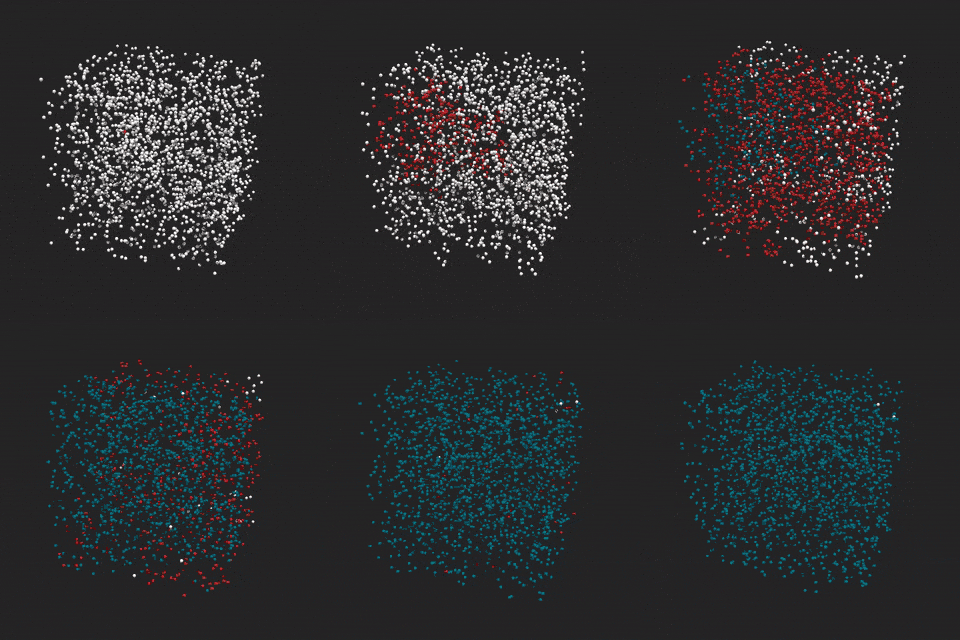
Simulating the spread of COVID-19 with BioDynaMo
Simulating the spread of COVID-19 with BioDynaMo | Based on CERN’s experience in large-scale computing, BioDynaMo, an open-source computer simulation software, is now available in the European Open Science Cloud to support fighting the COVID-19 pandemic. In the wake of the COVID-19 pandemic, understanding how the virus spreads is crucial for governments when deciding on
-

Unlocking AI’s true potential in healthcare requires collaboration
Unlocking AI’s true potential in healthcare requires collaboration It’s no secret that collaboration and knowledge sharing is how the world can improve. They are also a fundamental part of any scientific research project. At CERN, we developed the World Wide Web so that scientists could share their data with other researchers across the world. We
-
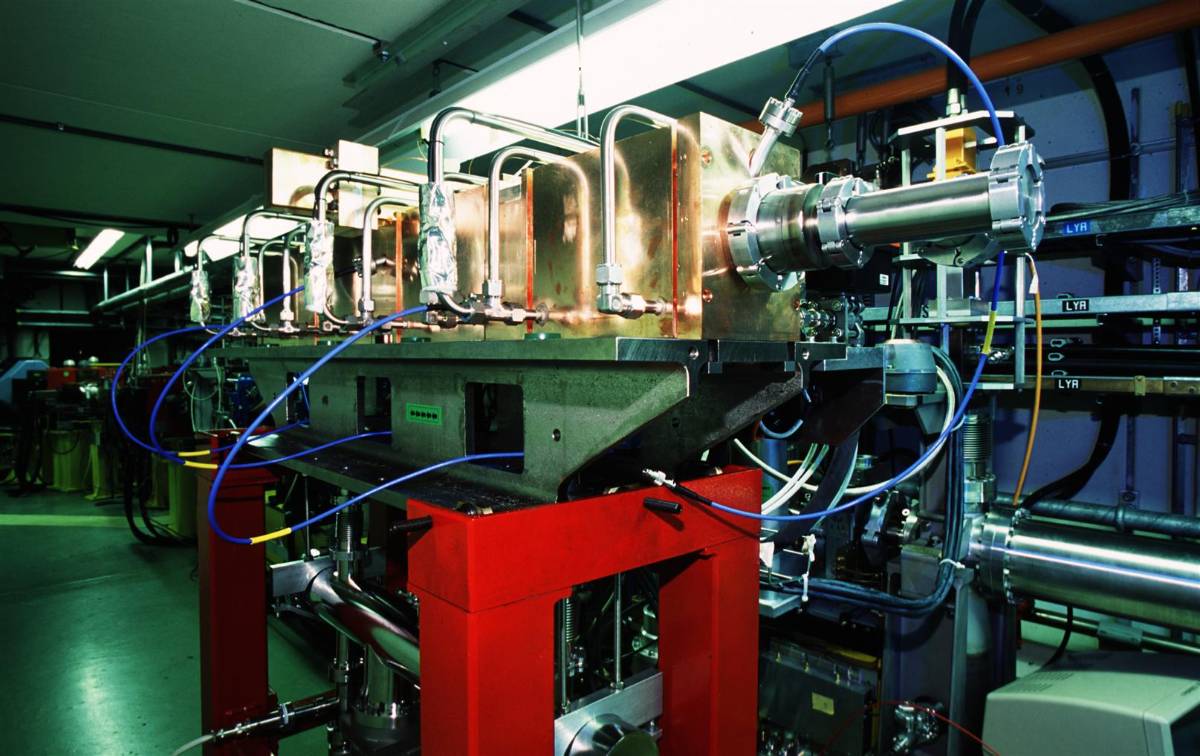
Thirty years of the TERA Foundation
Thirty years of the TERA Foundation | On 15 September 1992, the TERA Foundation was established in Novara, Italy. Exactly 30 years later, a symposium was held at CERN to review its contributions to hadron therapy The Piazza Navona is home to one of Rome’s most famous landmarks: the fountain of the four rivers. As
-
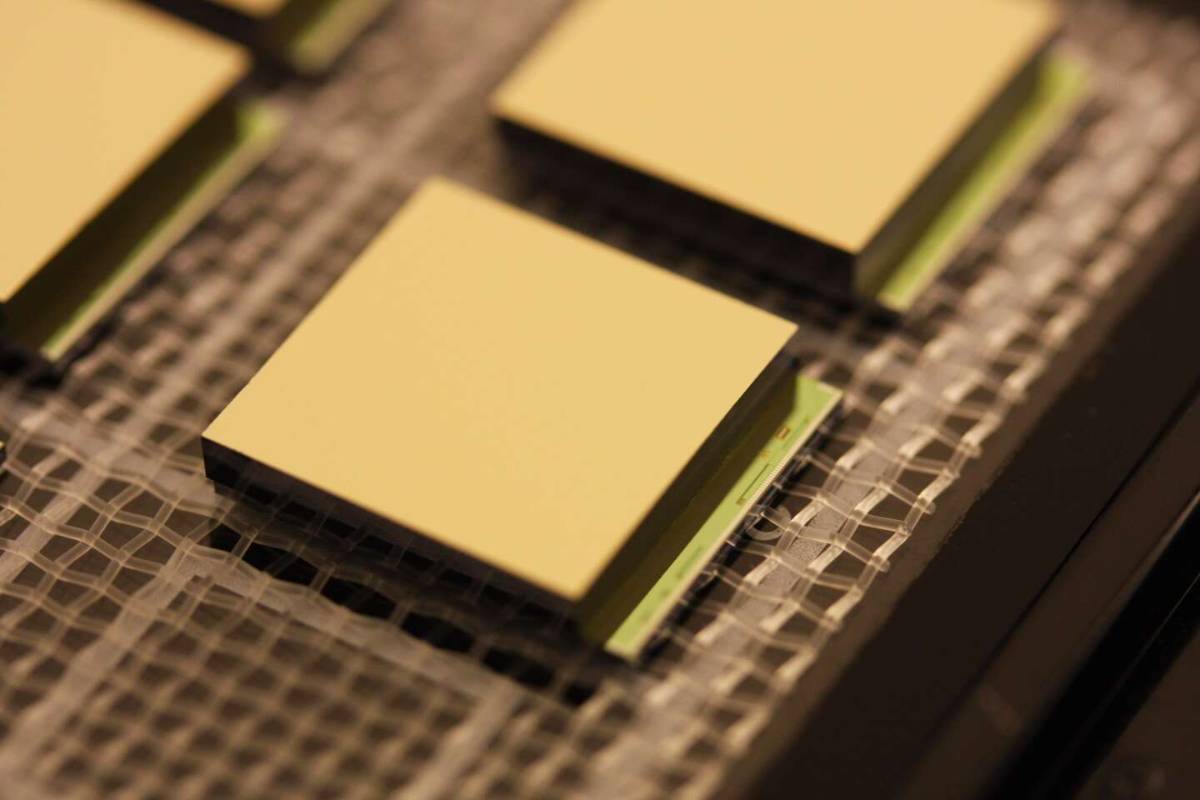
Spectroscopic X-ray imaging now certified for medical use
Spectroscopic X-ray imaging now certified for medical use The CERN Workshops on Medical Applications of Spectroscopic X-ray Detectors have been instrumental in advancing spectroscopic X-ray imaging and bringing it from the lab to the clinic The sixth Workshop on Medical Applications of Spectroscopic X-ray Detectors is currently taking place at CERN. Launched in 2011 and
-
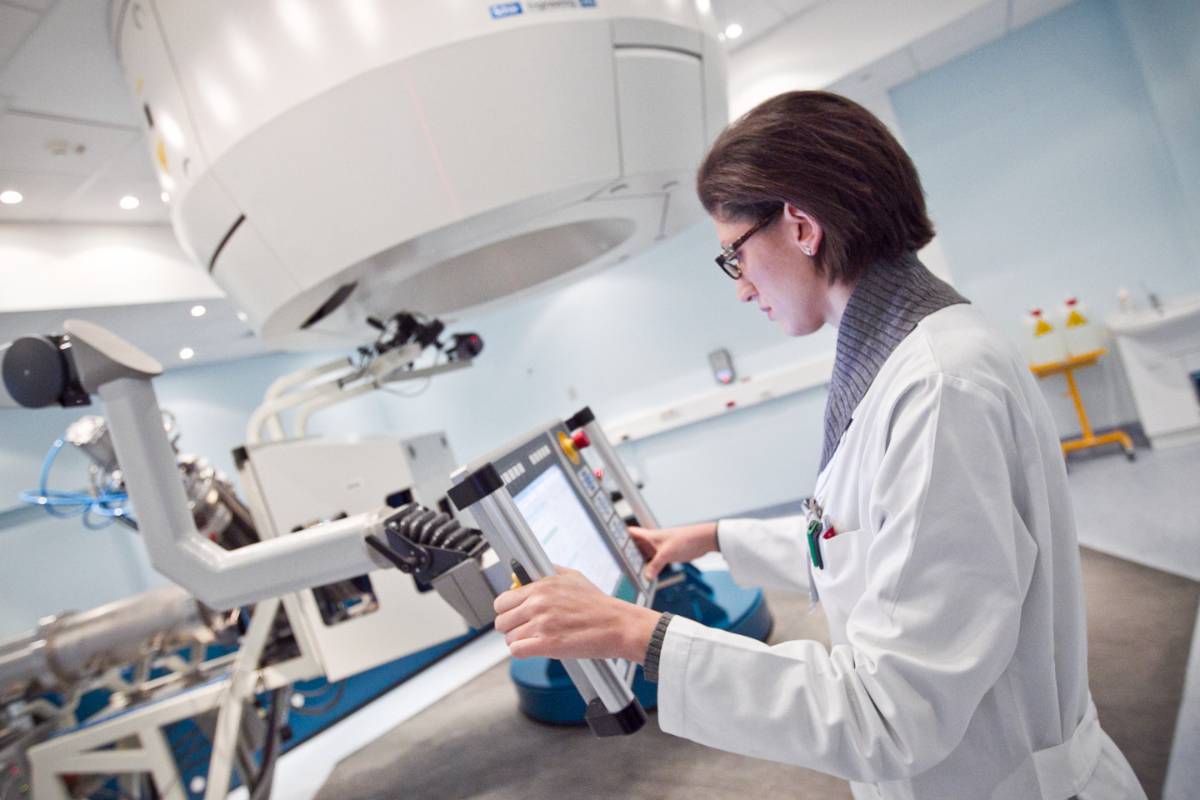
CERN and CNAO, a long-standing collaboration in the fight against cancer
CERN and CNAO, a long-standing collaboration in the fight against cancer On November 24, the CNAO (Centro Nazionale di Adroterapia Oncologica) hadrontherapy centre in Pavia, Italy, organised a special event to celebrate twenty years since the CNAO Foundation was established and ten years since the first cancer patient was treated at the CNAO facility. Since then,
-

CERN working with WHO to improve understanding of COVID-19 airborne transmission risk in indoor spaces
CERN working with WHO to improve understanding of COVID-19 airborne transmission risk in indoor spaces Editor update 13/3/23: Please note that since September 2022 CARA is now called CAiMIRA – CERN Airborne Model for Indoor Risk Assessment. As the response to the pandemic evolves and people step back into the office, it is necessary to
-
Researchers use CERN technology to evaluate risk of COVID-19 transmission
Researchers use CERN technology to evaluate risk of COVID-19 transmission The CERN-developed COVID Airborne Risk Assessment tool (CARA) is helping researchers from the University of Geneva assess the effectiveness of different measures to limit SARS-CoV-2 aerosol transmission in schools. (Editor update 13/3/23: Please note that since September 2022 CARA is now called CAiMIRA – CERN
-
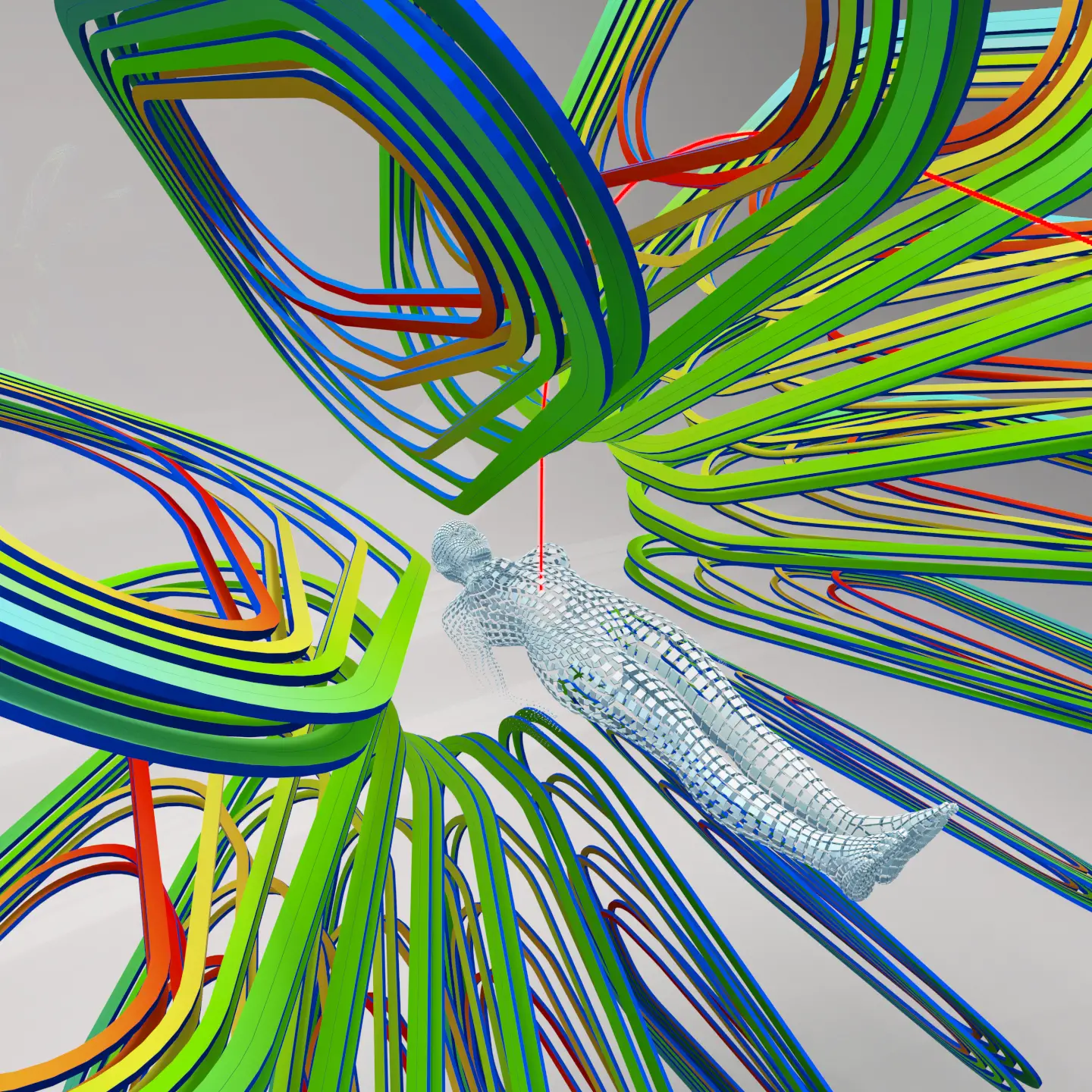
CERN’s impact on medical technology
CERN’s impact on medical technology | Frontier instruments like the LHC and its detectors not only push back the boundaries of our knowledge, but also catalyse innovative technology for medical applications, writes Manuela Cirilli. This article was originally published in the July/August edition of CERN Courier magazine. Today, the tools of experimental particle physics are ubiquitous
-
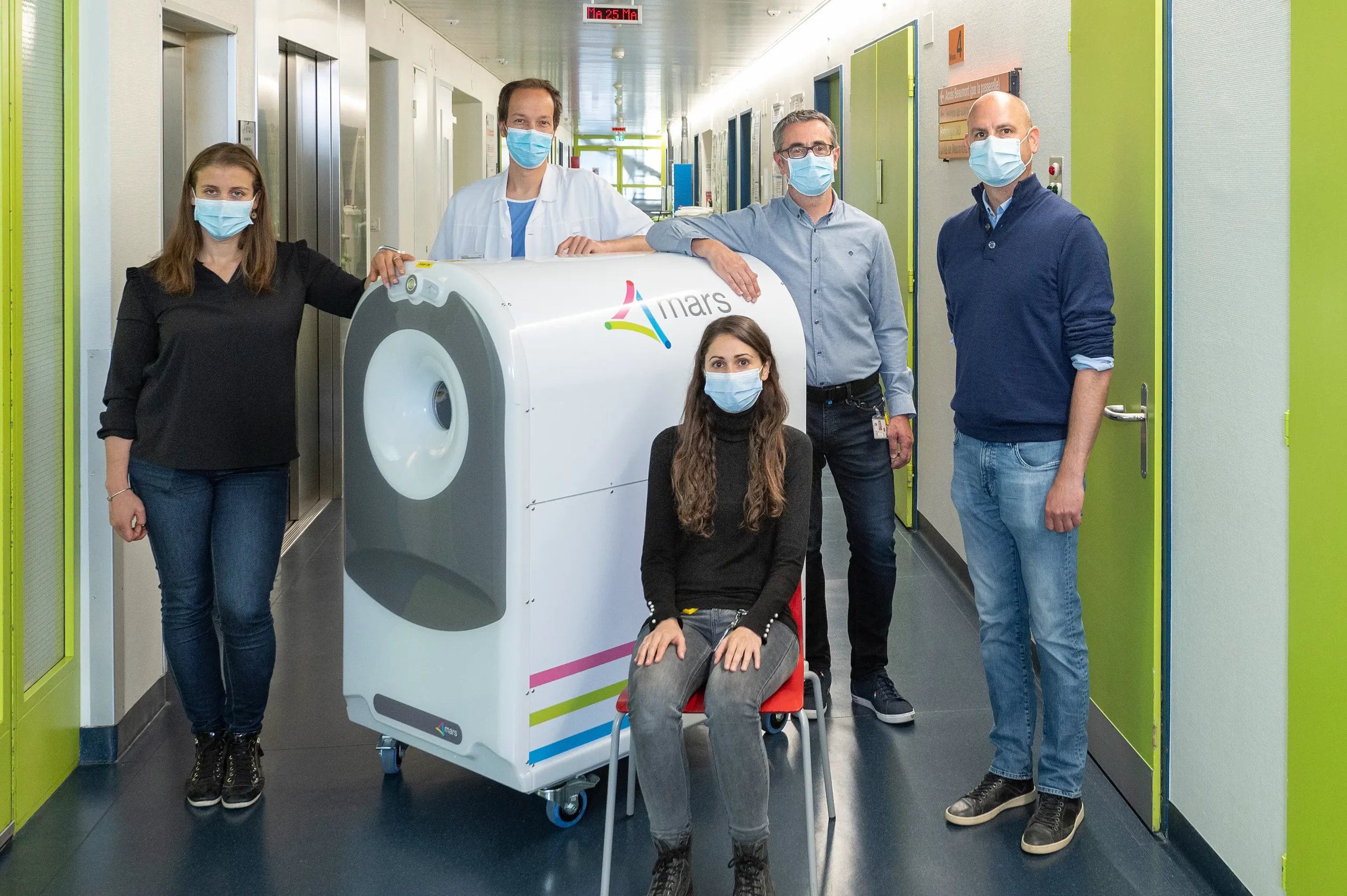
First European hospital receives 3D colour X-ray scanner using CERN technology
First European hospital receives 3D colour X-ray scanner using CERN technology | MARS Bioimaging’s 3D colour X-ray scanner has arrived in Europe to undertake clinical trials that will lead to its medical use. After years of development in New Zealand, MARS Bioimaging’s 3D colour X-ray scanner has arrived in Europe, at Lausanne University Hospital (CHUV) in Switzerland.
-
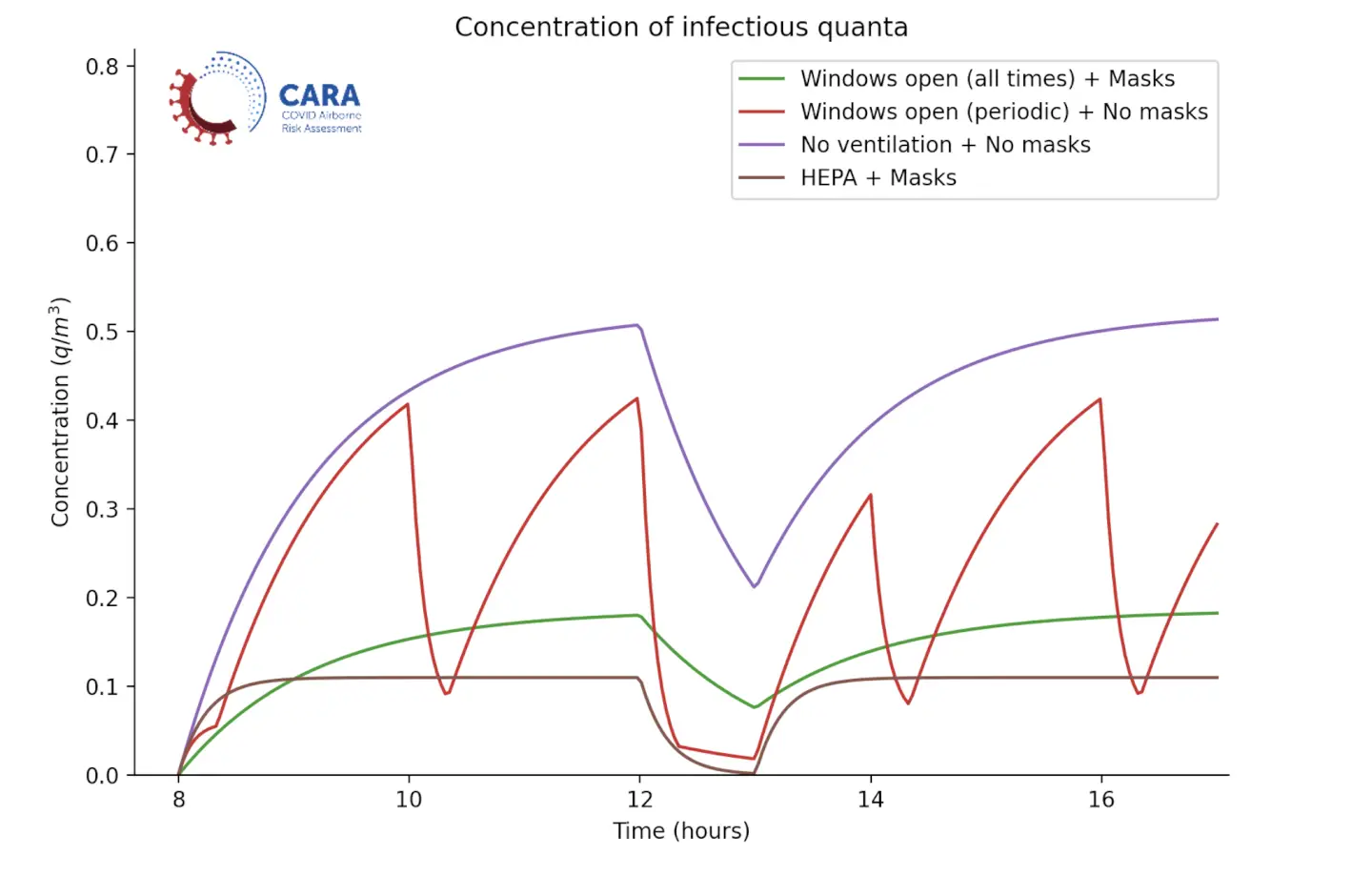
Introducing CARA, CERN’s COVID Airborne Risk Assessment tool
Introducing CARA, CERN’s COVID Airborne Risk Assessment tool CARA, CERN-made software modelling the concentration of viruses in enclosed spaces, will inform space-management decisions on the CERN sites | Editor update 13/3/23: Please note that since September 2022 CARA is now called CAiMIRA – CERN Airborne Model for Indoor Risk Assessment. ______________ Since the onset of
-
New 3D colour X-rays made possible with CERN technology
New 3D colour X-rays made possible with CERN technology | Stunning new images pave the way for large-scale human trials, two years on from the first ever 3D colour human X-ray using CERN Medipix3 technology Two years after the first ever 3D colour X-ray of a living human, MARS Bioimaging has released stunning new images made using a world-first
-

CERN’s contribution to particle therapy for cancer treatment at MedAustron
CERN’s contribution to particle therapy for cancer treatment at MedAustron | For two and a half years, particle therapy for cancer treatment has successfully been used at MedAustron in Wiener Neustadt, Austria. The centre completed its first year as an operating cancer treatment facility in 2017, after having started patient treatments in December 2016. MedAustron continued
-
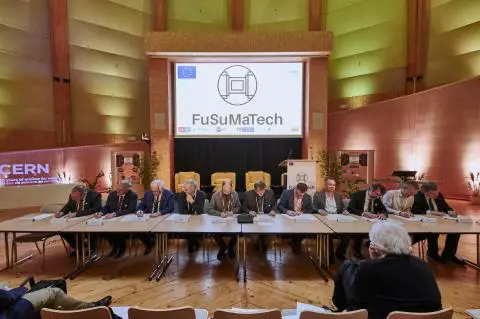
FuSuMaTech opens future of superconducting magnets to academia and industry
FuSuMaTech opens future of superconducting magnets to academia and industry | Superconductivity is not something that immediately comes to mind in regards to daily life, and yet it has become increasingly important. Industry, and especially medical instrumentation industries, display a renewed interest in the domain of superconductivity for applications that range from energy storage, to
-
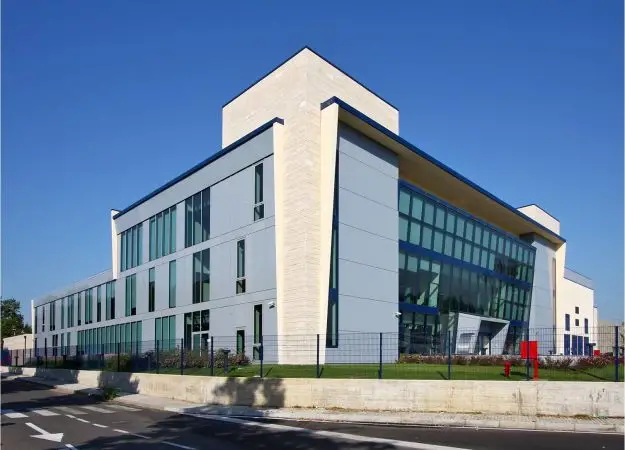
CNAO: Treating Cancer with Ions since 2011
CNAO: Treating Cancer with Ions since 2011 The National Center for Oncological Hadrontherapy (CNAO) in Pavia, Italy, is a facility offering advanced therapy to fight cancer, and one of only six centres in the world treating with both protons and carbon ions. | The National Center for Oncological Hadrontherapy (CNAO) in Pavia, Italy, is a
-
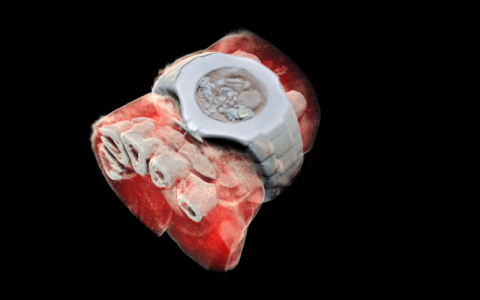
First 3D colour X-ray of a human using CERN technology
First 3D colour X-ray of a human using CERN technology | What if, instead of a black and white X-ray picture, a doctor of a cancer patient had access to colour images identifying the tissues being scanned? This colour X-ray imaging technique could produce clearer and more accurate pictures and help doctors give their patients
-
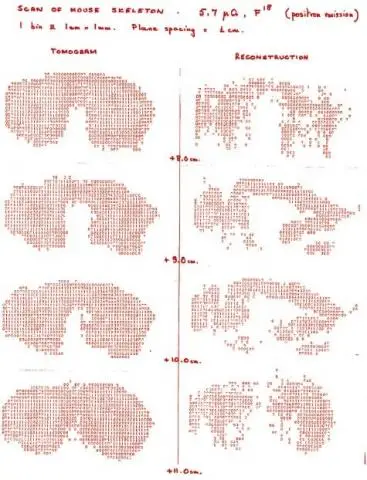
Forty years since the first PET image at CERN
Forty years since the first PET image at CERN | On a peaceful afternoon in early summer 1977, the laboratory of CERN radiobiologist Marilena Bianchi was visited by a physicist with a pretty unusual request. He asked for her help in his quest to create a first image of a mouse using a PET (positron-emission
-
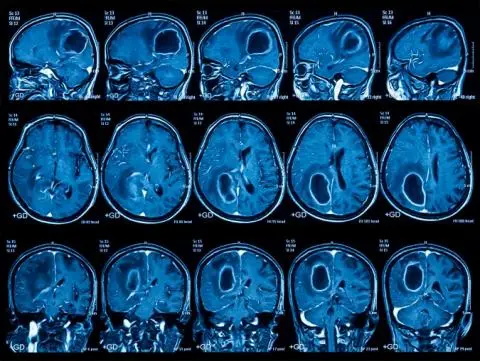
How the LHC could help us peek inside the human brain?
How the LHC could help us peek inside the human brain? | The LHC has been key in driving development of superconducting magnets – one of the most influential technologies to come out of accelerator research and development. These magnets are needed for energy, transport, and medical technology, applications far beyond the field of high energy physics.
-
New open source medical imaging tools
New open source medical imaging tools | CERN and the University of Bath have released a new toolbox for fast, accurate 3D X-ray image reconstruction with applications in medical imaging and cancer diagnosis. The software offers a very simple and affordable way to improve imaging and potentially reduce radiation doses for patients. The toolbox is
-
CERN to produce radioisotopes for health
CERN to produce radioisotopes for health | A groundbreaking ceremony at CERN today marked the beginning of the construction of CERN MEDICIS, a research facility that will make radioisotopes for medical applications. The facility will use a proton beam at ISOLDE to produce the isotopes, which are first destined for hospitals and research centres in Switzerland, and