
Tag: Radiation Protection
-
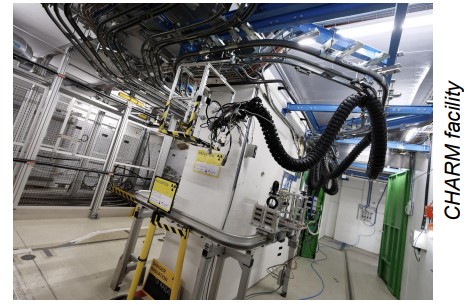
ION fragmentation for CHIMERA
ION fragmentation for CHIMERA | This proposal addresses a quite specific but critical need, building up to the on-going efforts aiming to develop a unique irradiation testing facility at CERN for high-energy/deep penetration heavy ion characterization of electronics. The main related activities (upgrading CHARM facility to enable heavy ion test campaigns) are extensively covered by
-
FastIC Read-out chips for High-energy Physics and Medical Technologies
FastIC Read-out chips for High-energy Physics and Medical Technologies | The NINO ASIC (implemented in 250nm CMOS) is a chip for the read-out of fast radiation detectors (SiPMs, MCPs); it is widely used in high-energy physics and in other fields of science. This project aims to develop a design upgrade in a deeper sub-micron technology
-
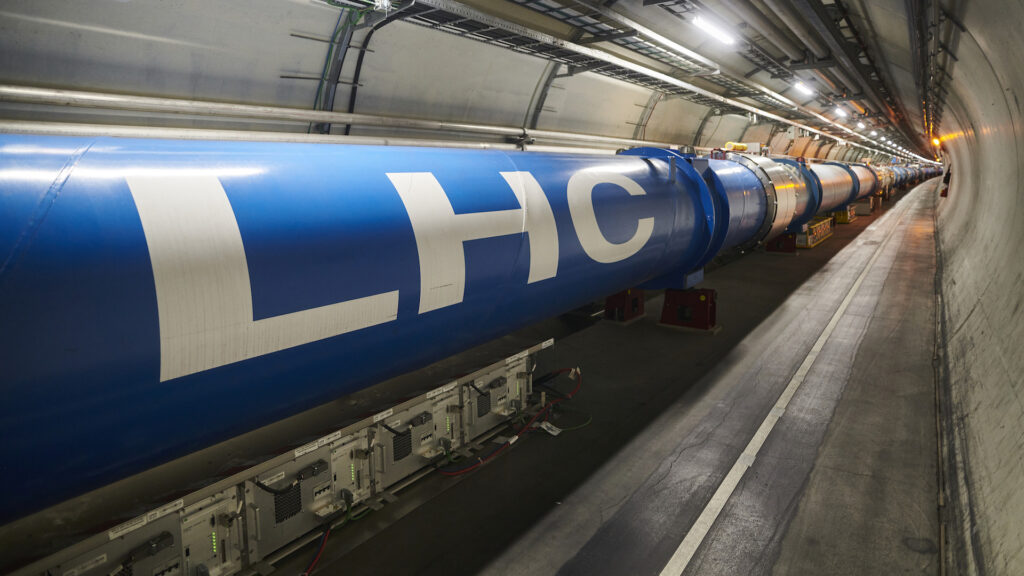
Distributed Optical Fibre Radiation & Temperature Sensor
Distributed Optical Fibre Radiation & Temperature Sensor | Optical fibre radiation and temperature sensors are important to monitor environments with high radiation levels, such as those in the accelerator complex of the LHC. Conventional systems are discretely distributed, but a distributed optical fire system can provide increased safety and a cost-effective implementation. This project will
-
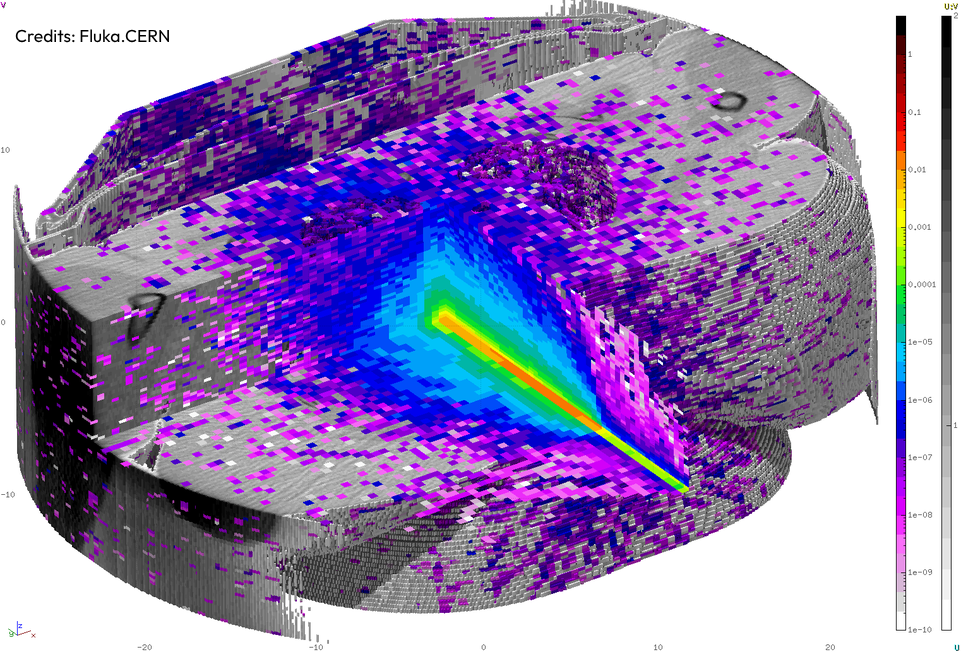
Development of the FLUKA code for hadron therapy
Development of the FLUKA code for hadron therapy | This project is based on the Fluka Monte Carlo code, the multi particle tracking code used throughout CERN. It is proposed to develop the Fluka nuclear interaction models in order to investigate the possibility of fully replacing or combining carbon therapy treatments based on 12C ions with treatments
-
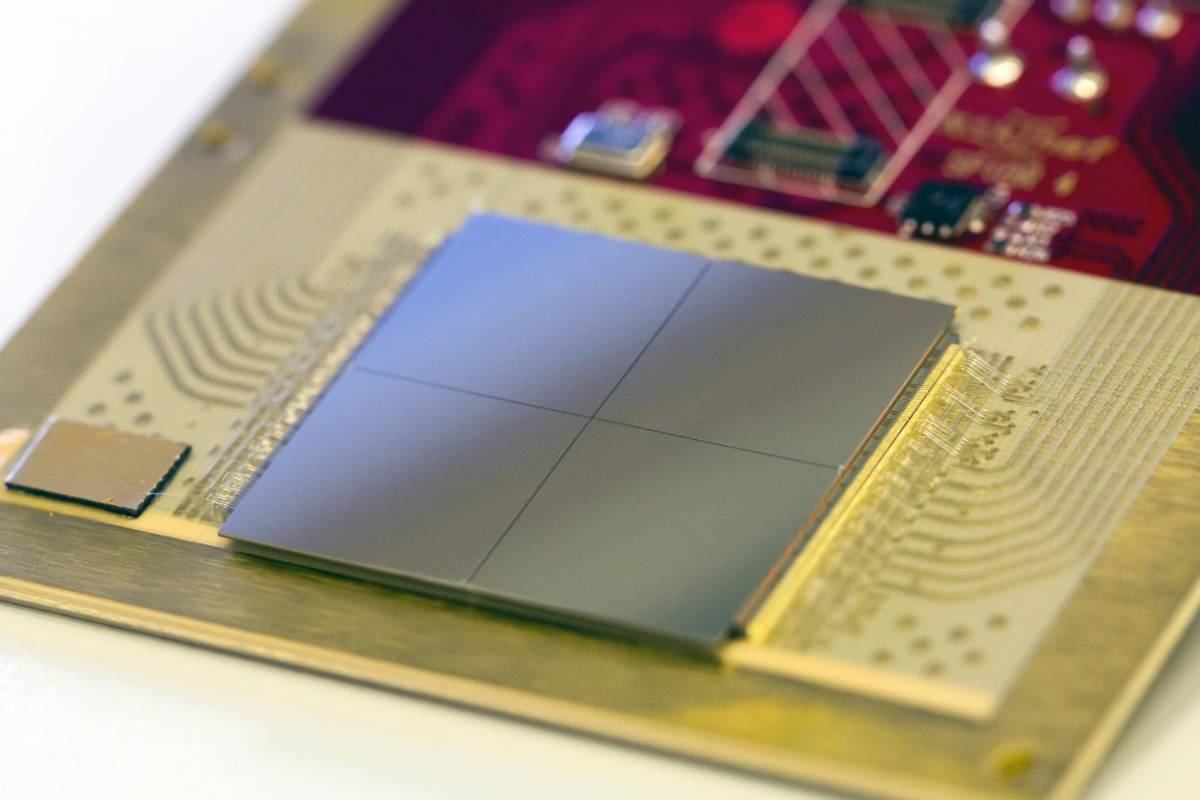
Characterisation of the Timepix4 for measurements in hospital theatres.
Characterisation of the Timepix4 for measurements in hospital theatres. | Builds on the work jointly done by CERN and at the Lausanne University Hospital (CHUV) in a previous MA-funded project, which used the photon counting Timepix3 detector as a tool for radiation field characterisation. The goal of this new project is to use Timepix4 to
-
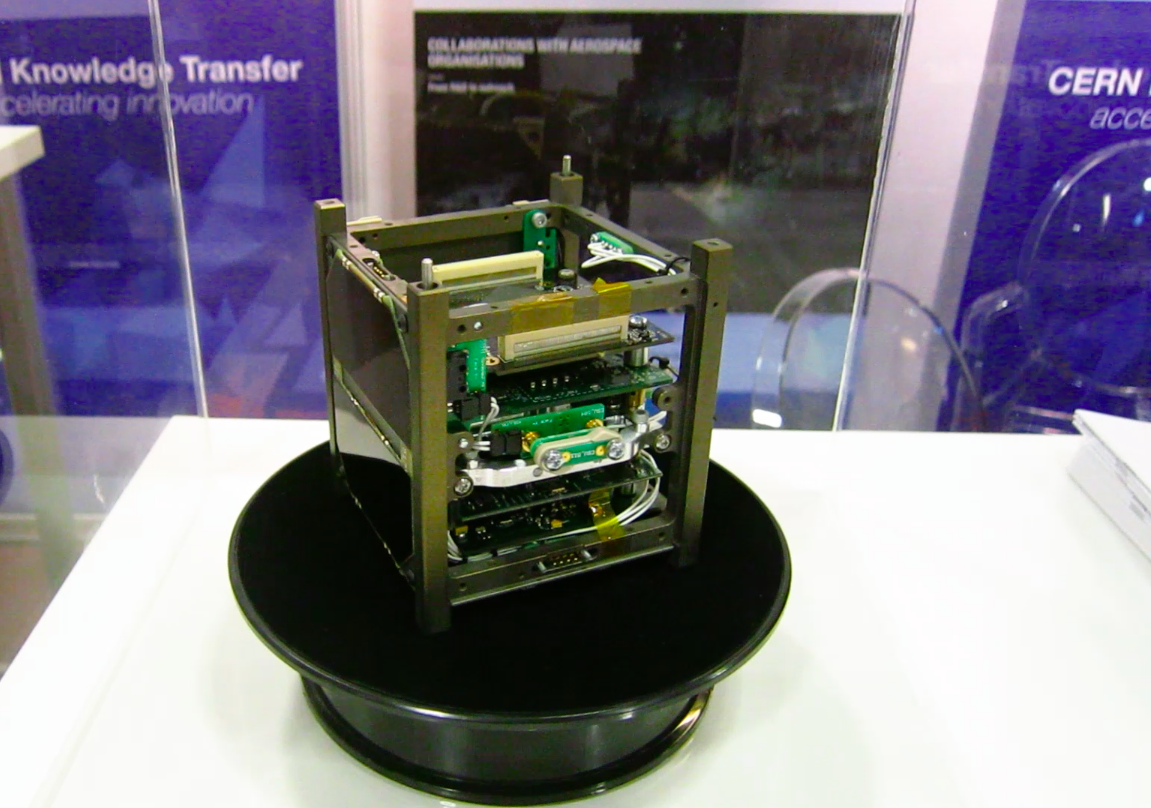
Celesta – A CubeSat Demonstrator for RadMon and CHARM applications
Celesta – A CubeSat Demonstrator for RadMon and CHARM applications | A Cubesat is a miniaturized satellite that typically uses commercial off the shelf components for its electronics. They are being increasingly attractive for small budget space science missions, especially in the context of universities, although commercial applications become more and more frequent. Radiation qualification
-
A non-destructive laser application for quality control & radiation studies in semiconductor devices
A non-destructive laser application for quality control & radiation studies in semiconductor devices | The project aims to develop a method and platform to extract doping and electric field profiles within semiconductor devices by non-destructive femtosecond laser induced Two-Photon Absorption. Several fields could benefit from this development, amongst them Quality Control & Assurance of semiconductor devices, E-Field and
-
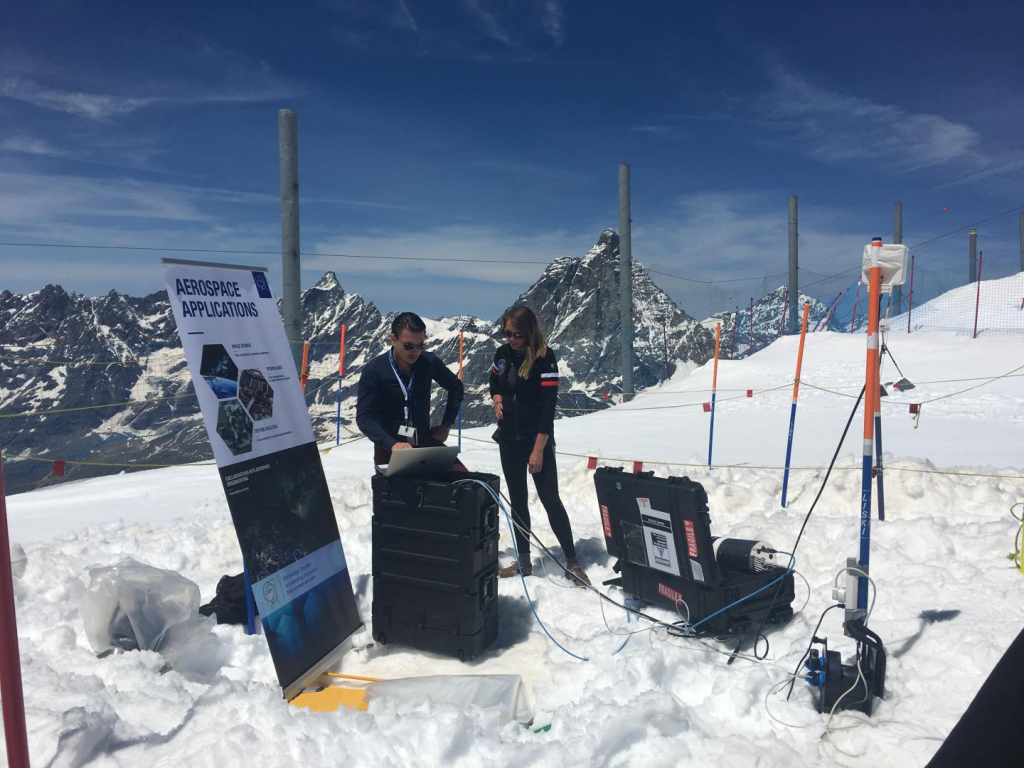
IGLUNA: Building a demonstrator moon habitat in Zermatt
IGLUNA | Building a demonstrator moon habitat in Zermatt IGLUNA is an educational project aimed at investigating the realisation of a human habitat on the moon. 18 student teams from all over Europe, coordinated by the Swiss Space Center, built several technology demonstrators for this habitat and tested them in June 2019 in the extreme
-
HTS Demonstrator Magnet for Space (HDMS)
HTS Demonstrator Magnet for Space (HDMS) | Towards the first superconducting magnet in space In space, high-field superconducting magnets based on high temperature superconductive (HTS) materials can have several promising applications: from very high resolution astroparticle spectrometry, to active shielding to protect astronauts from harmful radiation, and even debris removal. One leading project in this
-
CELESTA
CELESTA | CELESTA, the first CERN technology demonstrator in space On 13 July 2022, CELESTA, the first CERN-driven satellite, successfully entered orbit during the maiden flight of Europe’s Vega-C launch vehicle. Weighing one kilogram and measuring 10 centimetres on each of its sides, CELESTA (CERN latchup and radmon experiment student satellite) is a 1U CubeSat
-
Space RadMon
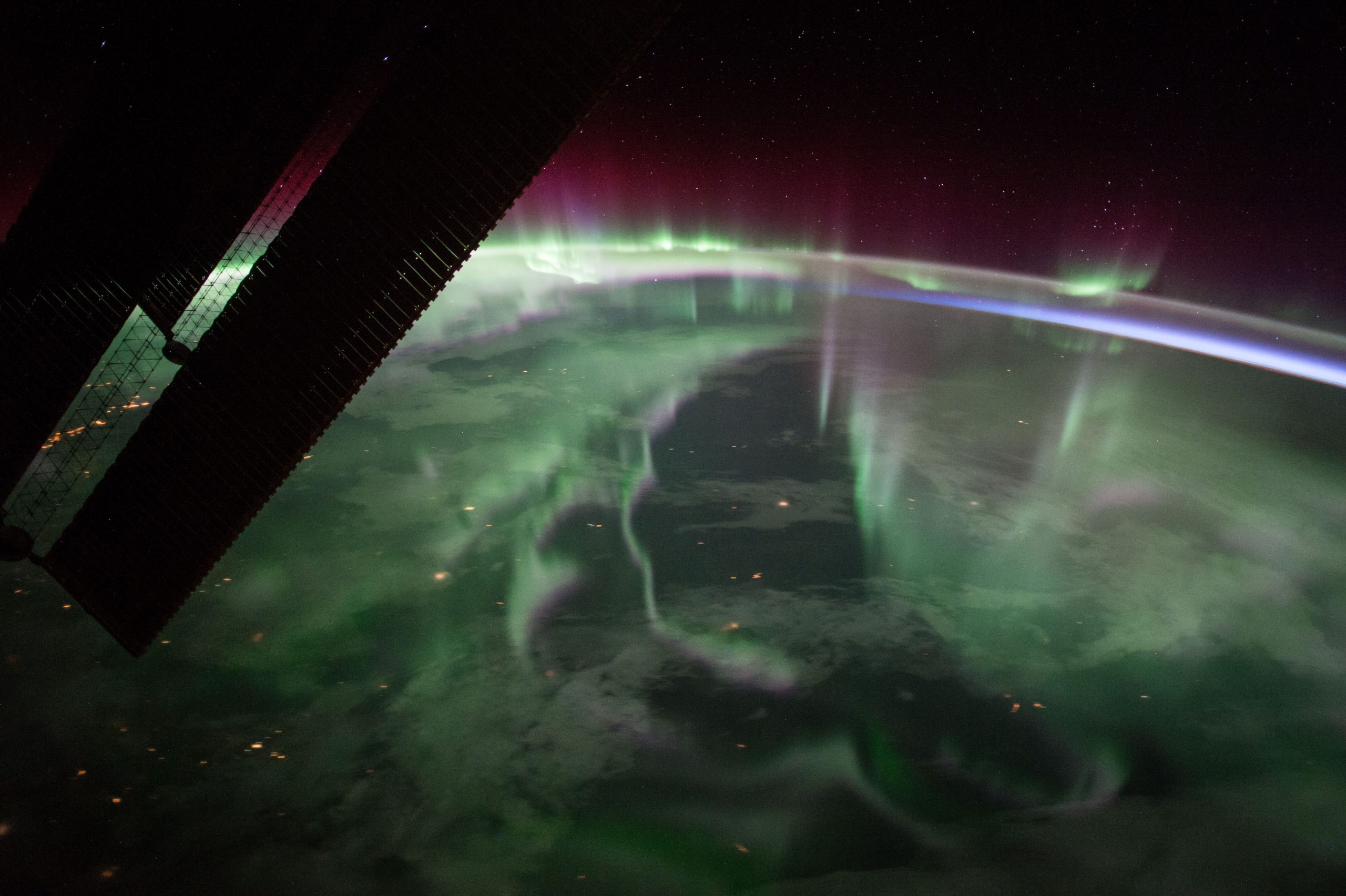
Space RadMon | A flexible low-cost instrument for radiation monitoring in space Radiation poses a major threat to satellites. Galactic cosmic rays, solar flares and particles trapped in the Earth’s magnetosphere can have severe consequences on a satellite’s integrity, as the high energies associated with them can damage or even destroy its electronic components. CERN faces similar problems inside the
-
ActiWiz
ActiWiz | The activation of material is often an important issue for all environments exposed to accelerator beams. It has considerable impact on safety and handling constraints. One of the key parameters responsible for activation is the chemical composition of the material involved which can often be optimized in order to reduce material activation. However,
-
Robotics
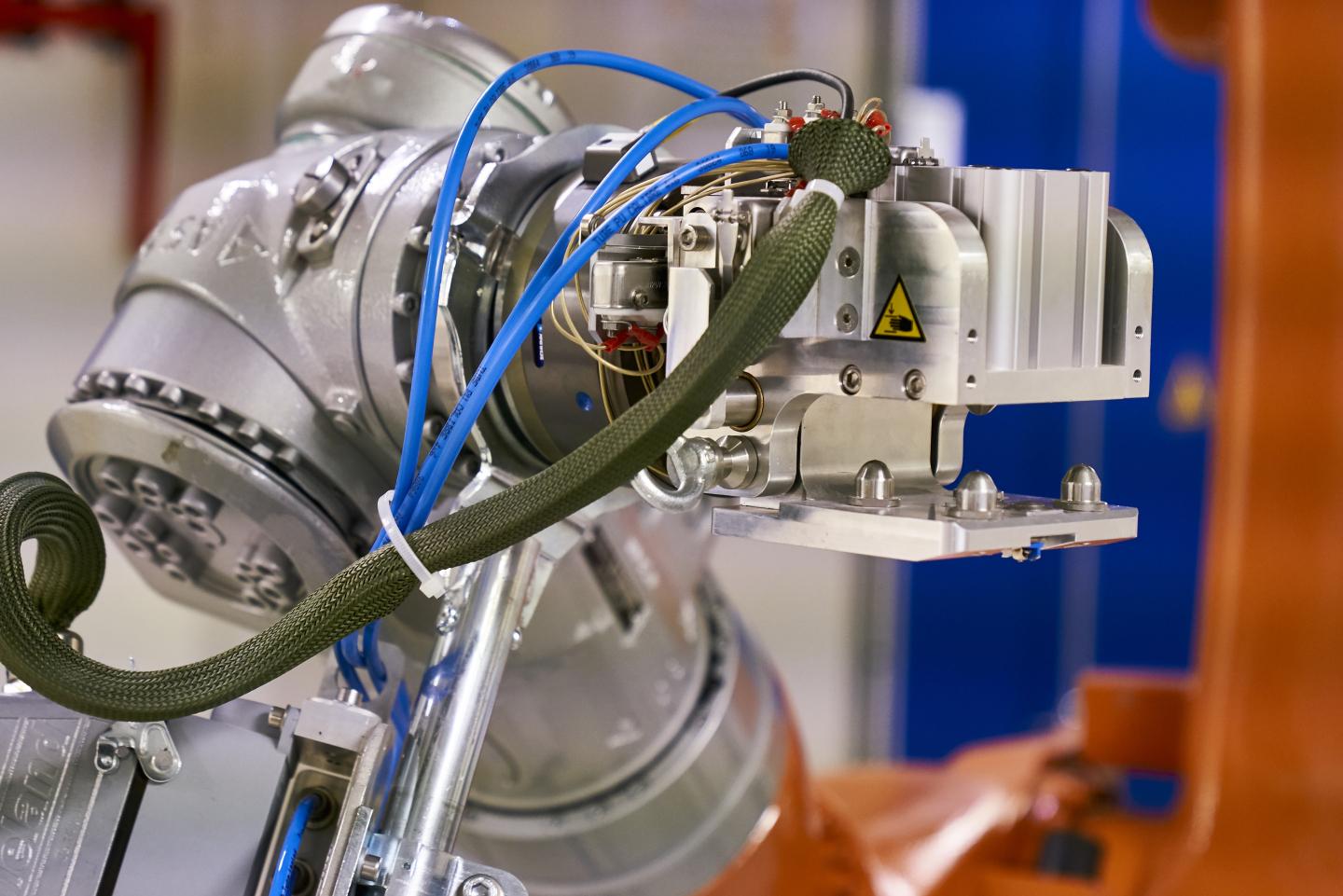
Robotics | CERN´s unique know-how in designing, building, operating robotics systems for interventions in harsh environments. CERN developed this technology to protect its personnel against hazards in the accelerator facilities. It includes drivers that allow integration of various commercially available sensors and robotic arms into the hardware platform. The application areas are vast and include inspection,
-
Radiation Protection and Monitoring
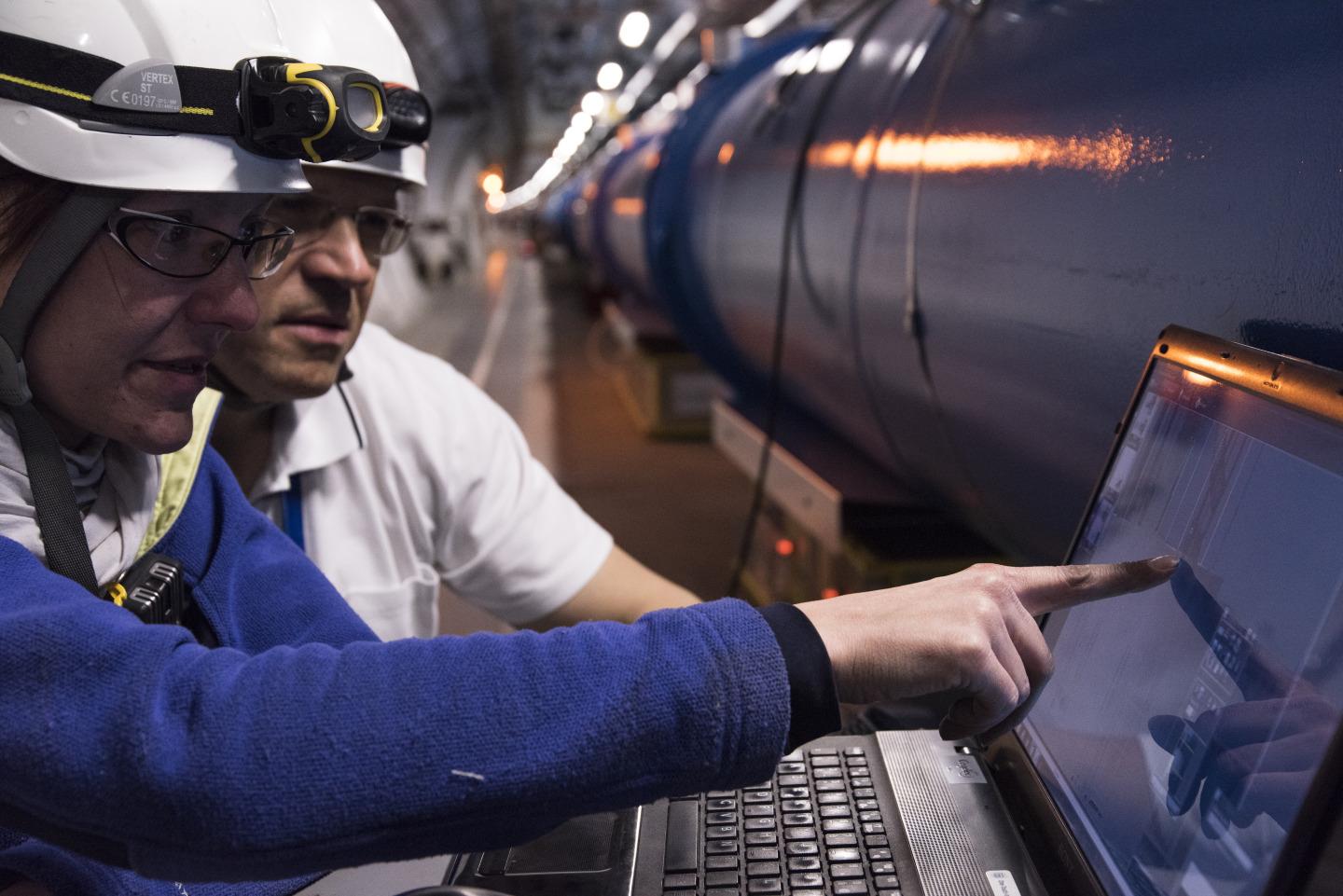
Radiation Protection and Monitoring | CERN’s unique know-how derived from years of designing, installing and operating systems to monitor level of radiations. CERN’s Know-How Facts & Figures Key Competencies High-energy reference field The CERN-EU high-energy Reference Field (CERF) facility, in the SPS North Experimental Area, is a workplace radiation facility providing reference neutron fields for
-
Health, Safety and Environment Management
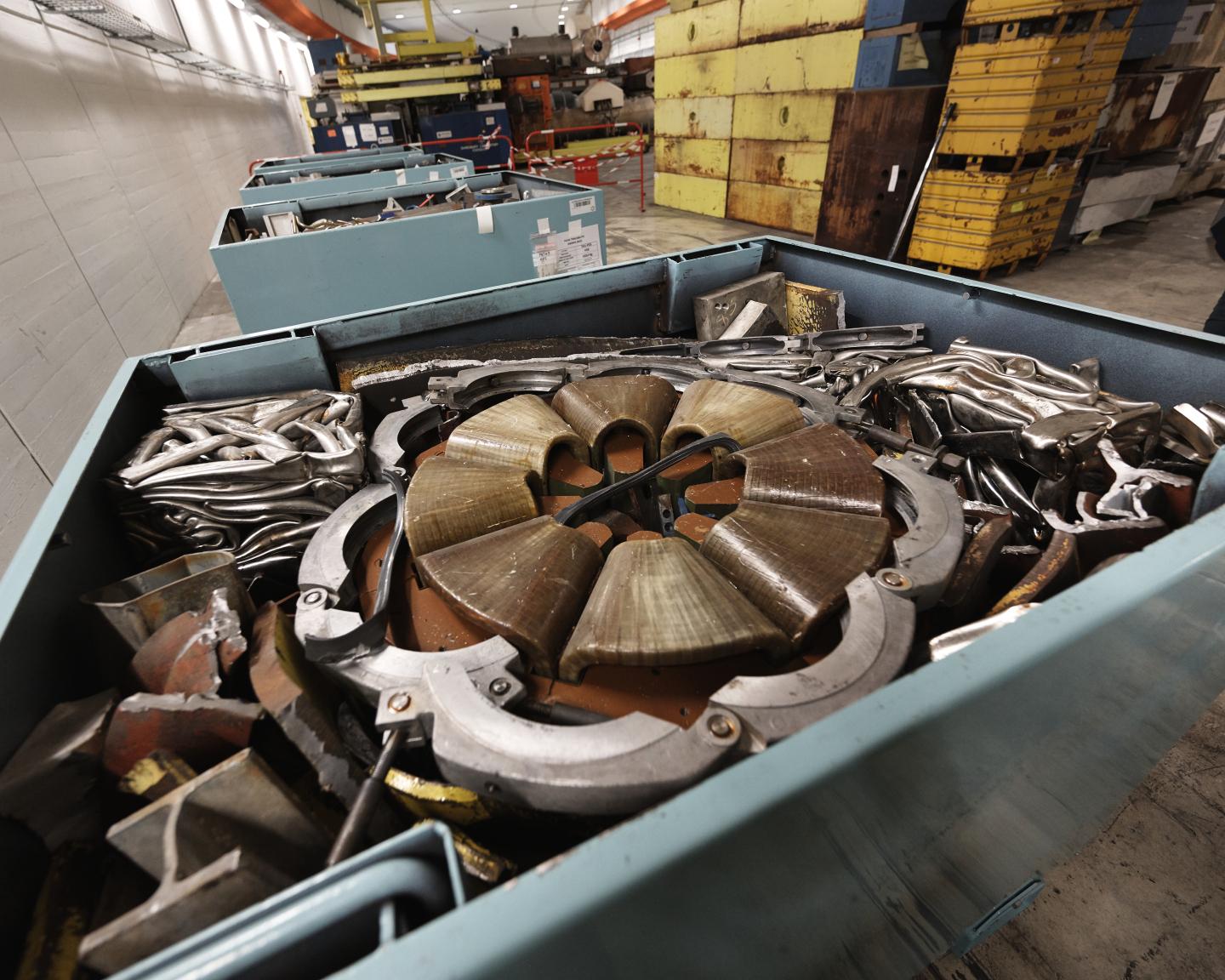
Health, Safety and Environment Management | Devices, systems and methods for keeping people safe at one of the world’s most complex, large-scale research infrastructures. CERN’s Know-How Facts & Figures Key Competencies Industrial controls for distributed safety systems Expertise in the design and implementation of industrial control systems for highly complex environments, with high safety level
-
Dosimetry
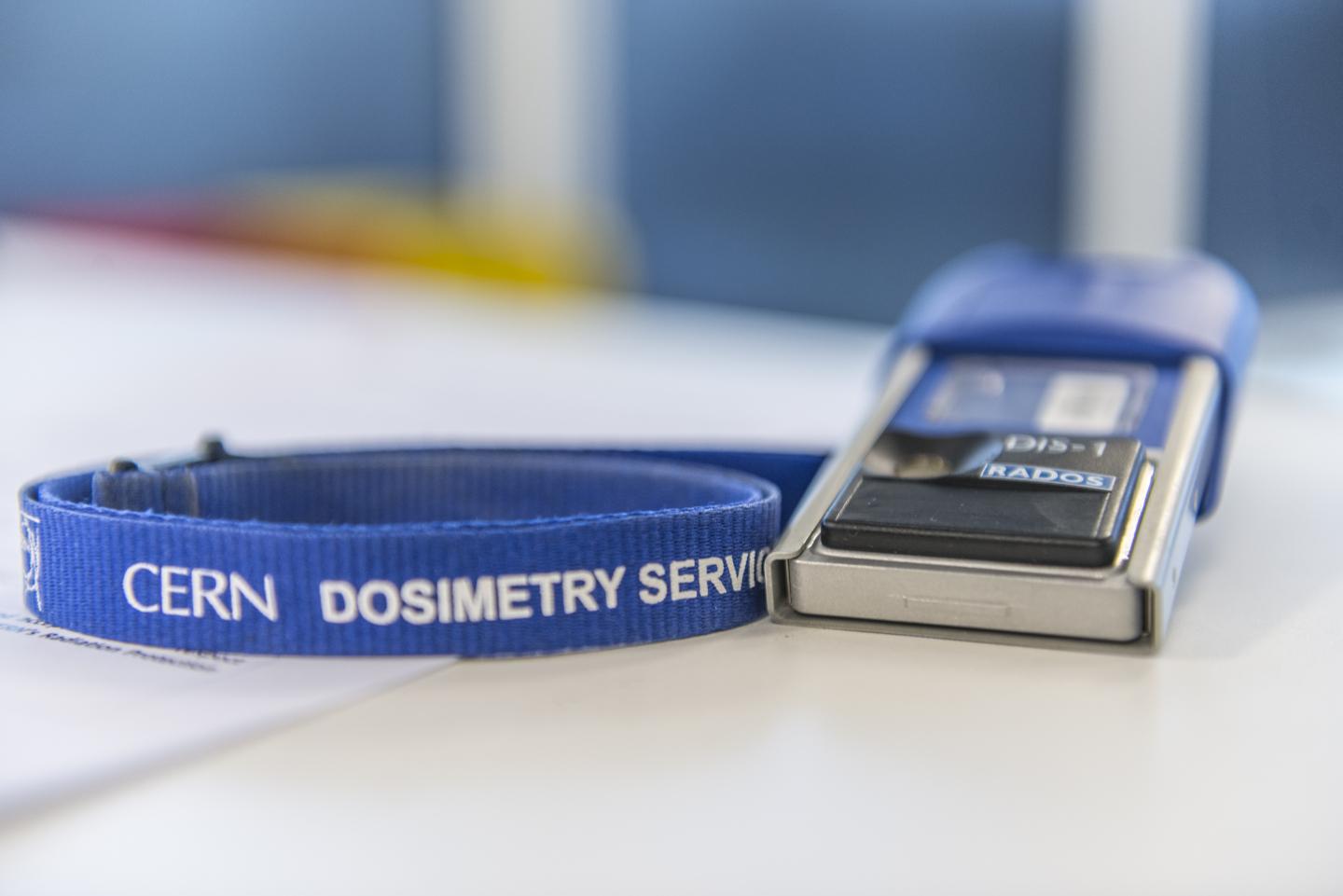
Dosimetry | CERN’s Know-How Facts & Figures Key Expertise Internal and external dosimetry Professionals working with unsealed radioactive sources or in the presence of contaminated/activated materials are at risk of incorporating radionuclides. New specific procedures are developed at CERN to reinforce the existing internal monitoring program. This will facilitate dose assessment and calculations. CERN Calibration
-
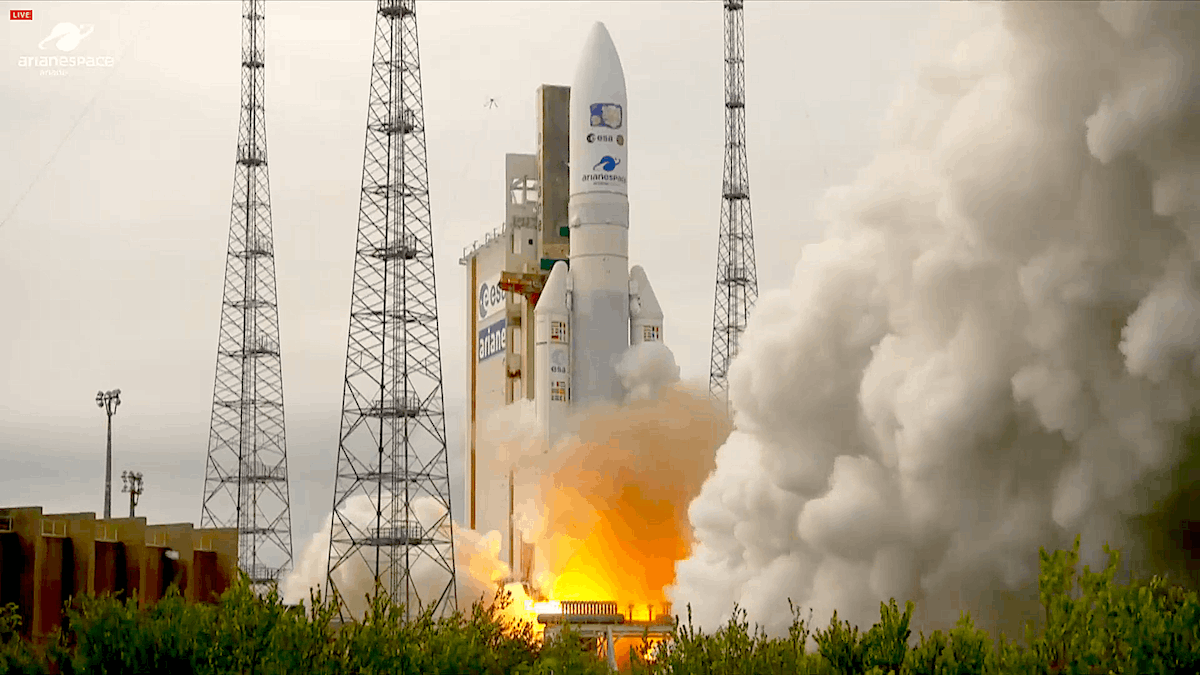
From CERN to Jupiter: Juice embarks on its historic journey
From CERN to Jupiter: Juice embarks on its historic journey | Before embarking on its journey, critical components of ESA’s interplanetary mission were tested in the only facility on Earth capable of replicating Jupiter’s harsh radiative environment It is not only in the tunnels of CERN that we learn about the origin and composition of
-
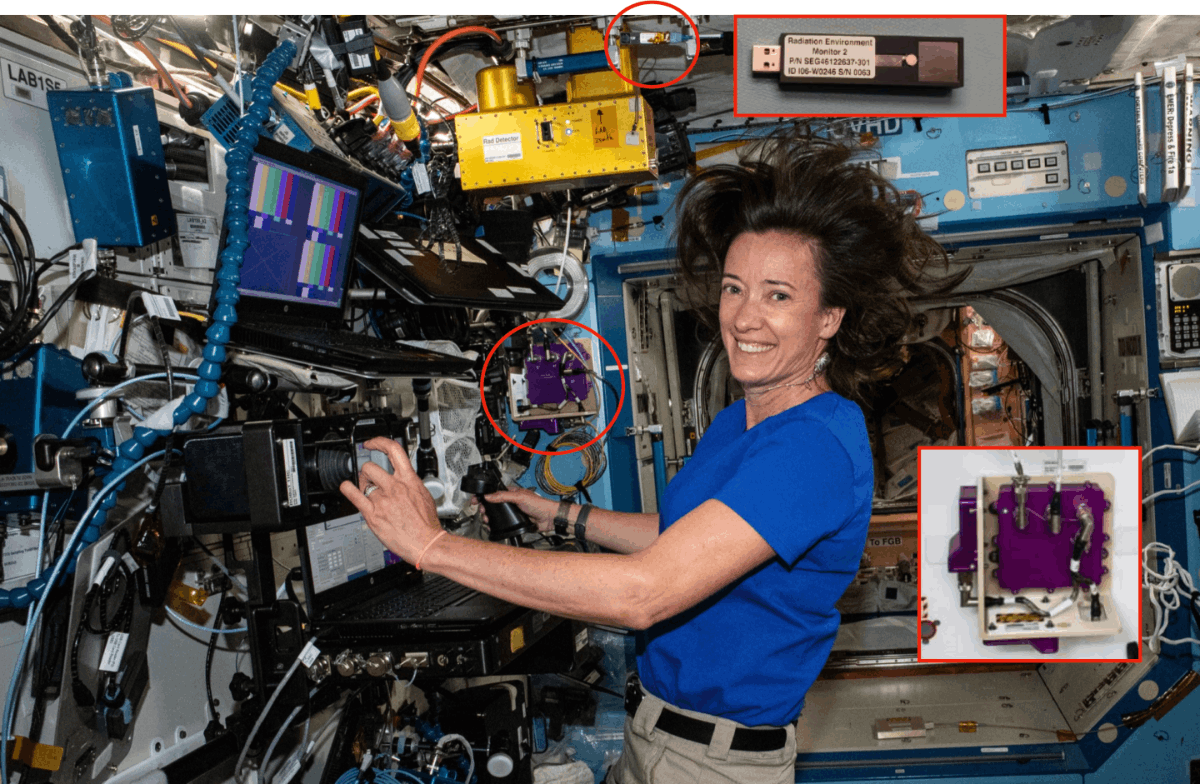
Timepix: from CERN’s galleries to the Moon
Timepix: from CERN to the Moon | The renowned Timepix detector celebrates its 10-year anniversary on the International Space Station by flying to the Moon: the chip features in NASA’s future lunar programme In July 1969, just a few days after the first Moon landing, CERN’s then Director-General, Bernard Gregory, sent the following message to
-
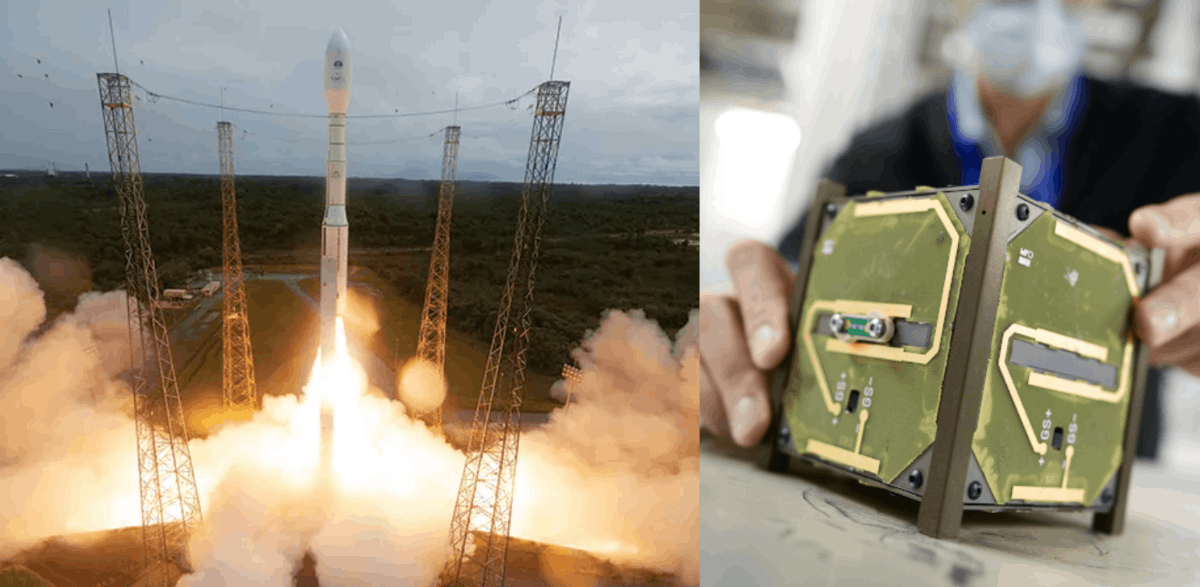
CERN tech in space: the first CERN-driven satellite has been successfully launched
CERN tech in space: the first CERN-driven satellite has been successfully launched With the launch of the CELESTA satellite for radiation monitoring in space, CERN shows its expertise in the field of radiation effects on electronics CELESTA, the first CERN-driven satellite, successfully entered orbit during the maiden flight of Europe’s Vega-C launch vehicle. Launched by
-
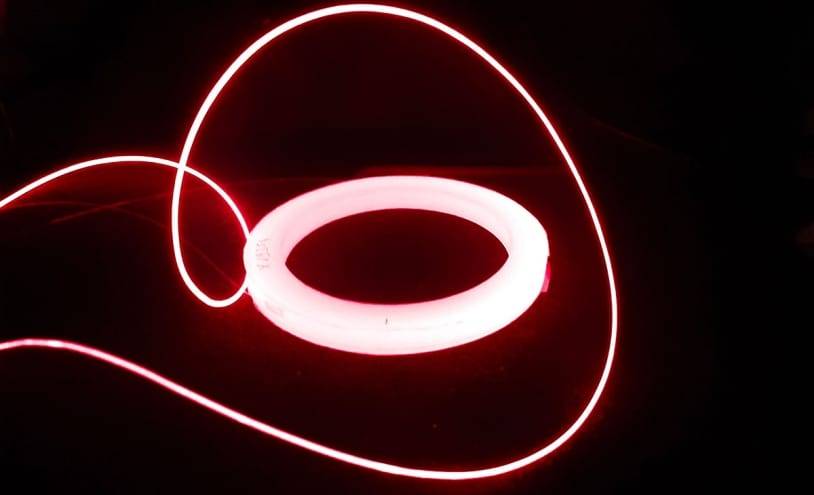
CERN-tested optical fibres now on the International Space Station
CERN-tested optical fibres now on the International Space Station | Astronaut Thomas Pesquet has activated Lumina, an optical fibre-based dosimetry experiment on board the International Space Station This article was originally published on home.cern. In a spacecraft, in order to protect both crew and electronics from radiation, it is mandatory to invest in effective radiation monitoring
-
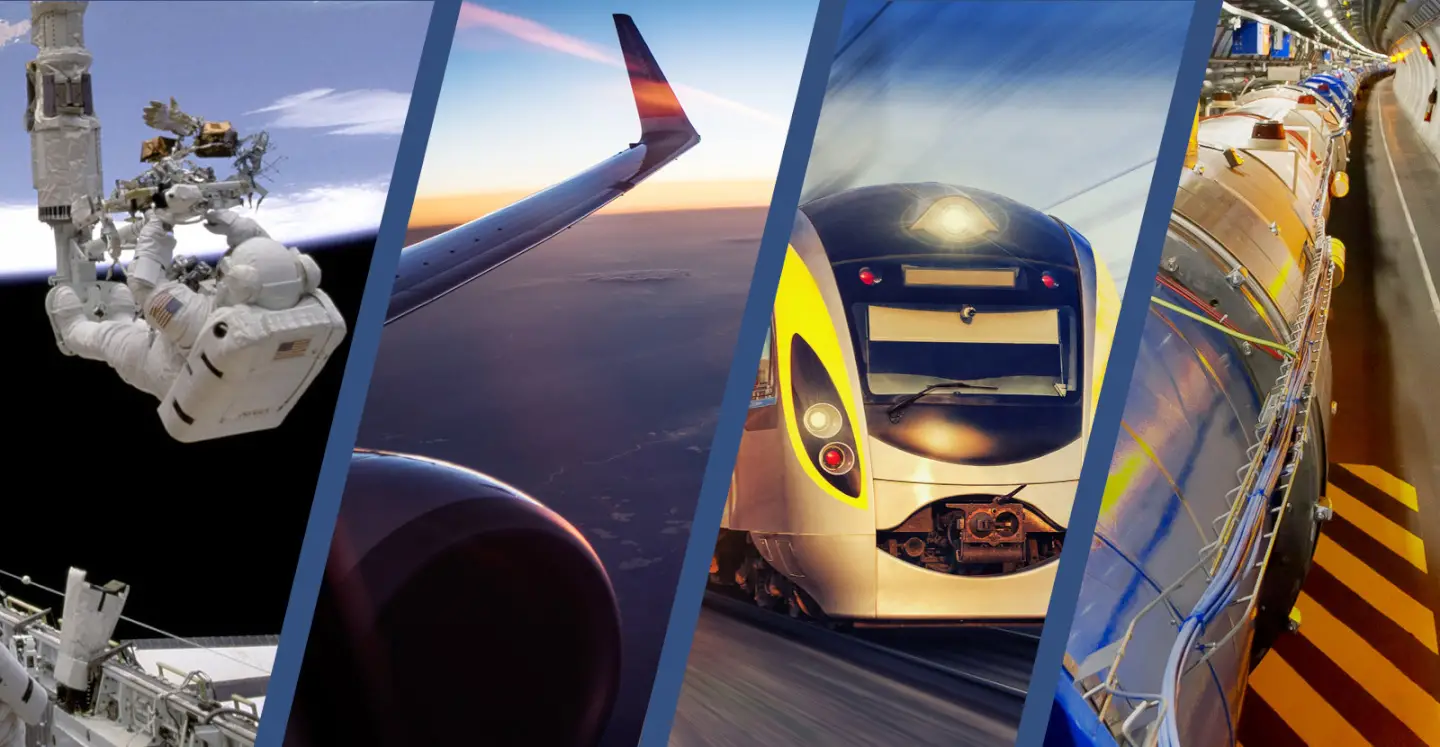
Sparking breakthroughs in radiation protection for spacecraft, aviation and accelerators
Sparking breakthroughs in radiation protection for spacecraft, aviation and accelerators | The CERN-coordinated and EU-funded RADSAGA project is coming to an end after four years of rewarding research into radiation protection for electronics With the proliferation of space missions around the globe and technological leaps allowing the development of ever more sophisticated components, there is
-
New 3D colour X-rays made possible with CERN technology
New 3D colour X-rays made possible with CERN technology | Stunning new images pave the way for large-scale human trials, two years on from the first ever 3D colour human X-ray using CERN Medipix3 technology Two years after the first ever 3D colour X-ray of a living human, MARS Bioimaging has released stunning new images made using a world-first
-
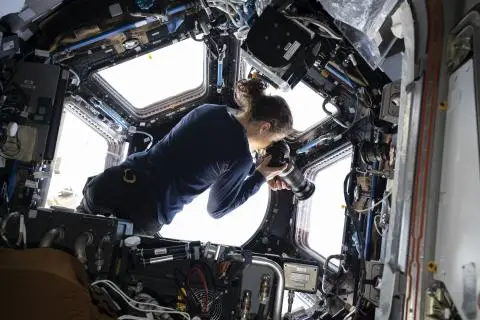
NASA, CERN Timepix Technology Advances Miniaturized Radiation Detection
NASA, CERN Timepix Technology Advances Miniaturized Radiation Detection | As we prepare to send the first woman and next man to the Moon and on to Mars, NASA, with support from the University of Houston, has been working to develop advanced radiation detectors to better protect astronauts and vital spacecraft systems during solar storms. The detectors are based
-
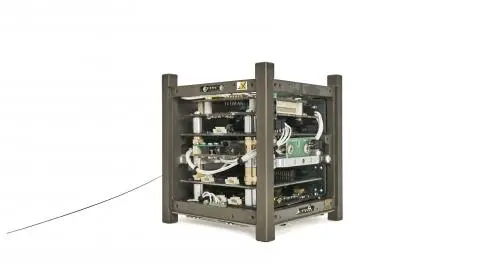
First full satellite tested in CERN’s CHARM facility
First full satellite tested in CERN’s CHARM facility | CHARM, a unique facility at CERN to test electronics in complex radiation environments, has now tested its first full space system: CELESTA (CERN Latchup and radmon Experiment STudent sAtellite). The micro-satellite was successfully tested and qualified in July under a range of radiation conditions that it