
Tag: Other
-

MACHINA – Design & construction of a transportable RFQ for PIXE analysis
MACHINA – Design & construction of a transportable RFQ for PIXE analysis | The MACHINA (Movable Accelerator for Cultural Heritage In-situ Non-desctructive Analysis) collaboration has developed a ‘miniaturised’ Radio Frequency Quadrupole (RFQ) accelerator that is expected to open up new possibilities for the analysis of fine art and cultural artefacts. It employs a technique called Particle Induced
-

Quasar framework – OPC-UA server generation
Quasar framework – OPC-UA server generation | Open Platform Communications Unified Architecture (henceforth OPC-UA) is a machine to machine communication protocol (middleware) for industrial automation developed by the OPC Foundation based on a client/server model. OPC-UA is widely used across diverse industry and research fields for integrating a wide variety of hardware devices and interconnecting
-
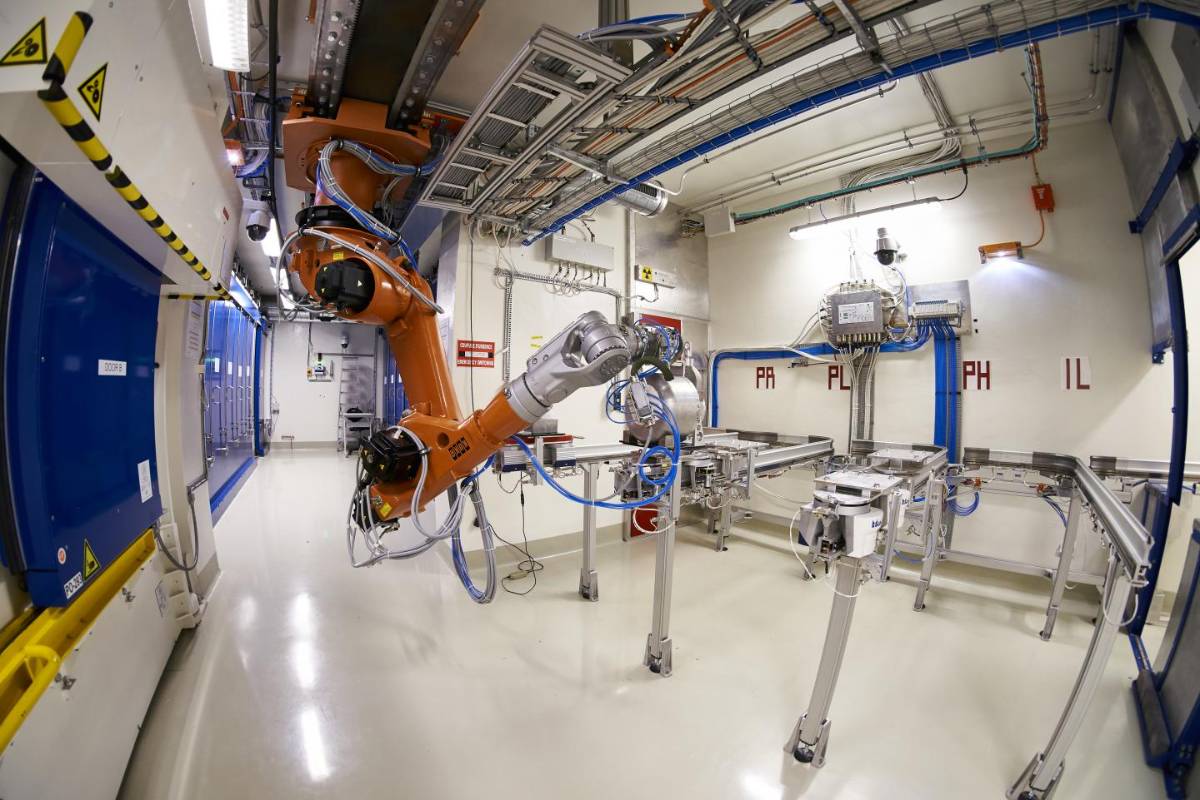
MEDICIS
MEDICIS | CERN-MEDICIS (Medical Isotopes Collected from ISOLDE) is a unique facility designed to produce unconventional radioisotopes with the right properties to enhance the precision of both patient imaging and treatment. It will expand the range of radioisotopes available for medical research – some of which can be produced only at CERN – and send
-
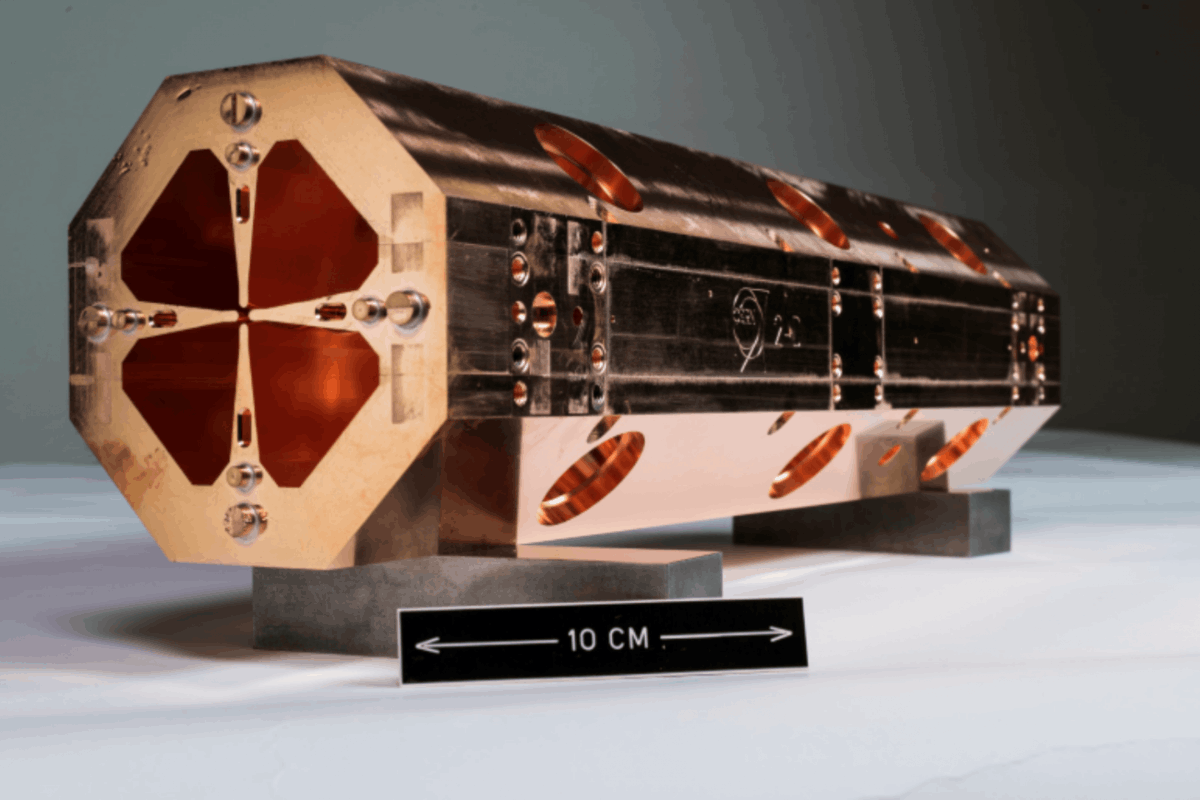
High Frequency Compact Linear Proton Accelerator
High Frequency Compact Linear Proton Accelerator | In the frame of its programme for medical applications, and building on its experience with the LINAC4 injector (the first stage in the Large Hadron Collider accelerator chain), the High-Frequency Radio Frequency Quadrupole (HF-RFQ) was constructed with the goal of providing a compact, low-current injector for a proton
-
Launching CERN Venture Connect
Launching CERN Venture Connect CERN launches its new programme designed to support for deep-tech startups CERN Venture Connect (CVC) is designed to provide startups a fast, streamlined, and customised service. CVC aims to support deep-tech startups in all of CERN’s Member States and Associate Member States. The programme will help the founders succeed by giving
-
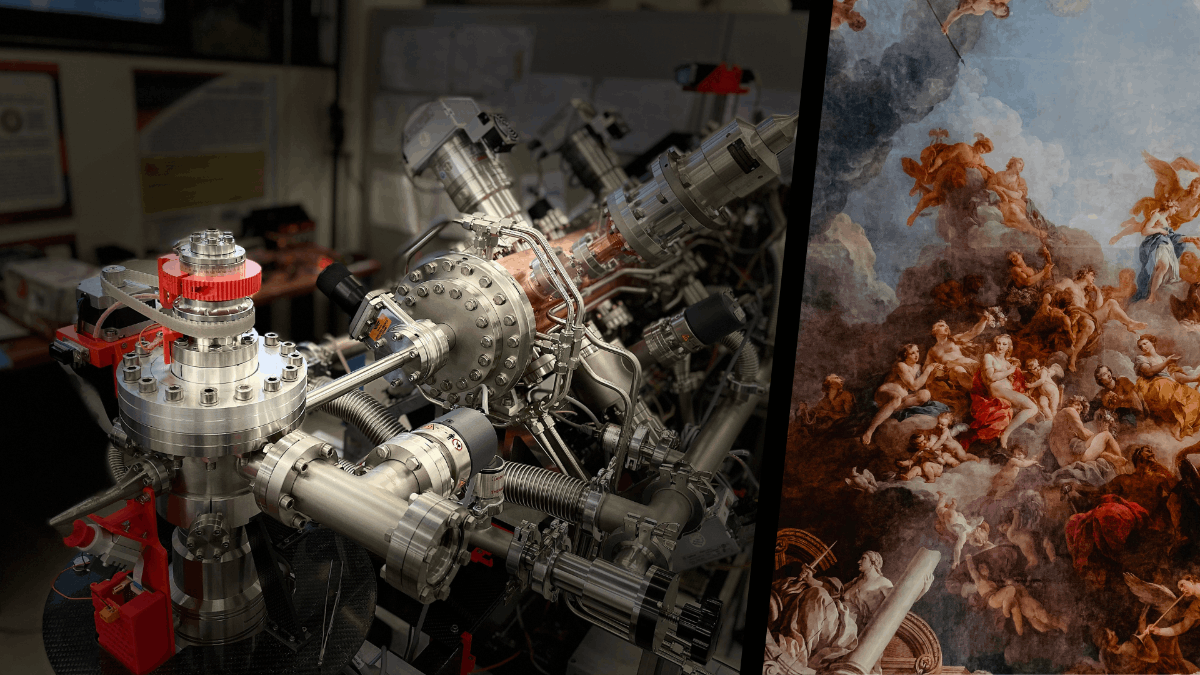
New compact accelerator to help preserve heritage artworks
New compact accelerator to help preserve heritage artworks | CERN and INFN have developed a compact, transportable accelerator for the non-destructive analysis of historical artifacts and artworks, providing a cheaper, more accessible method of analysing large or fragile items of this nature Beyond fundamental research, accelerators are well known for their contribution to the medical field,
-
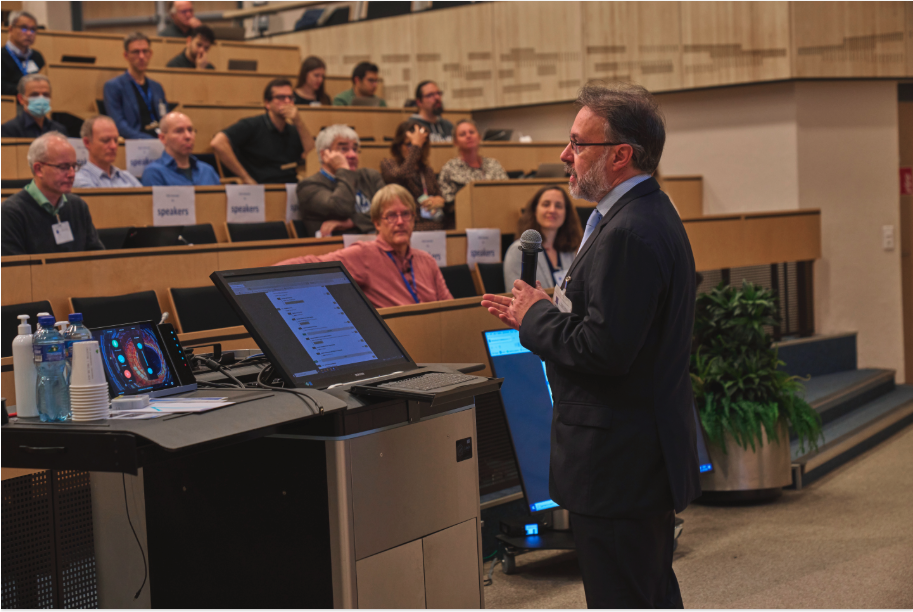
Combining quantum with high-energy physics
Quantum leap CERN QTI head Alberto Di Meglio speaking at the QT4HEP event, supported through CERN openlab and sponsored by Google, IBM and Intel
-
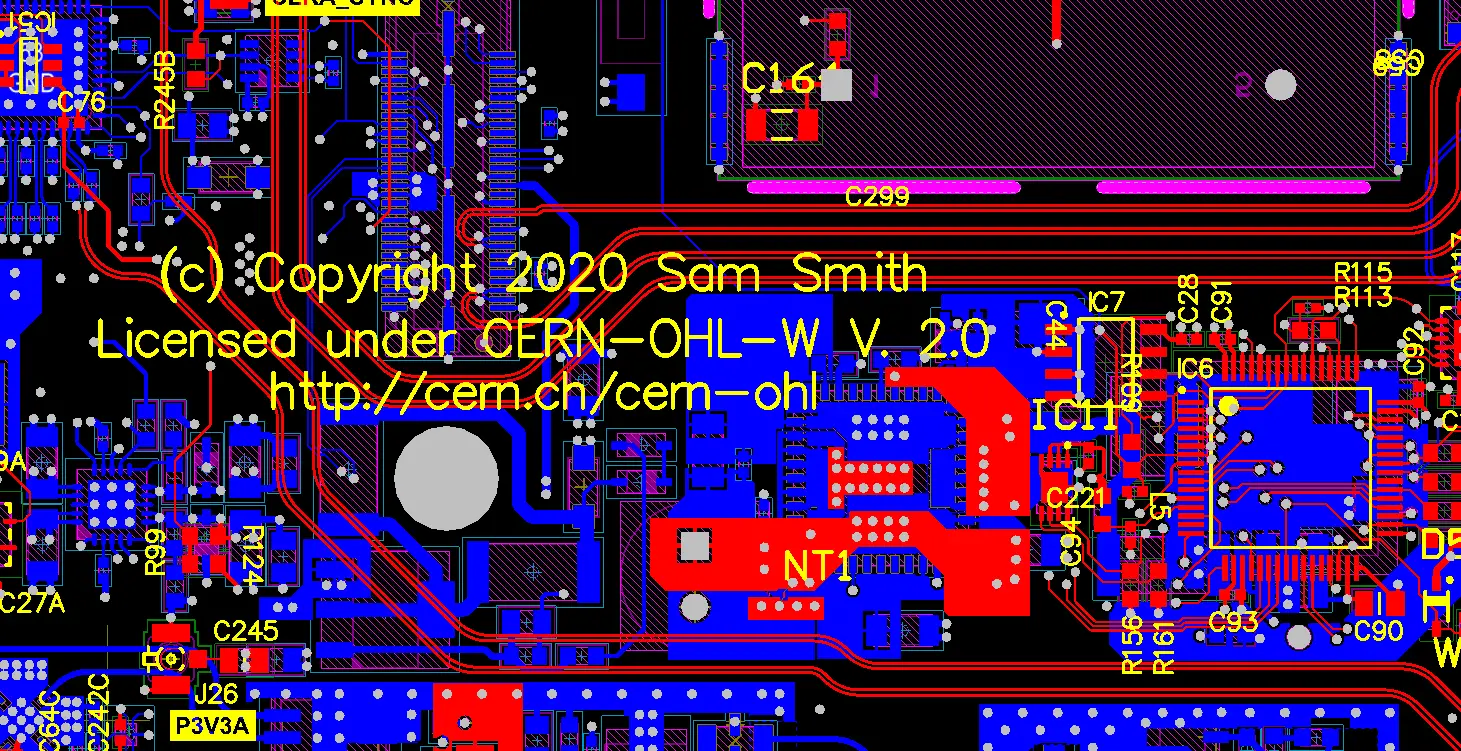
Open Source Initiative (OSI) endorses the CERN Open Hardware Licence
Open Source Initiative (OSI) endorses the CERN Open Hardware Licence | On 15 January 2021, the Open Source Initiative (OSI) approved, as OSI Certified, the CERN Open Hardware License 2.0, a family of licenses that governs the use, copying, modification and distribution of hardware designs. On 15 January 2021, the Open Source Initiative (OSI) approved,
-
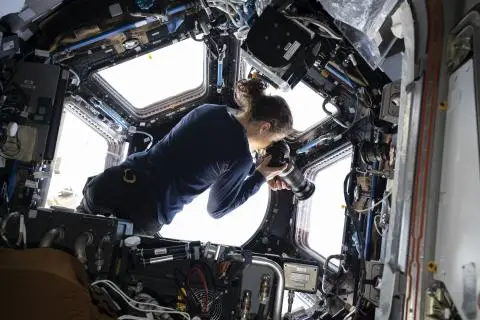
NASA, CERN Timepix Technology Advances Miniaturized Radiation Detection
NASA, CERN Timepix Technology Advances Miniaturized Radiation Detection | As we prepare to send the first woman and next man to the Moon and on to Mars, NASA, with support from the University of Houston, has been working to develop advanced radiation detectors to better protect astronauts and vital spacecraft systems during solar storms. The detectors are based
-
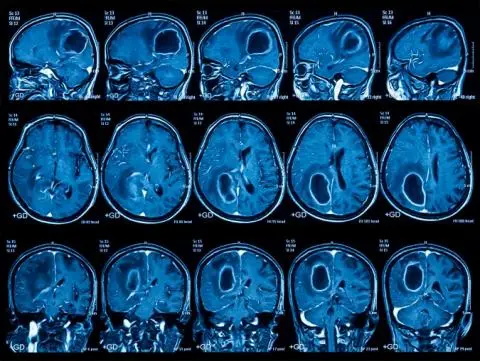
How the LHC could help us peek inside the human brain?
How the LHC could help us peek inside the human brain? | The LHC has been key in driving development of superconducting magnets – one of the most influential technologies to come out of accelerator research and development. These magnets are needed for energy, transport, and medical technology, applications far beyond the field of high energy physics.