
Tag: Materials
-
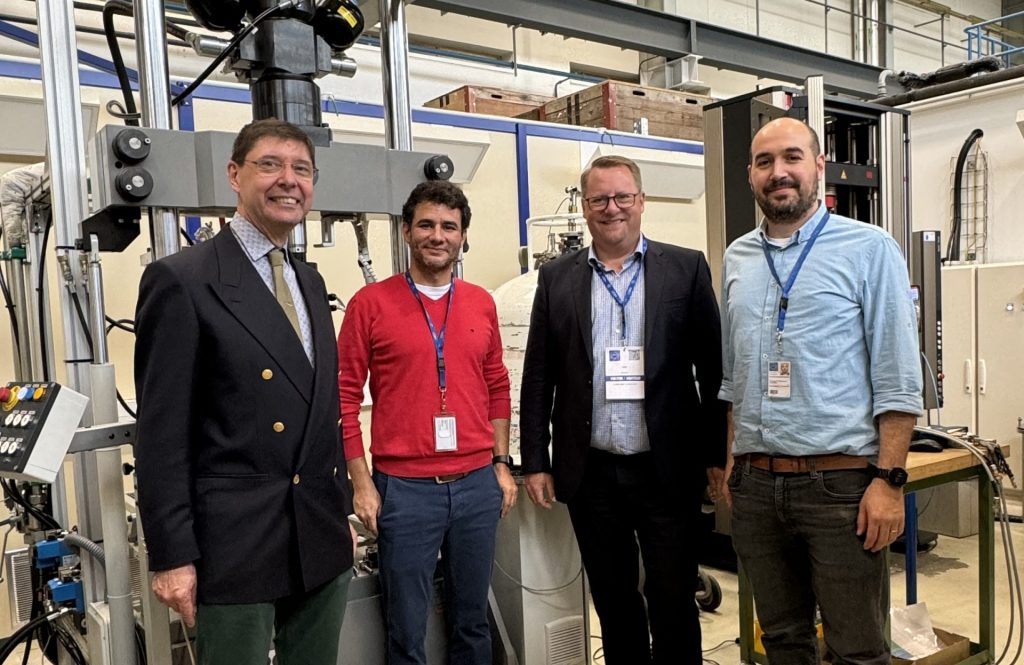
Testing steel for fusion power (Rolf Kind)
Testing steel for fusion power (Rolf Kind) | CERN has partnered with German company Rolf Kind, which specialises in the production of forgings in high-alloy stainless steels, to find the right steel for the requirements of the fusion power plants of tomorrow. Rolf Kind collaborated with CERN’s Materials, Metrology and Non-Destructive Testing section to test
-
Supporting industrial materials testing (Applus+)
Supporting industrial materials testing (Applus+) | Applus+ provides testing services to companies. CERN provided a consultancy to Applus+ to support them developing an equipment to test the mechanical properties of materials at cryogenic temperatures. This consultancy was provided based on CERN’s experience designing in-house equipment for this purpose. As opposed to CERN’s test bench, the
-

Liquid hydrogen maritime transportation (GTT)
Liquid hydrogen maritime transportation (GTT) | In 2023, CERN and Gaztransport & Technigaz (GTT), a technological expert in membrane containment systems used to transport and store cryogenic liquids, started a collaboration to develop liquid hydrogen carriers. The ambition of this project is to provide a scalable technology to store and carry liquid hydrogen in ships
-
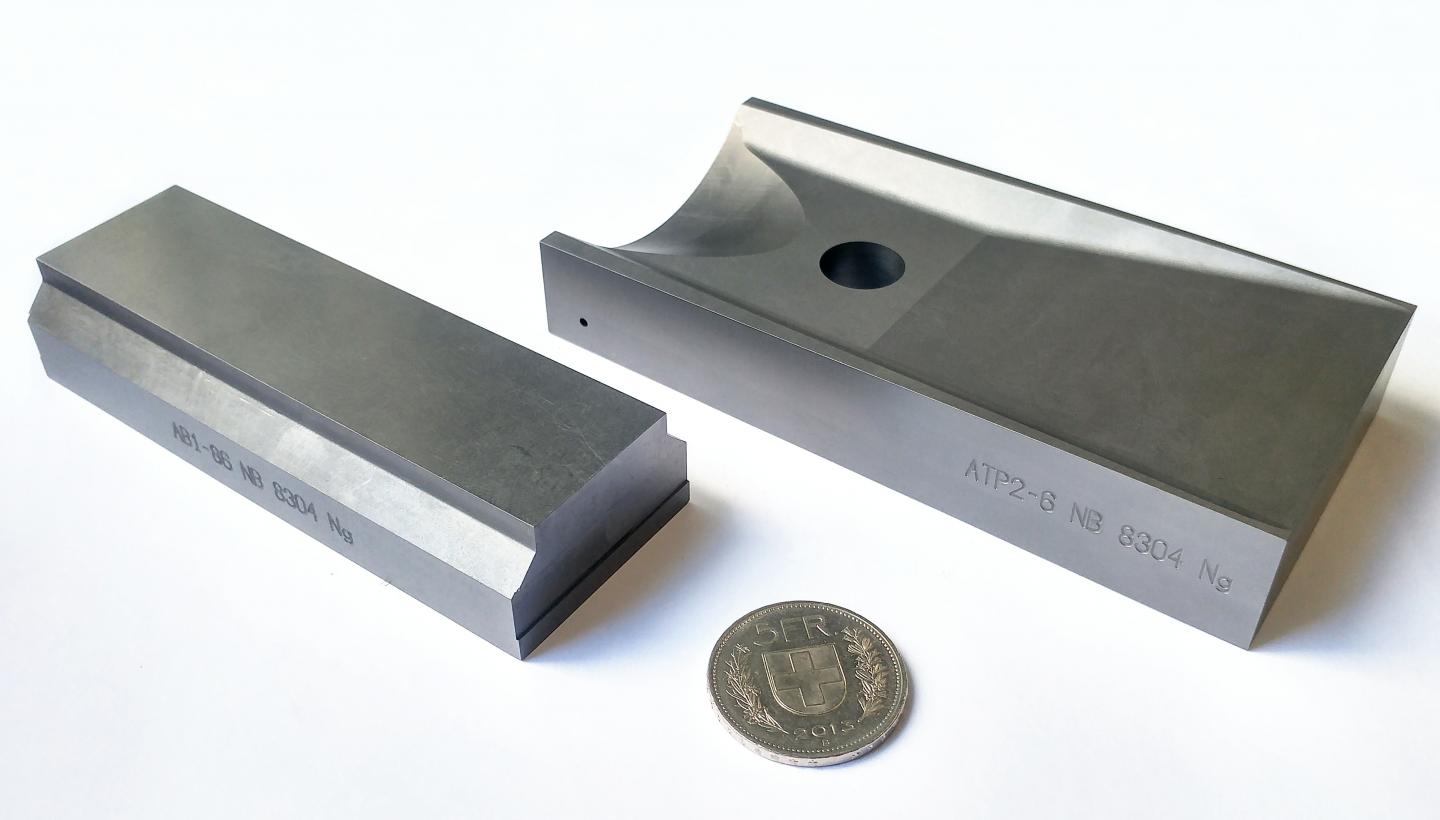
Thermal Management Materials
Thermal Management Materials | As part of its accelerator R&D programme, CERN has developed a family of novel, graphite-based composite materials to perform reliably in extreme thermo-structural conditions. The most outstanding results have been with Molybdenum Carbide-Graphite composites (MoGr)—developed in collaboration with Brevetti Bizz (IT)—that exhibit thermal conductivities up to 900 W m−1K−1 , very
-
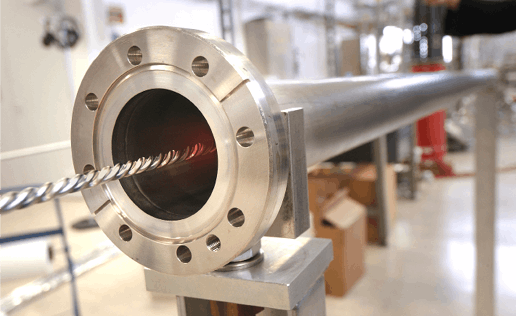
Thin film coatings
Thin film coatings | Thin film coatings for ultra-high vacuums CERN experts have significant expertise across a range of thin film coating techniques for producing High & Ultra-High Vacuum, particularly Non-Evaporable Getter (NEG) thin film coatings. NEG coatings are produced by sputtering an alloy of several selected metals onto a vacuum chamber wall. When activated
-
Micro Chemical Vias
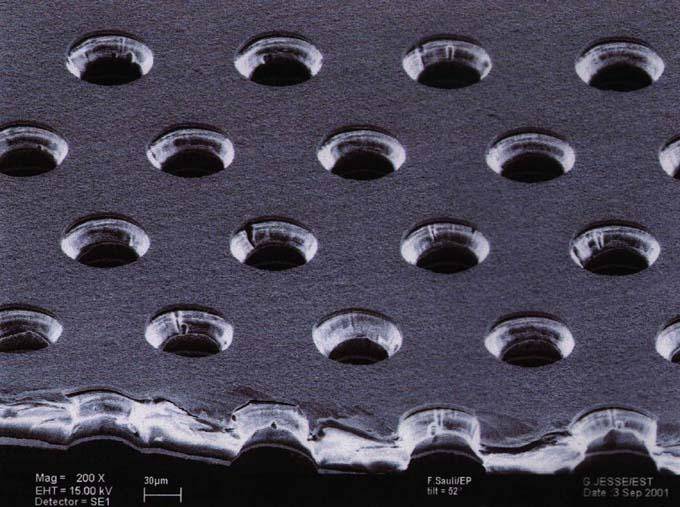
Micro Chemical Vias | Previous methods to produce microvias are based on complex technologies such as laser, plasma or photo imaging. Chemical Via is a new chemical method to make microvias for high density printed multilayer circuits. Microvias are used to interconnect adjacent layers and consist of a small diameter hole (usually 70µm) with a
-
Particle Tracking and Calorimetry
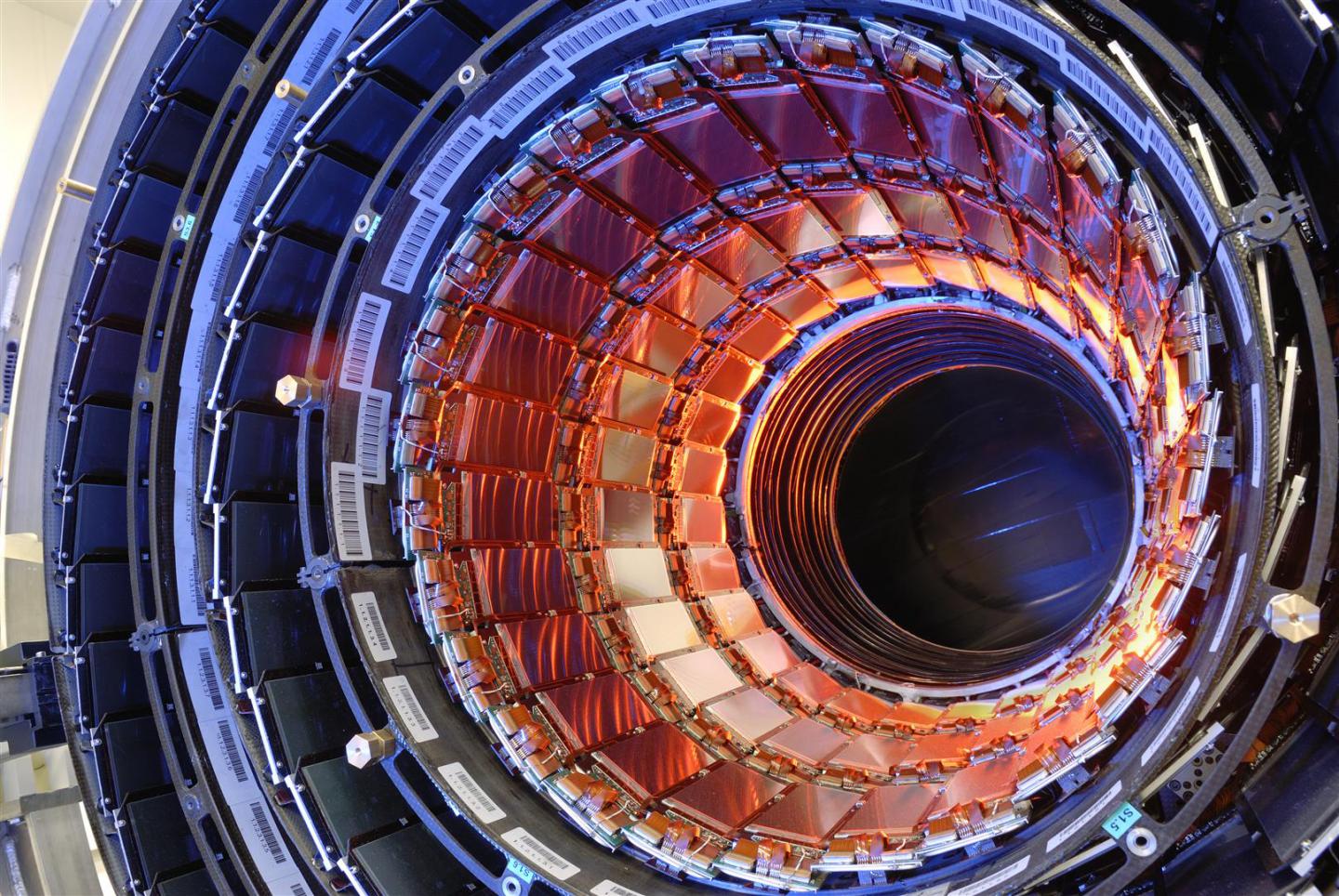
Particle Tracking and Calorimetry | CERN’s unique know-how derived from years of designing, testing, building and operating complex detector systems. CERN’s Know-How Facts & Figures Key Competencies Compact integration of technology Experiments running around and outside the LHC are extremely complex and large structures. Main challenge is to maximize the volume dedicated to the detector
-
Material Science
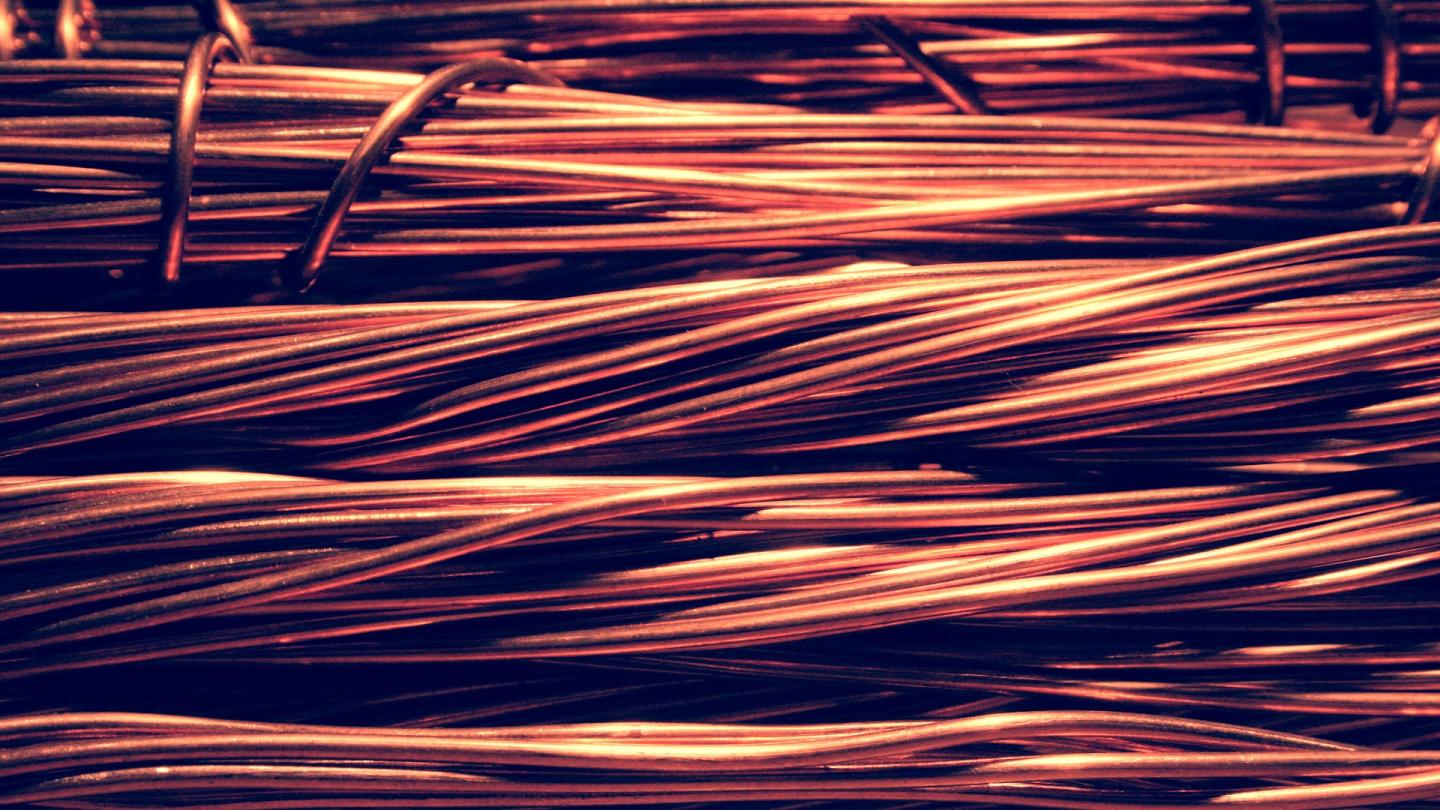
Material Science | Novel fabrication methods and analysis procedures for materials operating at the extremes of precision and endurance. CERN’s Know-How Facts & Figures Key Competencies Materials for demanding applications & environments Selection, specification, development and application of materials and processes to meet demanding requirements, often at the extremes of temperature, radiation, vacuum and magnetism.
-
Manufacturing and Mechanical Processes
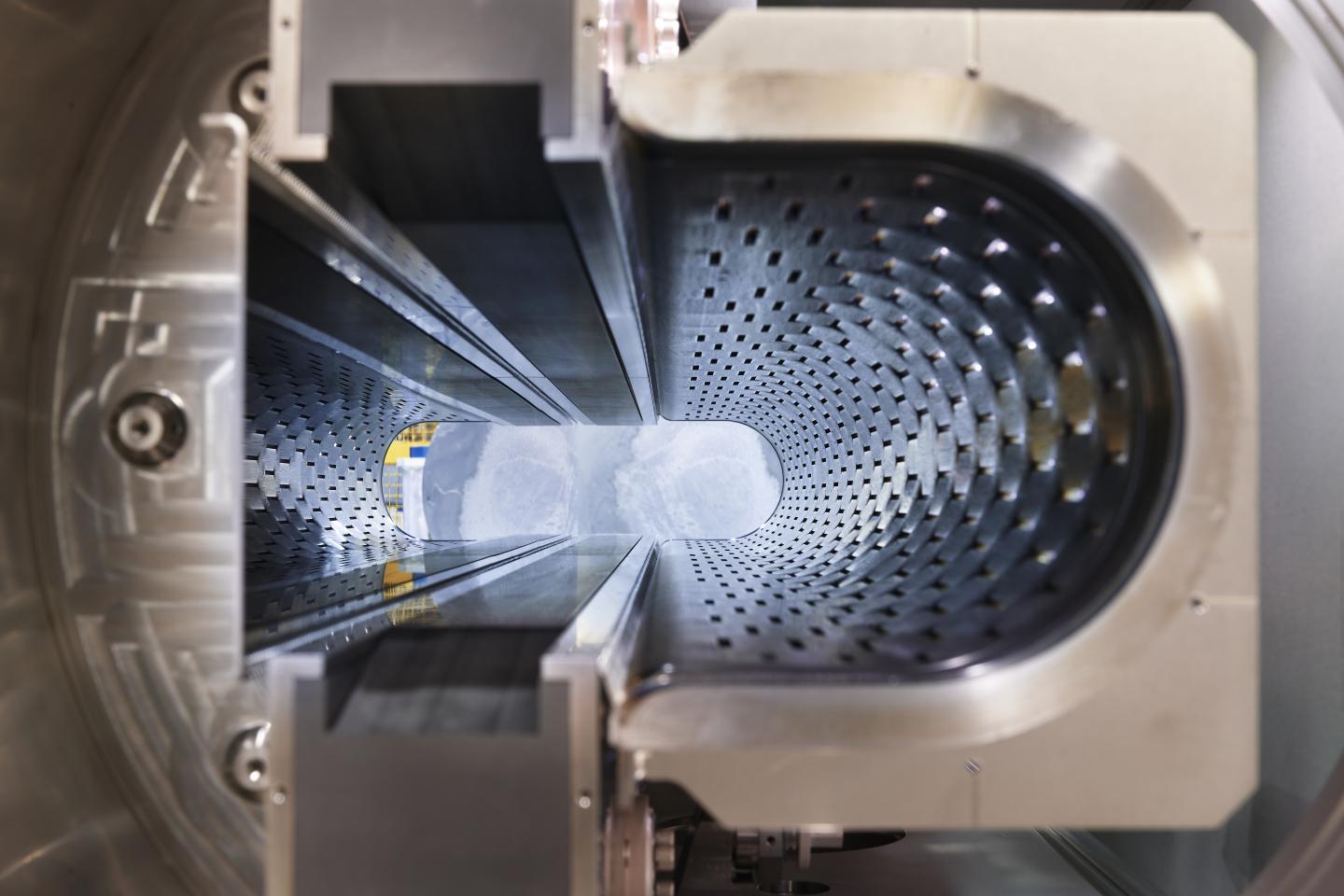
Manufacturing and Mechanical Processes | CERN develops manufacturing solutions for machines operating at the limits of precision, size, speed and power. CERN’s Know-How Facts & Figures Key Competencies High-precision engineering and assembly at micro & macro scale CERN components must be built to strict dimensional tolerances and sustain the highest level of performance, especially in
-
CERN tech for Quantum Systems
CERN tech for Quantum Systems | How to collaborate with CERN? Find out about upcoming Quantum related news and events here Key Competencies Thin film coatings for ultra-high vacuums CERN experts have developed a range of techniques and materials for thin film coatings in order to meet the diverse demands of achieving vacuums in different systems
-
New compact accelerator to help preserve heritage artworks
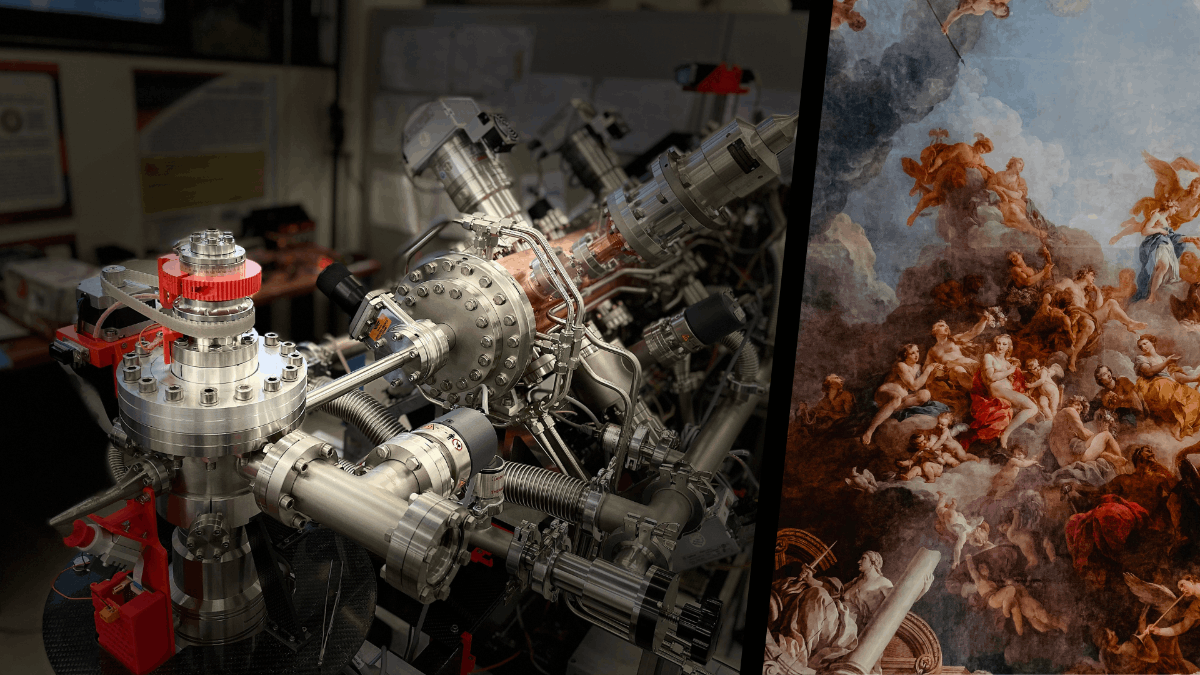
New compact accelerator to help preserve heritage artworks | CERN and INFN have developed a compact, transportable accelerator for the non-destructive analysis of historical artifacts and artworks, providing a cheaper, more accessible method of analysing large or fragile items of this nature Beyond fundamental research, accelerators are well known for their contribution to the medical field,