
Tag: Magnets
-
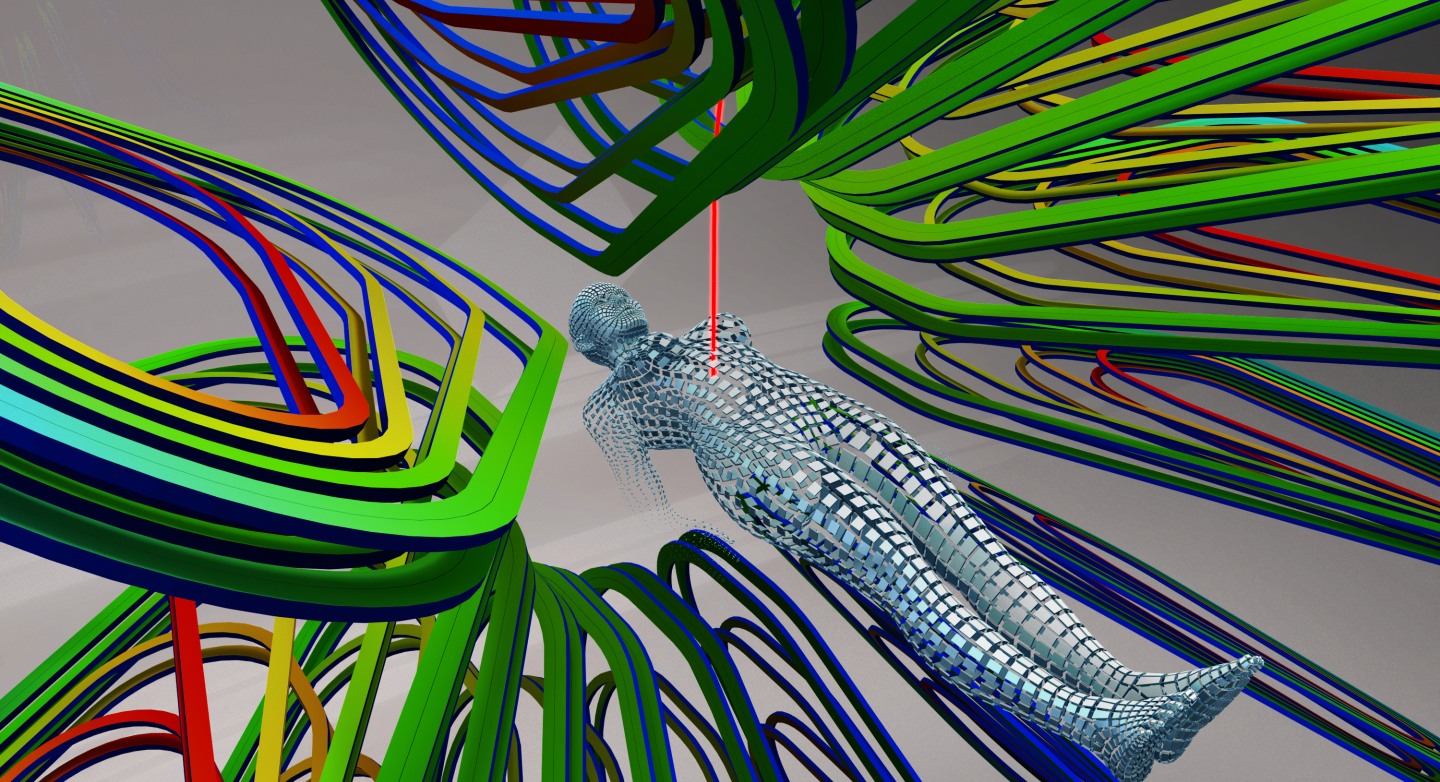
NIMMS – Next Ion Medical Machine Study
NIMMS – Next Ion Medical Machine Study | NIMMS aims to develop technologies for the next generation of compact, performant and lower cost accelerators for ion therapy cancer treatment. The project outlines an R&D programme for the development of related critical accelerator technologies ; the programme builds on existing activities and on core CERN competences. Two
-
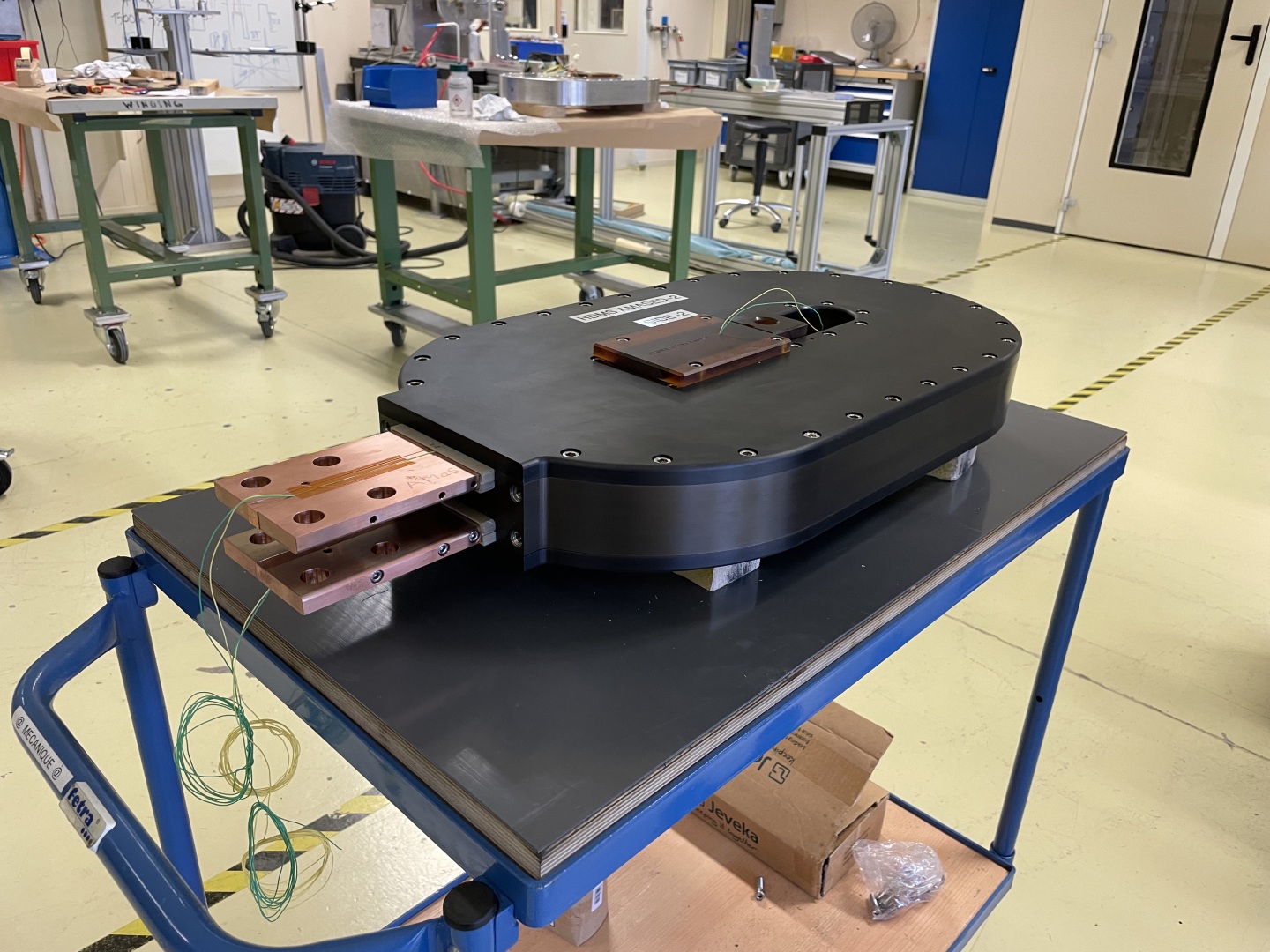
High field HTS magnet demonstrator for space
High field HTS magnet demonstrator for space | CERN and the Italian Space Agency (ASI) signed the first implementation of their bilateral collaboration framework. The project aims to define a compact high-field magnet based on advanced high temperature superconductivity technology suitable for space applications (such as high resolution astroparticle spectrometry), and to design, build and
-
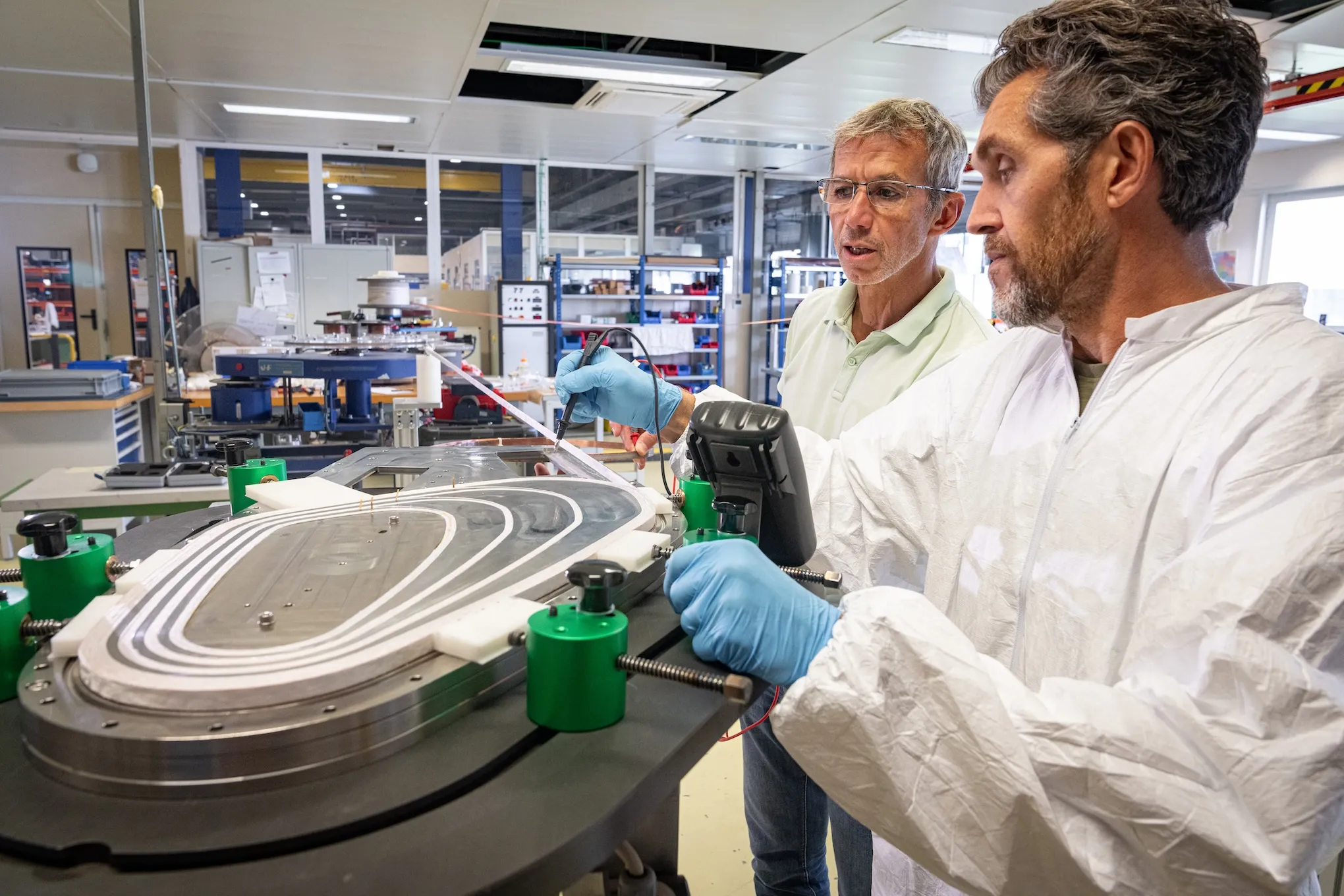
Design and prototyping of HTS magnets for medical gantry applications (GaToroid)
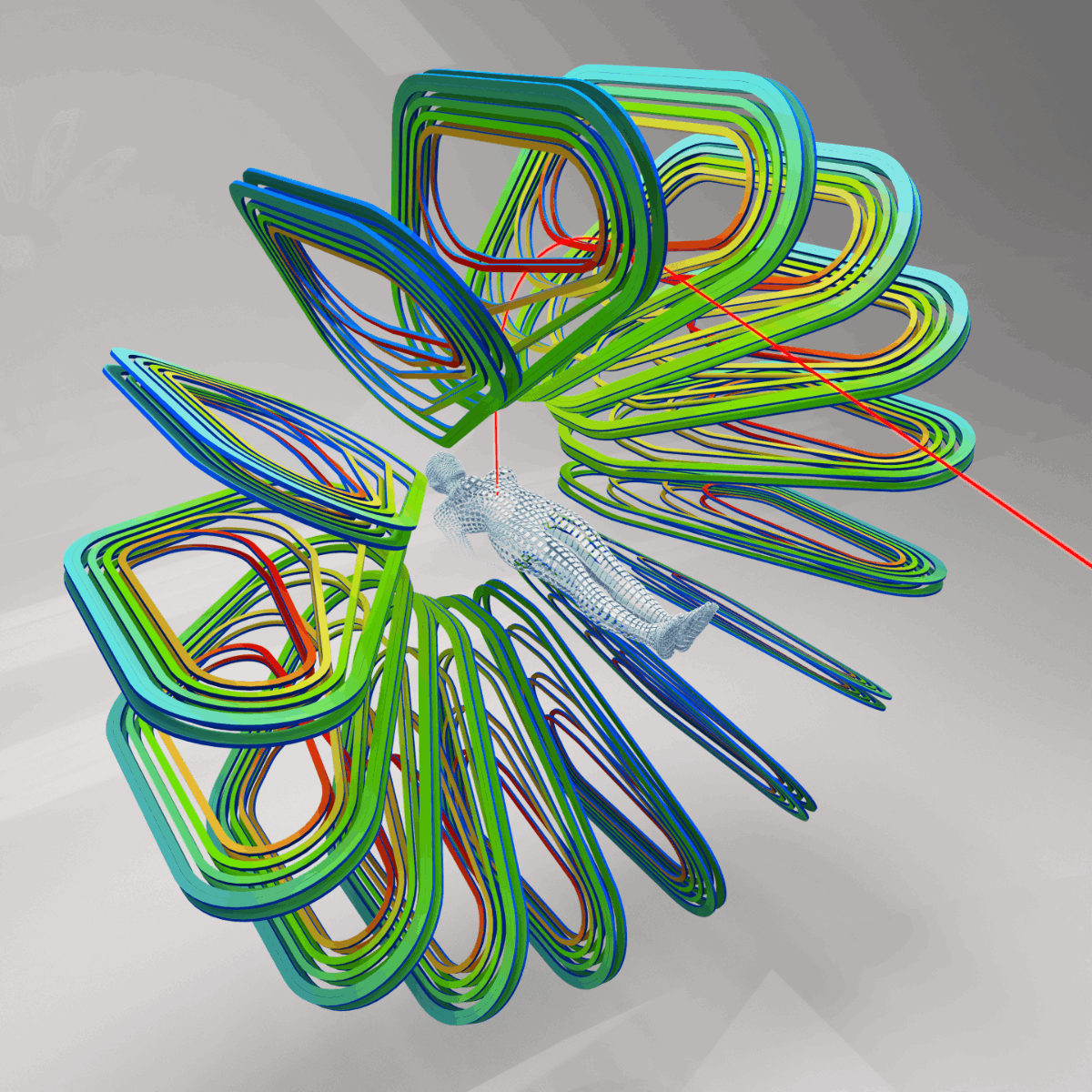
Design and prototyping of HTS magnets for medical gantry applications (GaToroid) | GaToroid is an innovative gantry design based upon a toroidal magnet concept, which eliminates the need to rotate the structure. The gantry comprises a set of discrete superconducting coils constituting the toroidal magnet, and a bending device at the entrance of the structure. By
-
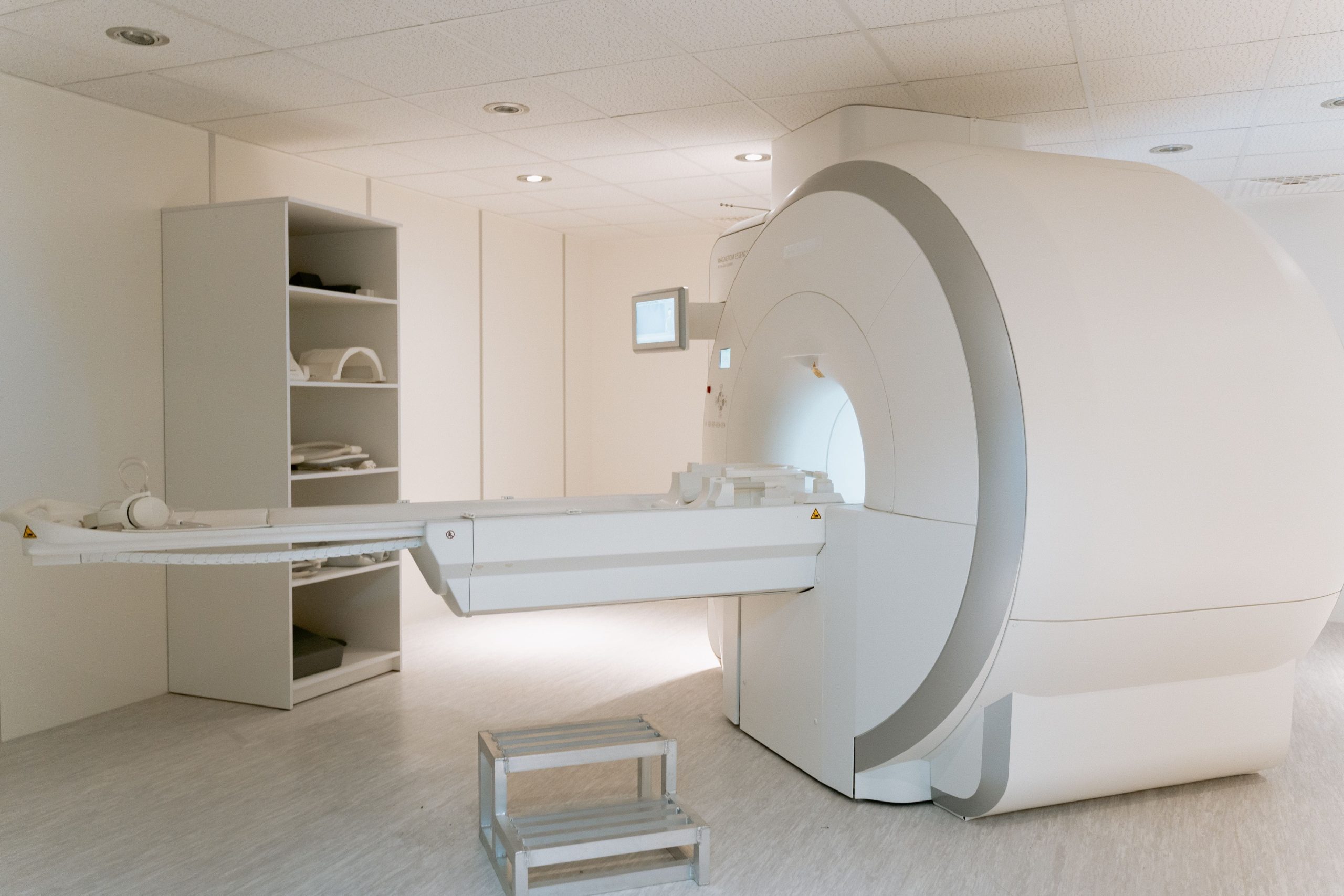
Compact, light, fast trimmable magnets for medical accelerators
Compact, light, fast trimmable magnets for medical accelerators | The aim of this project is to produce a prototype magnet in order to demonstrate the feasibility of a new generation of compact, and therefore less expensive, medical gantries for cancer particle therapy. The study on this magnet was tailored to particle-therapy machines designed by the
-
HTS Demonstrator Magnet for Space (HDMS)
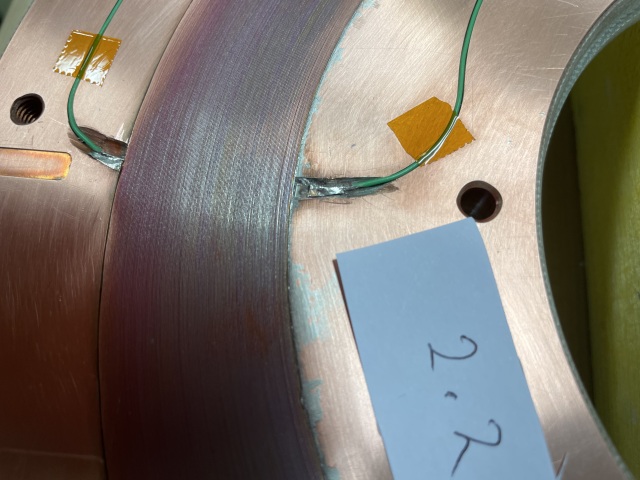
HTS Demonstrator Magnet for Space (HDMS) | Towards the first superconducting magnet in space In space, high-field superconducting magnets based on high temperature superconductive (HTS) materials can have several promising applications: from very high resolution astroparticle spectrometry, to active shielding to protect astronauts from harmful radiation, and even debris removal. One leading project in this
-
Magnet Power Supplies
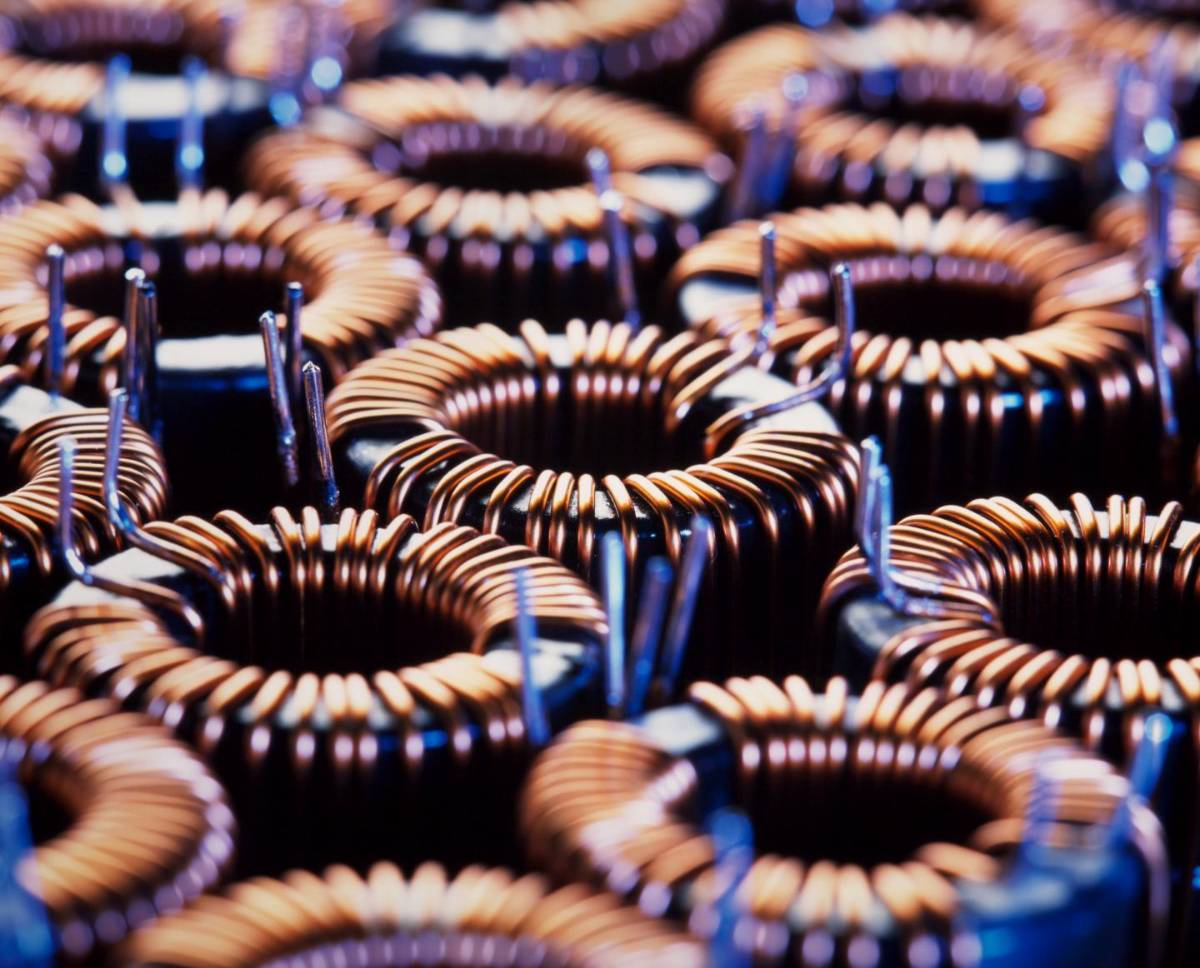
Magnet Power Supplies | CERN has developed a family of short Pulse Power Supplies with very stringent specifications for the needs of particle accelerators such as Linacs, particles sources or injection systems. These power supplies are used to power conventional magnets, septum magnets, heating system of particles sources. The 4-Quadrant Magnet Power Supplies have very stringent specifications
-
GaToroid
GaToroid | GaToroid is an innovative gantry design based upon a toroidal magnet concept, which eliminates the need to rotate the structure. The gantry comprises a set of discrete superconducting coils constituting the toroidal magnet, and a bending device at the entrance of the structure. By selecting the impinging angle of beams with different momentum
-
Superconducting Magnets
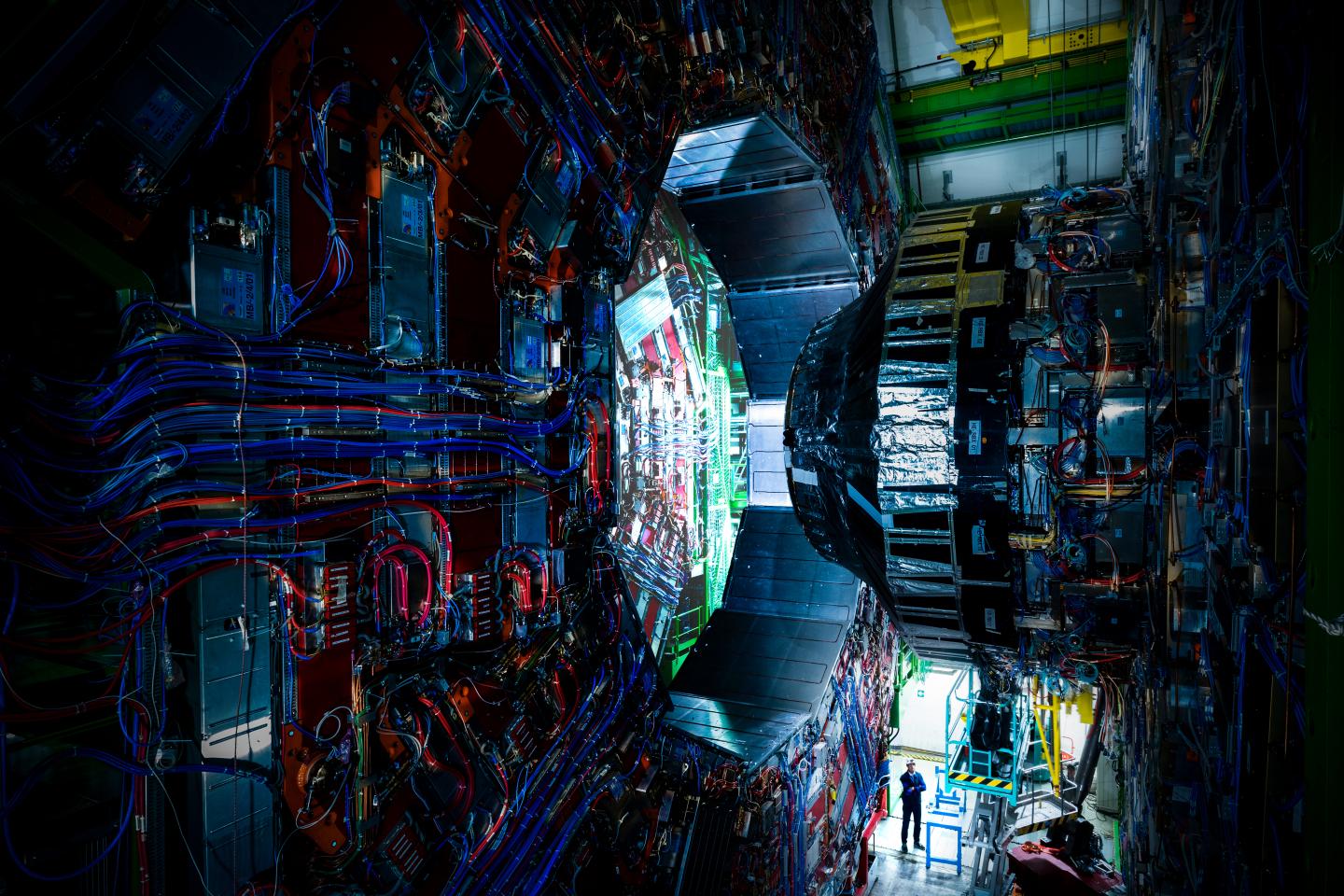
Superconducting Magnets | CERN’s knowhow and facilities for end-to-end design, assembly, testing and operation of superconductive magnet systems. CERN’s Know-How Facts & Figures Key Competencies Superconducting materials CERN uses a wide range of superconducting materials in the construction of its accelerators and experiments. Niobium titanium has been the workhorse for the LHC. Nb3Sn is required
-

CERN tech for Quantum Systems
CERN tech for Quantum Systems | How to collaborate with CERN? Find out about upcoming Quantum related news and events here Key Competencies Thin film coatings for ultra-high vacuums CERN experts have developed a range of techniques and materials for thin film coatings in order to meet the diverse demands of achieving vacuums in different systems
-

CERN and Airbus partnership on future clean aviation
CERN and Airbus partnership on future clean aviation | CERN and Airbus UpNext sign a collaboration agreement to assess the use of superconducting technologies for future low-emission aeroplanes. Today, CERN, the European Laboratory for Particle Physics, and Airbus UpNext, a wholly owned subsidiary of Airbus, have launched an innovative collaboration to explore the potential use
-
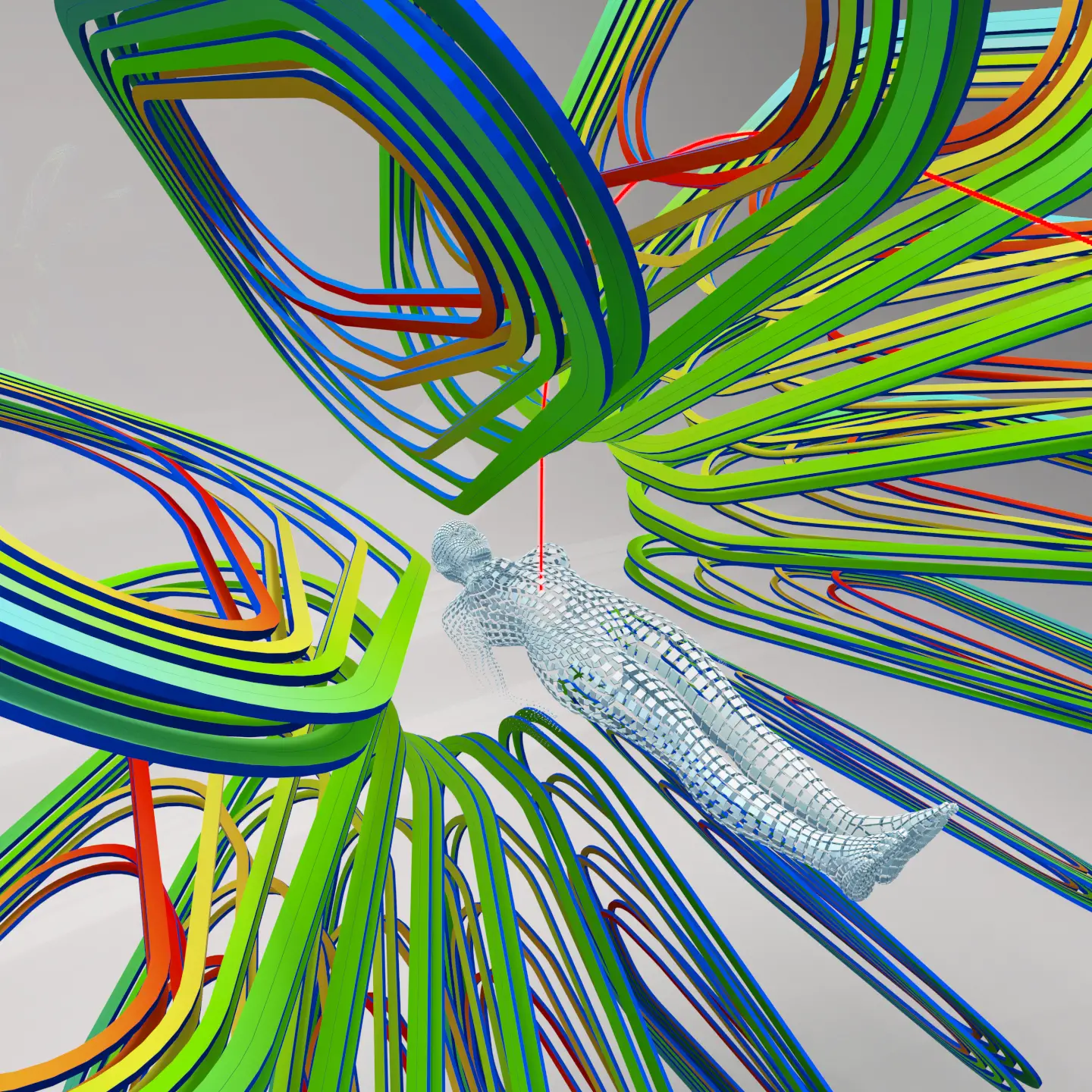
CERN’s impact on medical technology
CERN’s impact on medical technology | Frontier instruments like the LHC and its detectors not only push back the boundaries of our knowledge, but also catalyse innovative technology for medical applications, writes Manuela Cirilli. This article was originally published in the July/August edition of CERN Courier magazine. Today, the tools of experimental particle physics are ubiquitous
-
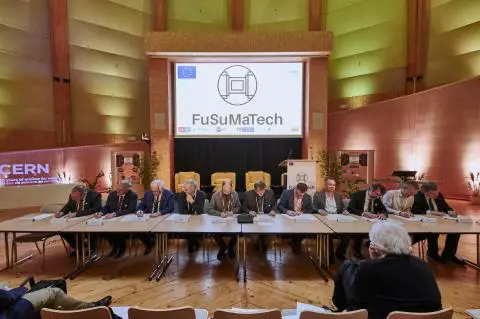
FuSuMaTech opens future of superconducting magnets to academia and industry
FuSuMaTech opens future of superconducting magnets to academia and industry | Superconductivity is not something that immediately comes to mind in regards to daily life, and yet it has become increasingly important. Industry, and especially medical instrumentation industries, display a renewed interest in the domain of superconductivity for applications that range from energy storage, to
-
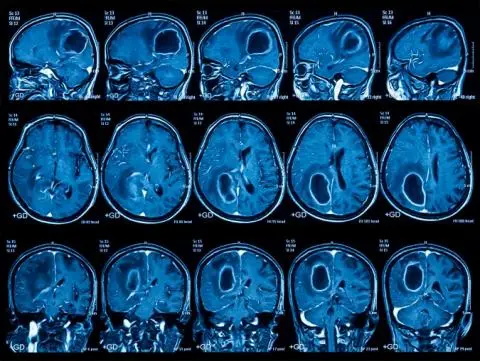
How the LHC could help us peek inside the human brain?
How the LHC could help us peek inside the human brain? | The LHC has been key in driving development of superconducting magnets – one of the most influential technologies to come out of accelerator research and development. These magnets are needed for energy, transport, and medical technology, applications far beyond the field of high energy physics.