
Tag: Electronics
-
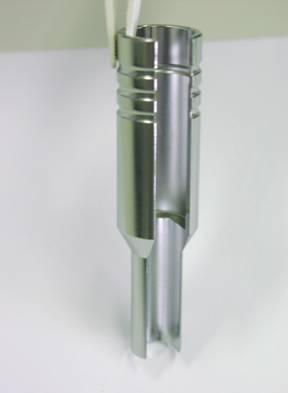
Titanium polishing
Titanium polishing | Titanium polishing is a process to reduce the roughness, and thereby increase the brightness, of a metal surface made of titanium or titanium alloy. The technology described here is a patented electrolytic method (electropolishing), and related technical know-how, to polish titanium to a high degree of surface smoothness – typically down to
-
Quasar framework – OPC-UA server generation
Quasar framework – OPC-UA server generation | Open Platform Communications Unified Architecture (henceforth OPC-UA) is a machine to machine communication protocol (middleware) for industrial automation developed by the OPC Foundation based on a client/server model. OPC-UA is widely used across diverse industry and research fields for integrating a wide variety of hardware devices and interconnecting
-
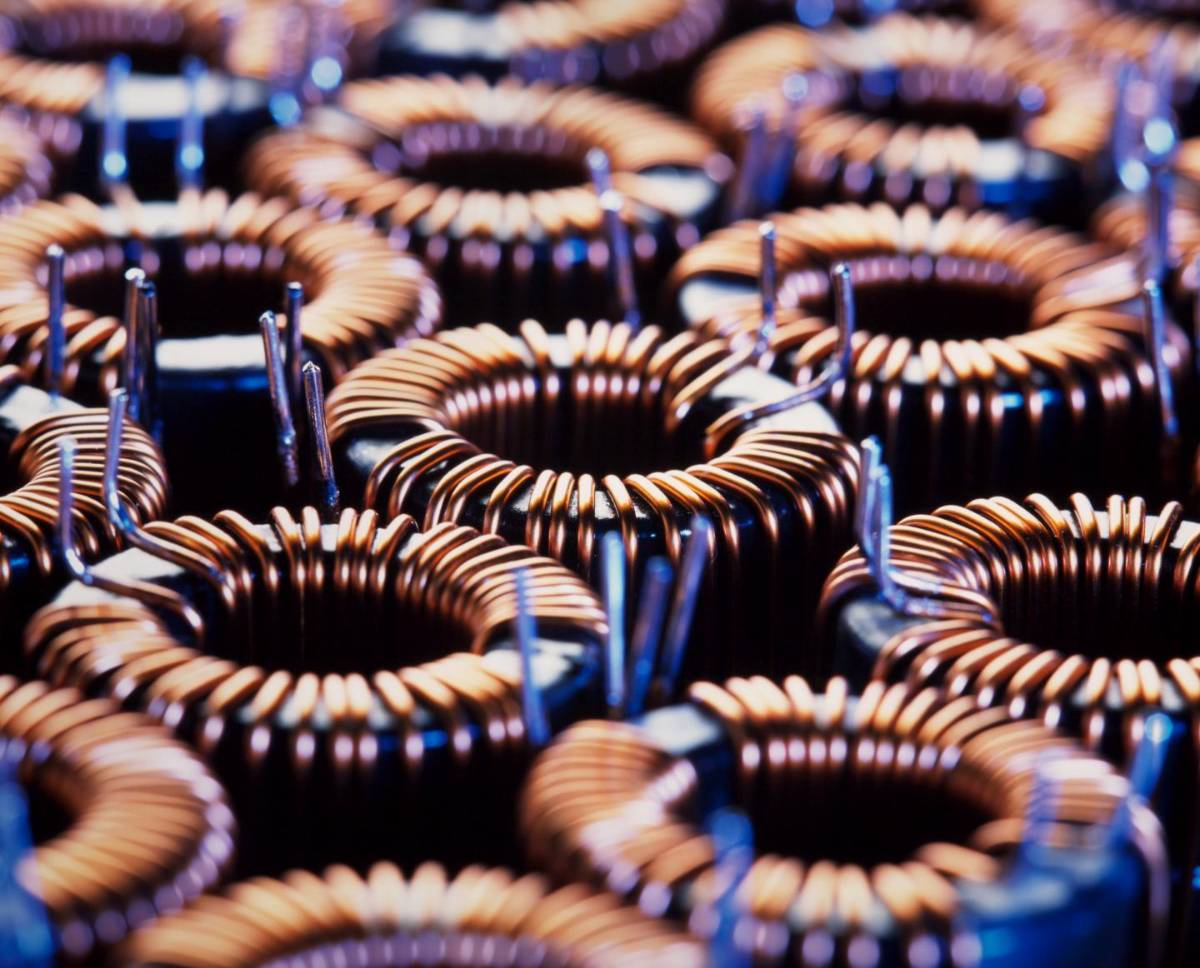
Magnet Power Supplies
Magnet Power Supplies | CERN has developed a family of short Pulse Power Supplies with very stringent specifications for the needs of particle accelerators such as Linacs, particles sources or injection systems. These power supplies are used to power conventional magnets, septum magnets, heating system of particles sources. The 4-Quadrant Magnet Power Supplies have very stringent specifications
-
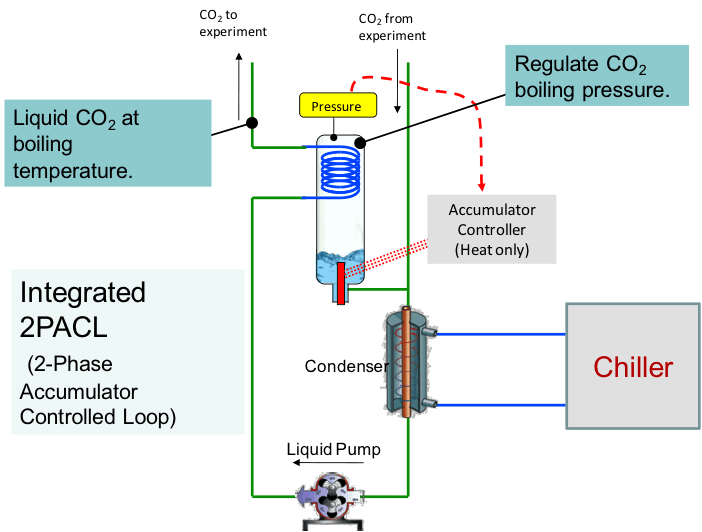
Integrated CO2 cooling system
Integrated CO2 cooling system | The Integrated 2-Phase Accumulator Controlled Loop (2PACL) is a modification of the existing 2PACL system developed for the AMS-Tracker and LHCb-VELO CO2 cooling systems. The integrated 2PACL method is a different way of operating and control the original 2PACL concept. The modification makes the system simpler, more reliable, better to
-
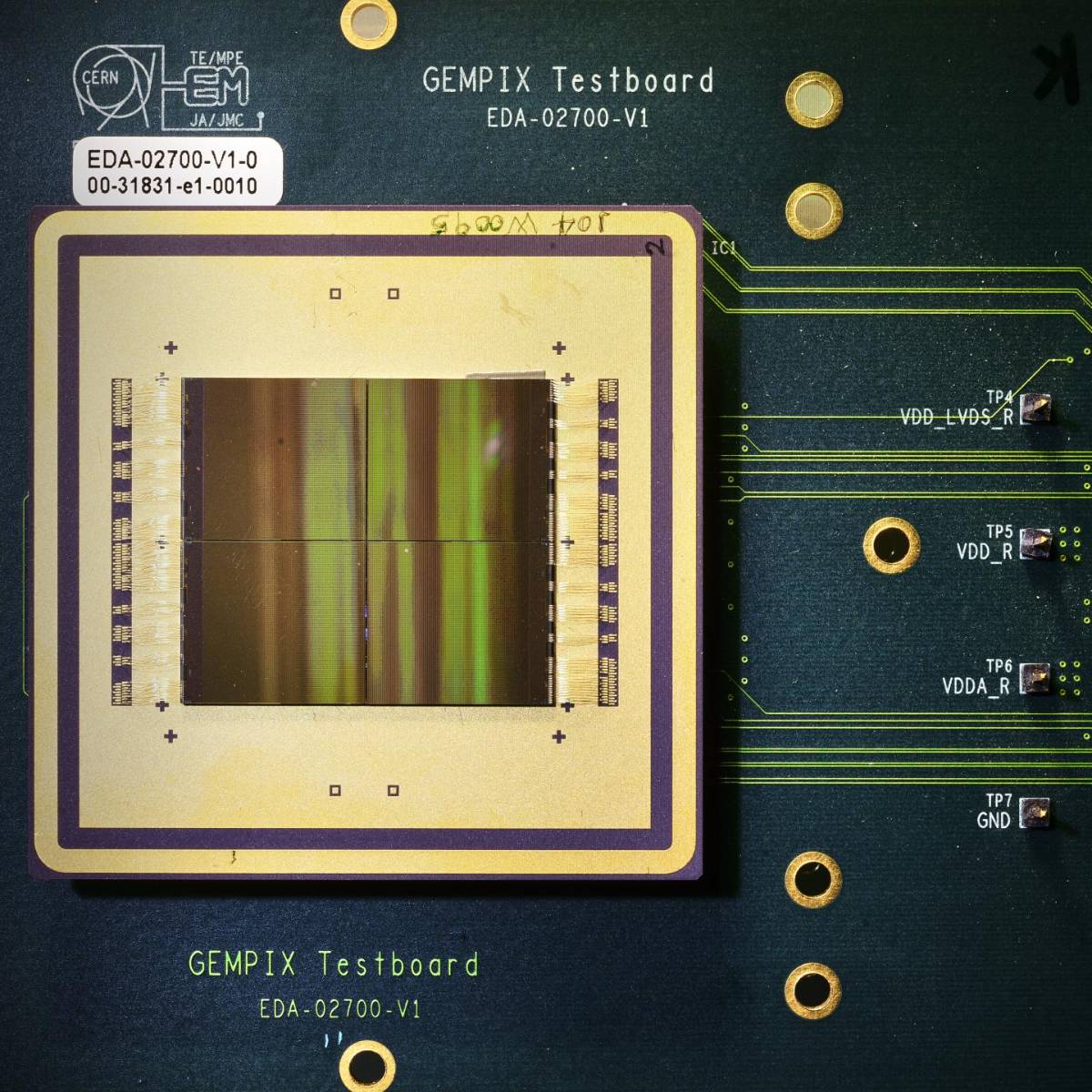
GEMPix
GEMPix | In 2016, CERN started investigating the use of GEMPix to measure the 3D energy deposition of a therapeutic ion beam in a water phantom, for medical imaging purposes. The GEMPix was developed by a CERN/INFN collaboration in the framework of the ARDENT Marie Curie project (2012-2016). The GEMPix detector combines existing CERN-developed technologies –
-
DC-DC converter
DC-DC converter | A radiation and magnetic field tolerant DC-DC Point-Of-Load (POL), which enables distribution at higher voltage, with local on-detector conversion to the voltage required by the electronics, considerably decreasing the current in the cables. As main features, FEAST 2 presents bandgap, handling of dead time with adaptive logic, protection Over-Current (OVO) and Over-Temperature
-
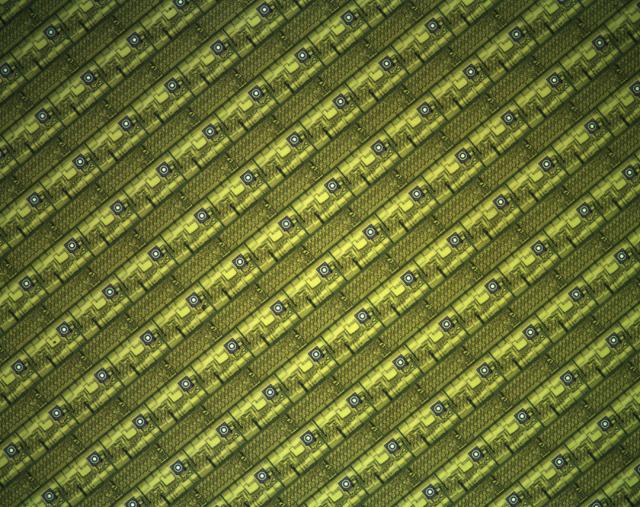
Optoelectronics and Microelectronics
Optoelectronics and Microelectronics | CERN’s unique know-how derived from years of designing, testing and installing microelectronics exposed to harsh environments. CERN’s Know-How Facts & Figures Key Competencies Radhard electronics To withstand the level of radiation present in the collision points, unique expertise designing and integrating high performance and extreme radiation tolerant ASICs has been built.
-
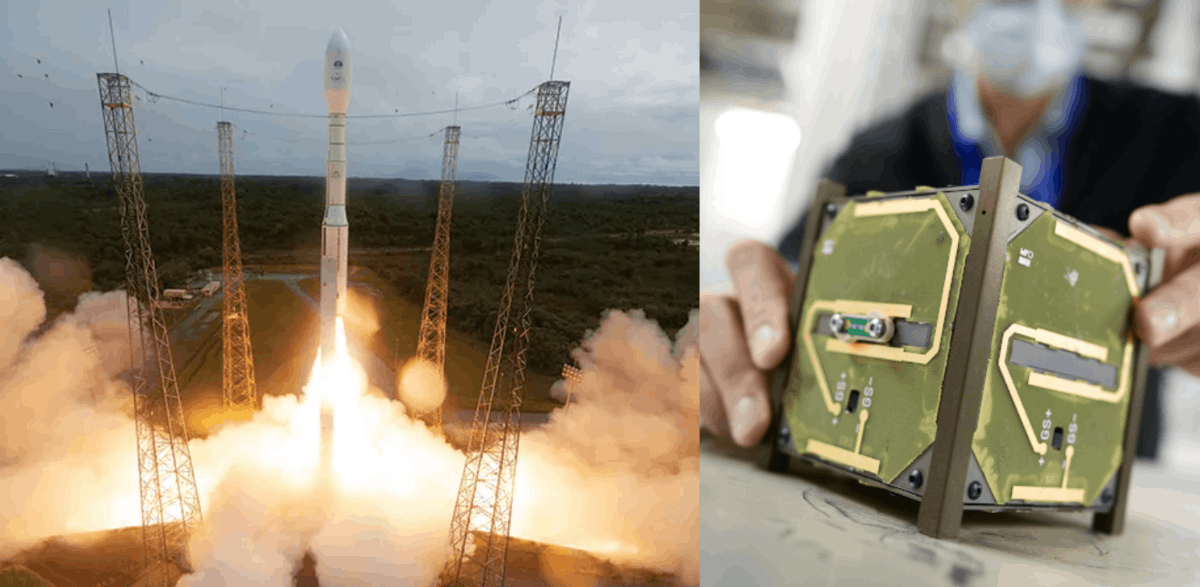
CERN tech in space: the first CERN-driven satellite has been successfully launched
CERN tech in space: the first CERN-driven satellite has been successfully launched With the launch of the CELESTA satellite for radiation monitoring in space, CERN shows its expertise in the field of radiation effects on electronics CELESTA, the first CERN-driven satellite, successfully entered orbit during the maiden flight of Europe’s Vega-C launch vehicle. Launched by
-
CERN-tested optical fibres now on the International Space Station
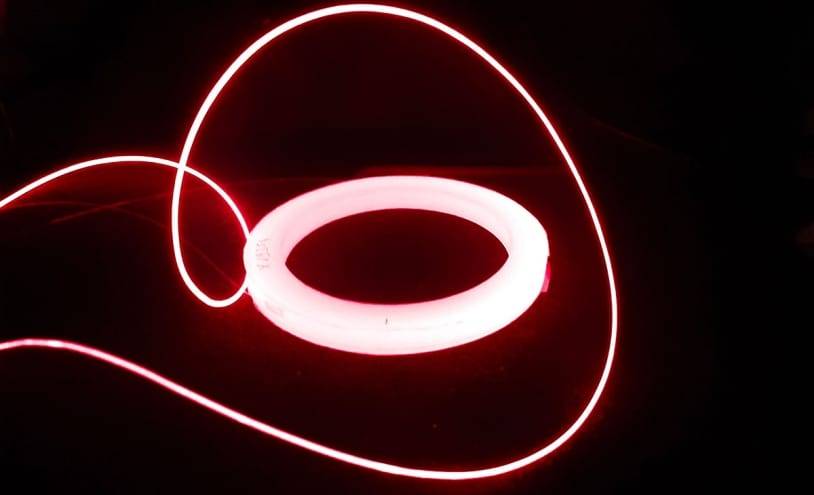
CERN-tested optical fibres now on the International Space Station | Astronaut Thomas Pesquet has activated Lumina, an optical fibre-based dosimetry experiment on board the International Space Station This article was originally published on home.cern. In a spacecraft, in order to protect both crew and electronics from radiation, it is mandatory to invest in effective radiation monitoring
-

Sparking breakthroughs in radiation protection for spacecraft, aviation and accelerators
Sparking breakthroughs in radiation protection for spacecraft, aviation and accelerators | The CERN-coordinated and EU-funded RADSAGA project is coming to an end after four years of rewarding research into radiation protection for electronics With the proliferation of space missions around the globe and technological leaps allowing the development of ever more sophisticated components, there is
-
First full satellite tested in CERN’s CHARM facility
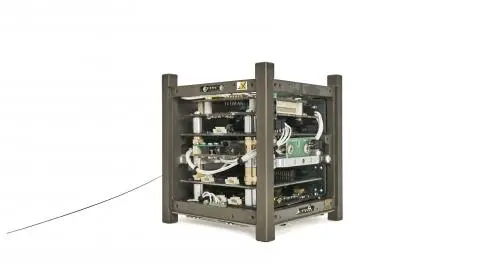
First full satellite tested in CERN’s CHARM facility | CHARM, a unique facility at CERN to test electronics in complex radiation environments, has now tested its first full space system: CELESTA (CERN Latchup and radmon Experiment STudent sAtellite). The micro-satellite was successfully tested and qualified in July under a range of radiation conditions that it