
Tag: AI and Machine Learning
-

HLS4ML
hls4ml | The goal of hls4ml is to provide an efficient and fast translation of machine learning models from open-source packages (like Keras and PyTorch) for training machine learning algorithms to high level synthesis (HLS) code that can then be transpiled to run on an FPGA. The resulting HLS project can be then used to produce
-
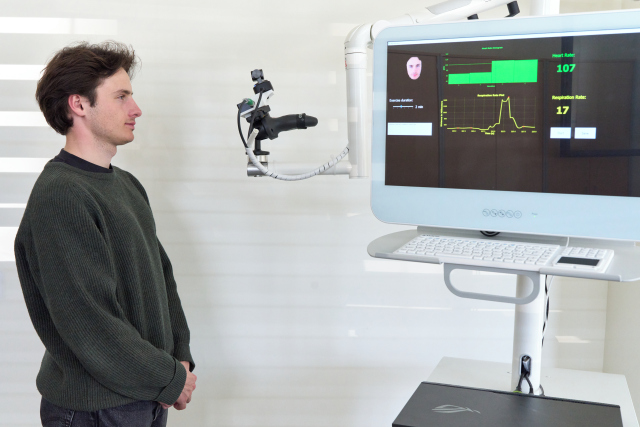
VitaSenseAI
VitaSenseAI | VitaSense AI is a Machine Learning-based contactless monitoring technology enabling the estimation of physiological and non-physiological parameters (heart rate, respiration rate, facial motion, and body movements) using cameras and lasers without physical contact, electrodes, or wearable sensors, offering a hygienic, reusable, and real-time solution for monitoring people’s physiological and behavioural states. Contact Person
-
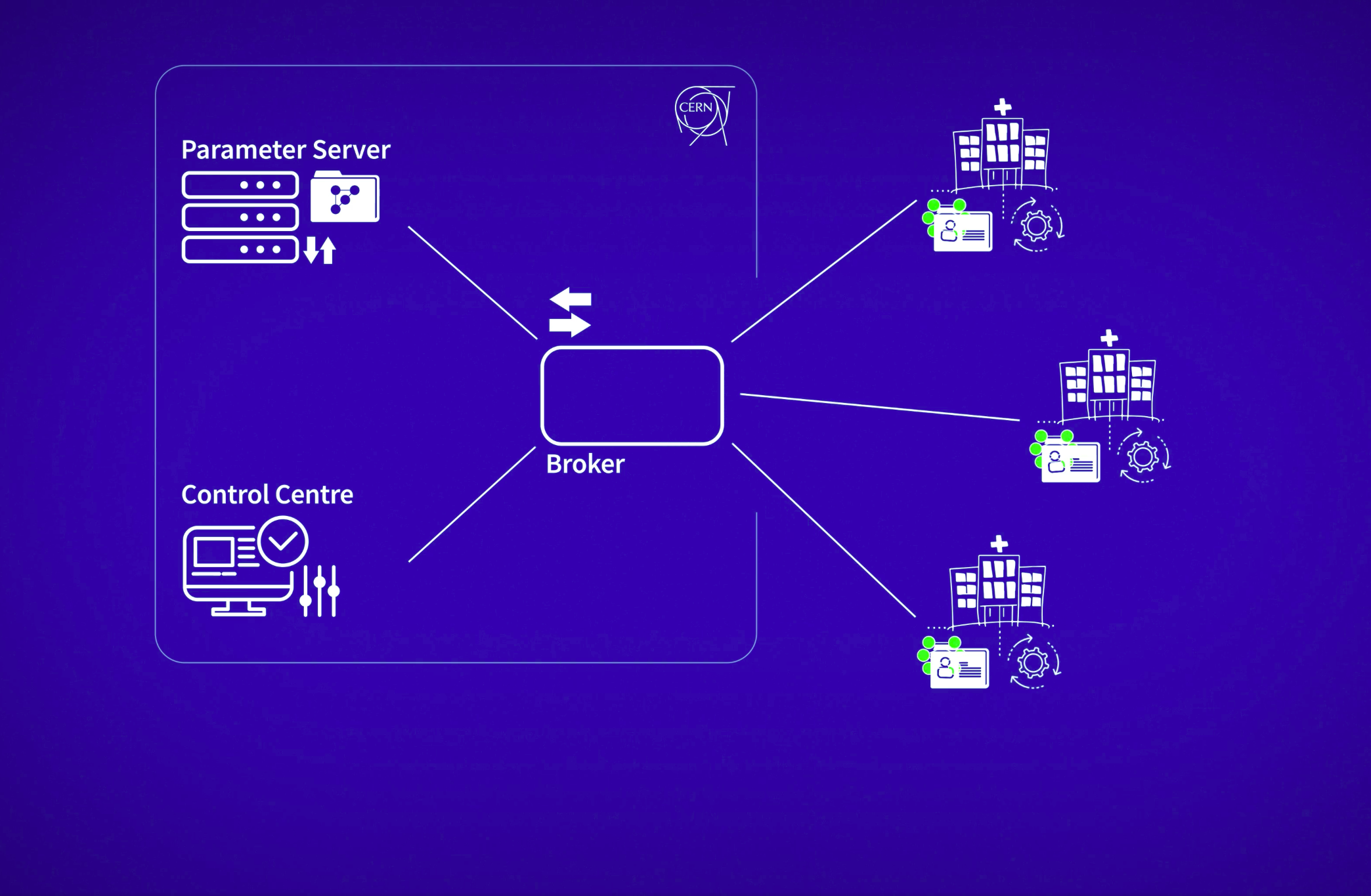
Cafein
Cafein | CAFEIN® is a comprehensive federated platform developed and hosted at CERN. Integrating specialised software components, Infrastructure-as-Code (IaC), and CERN’s robust infrastructure, it’s designed to support large-scale scientific collaboration. Contact Person Alessandro Raimondo Knowledge Transfer Officer a.raimondo@cern.ch Related Articles Projects
-
Use of MARCHESE technology in hospital setting
Use of MARCHESE technology in a hospital setting | Need Remote patient monitoring (RPM) is an increasing relevant topic in healthcare: an efficient and reliable RPM system would allow to reduce deaths (by providing timely alerts), costs, burden on the medical staff, cross-infection . The MARCHESE technology, if successful, would blend contactless monitoring with robotics and
-
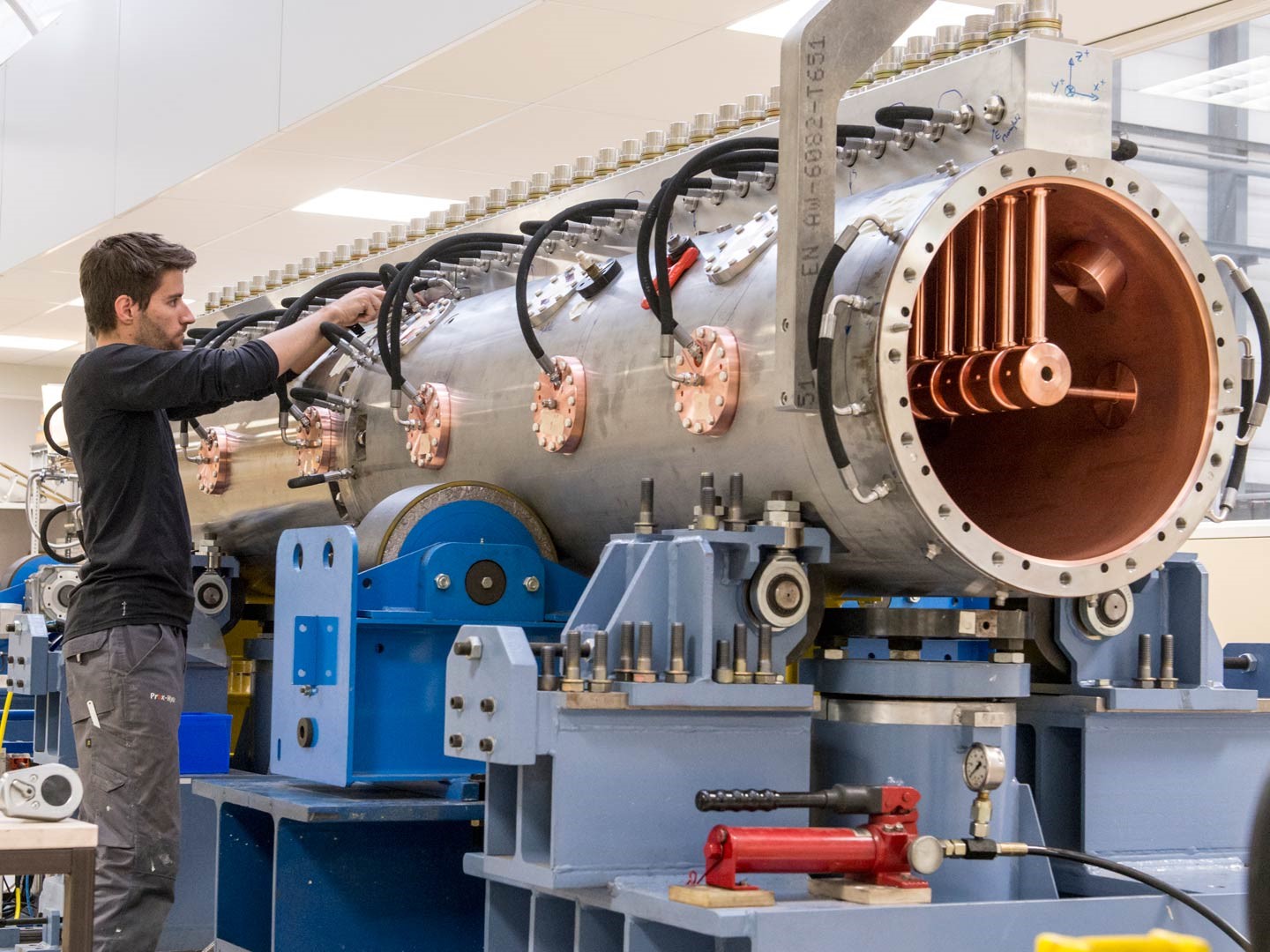
Smart Linac – Smart Anomaly Detection and Maintenance Planning Platform for Linear Accelerators
Smart Linac – Smart Anomaly Detection and Maintenance Planning Platform for Linear Accelerators | The project intends to apply machine learning techniques to decrease maintenance costs and maximize up-time of medical LINACs for particle therapy by applying “personalized” preventive maintenance plans. This one-year pilot intends to evaluate whether this innovative approach would indeed be advantageous for commercial systems,
-

Quantum Artificial Intelligence for Earth Observation (QuAI4EO)
Quantum Artificial Intelligence for Earth Observation (QuAI4EO) | Quantum Artificial Intelligence for Earth Observation (QuAI4EO) is a collaboration between the European Space Agency (ESA) and CERN, involving two PhD students between 2021 and 2025. The goal was to study the use of quantum machine learning (QML) algorithms in image analysis, with particular focus on Earth
-

MARCHESE – Machine leArning based human ReCognition and HEalth monitoring SystEm
MARCHESE – Machine leArning based human ReCognition and HEalth monitoring SystEm | MARCHESE (Machine leArning based human ReCognition and HEalth monitoring SystEm) will develop an inexpensive, lightweight and portable device to recognise human beings and monitor at a distance health parameters (such as temperature and respiration rate). The system will use artificial intelligence technologies to detect persons and
-
Environmental Modelling and Prediction Platform (EMP2)
Environmental Modelling and Prediction Platform (EMP2) | The EMP2 project set out to create a machine-learning based model that could be used to, for example, make predictions about the weather or track atmospheric dynamics. This model was named AtmoRep. AtmoRep can be adapted to several uses, including short-term weather forecasting, downscaling, bias corrections, spatio-temporal interpolations and
-
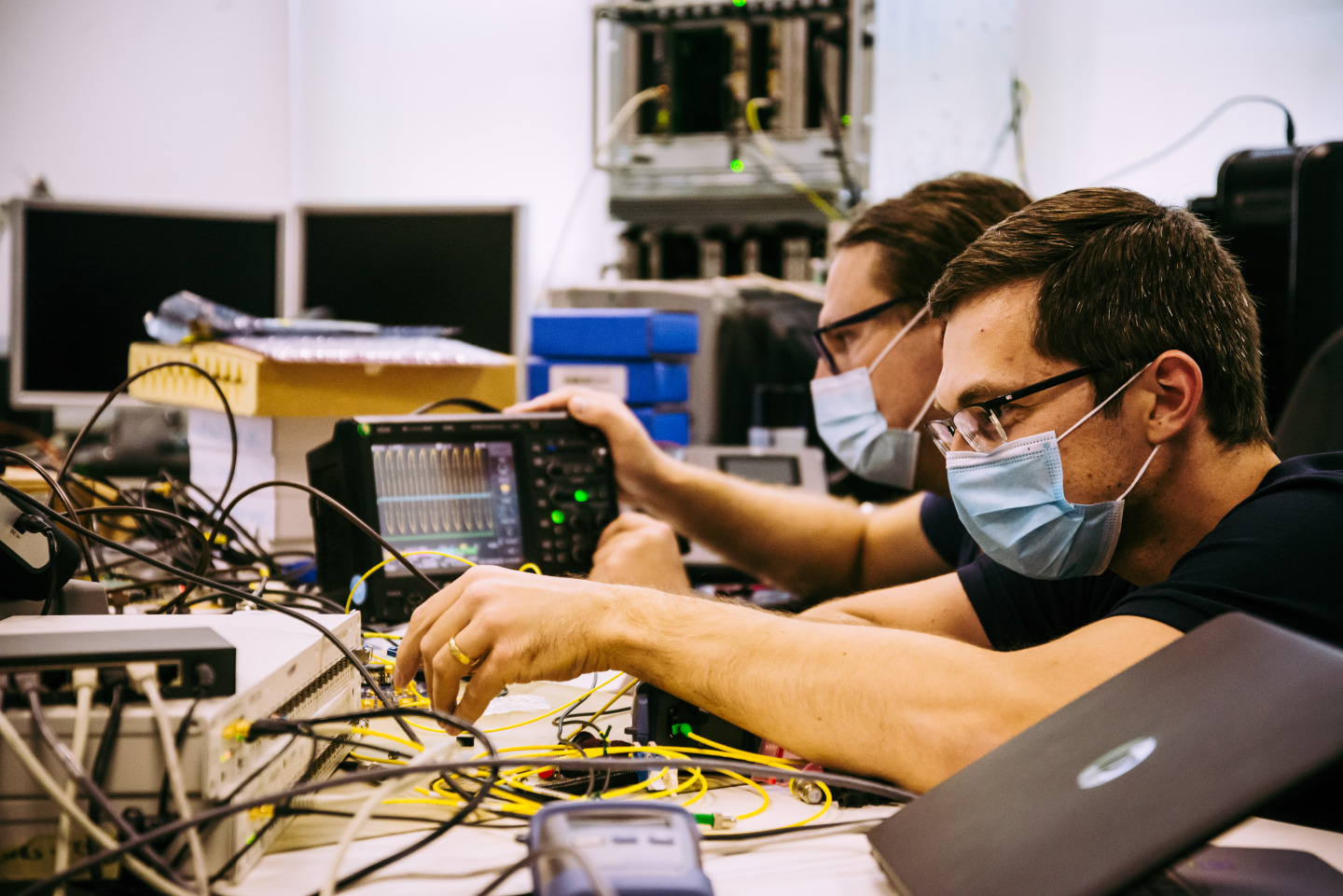
CAiMIRA
CAiMIRA | CAiMIRA (formerly CARA) is a risk assessment tool which models the airborne transmission of viruses, such as SARS-CoV-2, and can estimate the concentration of viruses in enclosed spaces to aid space-management decisions. In collaboration with WHO, the project aims at expanding the CAiMIRA technology (new interface, improvements of the model, automatised inclusion of new literature)
-
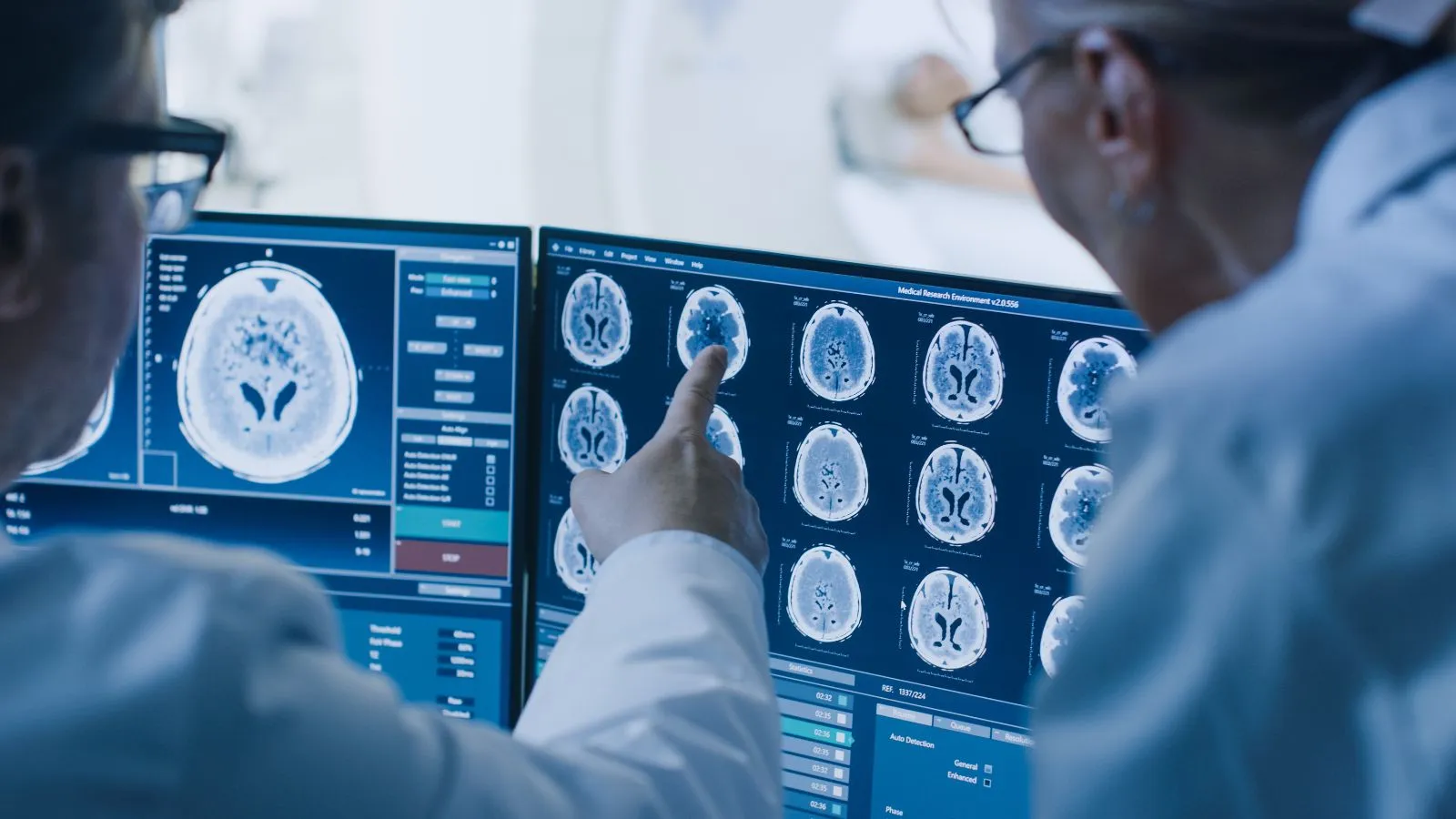
CAFEIN – Federated network platform for the development and deployment of AI based analysis and prediction models
CAFEIN – Federated network platform for the development and deployment of AI based analysis and prediction models | A novel AI-based tool to assist clinicians, patients and caregivers in the analysis, diagnosis and prognosis of diseases based on the integration of clinical and patient data over a Federated Learning (FL) infrastructure developed and hosted by
-
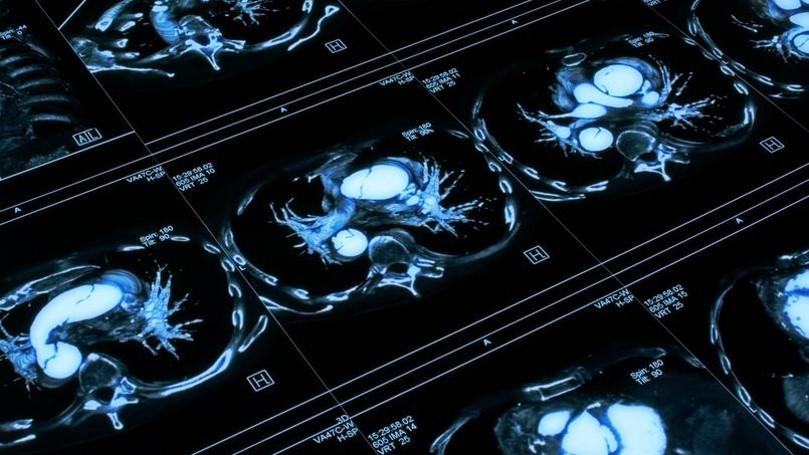
A novel AI-based tool deployed via a federated learning platform to assist in the screening, diagnosis, prevention and therapy evaluation of breast and prostate cancer (CAFEIN2)
A novel AI-based tool deployed via a federated learning platform to assist in the screening, diagnosis, prevention and therapy evaluation of breast and prostate cancer (CAFEIN2) | The unmet clinical need raised by IARC (the International Agency for Research on Cancer of WHO): developing data-driven algorithms based on medical data, diet, nutrition, lifestyle and environmental
-
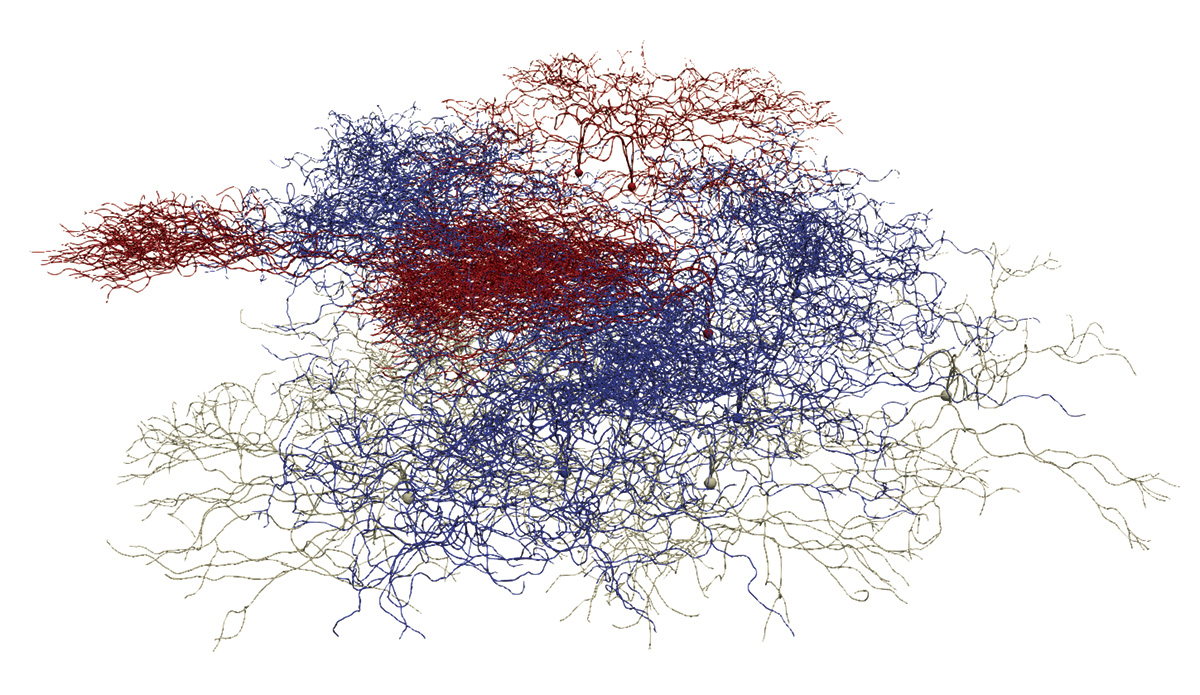
Digital Technology for Health
Digital Technology for Health | From physics simulation tools to biomedical applications The expertise of particle physicists in data handling and simulation tools are also increasingly finding applications in the biomedical field. The FLUKA and Geant4 simulation toolkits, for example, are being used in several applications, from detector modelling to treatment planning. Recently, CERN contributed its know-how in large-scale
-
IoT-Enabled Stroke Patient Monitoring and Therapy Evaluation through AI Federated Learning
IoT-Enabled Stroke Patient Monitoring and Therapy Evaluation through AI Federated Learning | Federated learning is regarded as a viable method for implementing innovative healthcare applications without exchanging raw data. CERN has successfully designed, developed, and implemented a Federated Learning (FL) Platform through the CAFEIN Project, financed by the MA budget. A final step towards fully