
Tag: Accelerators
-
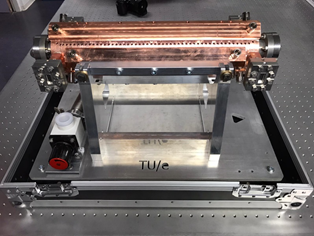
Compact material NDT for residual stress measurement, batteries & fast fuel cell development (VULCAN)
Compact material NDT for residual stress measurement, batteries & fast fuel cell development (VULCAN) | The VULCAN (Versatile ULtra-Compact Accelerator-based Neutron source) project is a collaborative initiative to develop a compact, pulsed cold and thermal (1.5 ˚A to 3.5 ˚A) neutron source for use in industrial, research, and scientific fields. VULCAN is specifically designed to
-

Support for ENLIGHT Network
Support for ENLIGHT Network | Support for the Enlight network: https://enlight.web.cern.ch/ Funding for activities and personnel : fellow, visiting scientist and trainee. Contact Person Manjit Dosanjh manjit.dosanjh@cern.ch KT Officer: Sandra Muhr sandra.elisabeth.muhr@cern.ch Related Articles Expertise
-
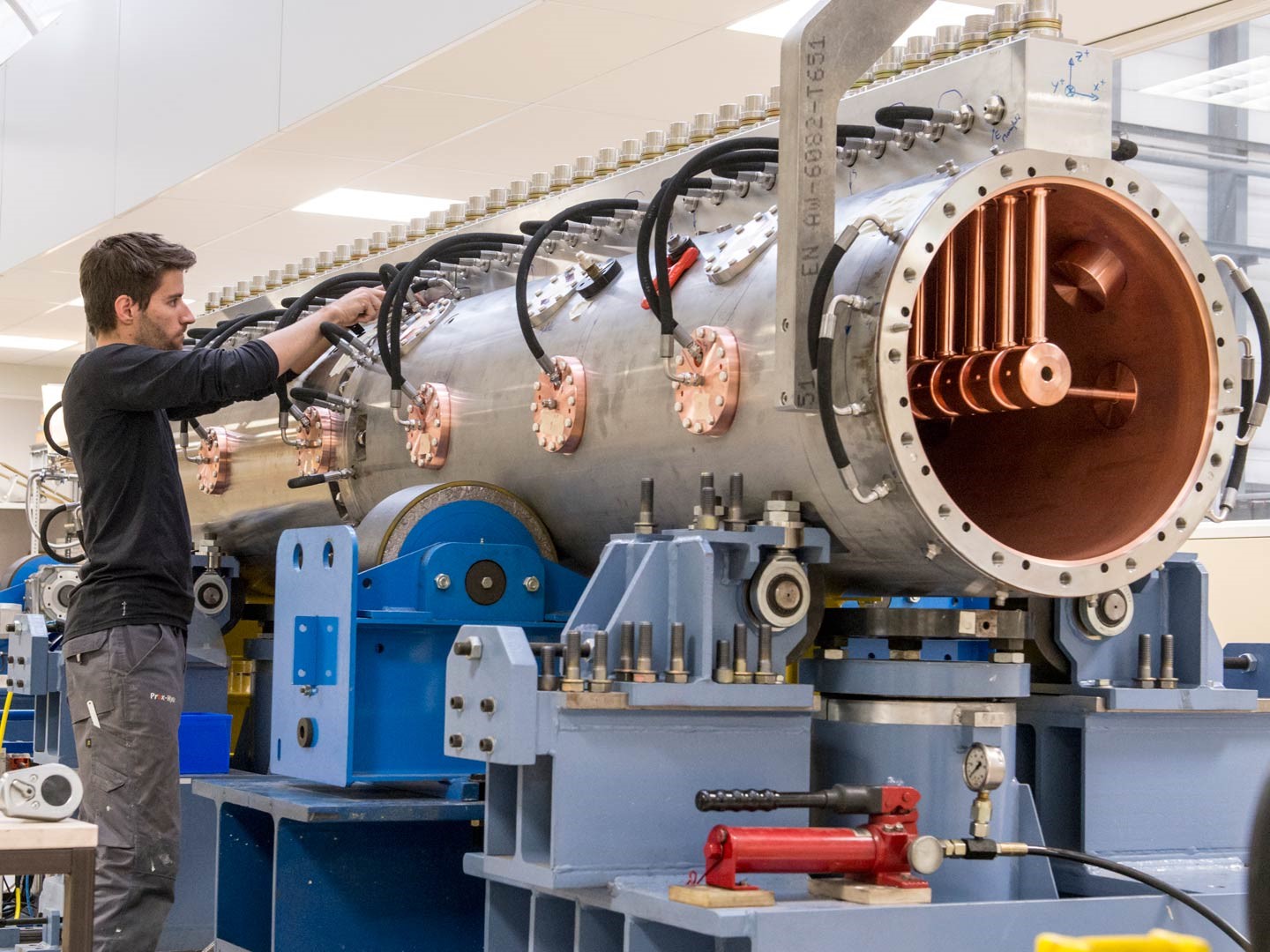
Smart Linac – Smart Anomaly Detection and Maintenance Planning Platform for Linear Accelerators
Smart Linac – Smart Anomaly Detection and Maintenance Planning Platform for Linear Accelerators | The project intends to apply machine learning techniques to decrease maintenance costs and maximize up-time of medical LINACs for particle therapy by applying “personalized” preventive maintenance plans. This one-year pilot intends to evaluate whether this innovative approach would indeed be advantageous for commercial systems,
-
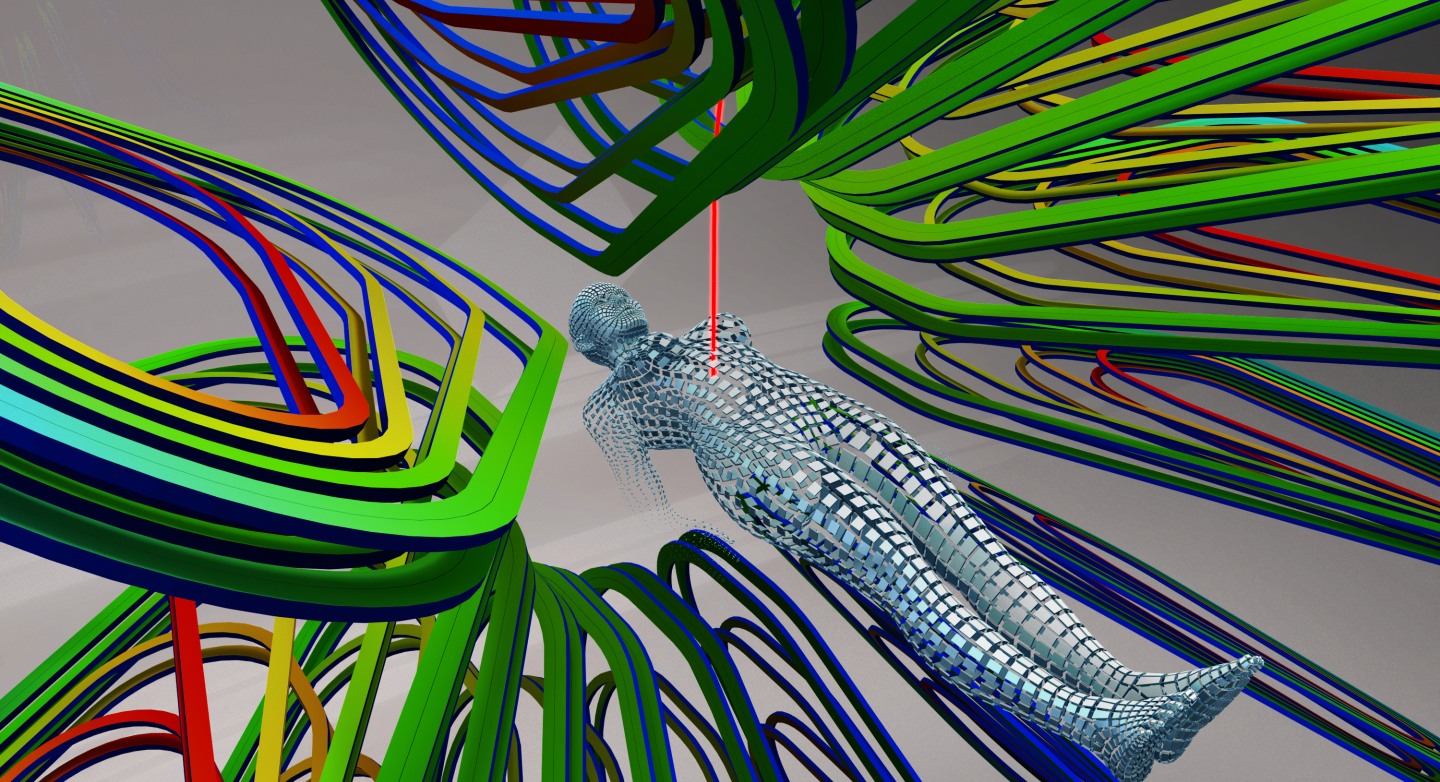
NIMMS – Next Ion Medical Machine Study
NIMMS – Next Ion Medical Machine Study | NIMMS aims to develop technologies for the next generation of compact, performant and lower cost accelerators for ion therapy cancer treatment. The project outlines an R&D programme for the development of related critical accelerator technologies ; the programme builds on existing activities and on core CERN competences. Two
-

MACHINA – Design & construction of a transportable RFQ for PIXE analysis
MACHINA – Design & construction of a transportable RFQ for PIXE analysis | The MACHINA (Movable Accelerator for Cultural Heritage In-situ Non-desctructive Analysis) collaboration has developed a ‘miniaturised’ Radio Frequency Quadrupole (RFQ) accelerator that is expected to open up new possibilities for the analysis of fine art and cultural artefacts. It employs a technique called Particle Induced
-
Enabling solid state battery developments
Enabling solid state battery developments | Need: All-solid-state batteries (ASSBs) are still in the research and development phase, and while they are not yet widely deployed in commercial products, there are several applications where they are being explored and have the potential for future use: electric vehicles, portable electronics, renewable energy storage, grid energy storage,
-
Enabling Novel Tracers for MRI and NMR
Enabling Novel Tracers for MRI and NMR | Need: The development of new contrast agents or tracers for MRI is vital for advancing healthcare, research, and diagnostics, allowing for more accurate and detailed imaging and insights into various biological processes and diseases. These novel tracers should allow to perform NMR/MRI scans in lower magnetic fields,
-
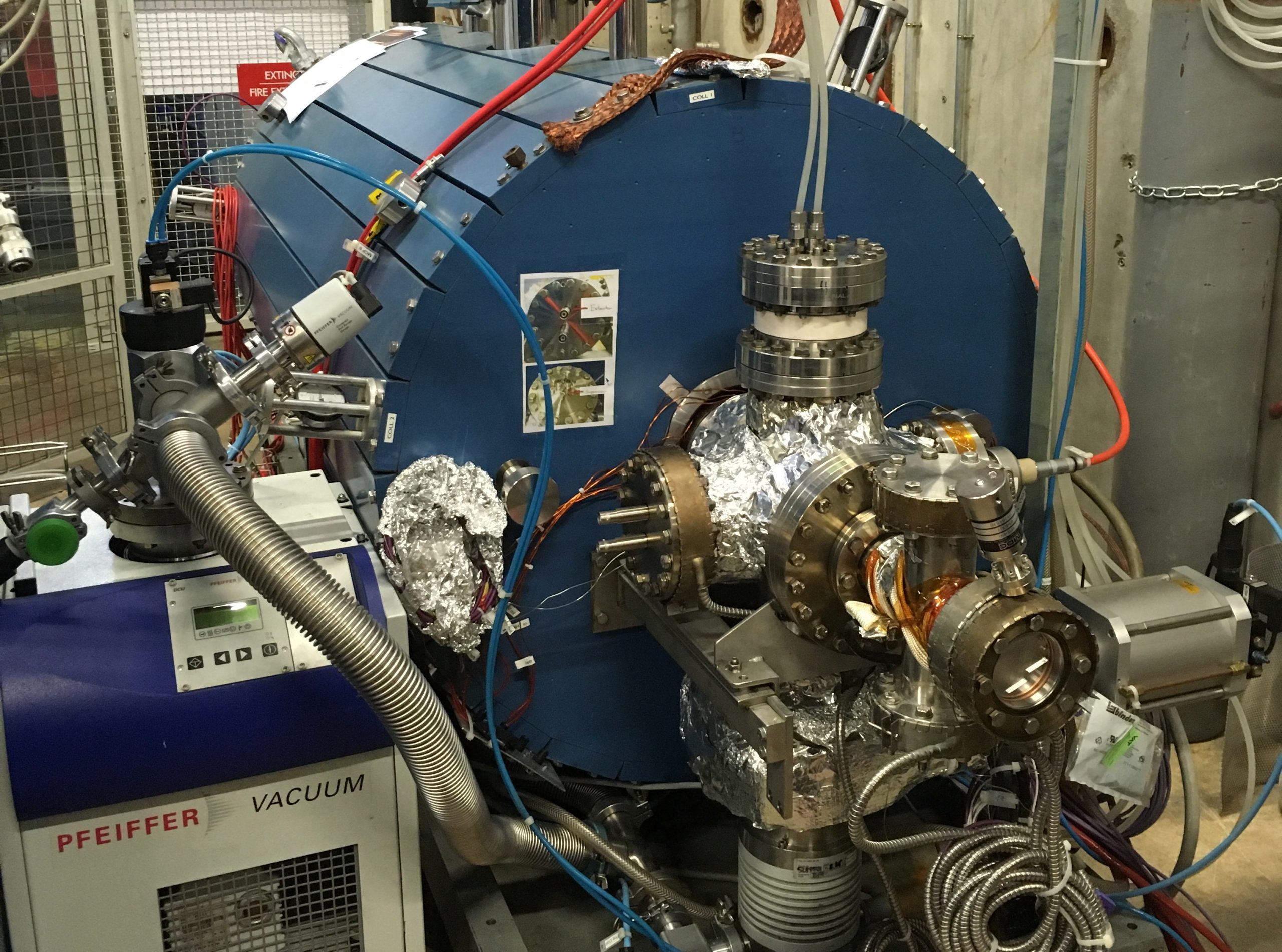
Electron gun for EBIS injector
Electron gun for EBIS injector | Second generation Ion Beam Therapy facilities use new accelerator types, new gantry geometries and require fast tuning of the beam energy for spot scanning. This imposes higher demands on the ion source in terms of repetition rate, pulse length, pulse intensities and the ability to accelerate C6+ ions. The
-
Electro Optical Modulator
Electro Optical Modulator | The project proposes to further develop and test a compact digital acquisition system with high sampling rate. This DAQ (Data Acquisition) method when compared the state-of-the-art products is 10 times cheaper for similar performance specifications. The proof of concept already has been tested successfully at the CLEAR facility. The additional development
-
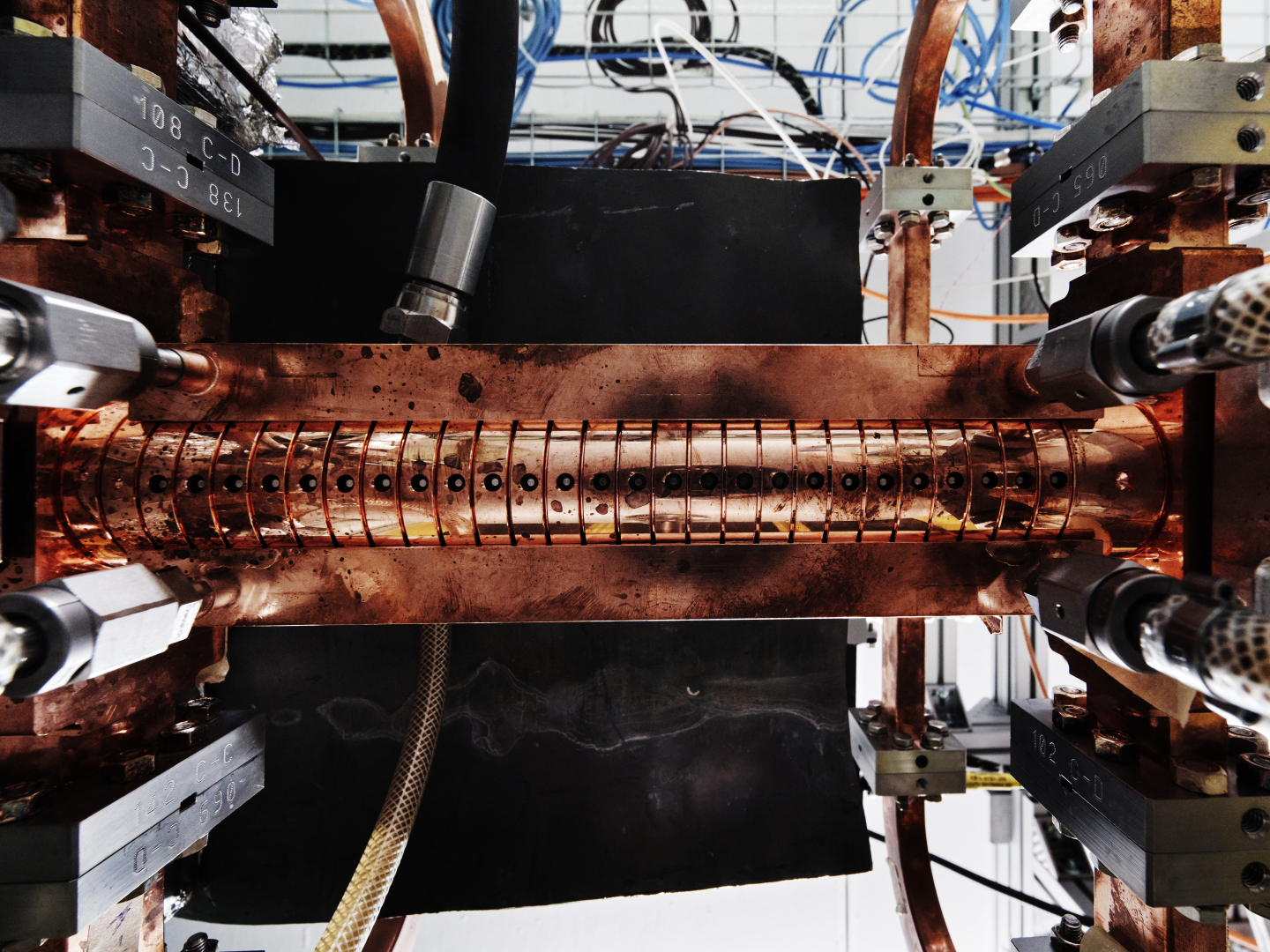
Development of accelerating structures for a FLASH radiation facility
Development of accelerating structures for a FLASH radiation facility | CERN collaborates with CHUV (Lausanne) on the design of an innovative clinical FLASH radiation therapy facility. The baseline design is nearly complete and a Conceptual Design Report (CDR) is being written. With the feasibility of the baseline design established, the priority for the design effort
-
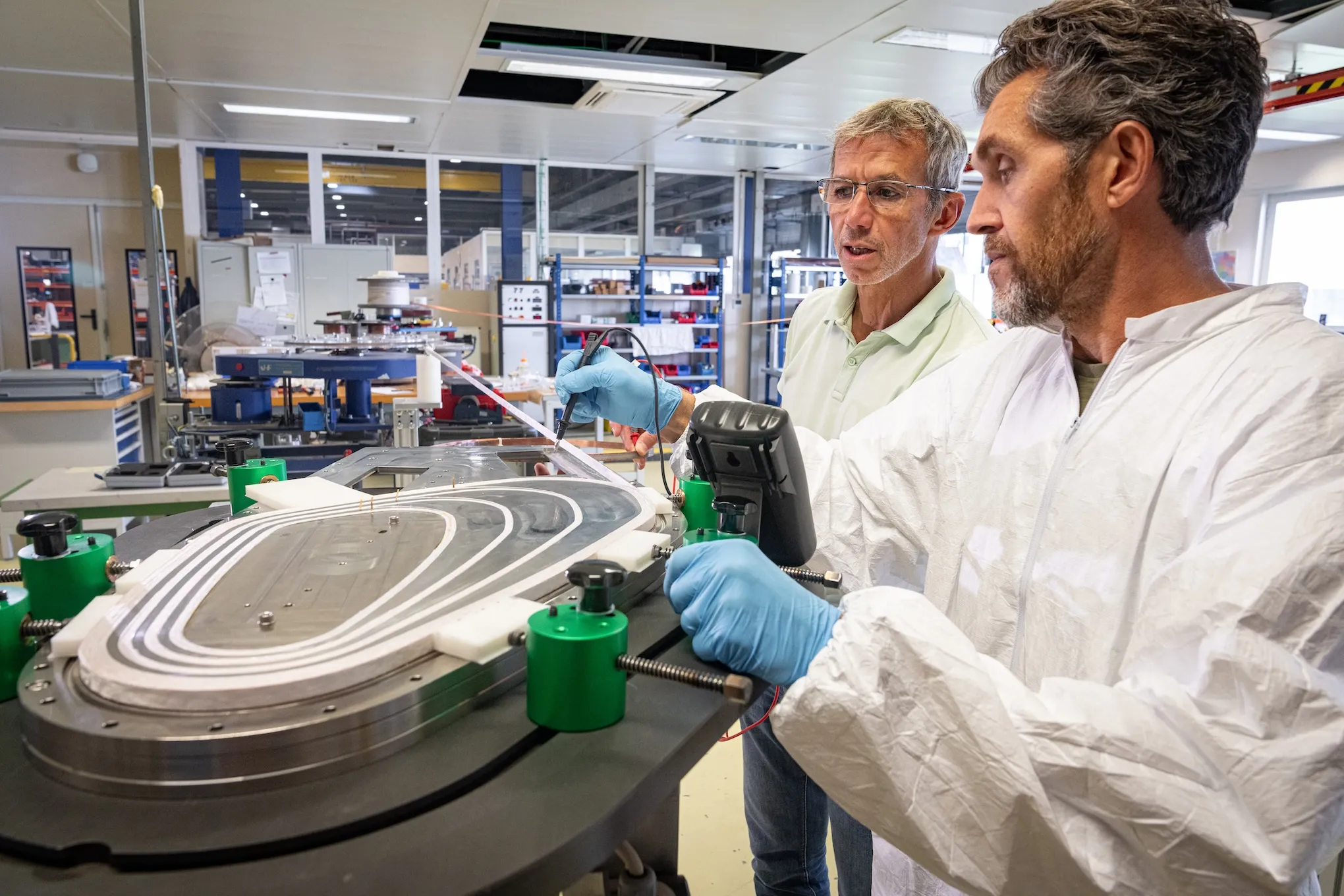
Design and prototyping of HTS magnets for medical gantry applications (GaToroid)
Design and prototyping of HTS magnets for medical gantry applications (GaToroid) | GaToroid is an innovative gantry design based upon a toroidal magnet concept, which eliminates the need to rotate the structure. The gantry comprises a set of discrete superconducting coils constituting the toroidal magnet, and a bending device at the entrance of the structure. By
-
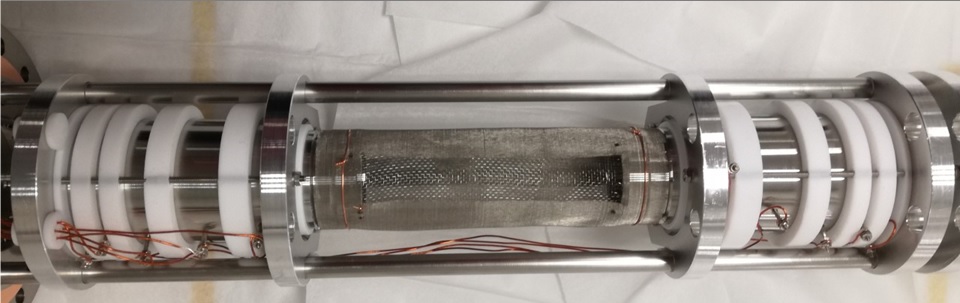
A highly selective, high-flux mass separator for Medical Applications
A highly selective, high-flux mass separator for Medical Applications | This project aims at developing a new device for fast mass separation of radioisotopes, in combination with a laser spectroscopy device developed in the frame of an ERC project. These high fluxes of radioisotopes would be useful for medical use (e.g. Terbium), solid state material
-
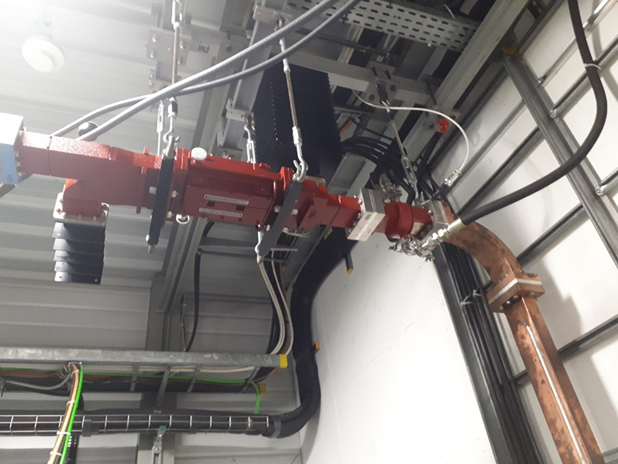
SF6-free S-band circulator for photo injectors
SF6-free S-band circulator for photo injectors | SF6 is a highly polluting greenhouse gas used in high-power waveguide circulators, which are key Radio-Frequency devices used in particle accelerators, whether for particle physics or medical purposes. The goal of the project is to remove the need for SF6 in one of two ways: developing a circulator able
-
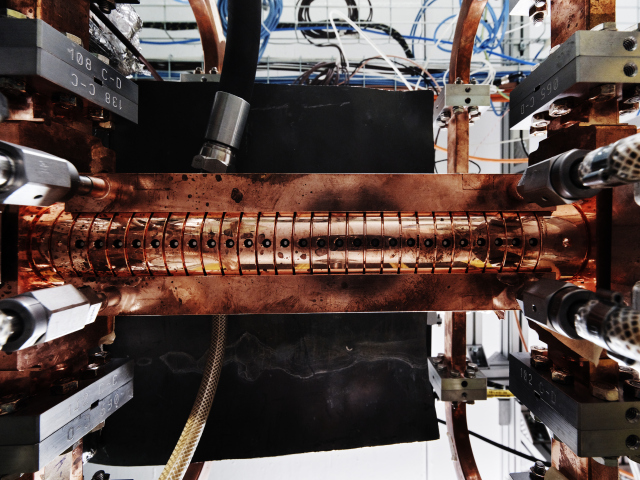
FLASH
FLASH | An innovative electron radiotherapy technology Many breakthrough applications in the medical field have resulted from developments in particle physics research. One such example is the use of very high-energy electrons (VHEE) for a frontier radiotherapy technique called FLASH radiotherapy, a highly targeted cancer treatment, capable of reaching deep into a patient’s body with fewer side-effects than
-
NIMMS – compact and cost-effective ion-therapy facilities
NIMMS – compact and cost-effective ion-therapy facilities | CERN has been actively transferring its technologies to radiotherapy for decades. In 2019, CERN launched the Next Ion Medical Machine Study (NIMMS) to develop cutting-edge accelerator technologies for a new generation of compact and cost-effective ion-therapy facilities. The goal being to propel the use of ion therapy, which uses carbon and
-
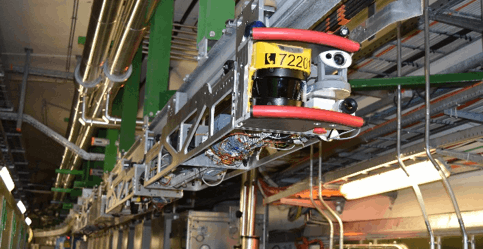
Train Inspection Monorail (TIM)
Train Inspection Monorail (TIM) | The Train Inspection Monorail (TIM) is a mechatronic product initially designed for CERN’s specific needs, with the goal to provide unmanned operations in the Large Hadron Collider (LHC) tunnel when there is no active beam, during beam stops and machine shut-downs. The main functionalities that TIM provides, are surveying, monitoring,
-
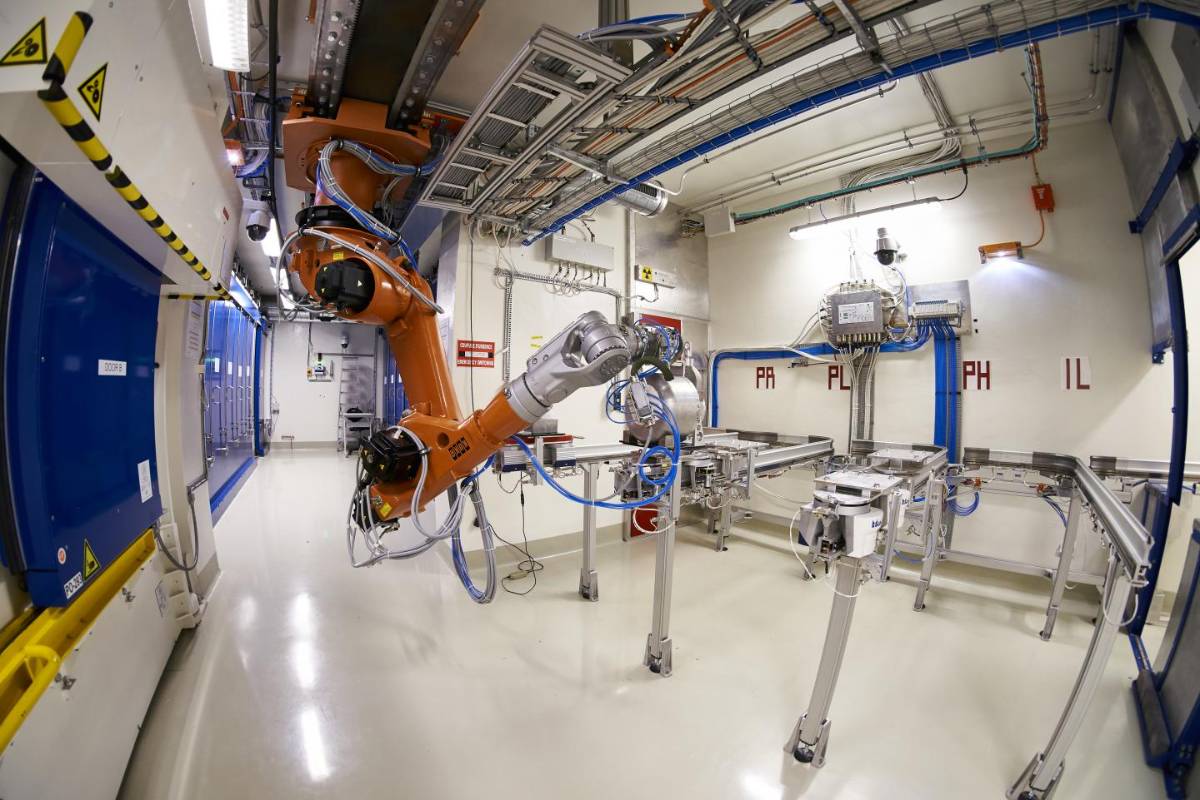
MEDICIS
MEDICIS | CERN-MEDICIS (Medical Isotopes Collected from ISOLDE) is a unique facility designed to produce unconventional radioisotopes with the right properties to enhance the precision of both patient imaging and treatment. It will expand the range of radioisotopes available for medical research – some of which can be produced only at CERN – and send
-
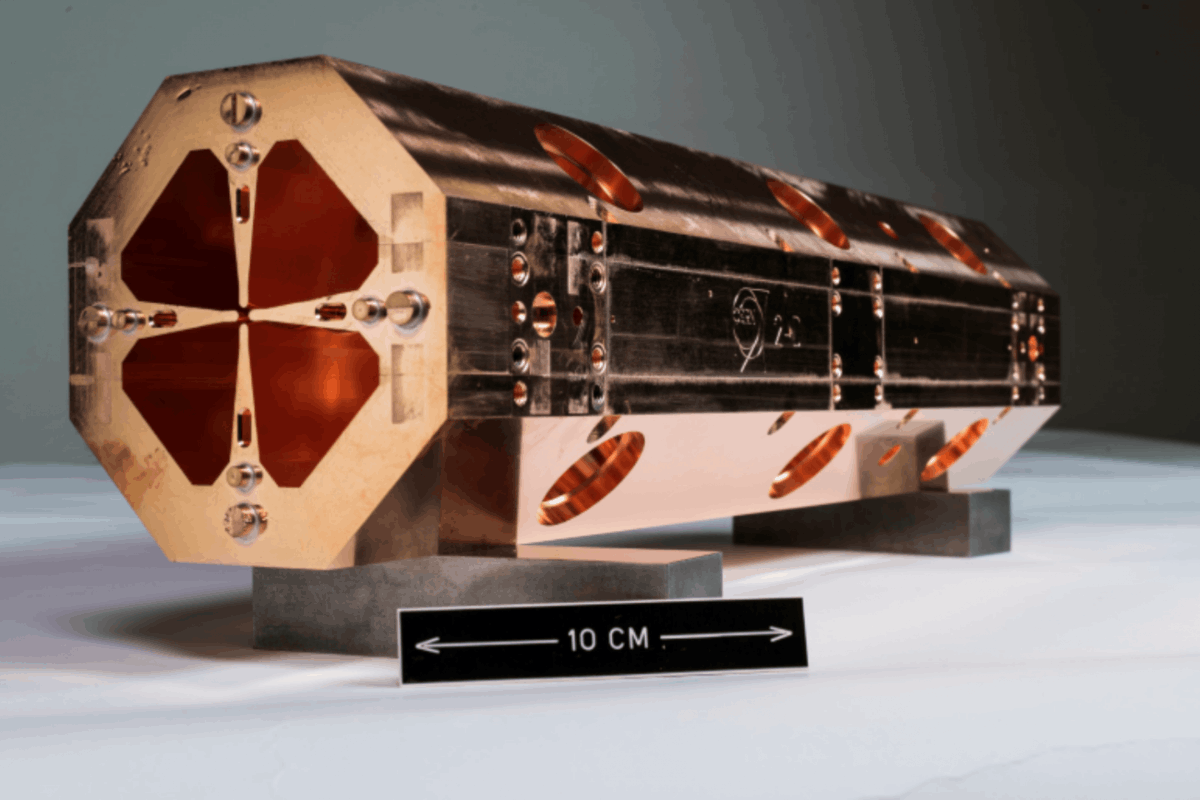
High Frequency Compact Linear Proton Accelerator
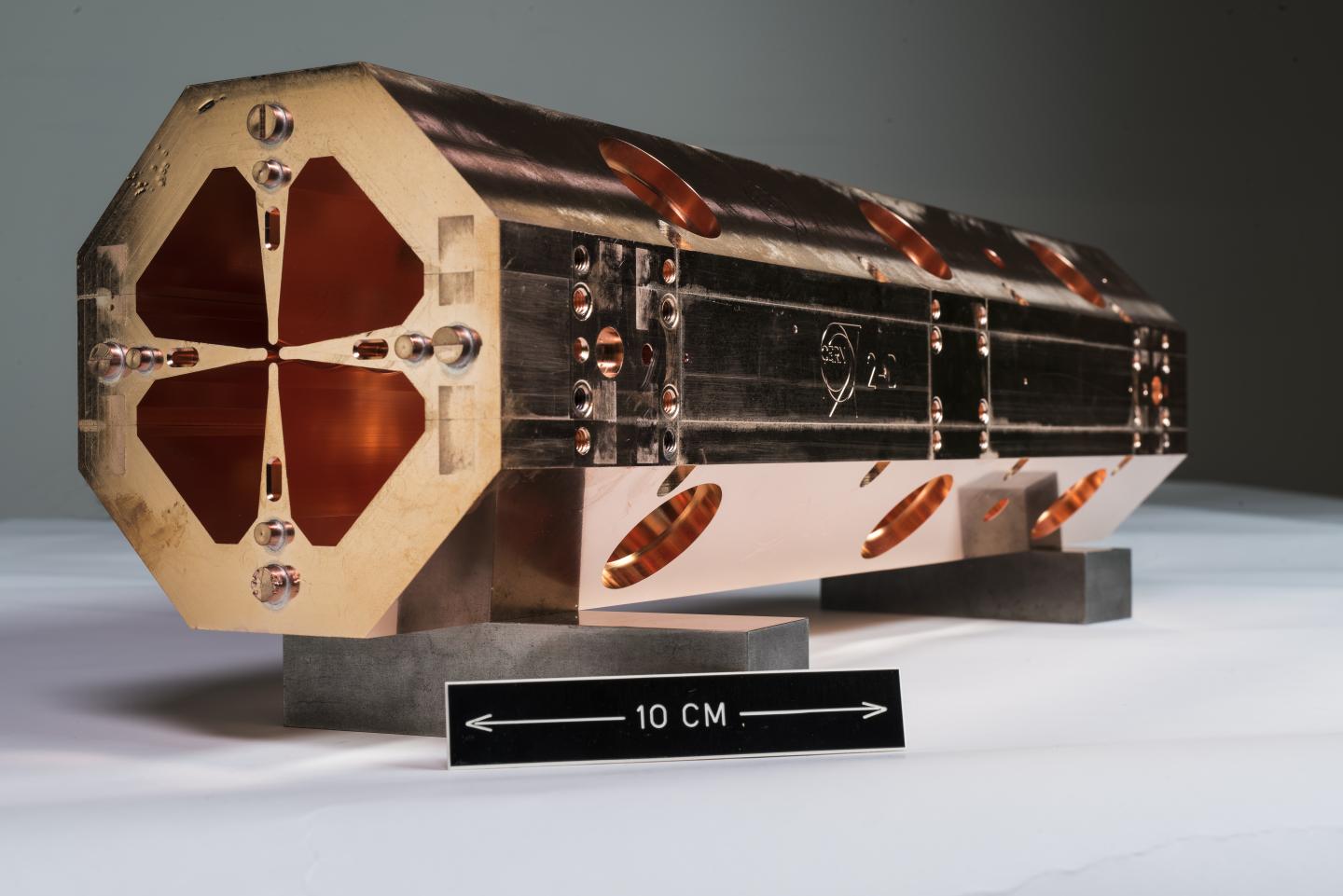
High Frequency Compact Linear Proton Accelerator | In the frame of its programme for medical applications, and building on its experience with the LINAC4 injector (the first stage in the Large Hadron Collider accelerator chain), the High-Frequency Radio Frequency Quadrupole (HF-RFQ) was constructed with the goal of providing a compact, low-current injector for a proton
-
ActiWiz
ActiWiz | The activation of material is often an important issue for all environments exposed to accelerator beams. It has considerable impact on safety and handling constraints. One of the key parameters responsible for activation is the chemical composition of the material involved which can often be optimized in order to reduce material activation. However,
-
Particle Acceleration and Control
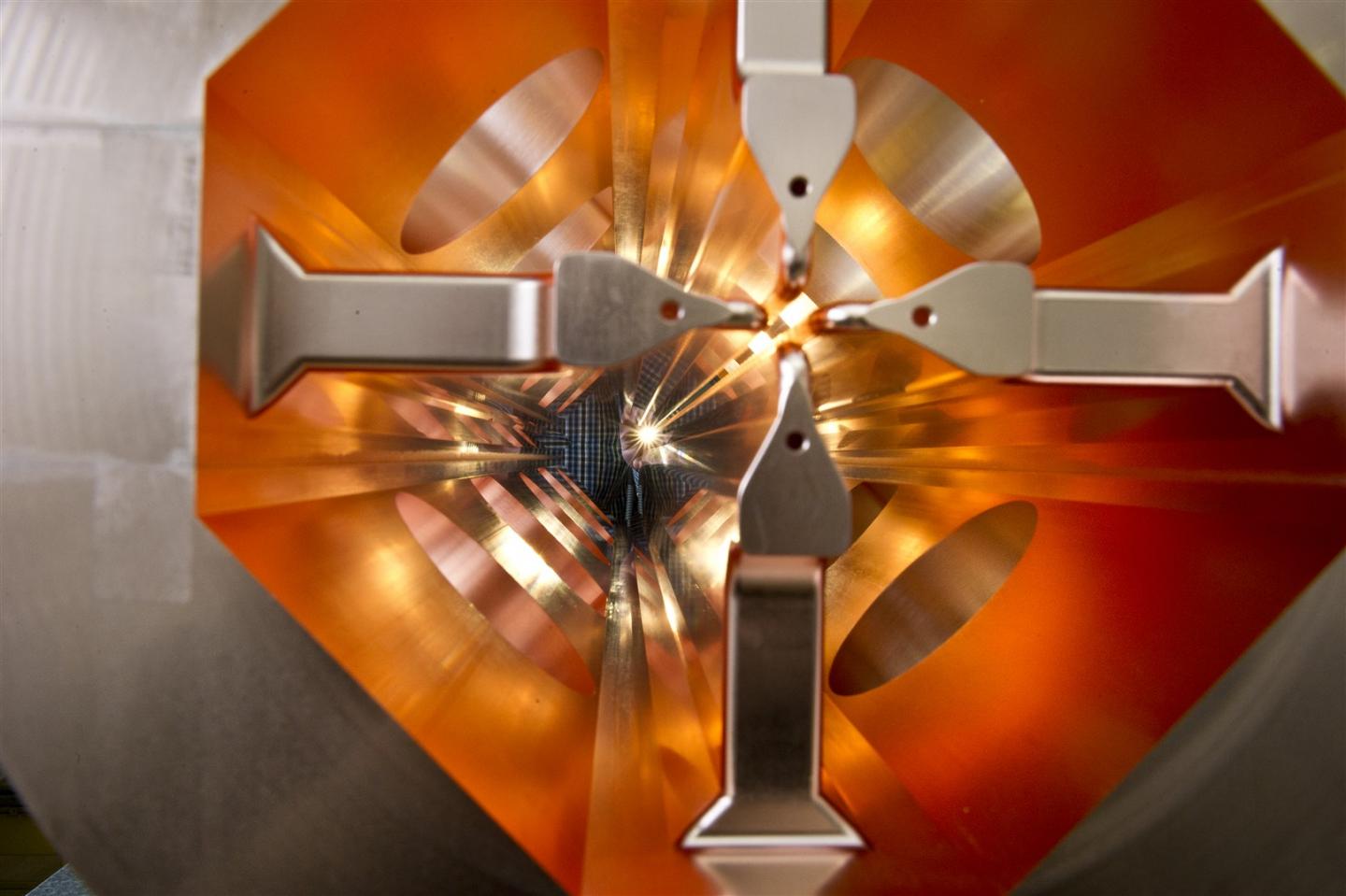
Particle Acceleration and Control | World-class expertise in the design of technologies to accelerate, measure and control particle beams. CERN’s Know-How Facts & Figures Key Competencies Compact accelerating structures Decades of accumulated experience in the acceleration of subatomic particles. At CERN, our experts carry out R&D to improve existing acceleration technologies and explore new avenues
-
CERN tech for Quantum Systems
CERN tech for Quantum Systems | How to collaborate with CERN? Find out about upcoming Quantum related news and events here Key Competencies Thin film coatings for ultra-high vacuums CERN experts have developed a range of techniques and materials for thin film coatings in order to meet the diverse demands of achieving vacuums in different systems
-
Radiotherapy
Radiotherapy | CERN’s Know-How Facts & Figures Contact Person Benjamin Frisch Knowledge Transfer Officer benjamin.frisch@cern.ch Related Articles Case Studies Projects News
-
General Medical Applications
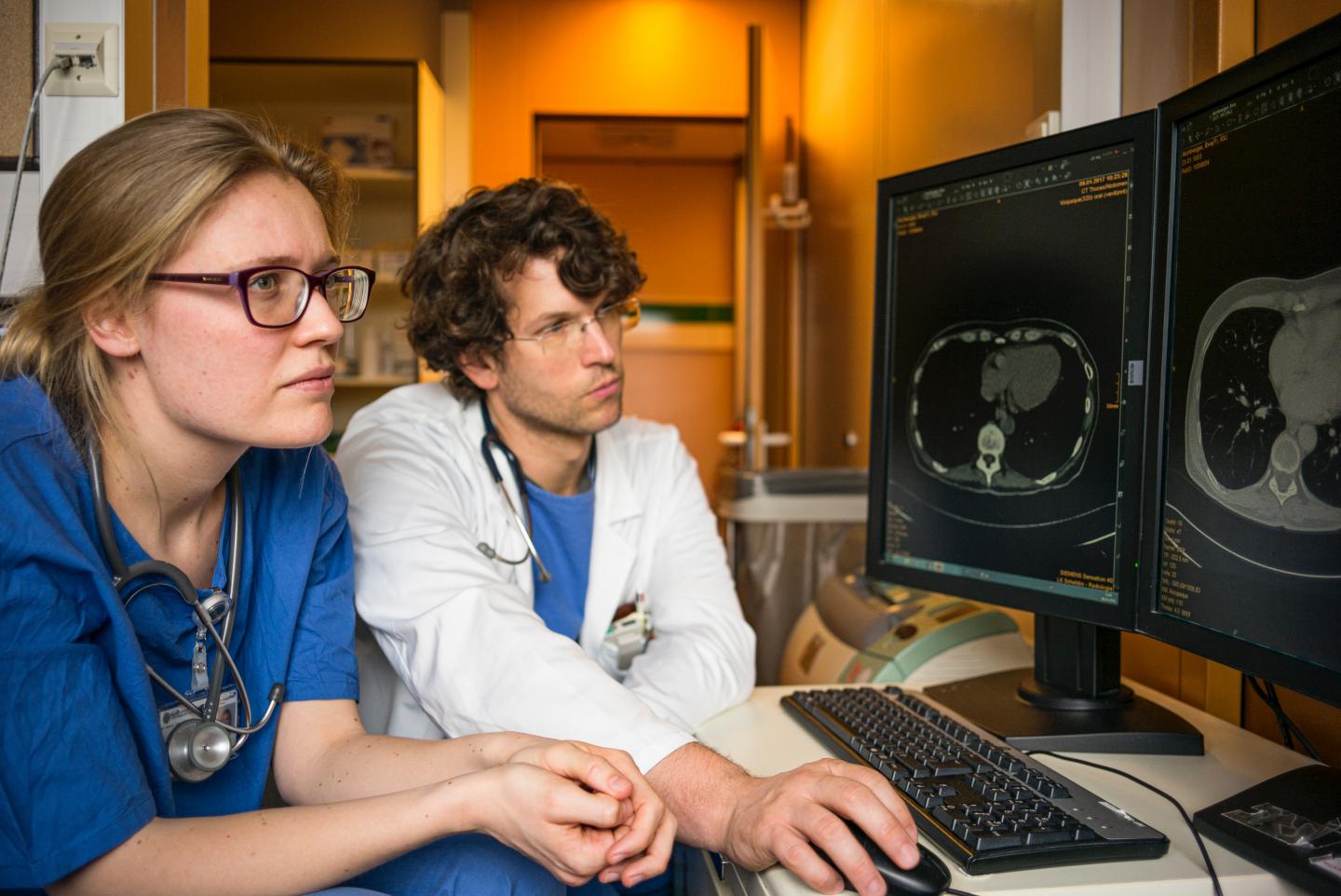
General Medical Applications | CERN’s Know-How Facts & Figures Contact Person Benjamin Frisch Knowledge Transfer Officer benjamin.frisch@cern.ch
-
New compact accelerator to help preserve heritage artworks
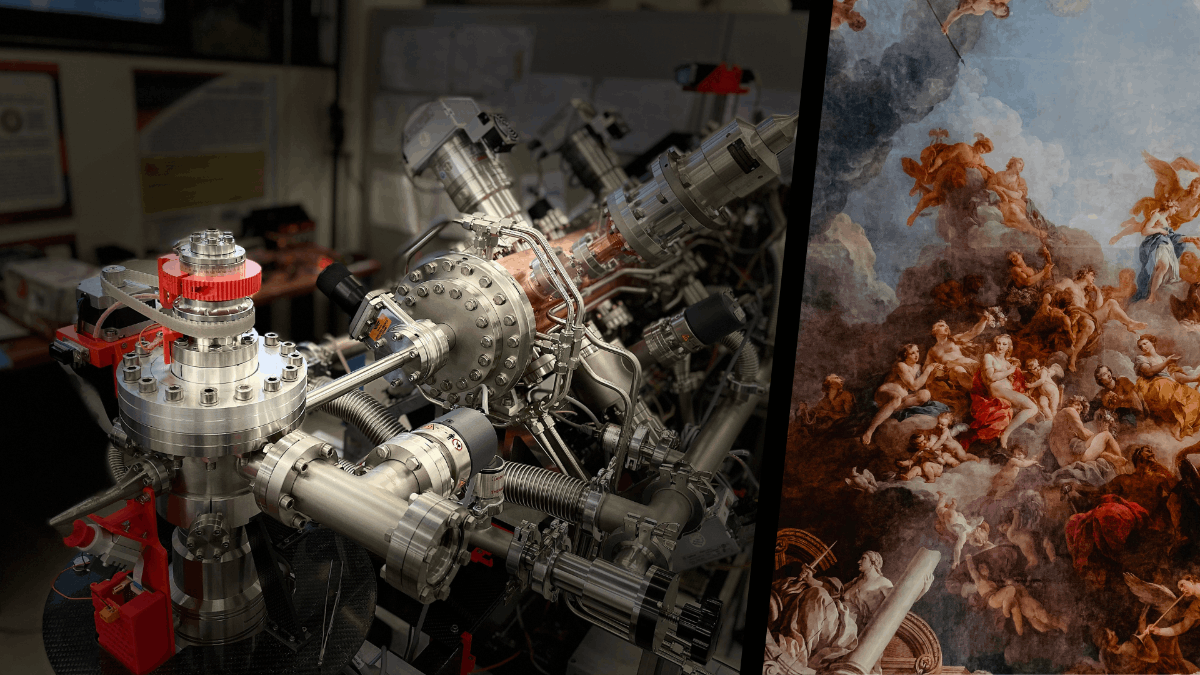
New compact accelerator to help preserve heritage artworks | CERN and INFN have developed a compact, transportable accelerator for the non-destructive analysis of historical artifacts and artworks, providing a cheaper, more accessible method of analysing large or fragile items of this nature Beyond fundamental research, accelerators are well known for their contribution to the medical field,
-
Combining quantum with high-energy physics
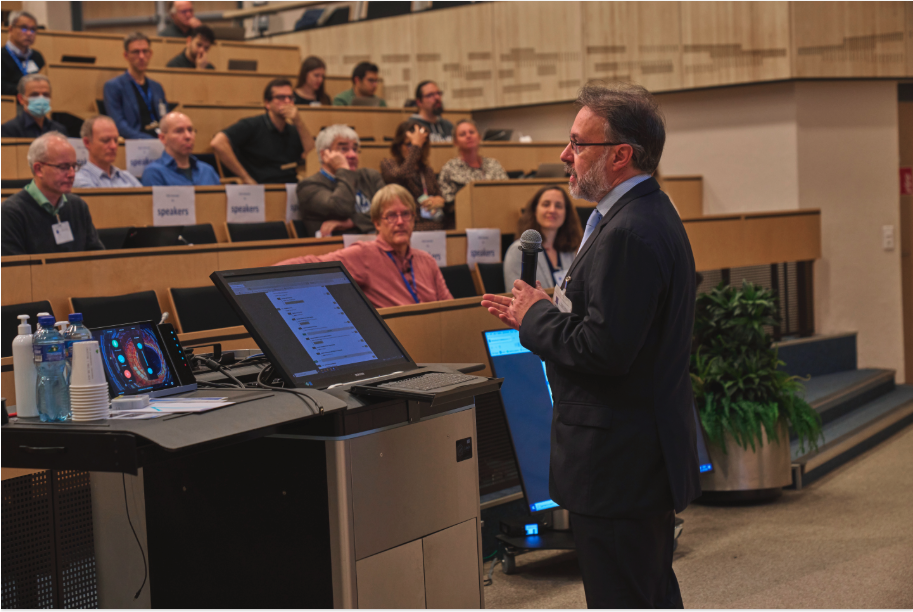
Quantum leap CERN QTI head Alberto Di Meglio speaking at the QT4HEP event, supported through CERN openlab and sponsored by Google, IBM and Intel
-
Thirty years of the TERA Foundation
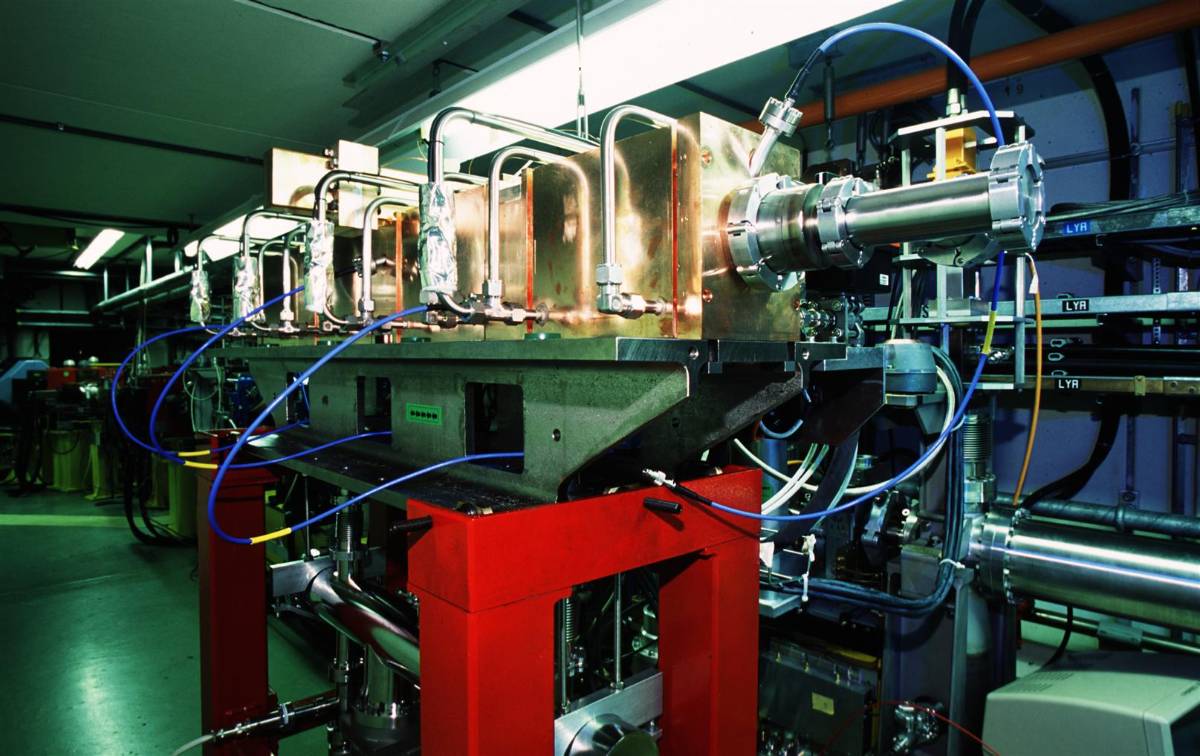
Thirty years of the TERA Foundation | On 15 September 1992, the TERA Foundation was established in Novara, Italy. Exactly 30 years later, a symposium was held at CERN to review its contributions to hadron therapy The Piazza Navona is home to one of Rome’s most famous landmarks: the fountain of the four rivers. As
-
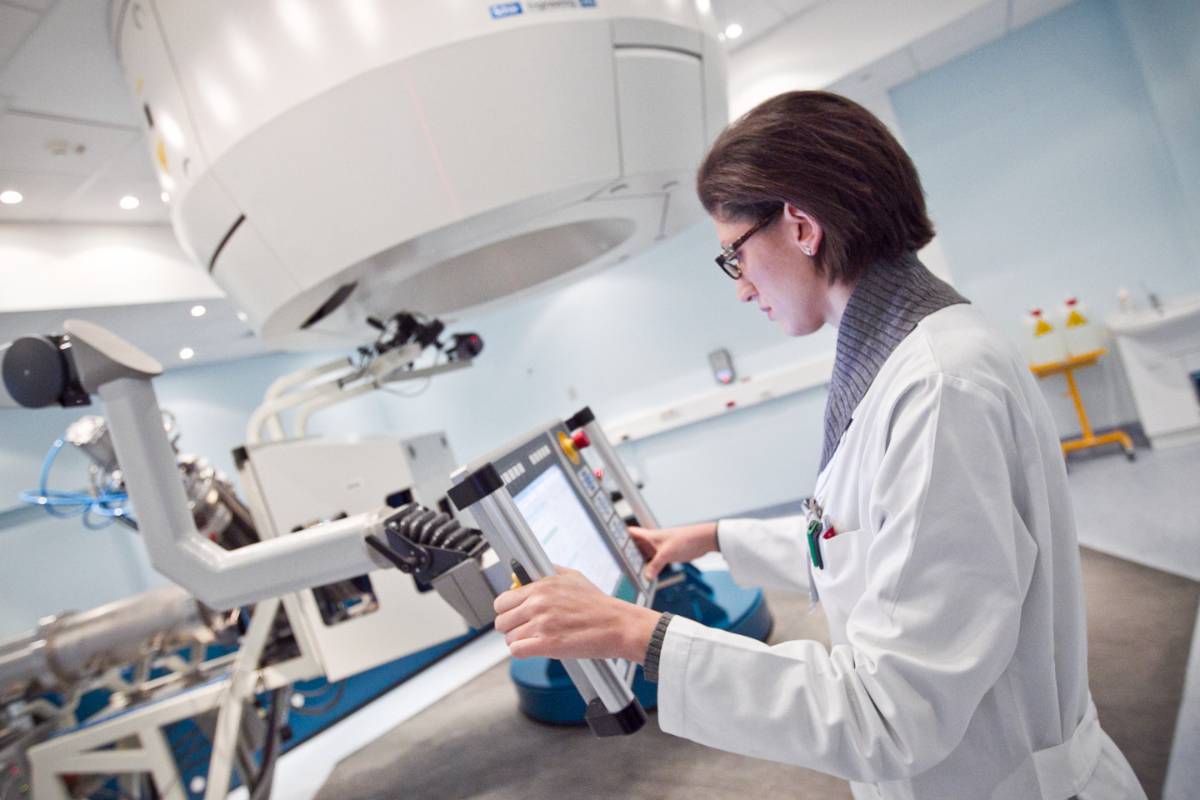
CERN and CNAO, a long-standing collaboration in the fight against cancer
CERN and CNAO, a long-standing collaboration in the fight against cancer On November 24, the CNAO (Centro Nazionale di Adroterapia Oncologica) hadrontherapy centre in Pavia, Italy, organised a special event to celebrate twenty years since the CNAO Foundation was established and ten years since the first cancer patient was treated at the CNAO facility. Since then,
-
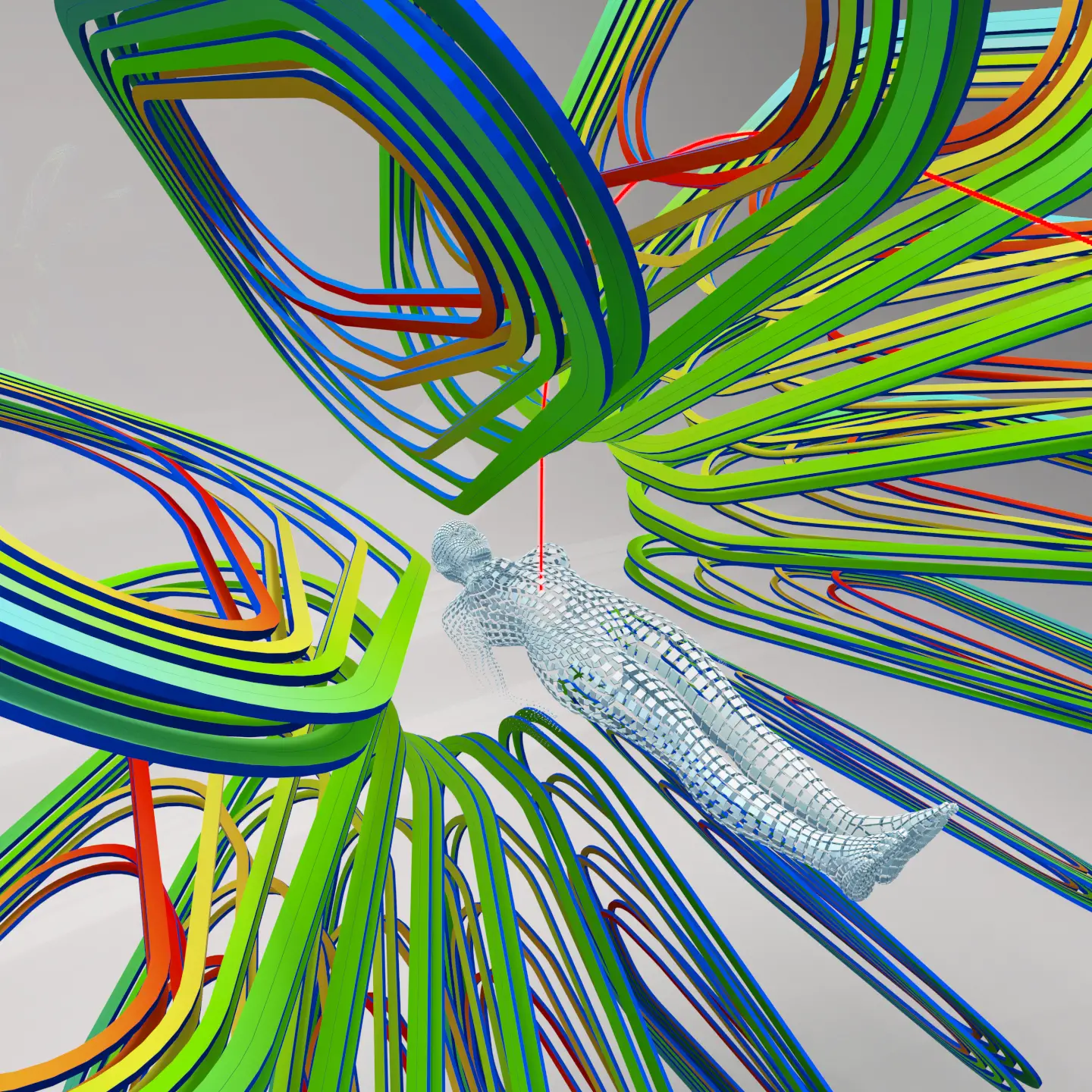
CERN’s impact on medical technology
CERN’s impact on medical technology | Frontier instruments like the LHC and its detectors not only push back the boundaries of our knowledge, but also catalyse innovative technology for medical applications, writes Manuela Cirilli. This article was originally published in the July/August edition of CERN Courier magazine. Today, the tools of experimental particle physics are ubiquitous
-

Sparking breakthroughs in radiation protection for spacecraft, aviation and accelerators
Sparking breakthroughs in radiation protection for spacecraft, aviation and accelerators | The CERN-coordinated and EU-funded RADSAGA project is coming to an end after four years of rewarding research into radiation protection for electronics With the proliferation of space missions around the globe and technological leaps allowing the development of ever more sophisticated components, there is
-
CERN’s contribution to particle therapy for cancer treatment at MedAustron
CERN’s contribution to particle therapy for cancer treatment at MedAustron | For two and a half years, particle therapy for cancer treatment has successfully been used at MedAustron in Wiener Neustadt, Austria. The centre completed its first year as an operating cancer treatment facility in 2017, after having started patient treatments in December 2016. MedAustron continued
-
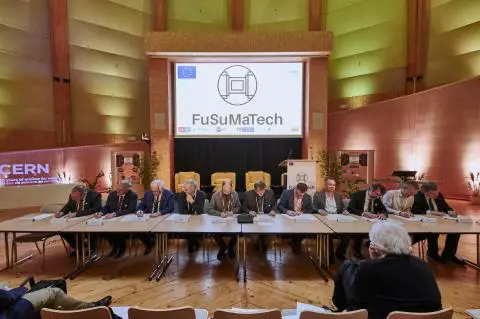
FuSuMaTech opens future of superconducting magnets to academia and industry
FuSuMaTech opens future of superconducting magnets to academia and industry | Superconductivity is not something that immediately comes to mind in regards to daily life, and yet it has become increasingly important. Industry, and especially medical instrumentation industries, display a renewed interest in the domain of superconductivity for applications that range from energy storage, to
-
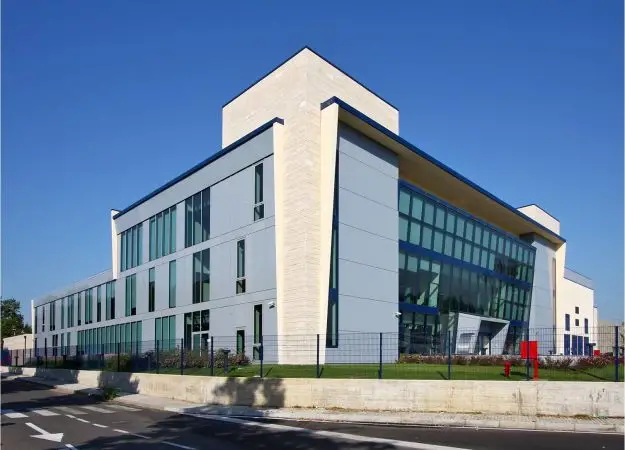
CNAO: Treating Cancer with Ions since 2011
CNAO: Treating Cancer with Ions since 2011 The National Center for Oncological Hadrontherapy (CNAO) in Pavia, Italy, is a facility offering advanced therapy to fight cancer, and one of only six centres in the world treating with both protons and carbon ions. | The National Center for Oncological Hadrontherapy (CNAO) in Pavia, Italy, is a
-
CERN to produce radioisotopes for health
CERN to produce radioisotopes for health | A groundbreaking ceremony at CERN today marked the beginning of the construction of CERN MEDICIS, a research facility that will make radioisotopes for medical applications. The facility will use a proton beam at ISOLDE to produce the isotopes, which are first destined for hospitals and research centres in Switzerland, and