
Category: Projects
-
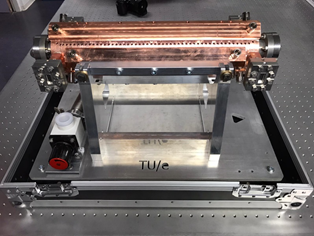
Compact material NDT for residual stress measurement, batteries & fast fuel cell development (VULCAN)
Compact material NDT for residual stress measurement, batteries & fast fuel cell development (VULCAN) | The VULCAN (Versatile ULtra-Compact Accelerator-based Neutron source) project is a collaborative initiative to develop a compact, pulsed cold and thermal (1.5 ˚A to 3.5 ˚A) neutron source for use in industrial, research, and scientific fields. VULCAN is specifically designed to
-
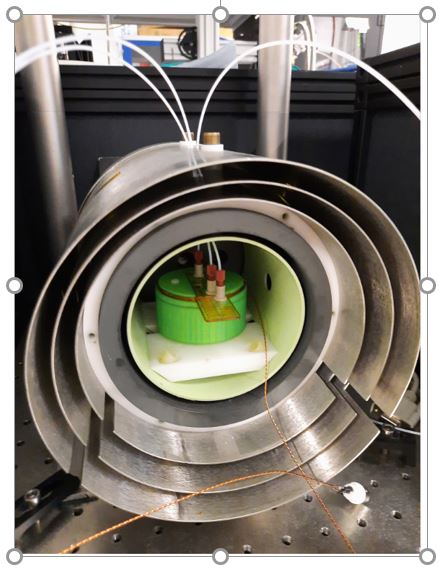
ZULF-RD-NMR: Zero-to-ultralow-field radiation-detected Nuclear Magnetic Resonance
ZULF-RD-NMR: Zero-to-ultralow-field radiation-detected Nuclear Magnetic Resonance | The goal of the project is to combine the advantages of very sensitive radiationdetected NMR (RD-NMR) with the advantages of the very portable zero-to-ultralow-field-NMR (ZULF-NMR), while cancelling some of the respective disadvantages. It will in particular allow abandoning the need for magnetic detection of signals. This should result
-
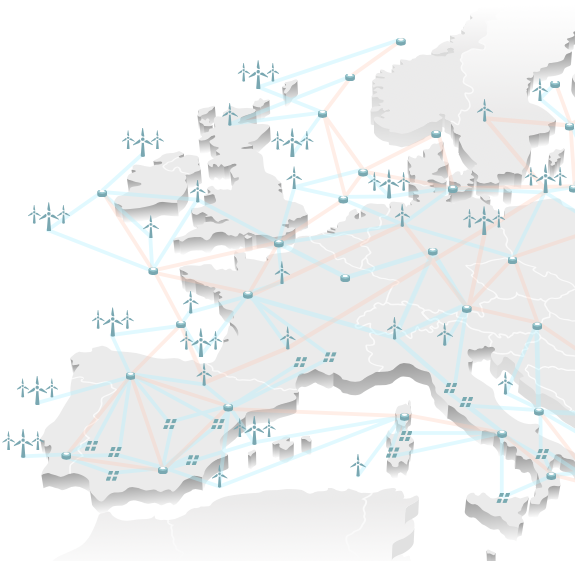
Vacuum expertise for future powergrids (IVAC-RED/SuperNode)
Vacuum expertise for future powergrids (IVAC-RED/SuperNode) | The objective of this project is to provide CERN expertise in vacuum systems to support ongoing industrial efforts to develop innovative superconducting cables capable of handling the increased share of renewable energy necessary to achieve decarbonisation. The project will be carried out in collaboration with SuperNode, a cutting-edge
-
Use of MARCHESE technology in hospital setting
Use of MARCHESE technology in a hospital setting | Need Remote patient monitoring (RPM) is an increasing relevant topic in healthcare: an efficient and reliable RPM system would allow to reduce deaths (by providing timely alerts), costs, burden on the medical staff, cross-infection . The MARCHESE technology, if successful, would blend contactless monitoring with robotics and
-

Ultra-thin beam windows for maritime electron beam flue gas treatment (UTMOST CLEEN)
Ultra-thin beam windows for maritime electron beam flue gas treatment (UTMOST CLEEN) | The project aims to develop a compact and durable Electron Beam Flue Gas Treatment (EBFGT) technology for the maritime industry to remove pollutants (particularly NOx) by converting and subsequently filtering harmful by-products before the exhaust gas is released. While solutions for on-land
-

Thermal Management in high-energy physics and space applications
Thermal Management in high-energy physics and space applications | High-energy physics and space applications have similar needs in terms of thermal management for electronic devides. This project aims to develop a miniaturised closed-loop micro-channel cooling device for microelectronics. The result will be efficient cooling devices for a variety of applications, able to handle the increased
-
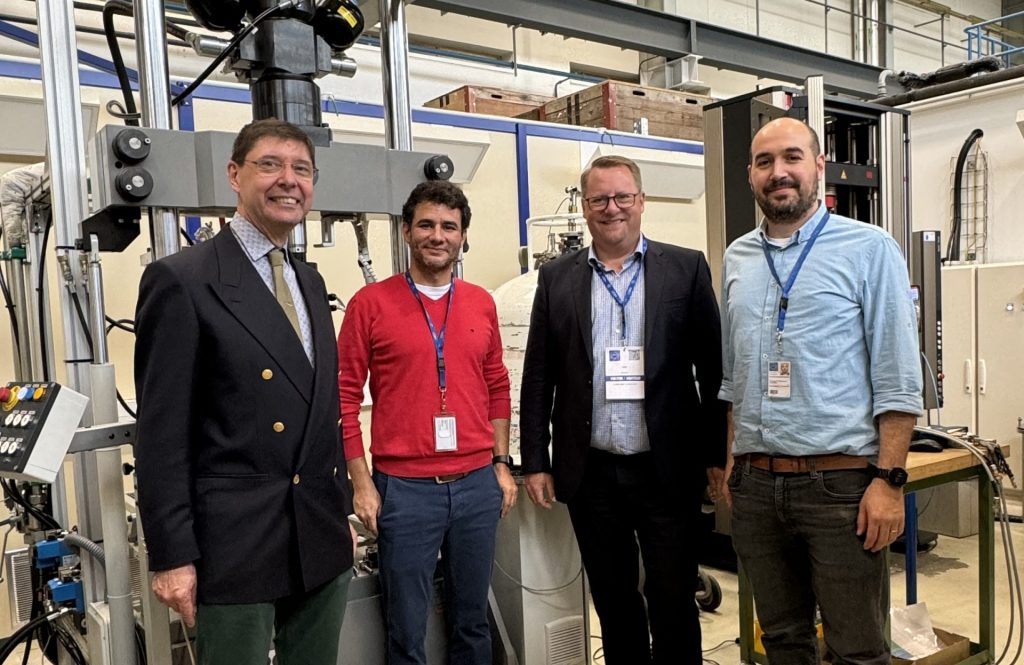
Testing steel for fusion power (Rolf Kind)
Testing steel for fusion power (Rolf Kind) | CERN has partnered with German company Rolf Kind, which specialises in the production of forgings in high-alloy stainless steels, to find the right steel for the requirements of the fusion power plants of tomorrow. Rolf Kind collaborated with CERN’s Materials, Metrology and Non-Destructive Testing section to test
-
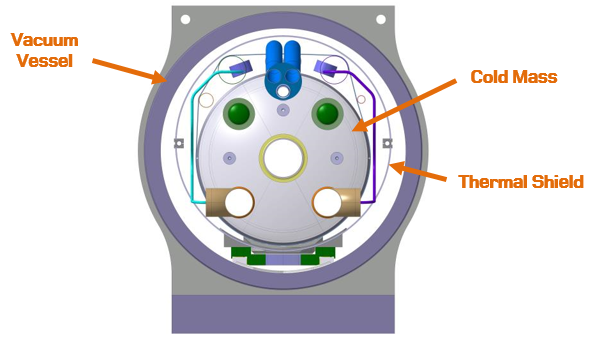
Supporting industrial materials testing (Applus+)
Supporting industrial materials testing (Applus+) | Applus+ provides testing services to companies. CERN provided a consultancy to Applus+ to support them developing an equipment to test the mechanical properties of materials at cryogenic temperatures. This consultancy was provided based on CERN’s experience designing in-house equipment for this purpose. As opposed to CERN’s test bench, the
-

Support for ENLIGHT Network
Support for ENLIGHT Network | Support for the Enlight network: https://enlight.web.cern.ch/ Funding for activities and personnel : fellow, visiting scientist and trainee. Contact Person Manjit Dosanjh manjit.dosanjh@cern.ch KT Officer: Sandra Muhr sandra.elisabeth.muhr@cern.ch Related Articles Expertise
-
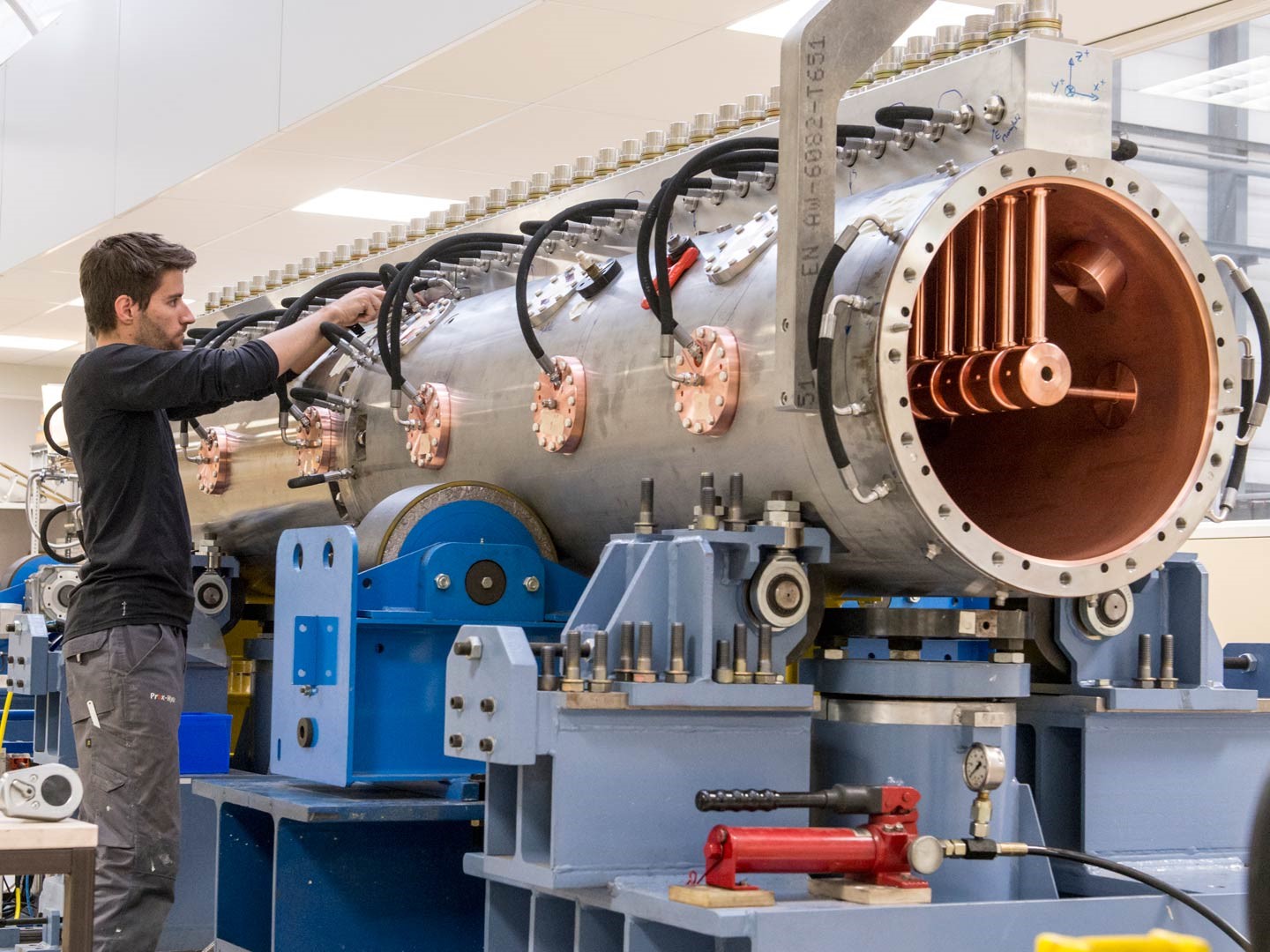
Smart Linac – Smart Anomaly Detection and Maintenance Planning Platform for Linear Accelerators
Smart Linac – Smart Anomaly Detection and Maintenance Planning Platform for Linear Accelerators | The project intends to apply machine learning techniques to decrease maintenance costs and maximize up-time of medical LINACs for particle therapy by applying “personalized” preventive maintenance plans. This one-year pilot intends to evaluate whether this innovative approach would indeed be advantageous for commercial systems,
-

Quantum Artificial Intelligence for Earth Observation (QuAI4EO)
Quantum Artificial Intelligence for Earth Observation (QuAI4EO) | Quantum Artificial Intelligence for Earth Observation (QuAI4EO) is a collaboration between the European Space Agency (ESA) and CERN, involving two PhD students between 2021 and 2025. The goal was to study the use of quantum machine learning (QML) algorithms in image analysis, with particular focus on Earth
-
Precise Timing ASICs for Medical Applications
Precise Timing ASICs for Medical Applications | Need: Fast-timing detectors are crucial in fields like PET and mass spectrometry, significantly improving precision and accuracy and leading to enhanced image quality and more precise analytical results invaluable in research and diagnostics. Goal: The FastIC and FastIC+ projects have focused on designing and characterising the ASICs. The
-
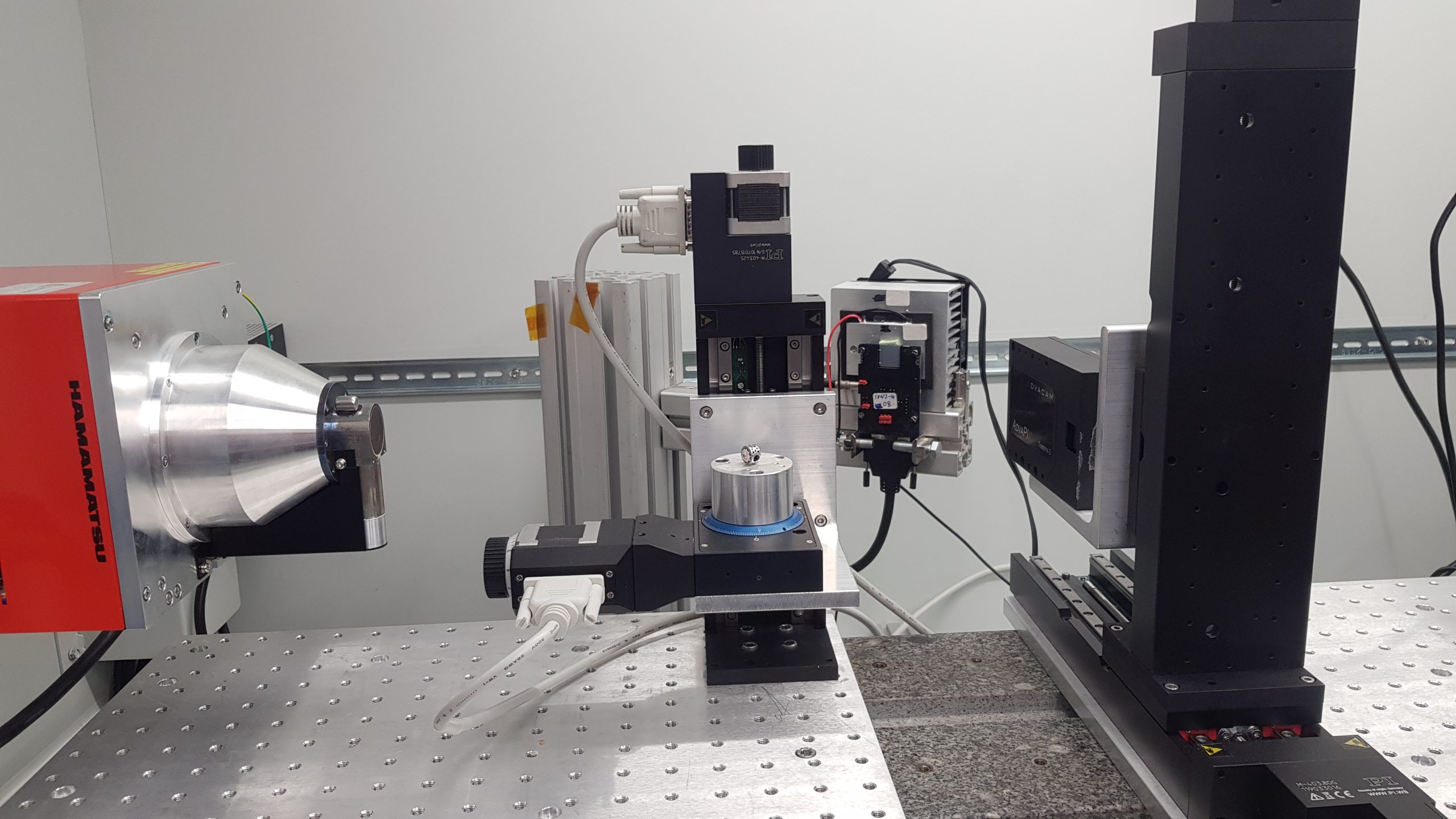
Potential and limitations of SPectroscopic X-RAY Imaging in Radiology and Medical Computed Tomography (SPECXRAY-IRMCT)
Potential and limitations of SPectroscopic X-RAY Imaging in Radiology and Medical Computed Tomography (SPECXRAY-IRMCT) | The main goal of the project is to use the extensive know-how on spectroscopic imaging on the ASIC point of view to better understand the behaviour of high –Z sensors. A PhD student will be hired to perform this study
-
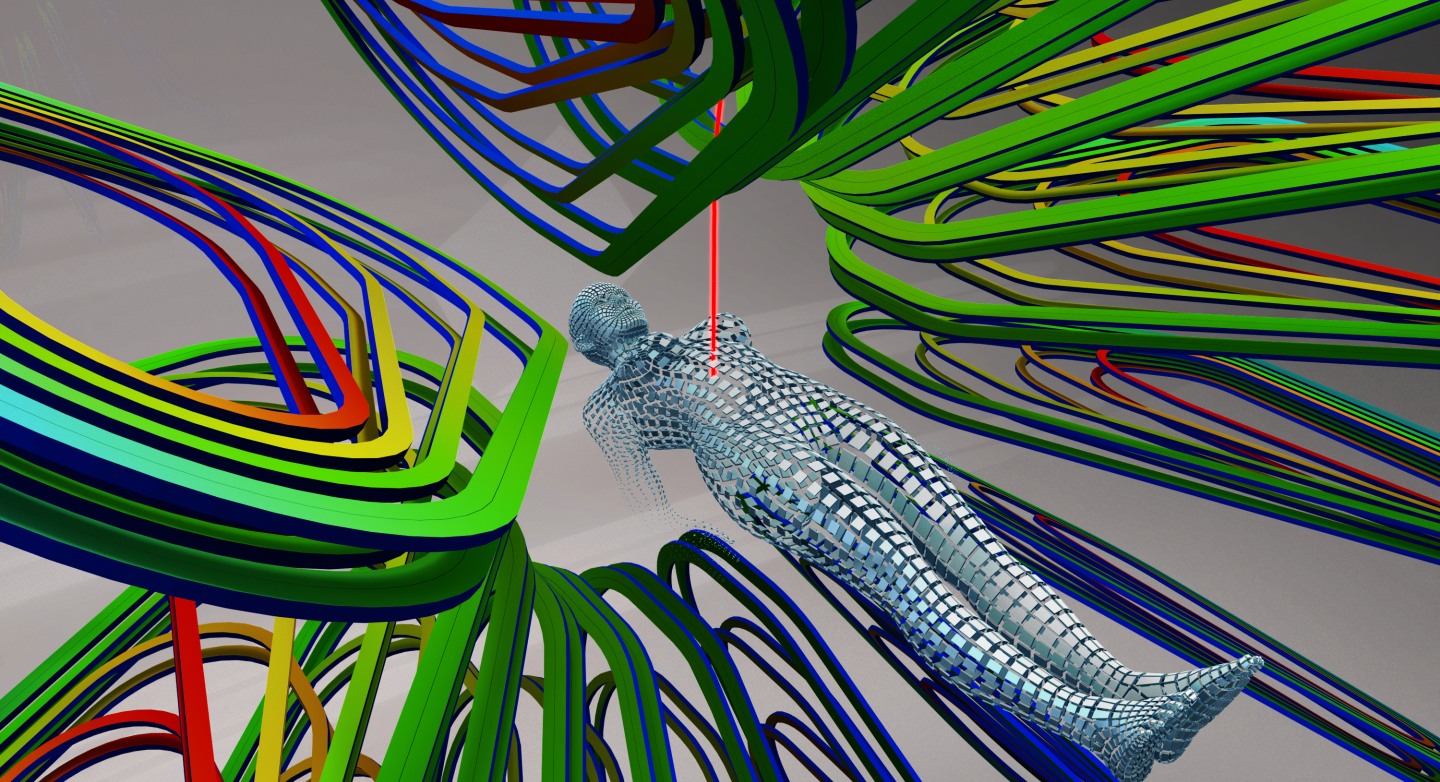
NIMMS – Next Ion Medical Machine Study
NIMMS – Next Ion Medical Machine Study | NIMMS aims to develop technologies for the next generation of compact, performant and lower cost accelerators for ion therapy cancer treatment. The project outlines an R&D programme for the development of related critical accelerator technologies ; the programme builds on existing activities and on core CERN competences. Two
-

MARCHESE – Machine leArning based human ReCognition and HEalth monitoring SystEm
MARCHESE – Machine leArning based human ReCognition and HEalth monitoring SystEm | MARCHESE (Machine leArning based human ReCognition and HEalth monitoring SystEm) will develop an inexpensive, lightweight and portable device to recognise human beings and monitor at a distance health parameters (such as temperature and respiration rate). The system will use artificial intelligence technologies to detect persons and
-

MACHINA – Design & construction of a transportable RFQ for PIXE analysis
MACHINA – Design & construction of a transportable RFQ for PIXE analysis | The MACHINA (Movable Accelerator for Cultural Heritage In-situ Non-desctructive Analysis) collaboration has developed a ‘miniaturised’ Radio Frequency Quadrupole (RFQ) accelerator that is expected to open up new possibilities for the analysis of fine art and cultural artefacts. It employs a technique called Particle Induced
-

Liquid hydrogen maritime transportation (GTT)
Liquid hydrogen maritime transportation (GTT) | In 2023, CERN and Gaztransport & Technigaz (GTT), a technological expert in membrane containment systems used to transport and store cryogenic liquids, started a collaboration to develop liquid hydrogen carriers. The ambition of this project is to provide a scalable technology to store and carry liquid hydrogen in ships
-
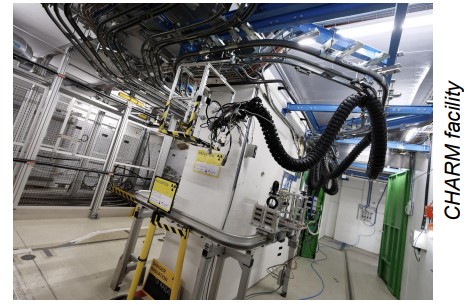
ION fragmentation for CHIMERA
ION fragmentation for CHIMERA | This proposal addresses a quite specific but critical need, building up to the on-going efforts aiming to develop a unique irradiation testing facility at CERN for high-energy/deep penetration heavy ion characterization of electronics. The main related activities (upgrading CHARM facility to enable heavy ion test campaigns) are extensively covered by
-

Invenio RDM: An open-source research data management platform
Invenio RDM: An open-source research data management platform | This project aims to build an open-source turn-key research data management (RDM) platform based on already existing and successful technologies like Zenodo and Invenio v3. The project leaders have partnered up with a committed community of cross-domain research institutions and private companies in order to grow
-
Industrial-grade Software for Energy Optimization of Cooling and Ventilation Plants
Industrial-grade Software for Energy Optimisation of Cooling and Ventilation Plants | The goal of this project is to develop an “Industrial-grade Software for Energy Optimization of Cooling and Ventilation Plants,” based on novel algorithms developed in EN-CV. Specifically tailored to seamlessly retrofit into existing HVAC control systems, the control systems optimization software aims to dynamically
-
High-Frequency Low Energy Compact RFQ
High-Frequency Low Energy Compact RFQ | This project aims at studying the feasibility of an extremely compact source such that the source extraction system is integrated into the RFQ vacuum and RF envelope, in order to create a compact injector for the compact RFQ. It is considered a logical continuation of previous efforts developing the
-
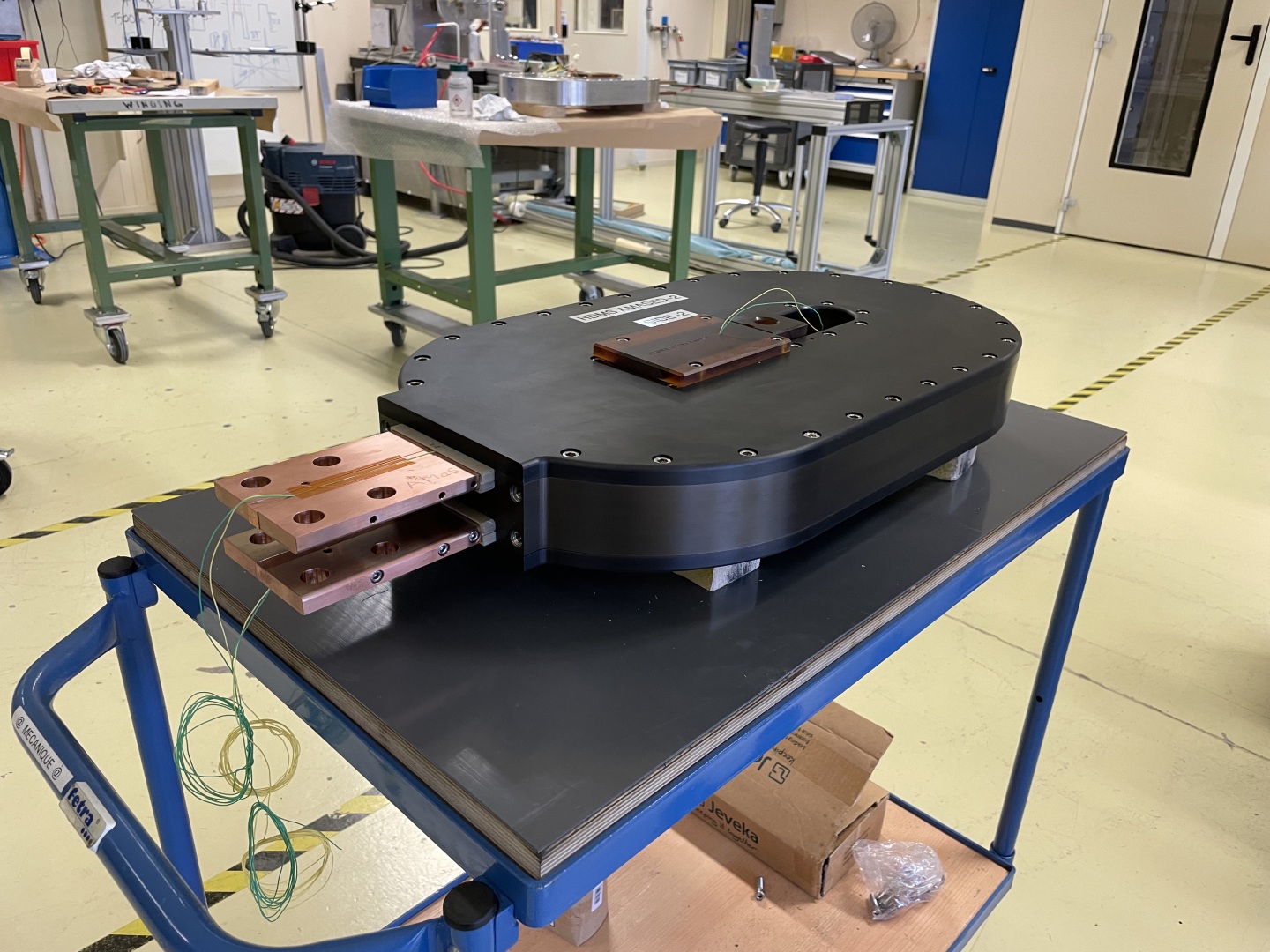
High field HTS magnet demonstrator for space
High field HTS magnet demonstrator for space | CERN and the Italian Space Agency (ASI) signed the first implementation of their bilateral collaboration framework. The project aims to define a compact high-field magnet based on advanced high temperature superconductivity technology suitable for space applications (such as high resolution astroparticle spectrometry), and to design, build and
-
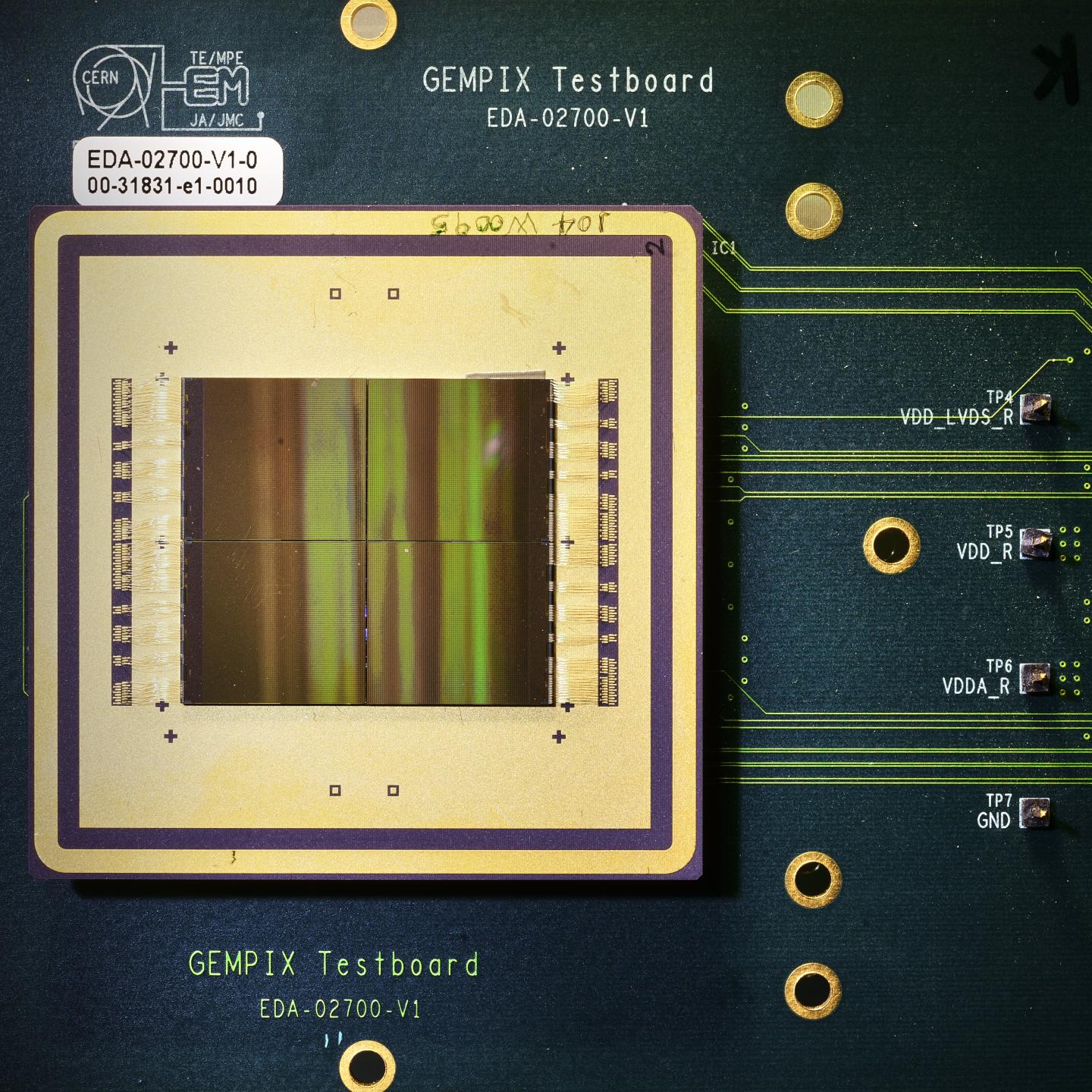
GEMPix4
GEMPix4 | Develop an advanced detector for imaging and dosimetry in hadron and radio therapy by coupling GEM and Timepix4 technologies. The goal of the project is to set new standards in QA, beam characterization and even microdosimetry in hadron therapy; the detector will also work with photon beams used in conventional radiation therapy, and
-
FastIC Read-out chips for High-energy Physics and Medical Technologies
FastIC Read-out chips for High-energy Physics and Medical Technologies | The NINO ASIC (implemented in 250nm CMOS) is a chip for the read-out of fast radiation detectors (SiPMs, MCPs); it is widely used in high-energy physics and in other fields of science. This project aims to develop a design upgrade in a deeper sub-micron technology
-
Environmental Modelling and Prediction Platform (EMP2)
Environmental Modelling and Prediction Platform (EMP2) | The EMP2 project set out to create a machine-learning based model that could be used to, for example, make predictions about the weather or track atmospheric dynamics. This model was named AtmoRep. AtmoRep can be adapted to several uses, including short-term weather forecasting, downscaling, bias corrections, spatio-temporal interpolations and
-
Energy, water and gas monitoring and forecasting platform (Web Energy)
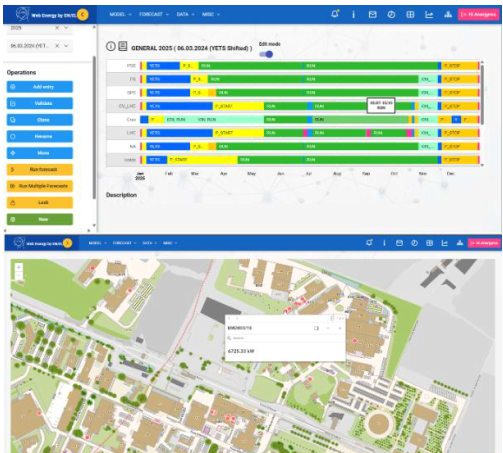
Energy, water and gas monitoring and forecasting platform (Web Energy) | WebEnergy is a software tool that allows users to monitor and forecast the energy consumption of CERN equipment. It has been operating at CERN since 2012 and has seen many developments since. Financing from CERN Knowledge Transfer went towards readying the software for use
-
Energy efficiency of cooling and ventilation infrastructure (MotorSense)
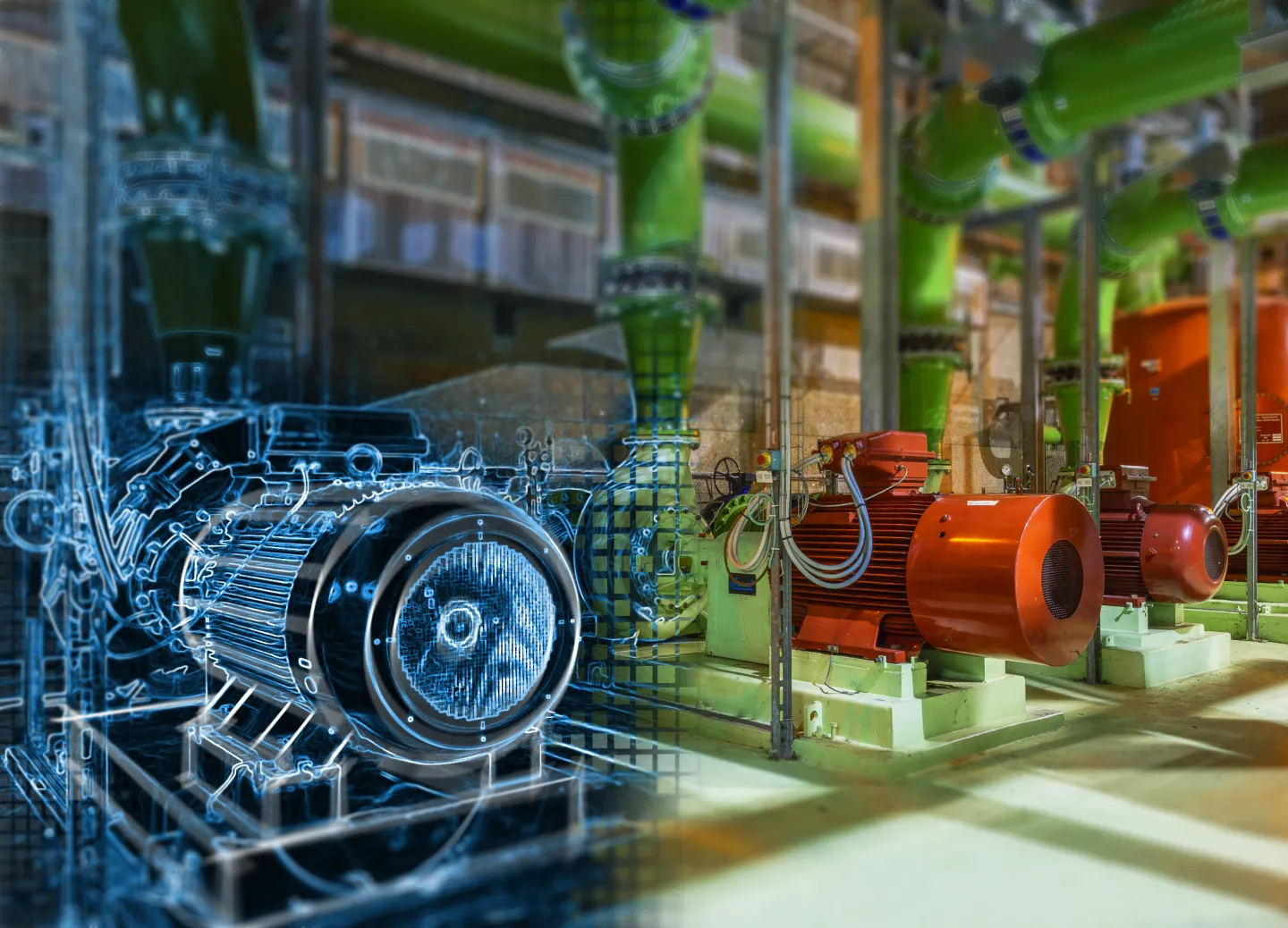
Energy efficiency of cooling and ventilation infrastructure (MotorSense) | The MotorSense project aimed at assessing and improving the energy efficiency and reliability of the cooling and ventilation infrastructure of large-scale research facilities and industries through a case study of the EN-CV infrastructure at CERN. The project concluded with results above expectations and identified a savings
-
Enabling solid state battery developments
Enabling solid state battery developments | Need: All-solid-state batteries (ASSBs) are still in the research and development phase, and while they are not yet widely deployed in commercial products, there are several applications where they are being explored and have the potential for future use: electric vehicles, portable electronics, renewable energy storage, grid energy storage,
-
Enabling Novel Tracers for MRI and NMR
Enabling Novel Tracers for MRI and NMR | Need: The development of new contrast agents or tracers for MRI is vital for advancing healthcare, research, and diagnostics, allowing for more accurate and detailed imaging and insights into various biological processes and diseases. These novel tracers should allow to perform NMR/MRI scans in lower magnetic fields,
-
Electron gun for EBIS injector
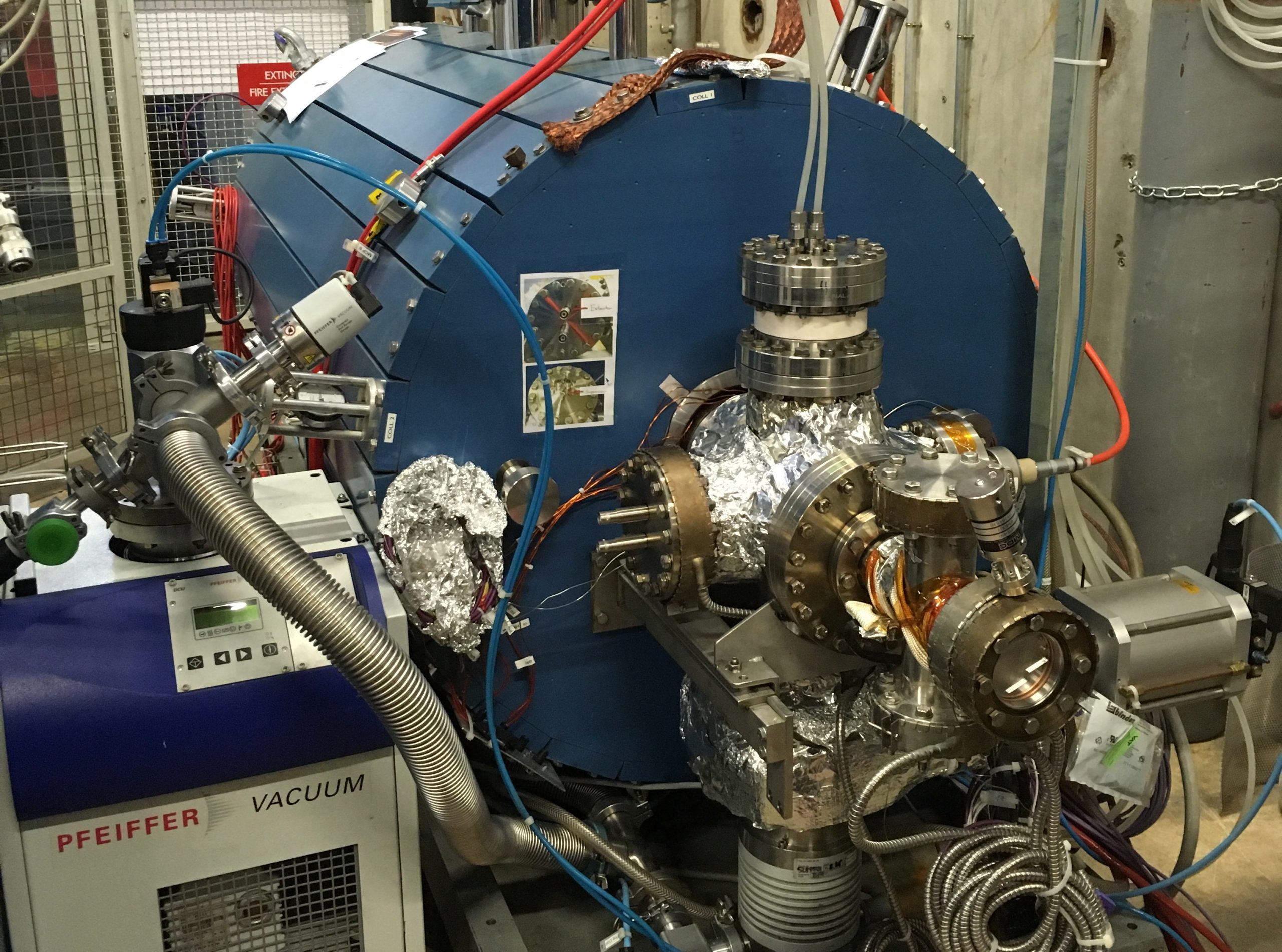
Electron gun for EBIS injector | Second generation Ion Beam Therapy facilities use new accelerator types, new gantry geometries and require fast tuning of the beam energy for spot scanning. This imposes higher demands on the ion source in terms of repetition rate, pulse length, pulse intensities and the ability to accelerate C6+ ions. The
-
Electro Optical Modulator
Electro Optical Modulator | The project proposes to further develop and test a compact digital acquisition system with high sampling rate. This DAQ (Data Acquisition) method when compared the state-of-the-art products is 10 times cheaper for similar performance specifications. The proof of concept already has been tested successfully at the CLEAR facility. The additional development
-
Distributed Optical Fibre Radiation & Temperature Sensor
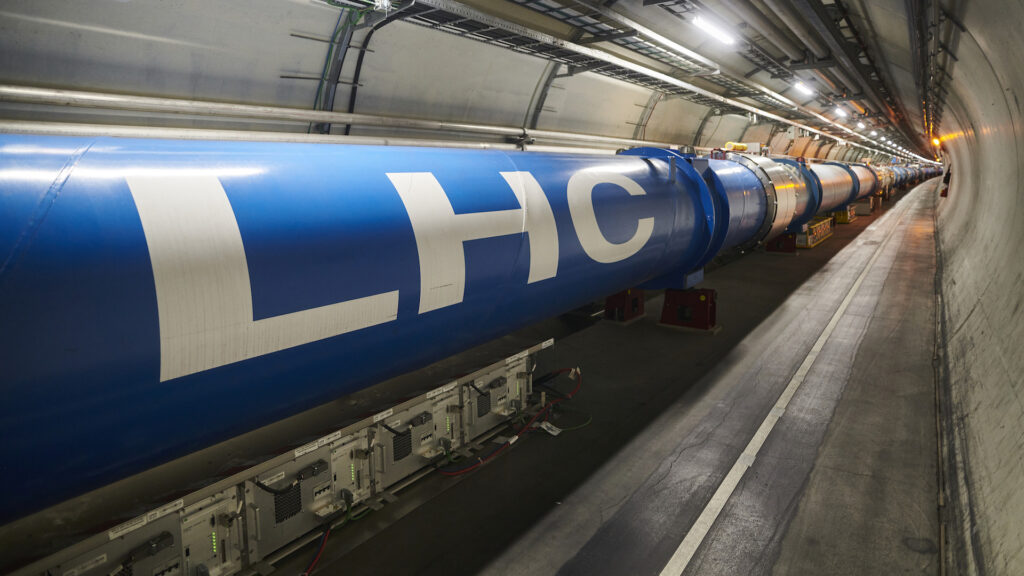
Distributed Optical Fibre Radiation & Temperature Sensor | Optical fibre radiation and temperature sensors are important to monitor environments with high radiation levels, such as those in the accelerator complex of the LHC. Conventional systems are discretely distributed, but a distributed optical fire system can provide increased safety and a cost-effective implementation. This project will
-
Development of TOF-PET modules toward 10ps time resolution
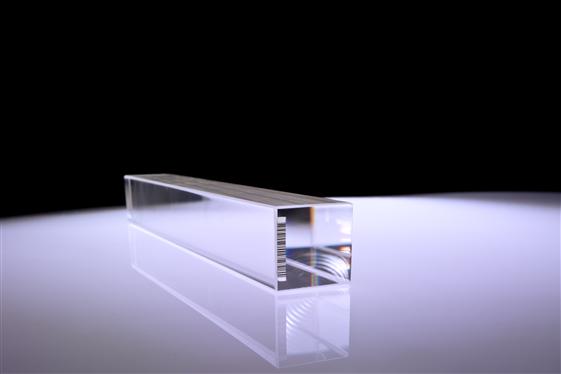
Development of TOF-PET modules toward 10ps time resolution | The project aims to develop detector modules with simultaneous high performance in terms of measuring the Depth of Interaction (DOI) of incoming gamma rays and the coincidence time resolution (CTR). This shall be achieved by further developing the concept of heterostructure scintillators. The researchers suggest combining
-
Development of the FLUKA code for hadron therapy
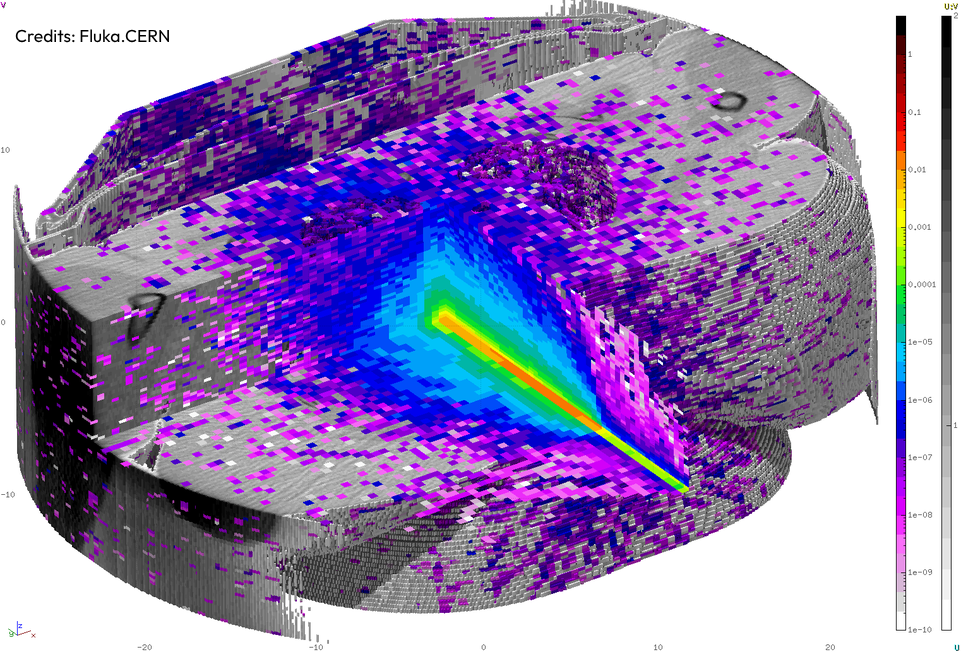
Development of the FLUKA code for hadron therapy | This project is based on the Fluka Monte Carlo code, the multi particle tracking code used throughout CERN. It is proposed to develop the Fluka nuclear interaction models in order to investigate the possibility of fully replacing or combining carbon therapy treatments based on 12C ions with treatments
-
Development of large-area GEMPix detector for imaging and microdosimetry
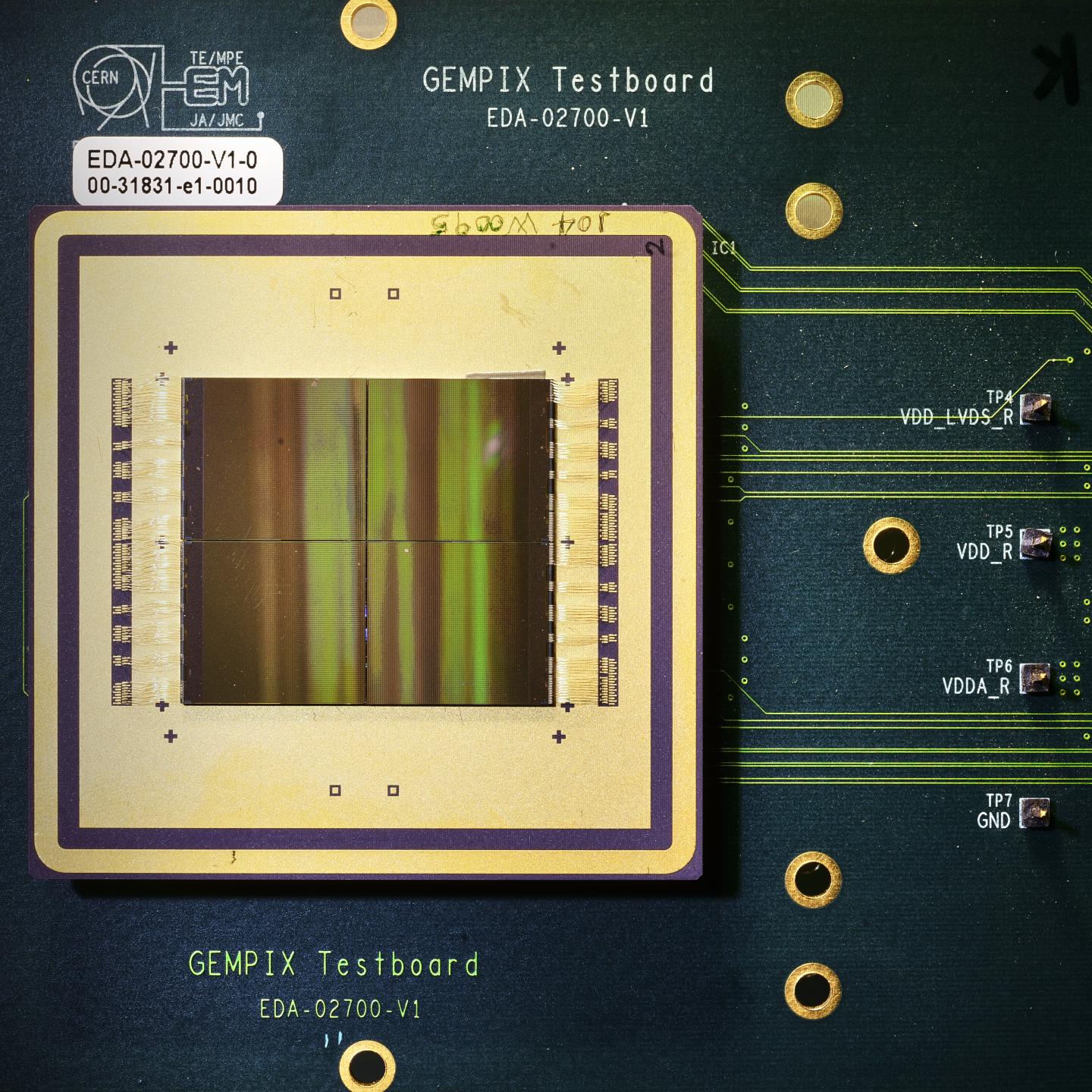
Development of large-area GEMPix detector for imaging and microdosimetry | The GEMPix is a novel detector developed in the course of the EU-funded Marie Curie project ARDENT (February 2012 – January 2016) coordinated by CERN. The detector was designed by coupling two CERN technologies, a small triple Gas Electron Multiplier (GEM) detector (3×3×1.2 cm3 active volume) to
-

Development of industry-ready kilometre range distributed fibre optic thermo-hygrometer sensors
Development of industry-ready kilometre range distributed fibre optic thermo-hygrometer sensors | The project proposes to further develop the existing fibre optic sensors at CERN into a viable and standalone product capable of monitoring relative humidity (RH) and temperature. The sensor (in its 3rd generation of development) offers significantly better performance compared to the existing solutions
-
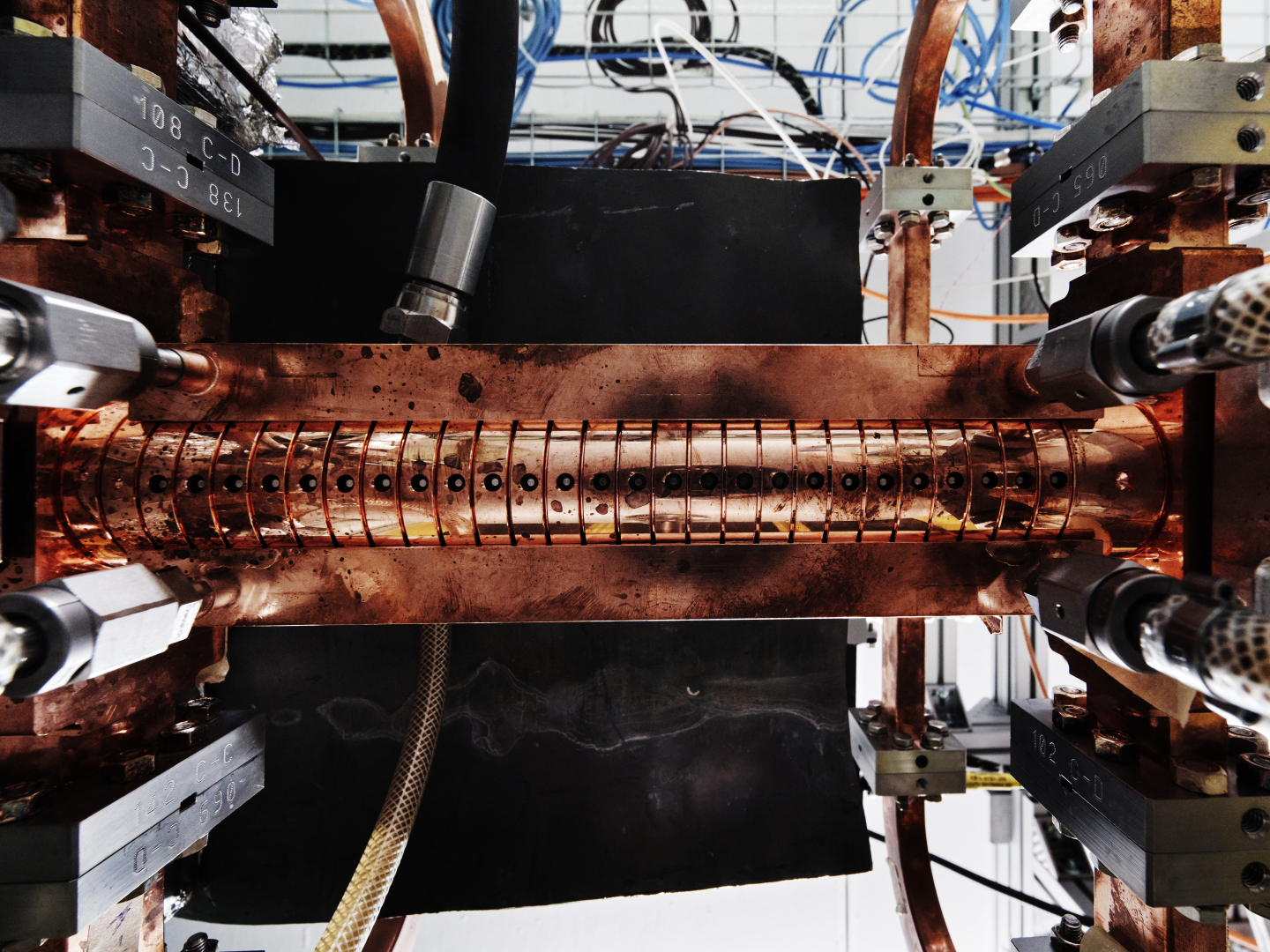
Development of accelerating structures for a FLASH radiation facility
Development of accelerating structures for a FLASH radiation facility | CERN collaborates with CHUV (Lausanne) on the design of an innovative clinical FLASH radiation therapy facility. The baseline design is nearly complete and a Conceptual Design Report (CDR) is being written. With the feasibility of the baseline design established, the priority for the design effort
-
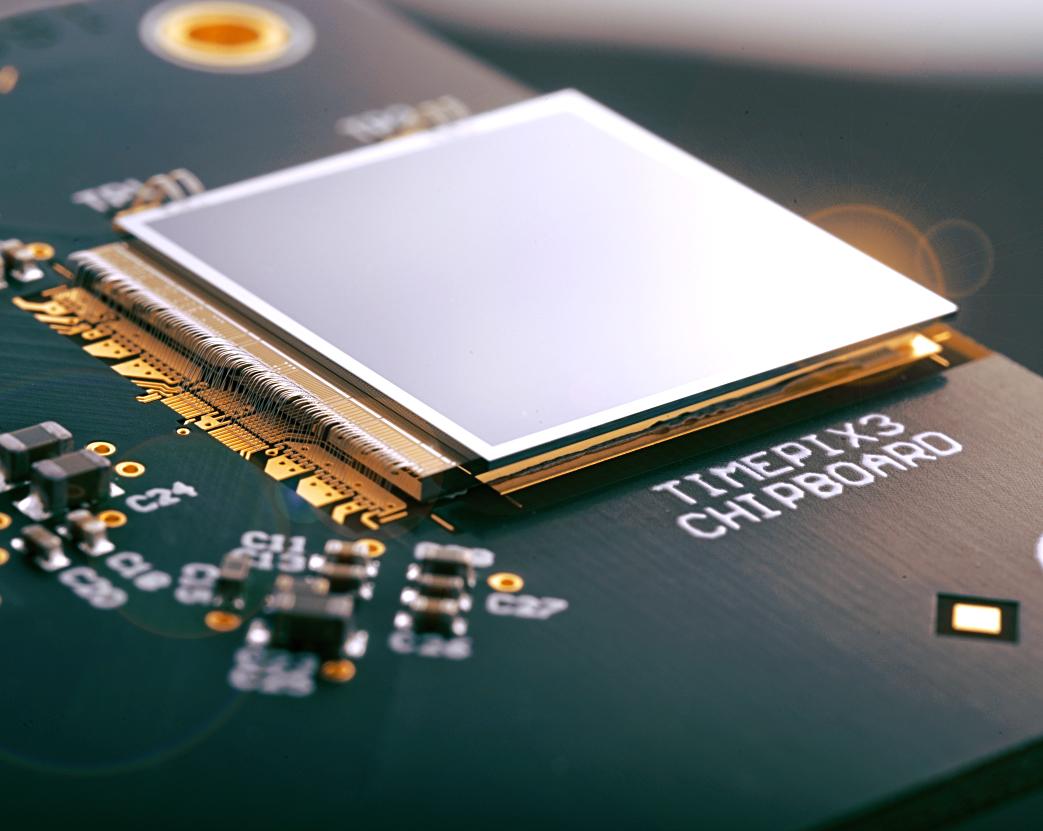
Development of a non-destructive beam monitor based on Timepix3 for particle therapy (BGI)
Development of a non-destructive beam monitor based on Timepix3 for particle therapy (BGI) | Beam instrumentation at a particle therapy facility is vital to ensure optimal dose delivery to the patient. An ideal beam monitor would operate continuously during the beam delivery, being completely transparent to the beam and sample beam parameters with sufficient frequency
-
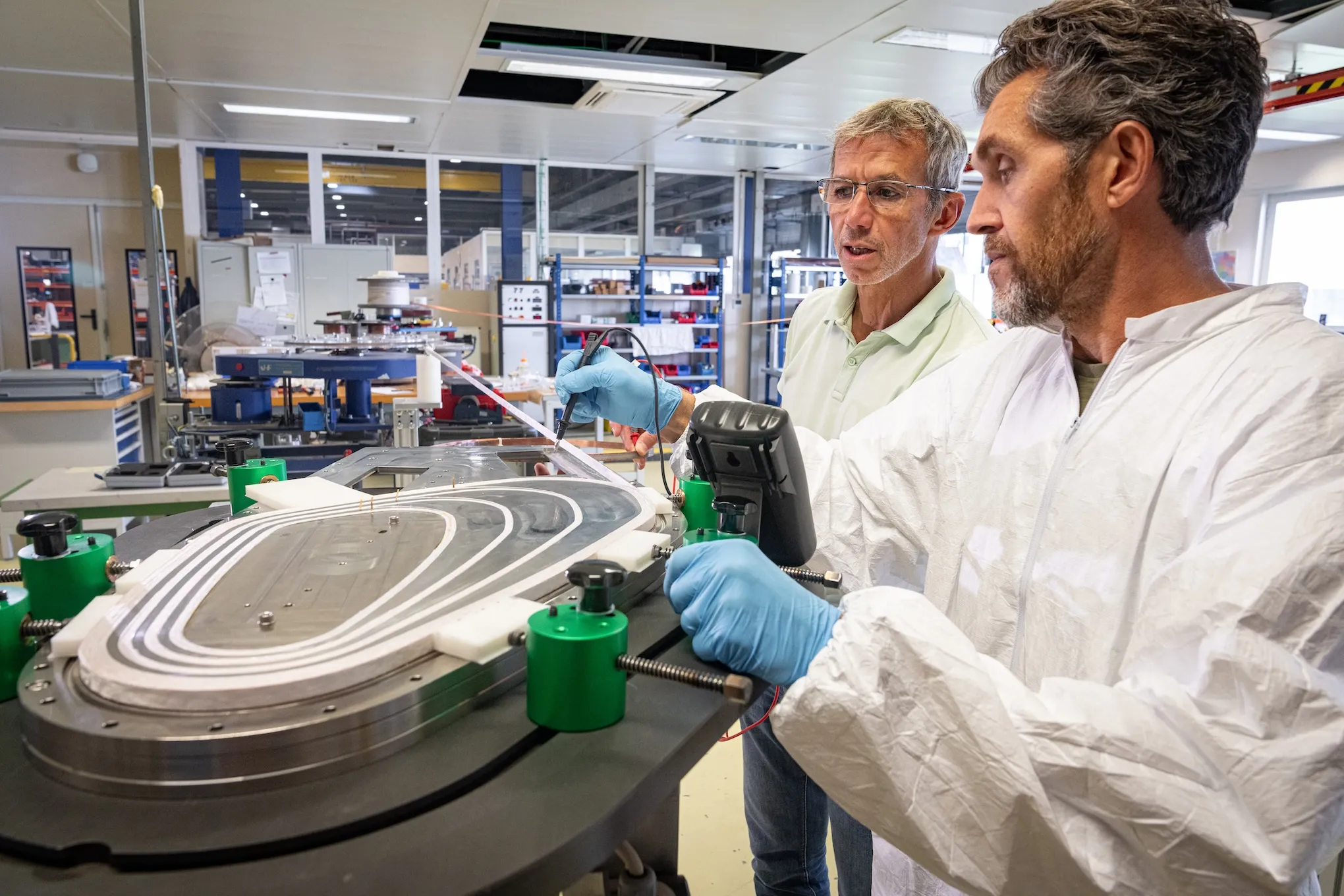
Design and prototyping of HTS magnets for medical gantry applications (GaToroid)
Design and prototyping of HTS magnets for medical gantry applications (GaToroid) | GaToroid is an innovative gantry design based upon a toroidal magnet concept, which eliminates the need to rotate the structure. The gantry comprises a set of discrete superconducting coils constituting the toroidal magnet, and a bending device at the entrance of the structure. By
-

Controlling high RF power at higher frequencies (SolidWatts)
Controlling high RF power at higher frequencies (SolidWatts) | The project develops an RF power source using injection-locked magnetrons, aiming to deliver a stable, controllable, and efficient alternative to conventional RF generators. The work is organised in phases: first demonstrating injection locking of a single magnetron, then combining two synchronised units with low-level RF control.
-
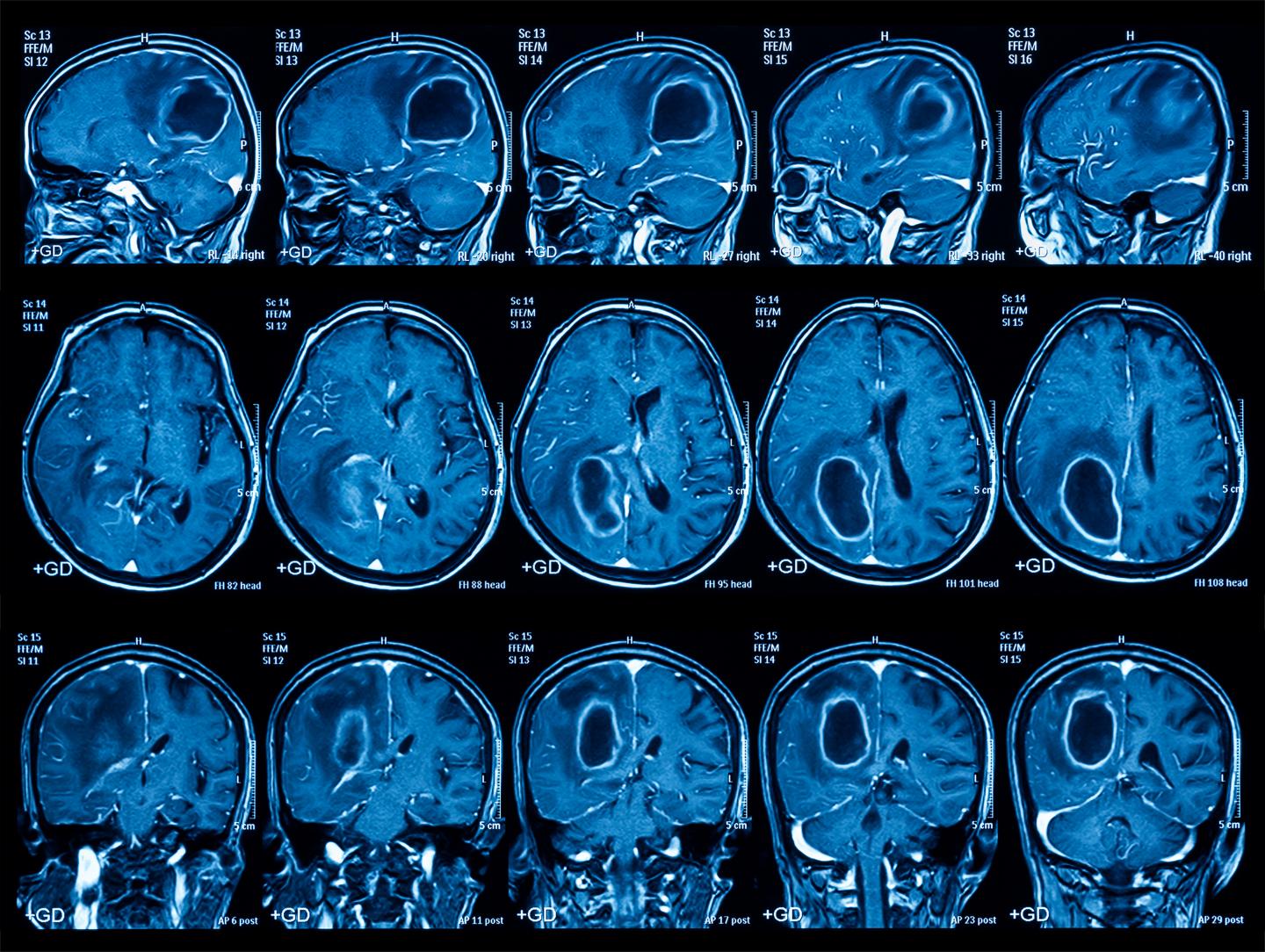
Computing Resources for medical applications
Computing Resources for medical applications | We propose to fund computing and storage resources independently from individual projects by using a small fraction of the yearly Medical Applications material budget. Projects would still be required to be approved via the agreed process. Given the current level of seed budget allocated to the Medical Applications activities, we
-
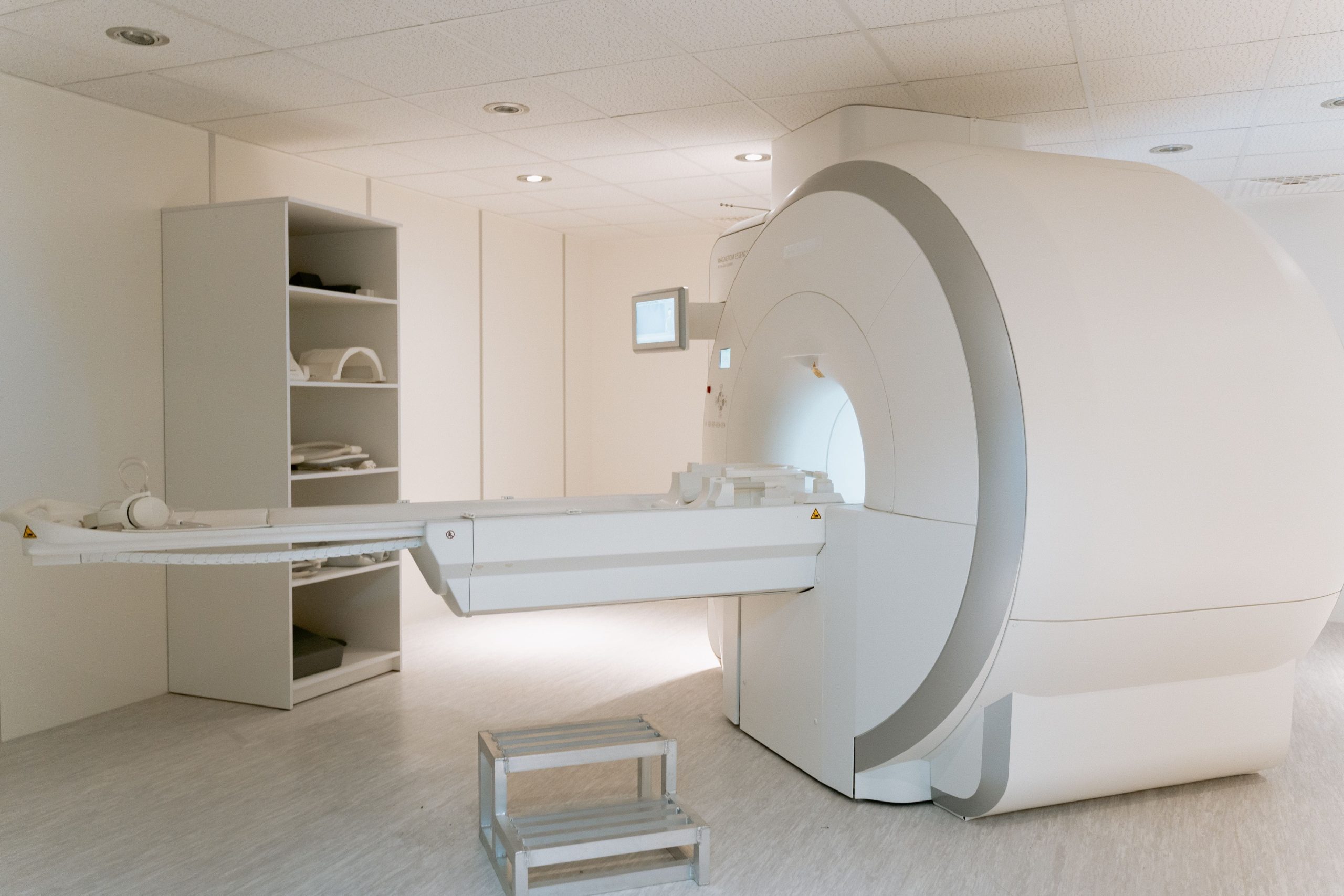
Compact, light, fast trimmable magnets for medical accelerators
Compact, light, fast trimmable magnets for medical accelerators | The aim of this project is to produce a prototype magnet in order to demonstrate the feasibility of a new generation of compact, and therefore less expensive, medical gantries for cancer particle therapy. The study on this magnet was tailored to particle-therapy machines designed by the
-
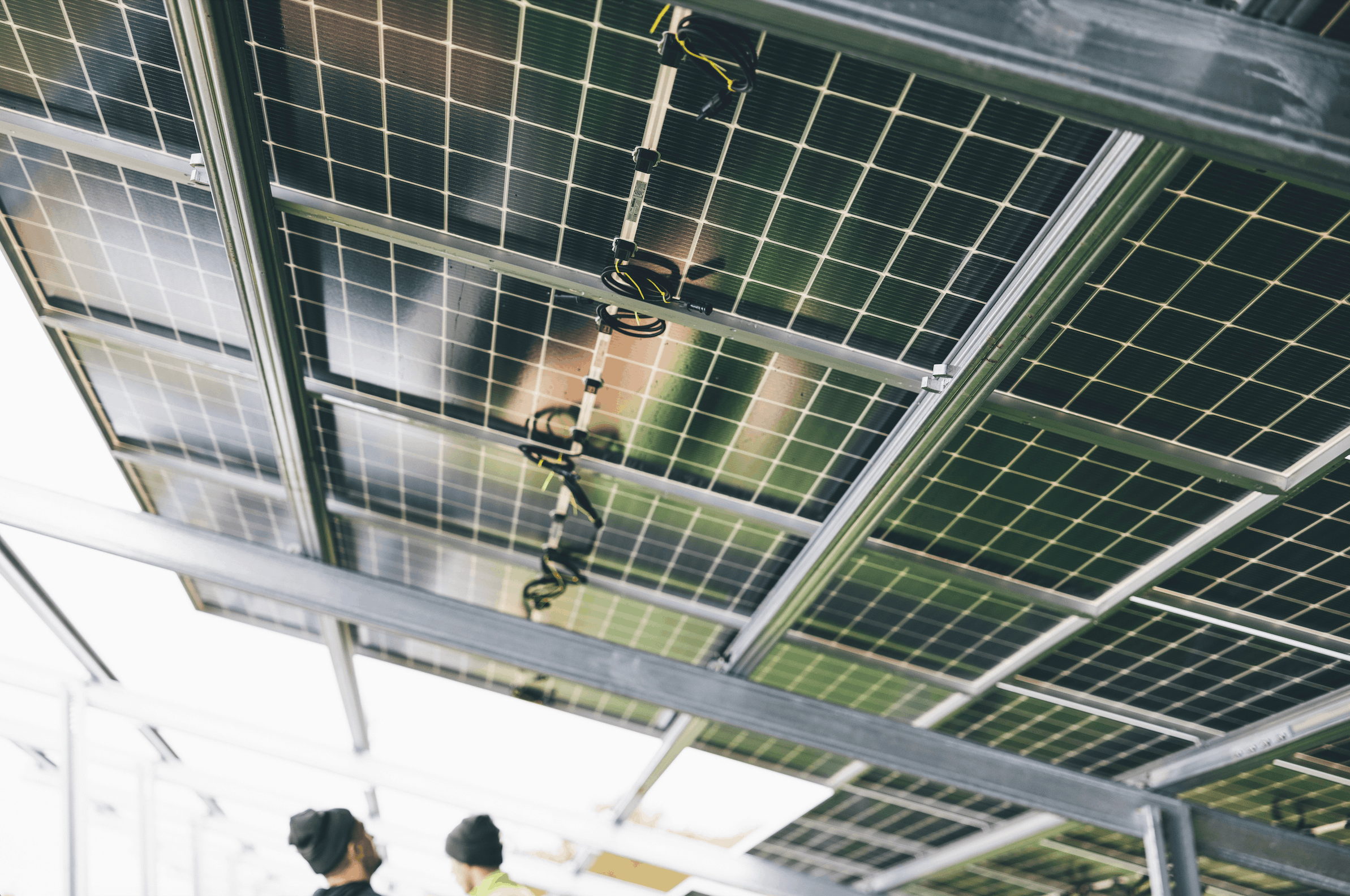
Compact and low-cost light simulator for indoor photovoltaic cells development (ALPHA)
Compact and low-cost light simulator for indoor photovoltaic cells development (ALPHA) | The project integrates CERN’s ACCURATE ultra-low current measurement ASIC into Lightricity’s Lightbox, a portable indoor light simulator for testing PV-powered devices. This upgrade replaces the need for bulky, expensive source meters, enabling compact and low-cost performance evaluation of energy-harvesting components and IoT devices
-
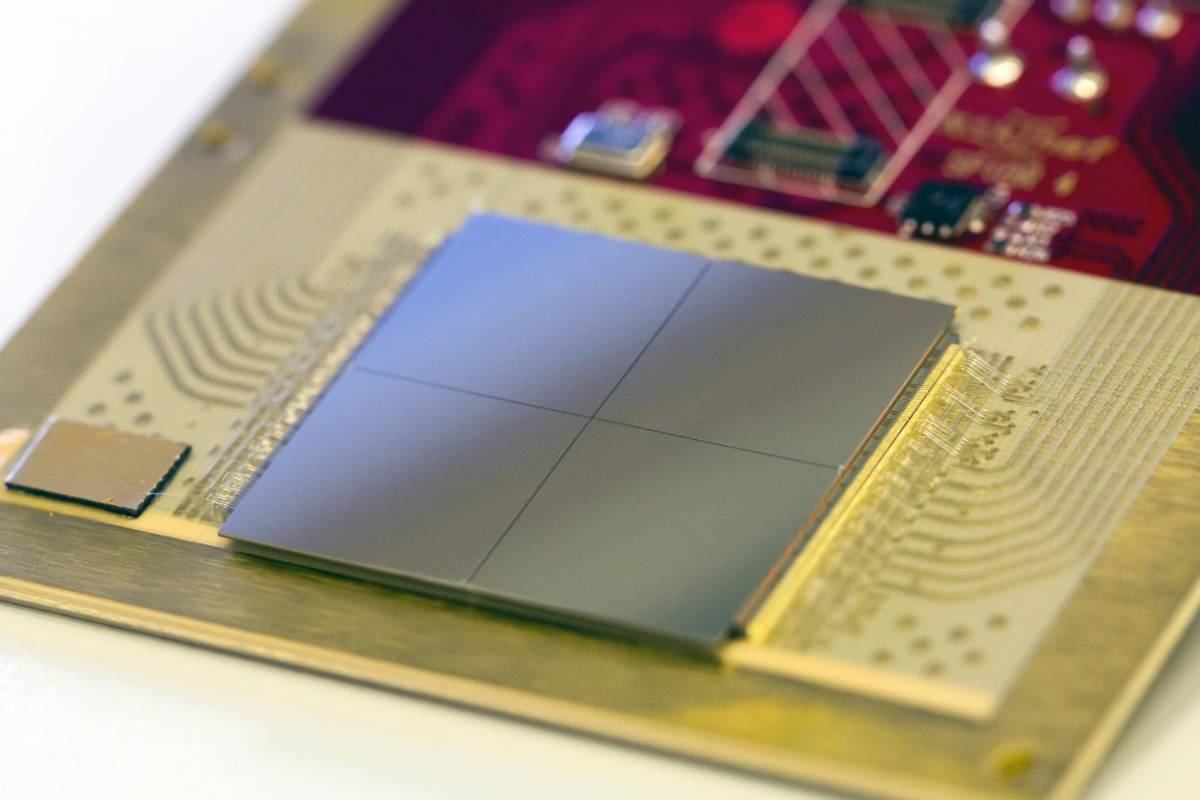
Characterisation of the Timepix4 for measurements in hospital theatres.
Characterisation of the Timepix4 for measurements in hospital theatres. | Builds on the work jointly done by CERN and at the Lausanne University Hospital (CHUV) in a previous MA-funded project, which used the photon counting Timepix3 detector as a tool for radiation field characterisation. The goal of this new project is to use Timepix4 to
-
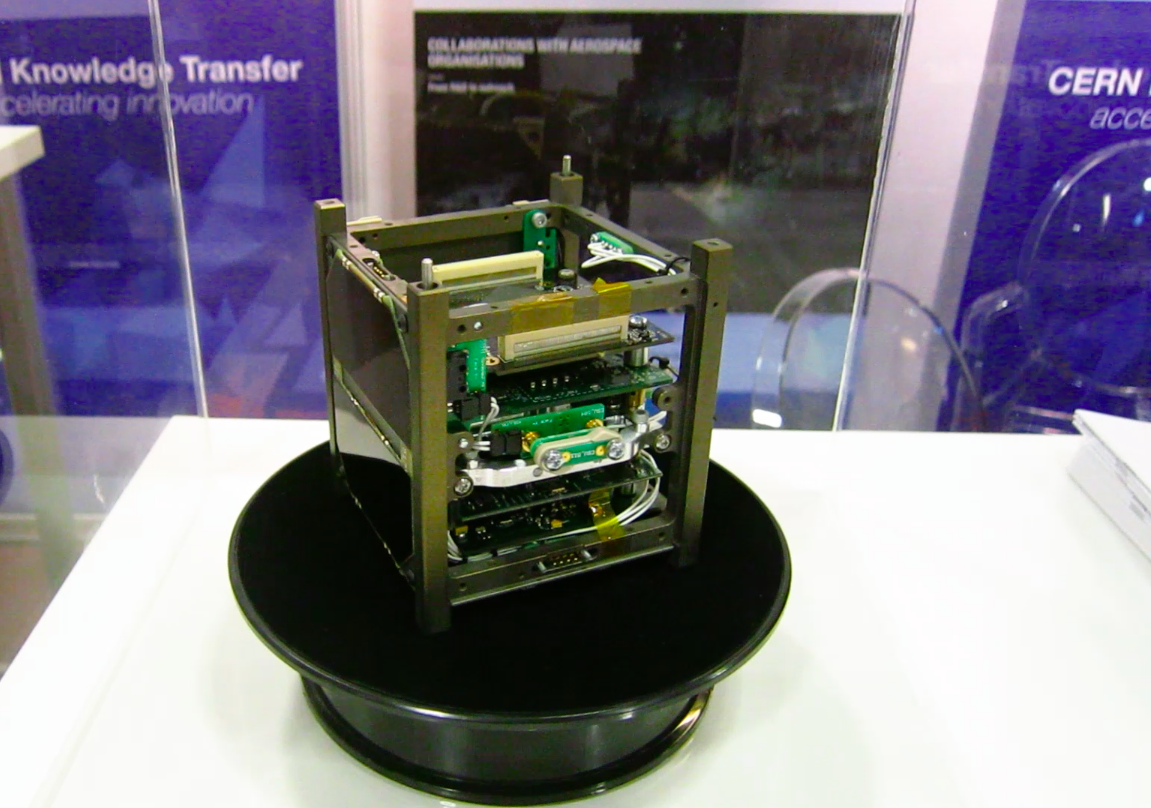
Celesta – A CubeSat Demonstrator for RadMon and CHARM applications
Celesta – A CubeSat Demonstrator for RadMon and CHARM applications | A Cubesat is a miniaturized satellite that typically uses commercial off the shelf components for its electronics. They are being increasingly attractive for small budget space science missions, especially in the context of universities, although commercial applications become more and more frequent. Radiation qualification
-
CAiMIRA
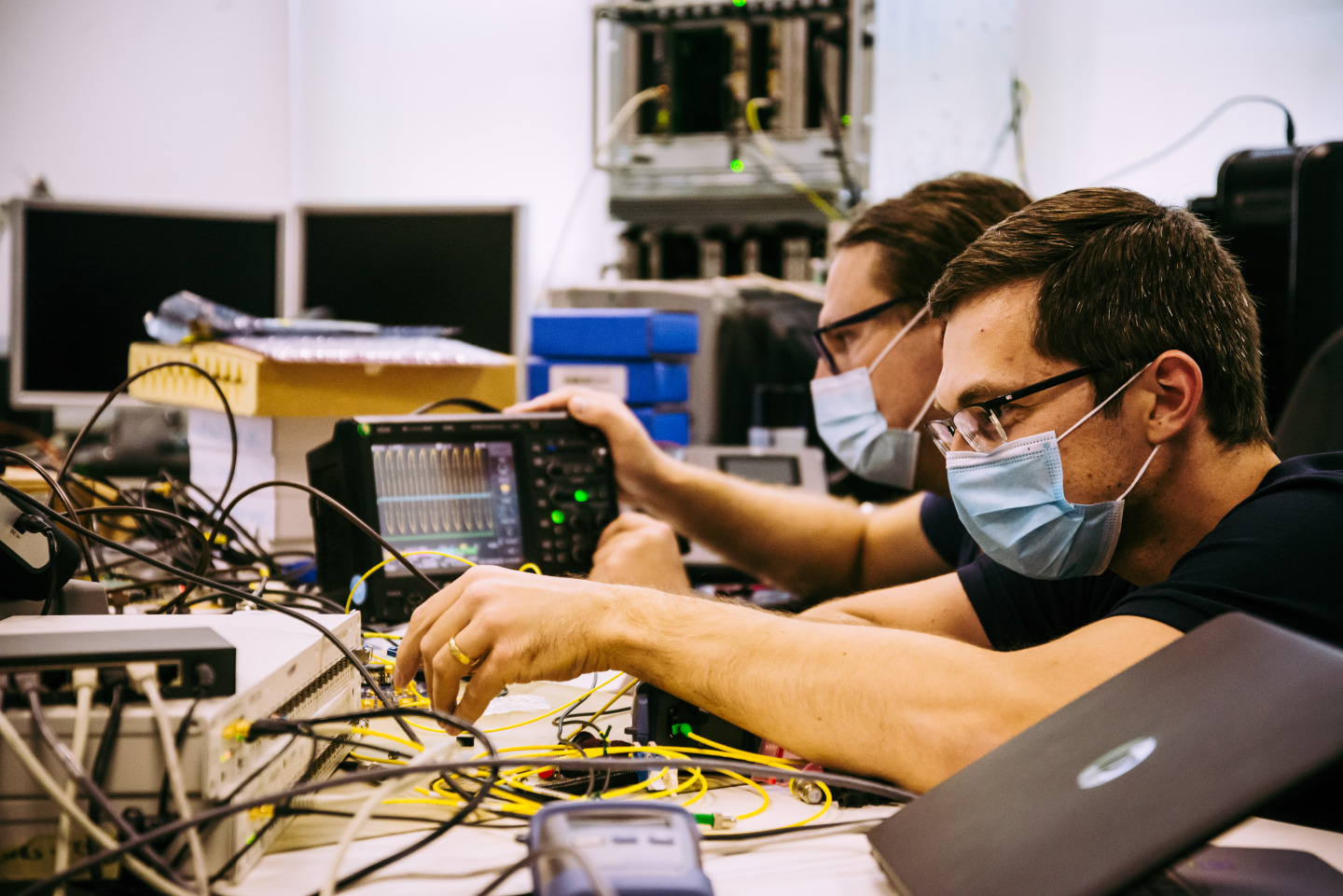
CAiMIRA | CAiMIRA (formerly CARA) is a risk assessment tool which models the airborne transmission of viruses, such as SARS-CoV-2, and can estimate the concentration of viruses in enclosed spaces to aid space-management decisions. In collaboration with WHO, the project aims at expanding the CAiMIRA technology (new interface, improvements of the model, automatised inclusion of new literature)
-
CAFEIN – Federated network platform for the development and deployment of AI based analysis and prediction models
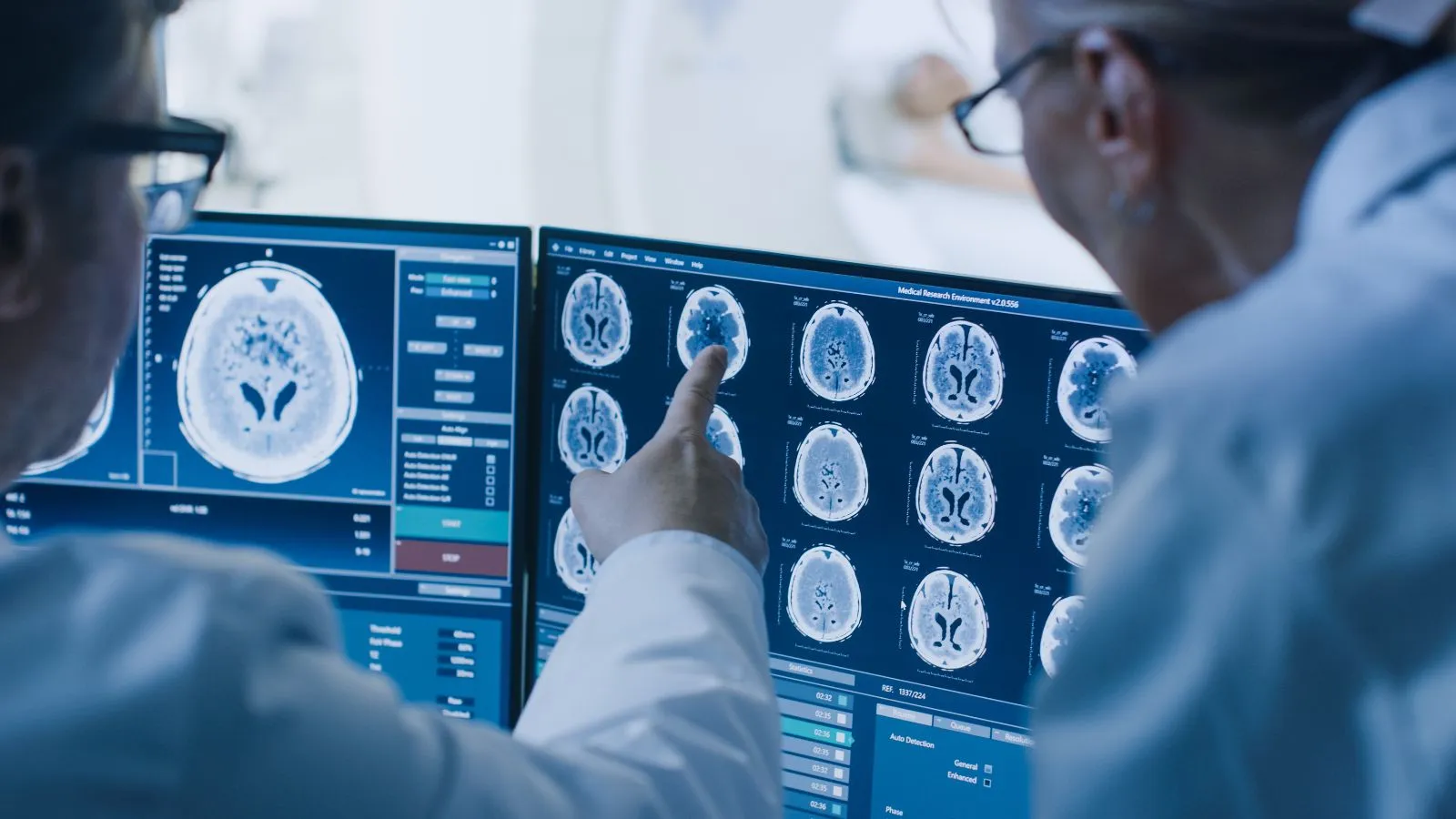
CAFEIN – Federated network platform for the development and deployment of AI based analysis and prediction models | A novel AI-based tool to assist clinicians, patients and caregivers in the analysis, diagnosis and prognosis of diseases based on the integration of clinical and patient data over a Federated Learning (FL) infrastructure developed and hosted by
-

Additive manufacturing techniques using copper and niobium
Additive manufacturing techniques using copper and niobium | Additive manufacturing is a rapidly growing field that offers benefits to many application domains, including parts for the LHC. The aim of this project is to advance with identified academic and industrial partners on the development of additive manufacturing with copper and niobium and maximize exploitation. Glow-discharge
-
A novel AI-based tool deployed via a federated learning platform to assist in the screening, diagnosis, prevention and therapy evaluation of breast and prostate cancer (CAFEIN2)
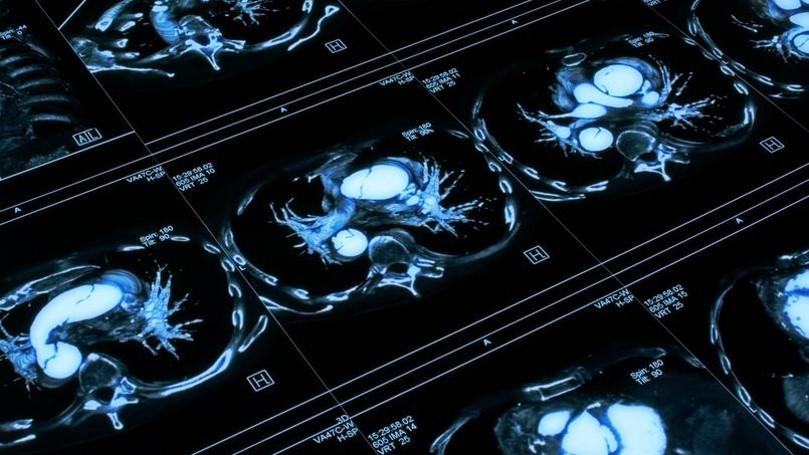
A novel AI-based tool deployed via a federated learning platform to assist in the screening, diagnosis, prevention and therapy evaluation of breast and prostate cancer (CAFEIN2) | The unmet clinical need raised by IARC (the International Agency for Research on Cancer of WHO): developing data-driven algorithms based on medical data, diet, nutrition, lifestyle and environmental
-

A non-destructive laser application for quality control & radiation studies in semiconductor devices
A non-destructive laser application for quality control & radiation studies in semiconductor devices | The project aims to develop a method and platform to extract doping and electric field profiles within semiconductor devices by non-destructive femtosecond laser induced Two-Photon Absorption. Several fields could benefit from this development, amongst them Quality Control & Assurance of semiconductor devices, E-Field and
-
A highly selective, high-flux mass separator for Medical Applications
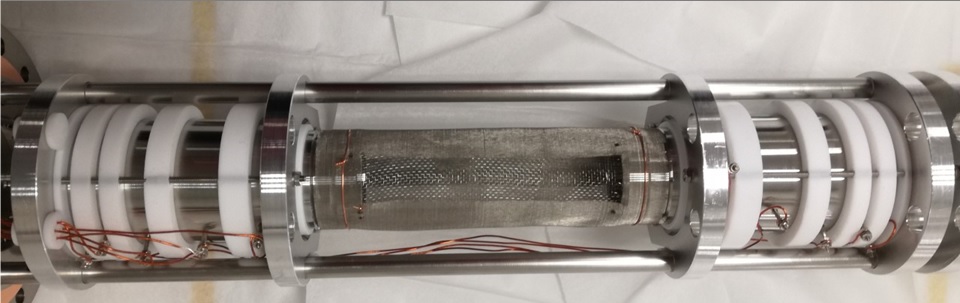
A highly selective, high-flux mass separator for Medical Applications | This project aims at developing a new device for fast mass separation of radioisotopes, in combination with a laser spectroscopy device developed in the frame of an ERC project. These high fluxes of radioisotopes would be useful for medical use (e.g. Terbium), solid state material
-
SF6-free S-band circulator for photo injectors
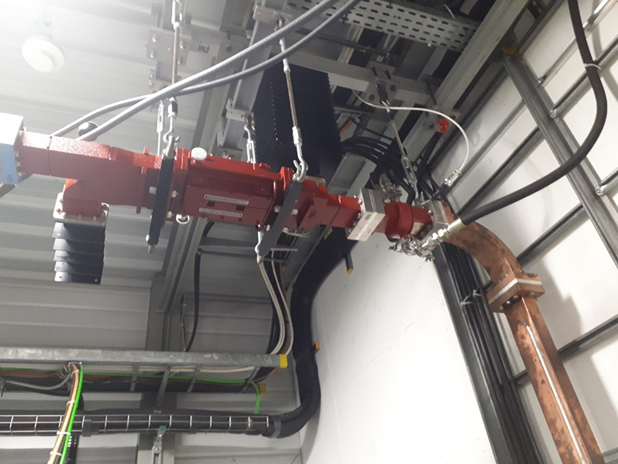
SF6-free S-band circulator for photo injectors | SF6 is a highly polluting greenhouse gas used in high-power waveguide circulators, which are key Radio-Frequency devices used in particle accelerators, whether for particle physics or medical purposes. The goal of the project is to remove the need for SF6 in one of two ways: developing a circulator able
-
IGLUNA: Building a demonstrator moon habitat in Zermatt
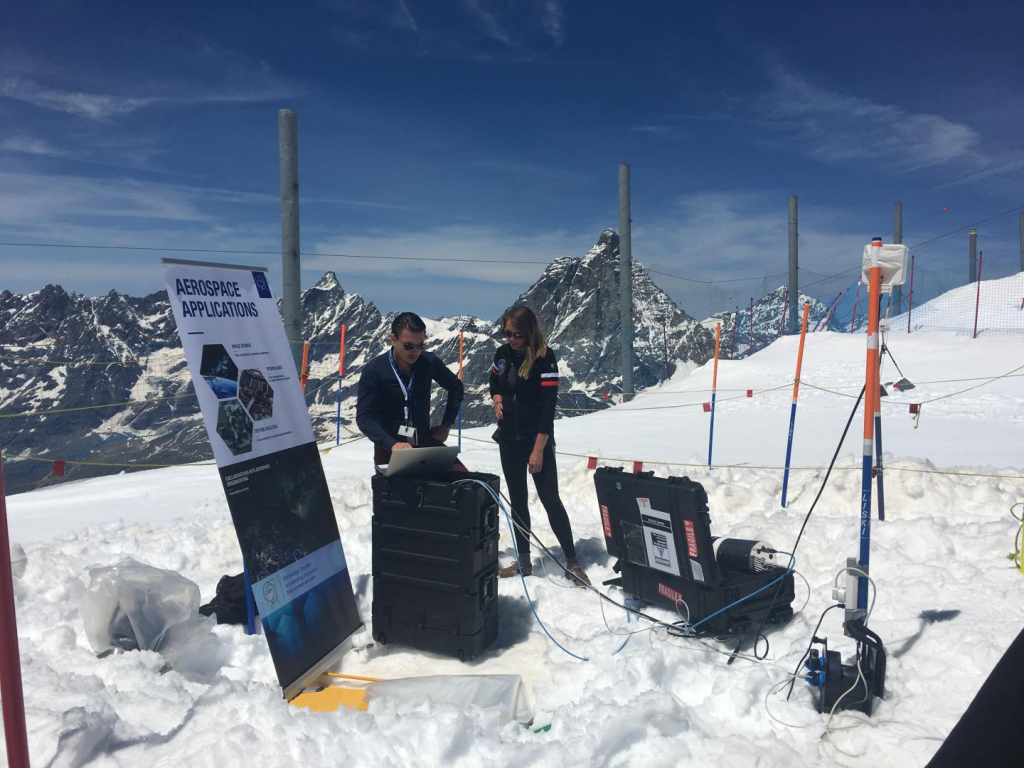
IGLUNA | Building a demonstrator moon habitat in Zermatt IGLUNA is an educational project aimed at investigating the realisation of a human habitat on the moon. 18 student teams from all over Europe, coordinated by the Swiss Space Center, built several technology demonstrators for this habitat and tested them in June 2019 in the extreme
-
HTS Demonstrator Magnet for Space (HDMS)
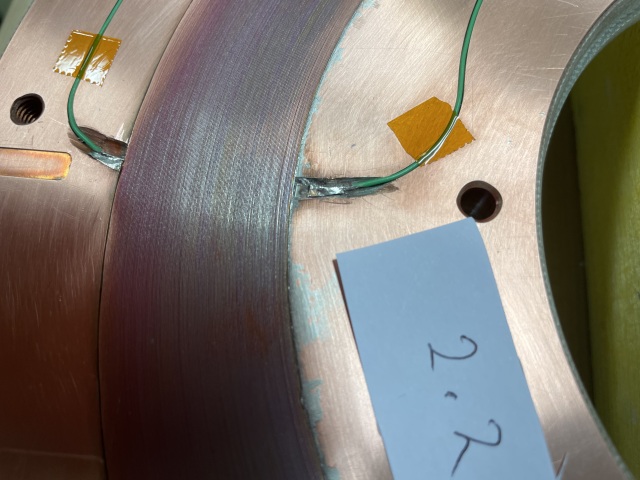
HTS Demonstrator Magnet for Space (HDMS) | Towards the first superconducting magnet in space In space, high-field superconducting magnets based on high temperature superconductive (HTS) materials can have several promising applications: from very high resolution astroparticle spectrometry, to active shielding to protect astronauts from harmful radiation, and even debris removal. One leading project in this
-
CELESTA
CELESTA | CELESTA, the first CERN technology demonstrator in space On 13 July 2022, CELESTA, the first CERN-driven satellite, successfully entered orbit during the maiden flight of Europe’s Vega-C launch vehicle. Weighing one kilogram and measuring 10 centimetres on each of its sides, CELESTA (CERN latchup and radmon experiment student satellite) is a 1U CubeSat
-
IoT-Enabled Stroke Patient Monitoring and Therapy Evaluation through AI Federated Learning
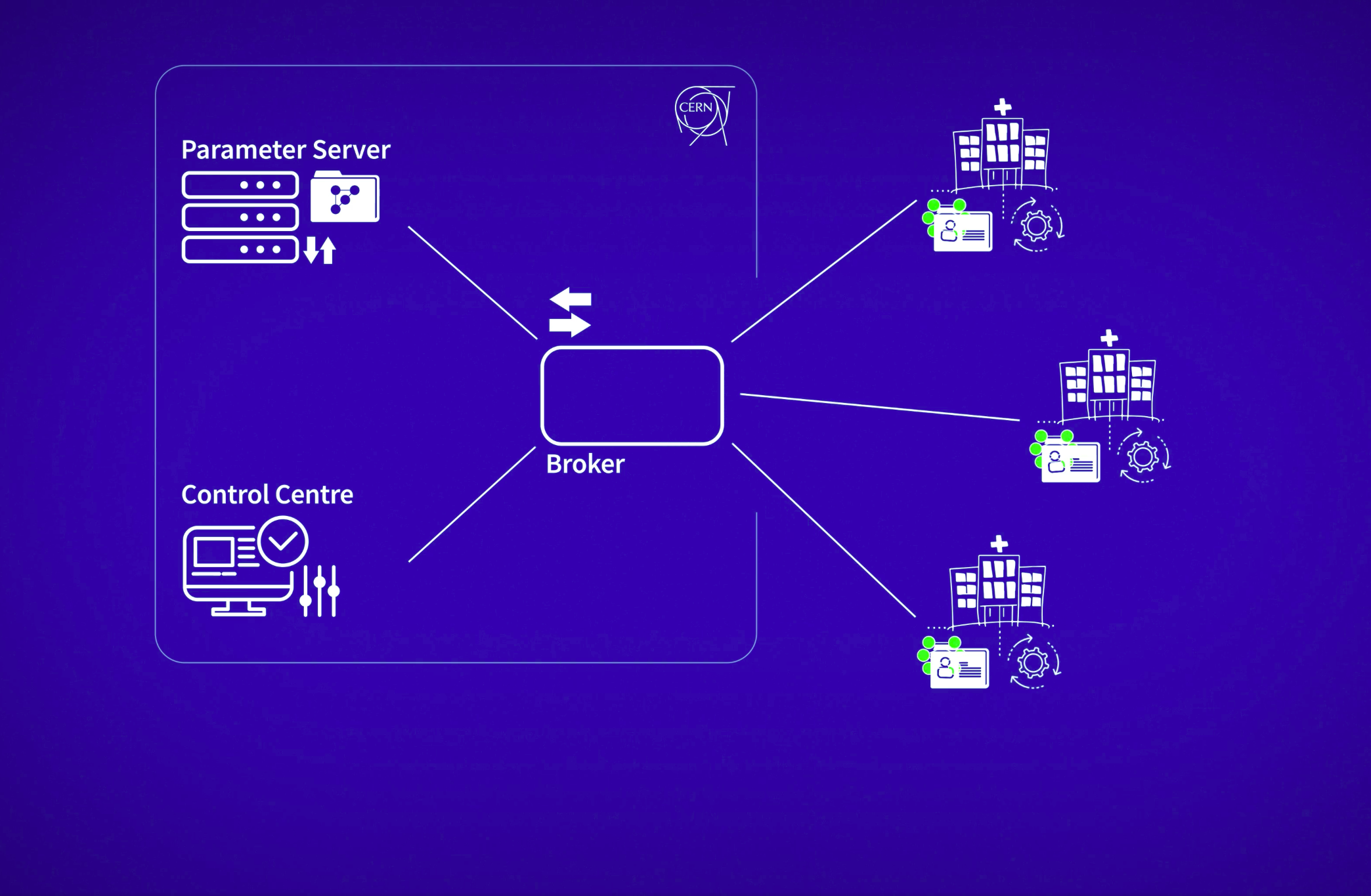
IoT-Enabled Stroke Patient Monitoring and Therapy Evaluation through AI Federated Learning | Federated learning is regarded as a viable method for implementing innovative healthcare applications without exchanging raw data. CERN has successfully designed, developed, and implemented a Federated Learning (FL) Platform through the CAFEIN Project, financed by the MA budget. A final step towards fully
-
A readout ASIC for fast detectors with Time-to-To Digital conversion
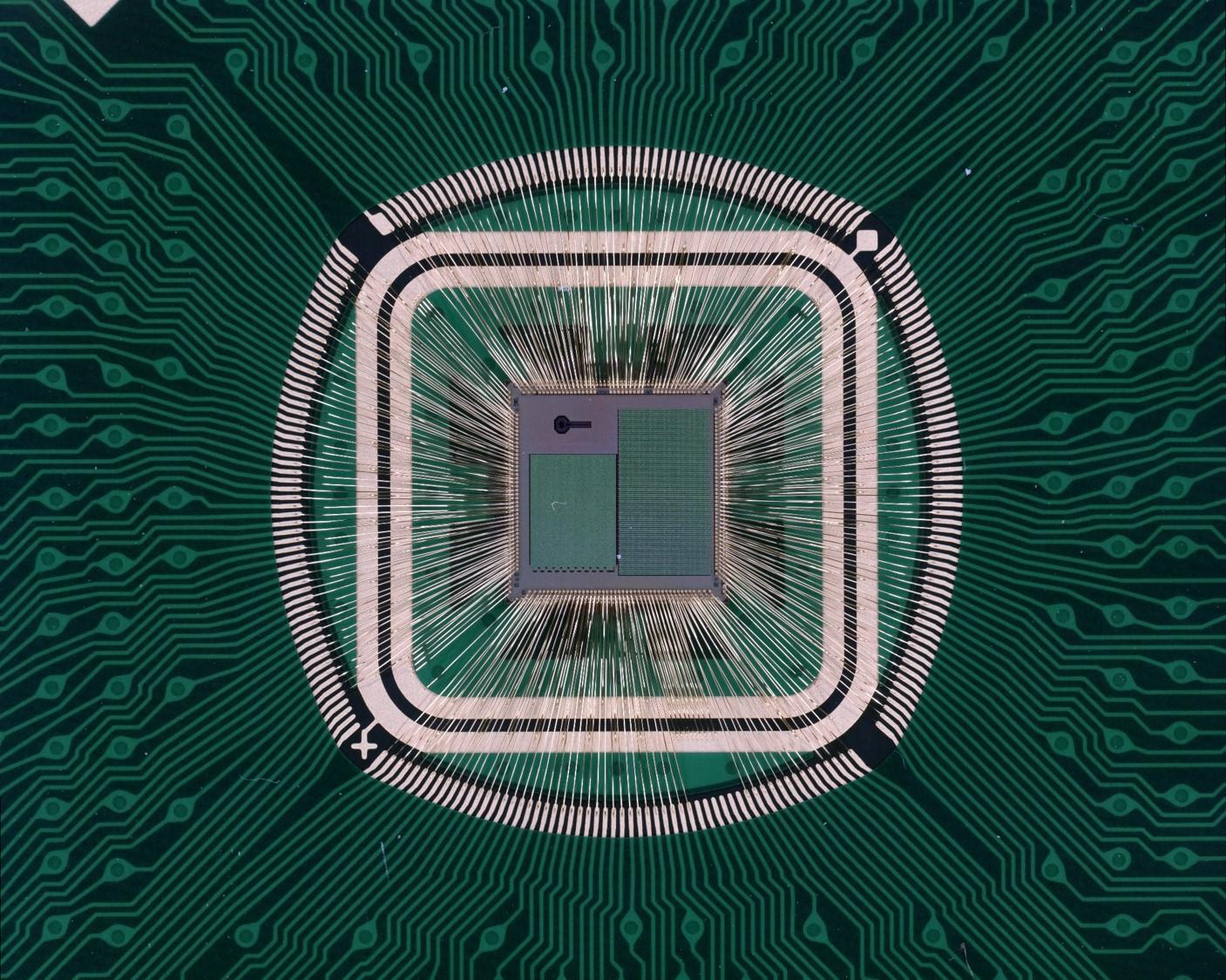
A readout ASIC for fast detectors with Time-to-To Digital conversion | This project seeks to develop a multichannel readout ASIC with each channel incorporating a fast front-end and timestamping (using a Time to Digital converter or TDC) with a time bin of 20 ps. It builds on experience already gained with the FastIC, an 8