
Category: Case Study
-
Overview of Medipix
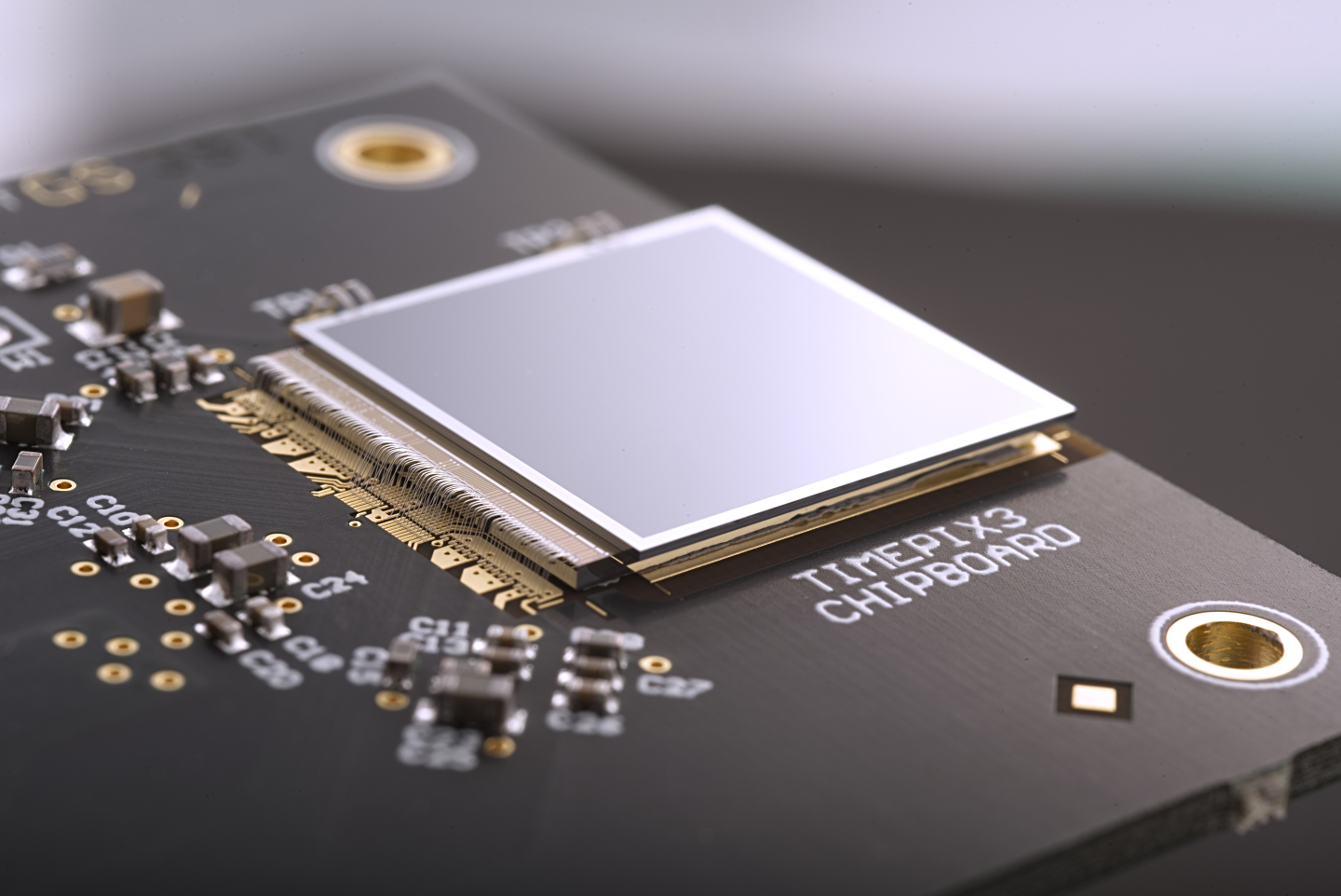
Overview of Medipix | A family of pixel detector read-out chips for particle imaging and detection developed by the Medipix Collaborations The family of Medipix and Timepix read-out chips represents one of CERN’s most successful technology-transfer cases. Developed with the support of four successive Medipix Collaborations involving a total of 37 research institutes, the technology is inspired
-
NIMMS – compact and cost-effective ion-therapy facilities
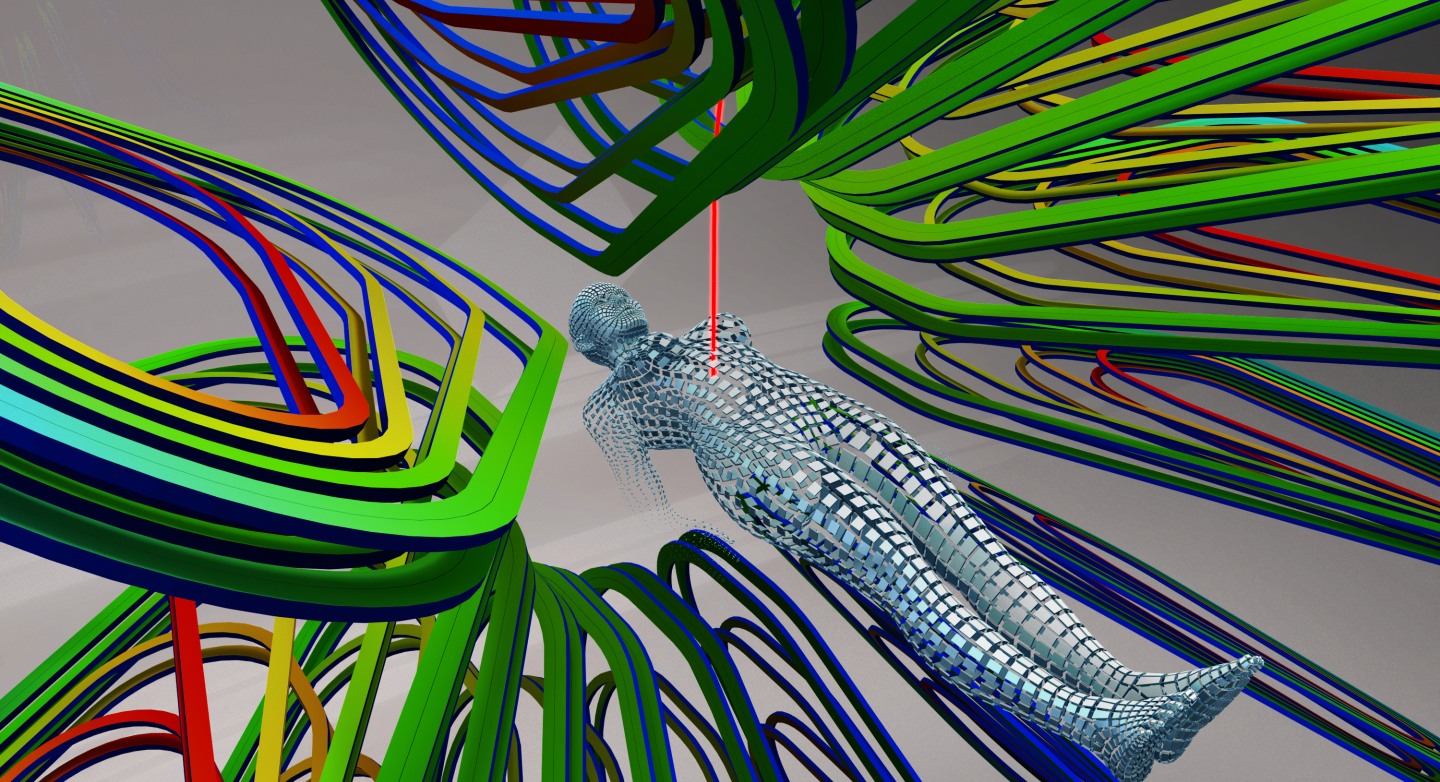
NIMMS – compact and cost-effective ion-therapy facilities | CERN has been actively transferring its technologies to radiotherapy for decades. In 2019, CERN launched the Next Ion Medical Machine Study (NIMMS) to develop cutting-edge accelerator technologies for a new generation of compact and cost-effective ion-therapy facilities. The goal being to propel the use of ion therapy, which uses carbon and
-
Digital Technology for Health
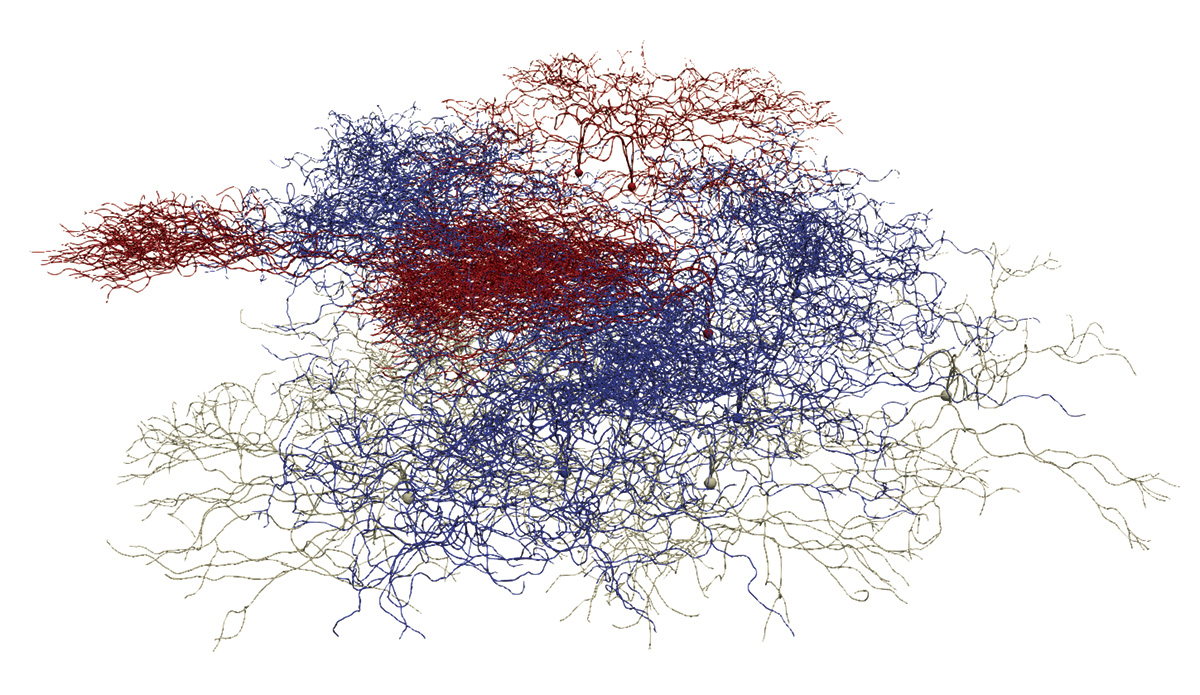
Digital Technology for Health | From physics simulation tools to biomedical applications The expertise of particle physicists in data handling and simulation tools are also increasingly finding applications in the biomedical field. The FLUKA and Geant4 simulation toolkits, for example, are being used in several applications, from detector modelling to treatment planning. Recently, CERN contributed its know-how in large-scale
-
Timepix in space since 2012
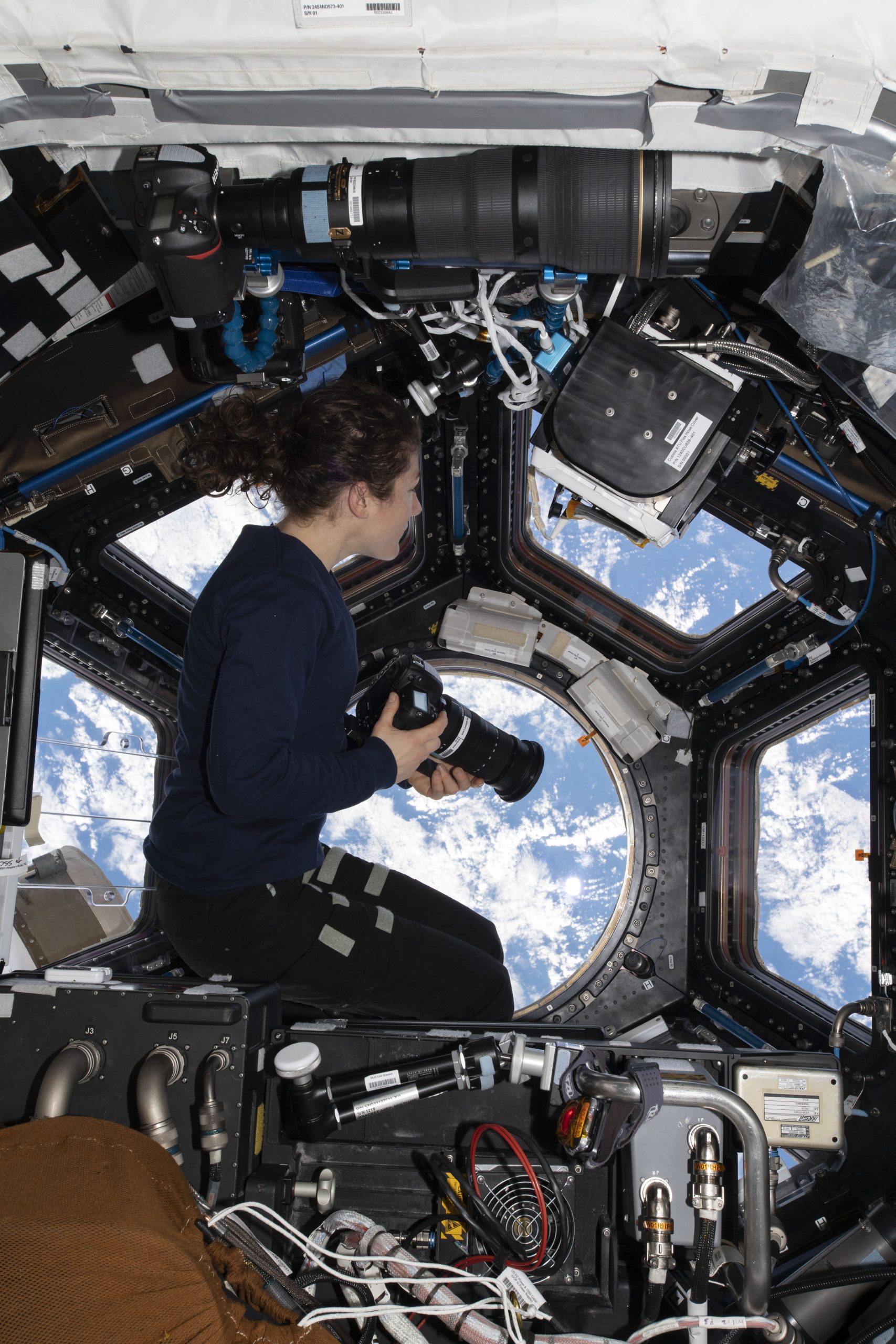
Timepix in space since 2012 | The reference detector for astronaut dosimetry and low-energy cosmic rays The new phase of human space exploration is coming. From the International Space Station to NASA’s Orion spacecraft, Timepix has been part of several human spaceflight missions. Highly sensitive, capable of high spatial resolution and noiseless detection, Timepix is the CERN
-
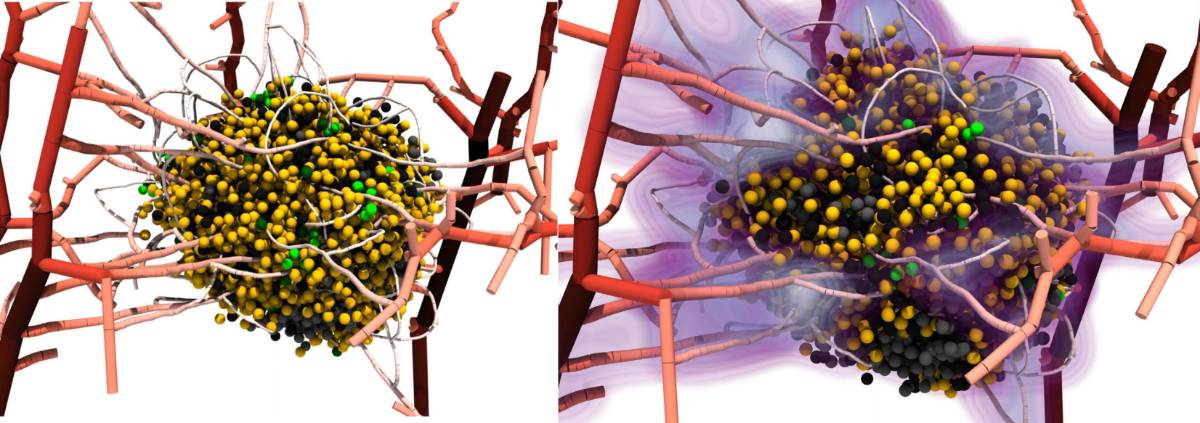
BioDynaMo: cutting-edge software helps battle cancer
BioDynaMo: cutting-edge software helps battle cancer | A novel mathematical model developed as part of the BioDynaMo project, born from CERN openlab, mimics vascular tumour growth in breast cancer and its response to treatment Choosing the right cancer treatment is a massive undertaking involving multiple stages, high experimental complexity and significant costs. Currently, two main
-
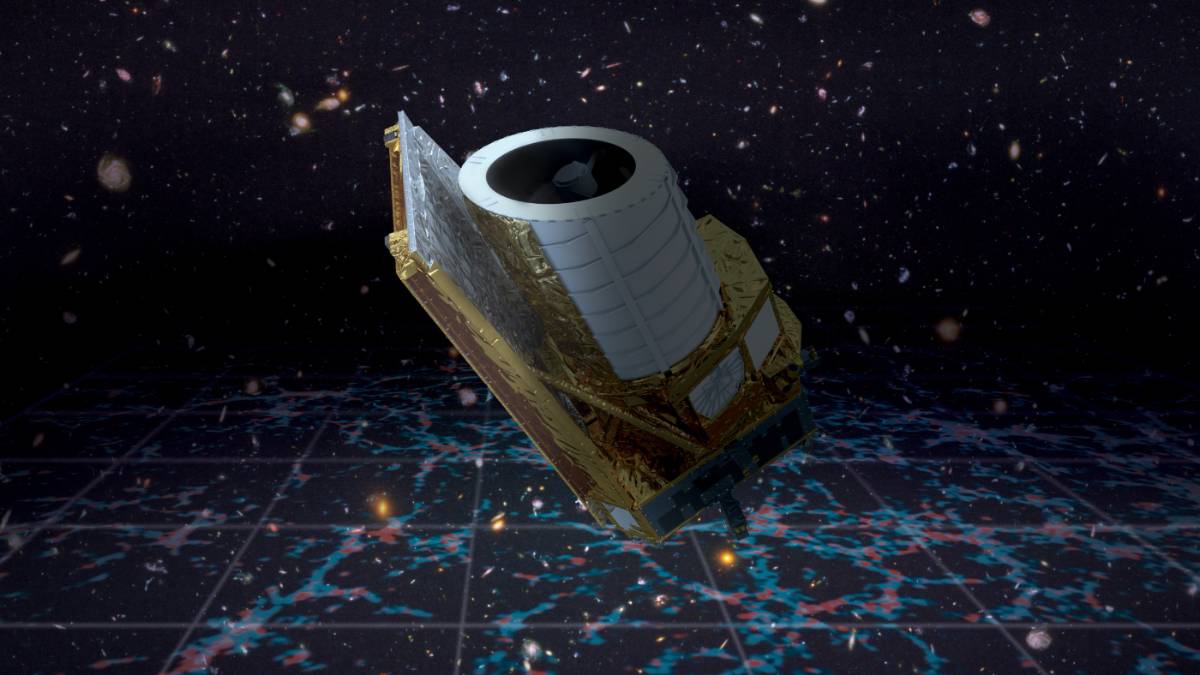
CERN tech to help investigate the dark universe
CERN tech to help investigate the dark universe ESA’s recently launched Euclid telescope will rely on CERN software and computing infrastructure to help it map the effects of dark matter and dark energy on the Universe Today, at exactly 17.11 CEST, the European Space Agency’s newest mission was launched in a SpaceX Falcon 9 rocket
-
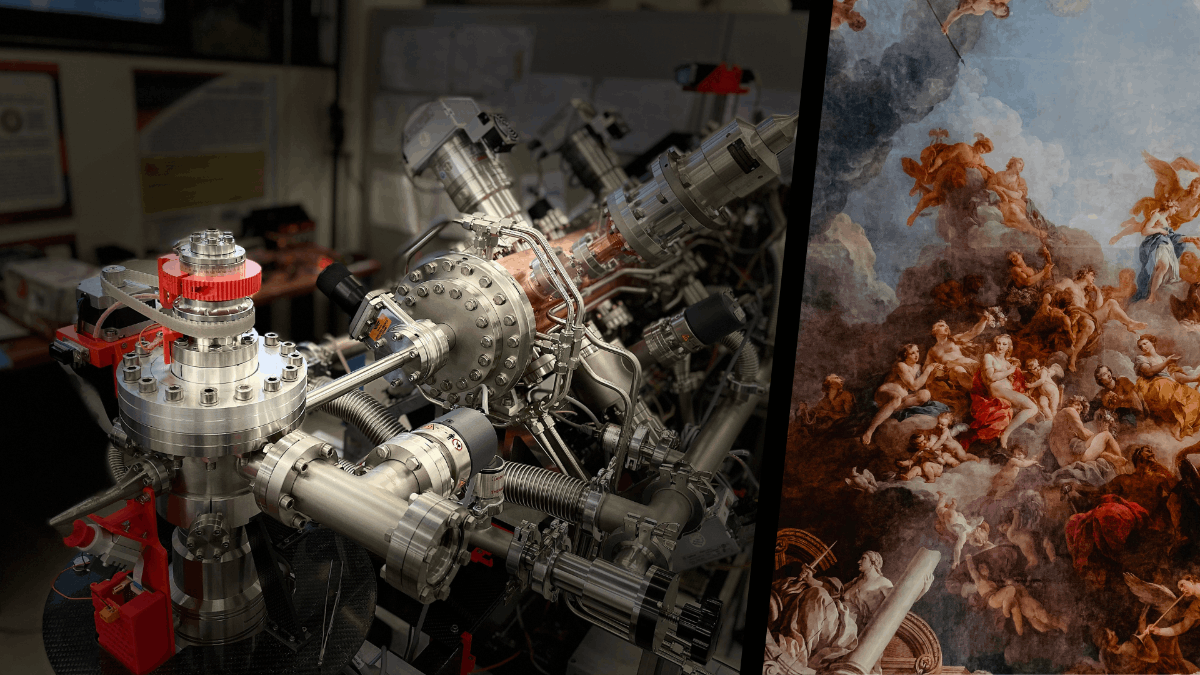
New compact accelerator to help preserve heritage artworks
New compact accelerator to help preserve heritage artworks | CERN and INFN have developed a compact, transportable accelerator for the non-destructive analysis of historical artifacts and artworks, providing a cheaper, more accessible method of analysing large or fragile items of this nature Beyond fundamental research, accelerators are well known for their contribution to the medical field,
-

From CERN to Jupiter: Juice embarks on its historic journey
From CERN to Jupiter: Juice embarks on its historic journey | Before embarking on its journey, critical components of ESA’s interplanetary mission were tested in the only facility on Earth capable of replicating Jupiter’s harsh radiative environment It is not only in the tunnels of CERN that we learn about the origin and composition of
-
Terapet SA secures over CHF 2,3 million to bring its first product to market and to accelerate development of new nuclear imaging products
Terapet SA secures over CHF 2,3 million to bring its first product to market and to accelerate development of new nuclear imaging products | This funding supports the commercialization of Terapet’s first product, Qualγscan and the development of new nuclear imaging products. Terapet, a privately held Swiss MedTech company developing next generation imaging technology, is
-
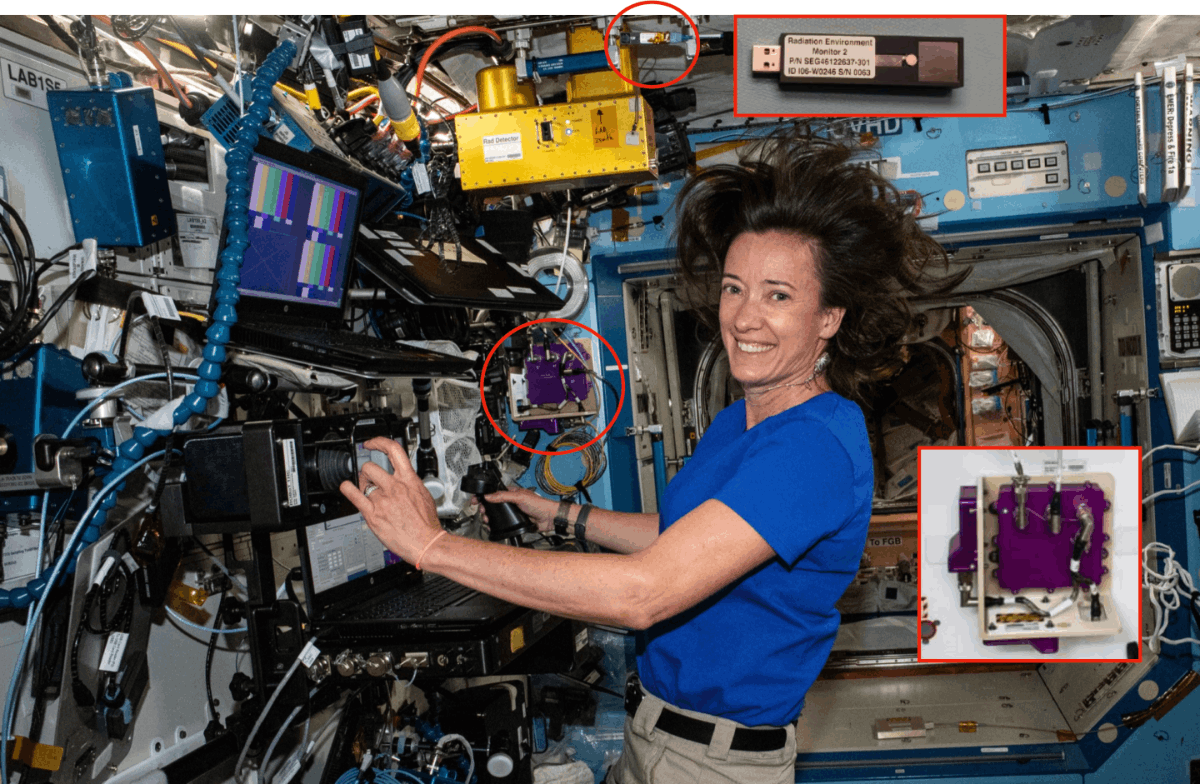
Timepix: from CERN’s galleries to the Moon
Timepix: from CERN to the Moon | The renowned Timepix detector celebrates its 10-year anniversary on the International Space Station by flying to the Moon: the chip features in NASA’s future lunar programme In July 1969, just a few days after the first Moon landing, CERN’s then Director-General, Bernard Gregory, sent the following message to
-
CERN tech in space: the first CERN-driven satellite has been successfully launched
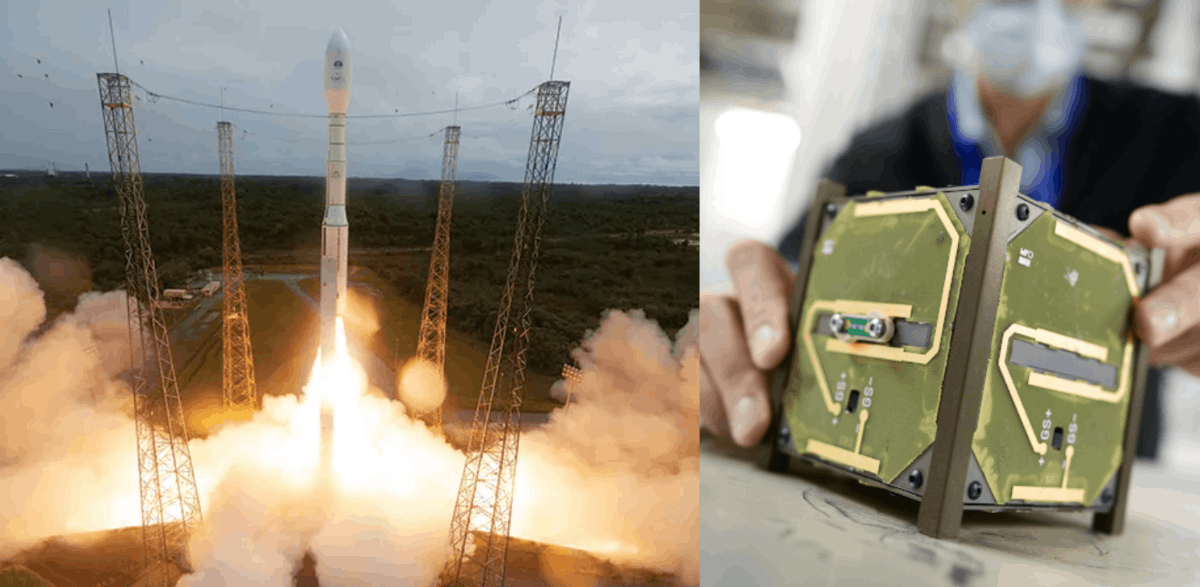
CERN tech in space: the first CERN-driven satellite has been successfully launched With the launch of the CELESTA satellite for radiation monitoring in space, CERN shows its expertise in the field of radiation effects on electronics CELESTA, the first CERN-driven satellite, successfully entered orbit during the maiden flight of Europe’s Vega-C launch vehicle. Launched by
-

CERN working with WHO to improve understanding of COVID-19 airborne transmission risk in indoor spaces
CERN working with WHO to improve understanding of COVID-19 airborne transmission risk in indoor spaces Editor update 13/3/23: Please note that since September 2022 CARA is now called CAiMIRA – CERN Airborne Model for Indoor Risk Assessment. As the response to the pandemic evolves and people step back into the office, it is necessary to
-
CERN-tested optical fibres now on the International Space Station
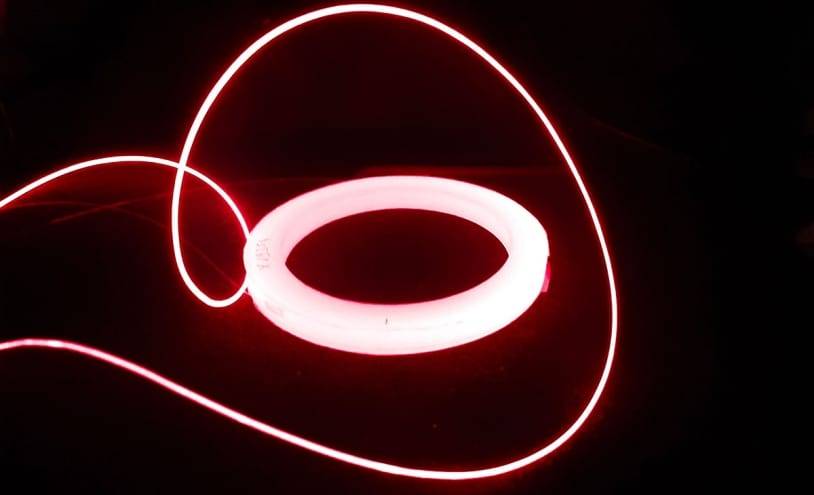
CERN-tested optical fibres now on the International Space Station | Astronaut Thomas Pesquet has activated Lumina, an optical fibre-based dosimetry experiment on board the International Space Station This article was originally published on home.cern. In a spacecraft, in order to protect both crew and electronics from radiation, it is mandatory to invest in effective radiation monitoring
-
First European hospital receives 3D colour X-ray scanner using CERN technology
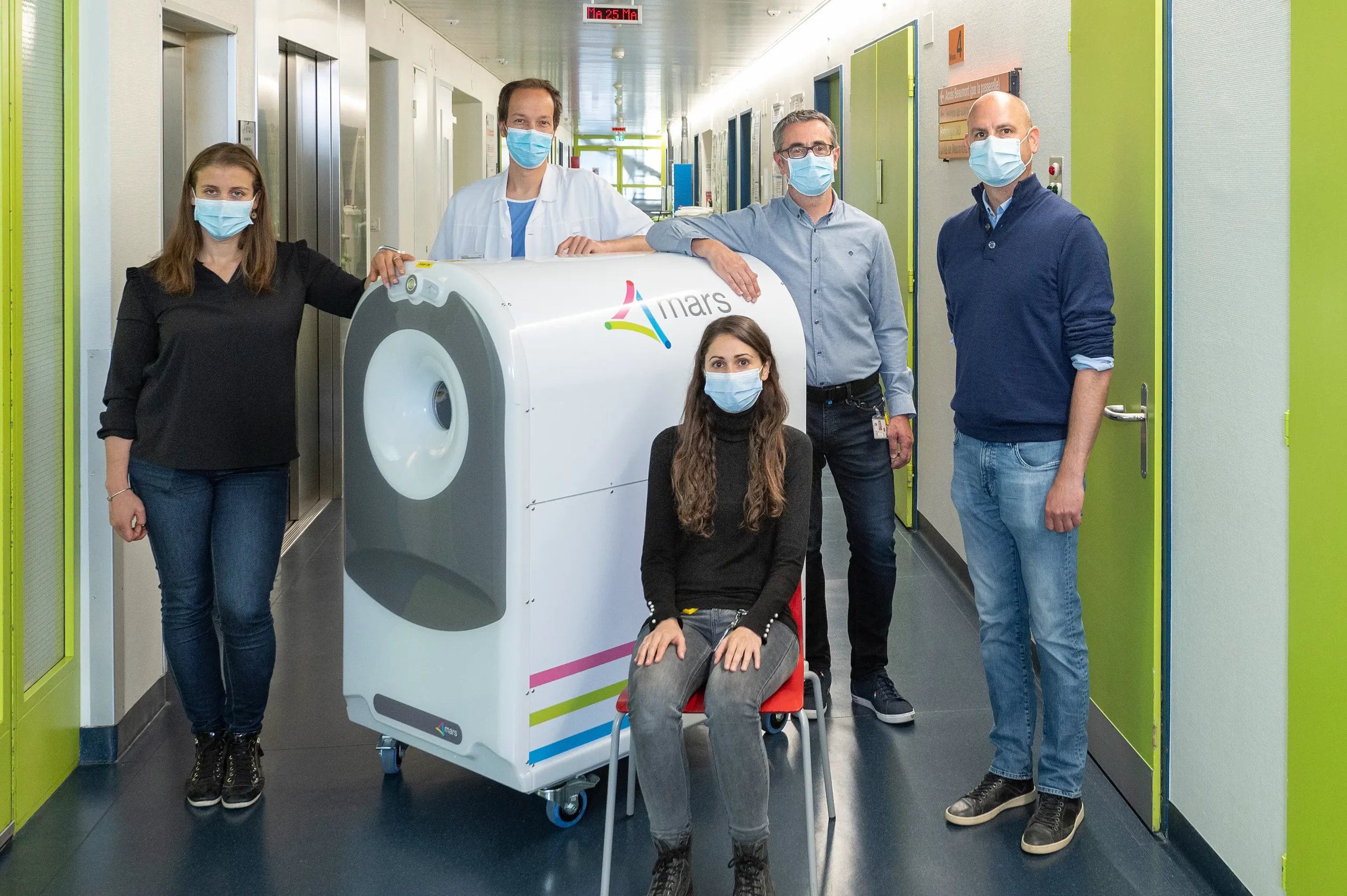
First European hospital receives 3D colour X-ray scanner using CERN technology | MARS Bioimaging’s 3D colour X-ray scanner has arrived in Europe to undertake clinical trials that will lead to its medical use. After years of development in New Zealand, MARS Bioimaging’s 3D colour X-ray scanner has arrived in Europe, at Lausanne University Hospital (CHUV) in Switzerland.
-
Timepix-based detectors bring particle physics in the classroom
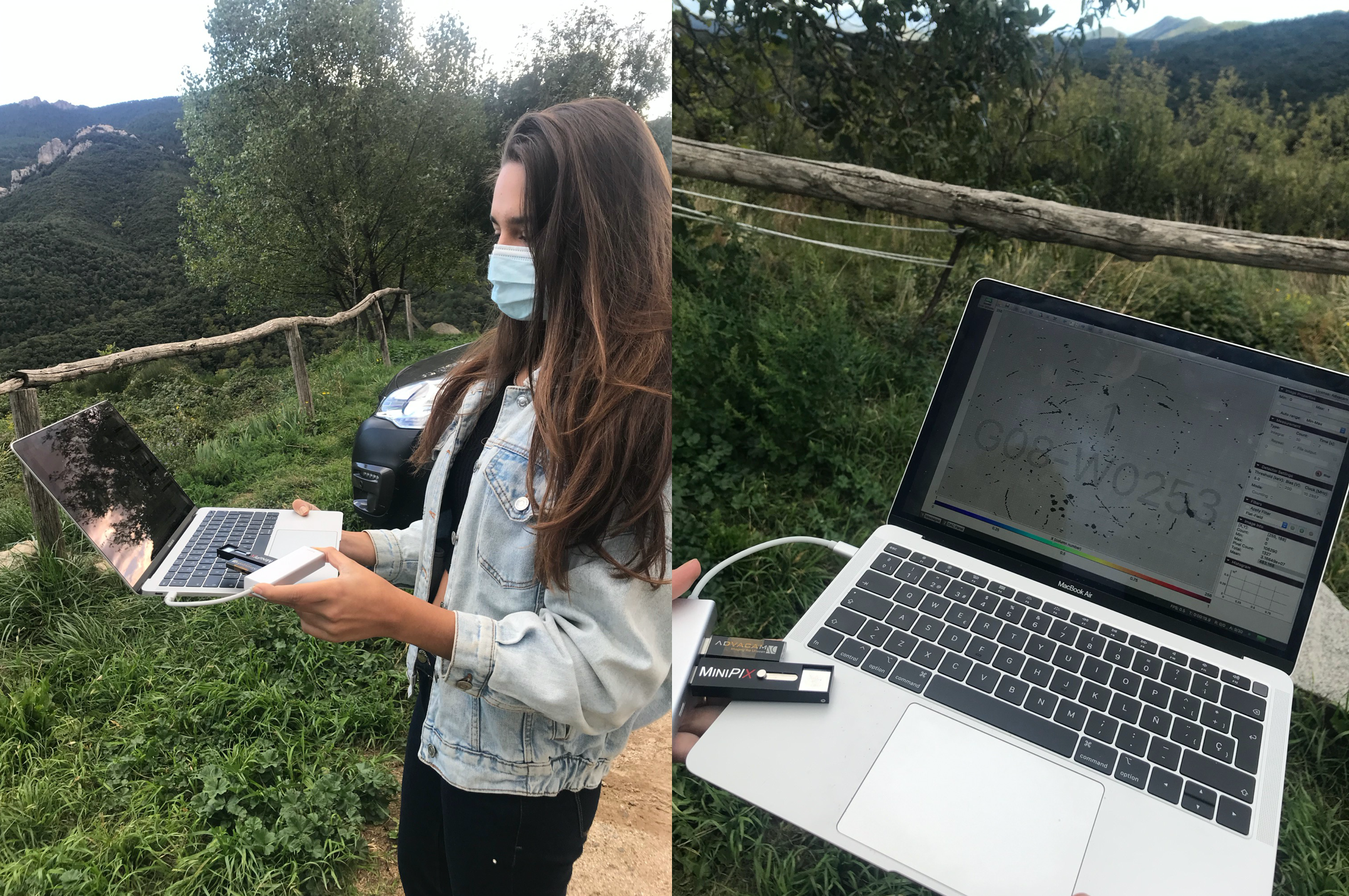
Timepix-based detectors bring particle physics in the classroom | The ADMIRA project uses Timepix-based detectors to help students experiment with particle physics and contributes to transforming STEM education. Combustion, diffraction, magnetism… Many natural phenomena can be observed, experimented with and studied at school. Some have traditionally been difficult to demonstrate and have had to rely
-
Introducing CARA, CERN’s COVID Airborne Risk Assessment tool
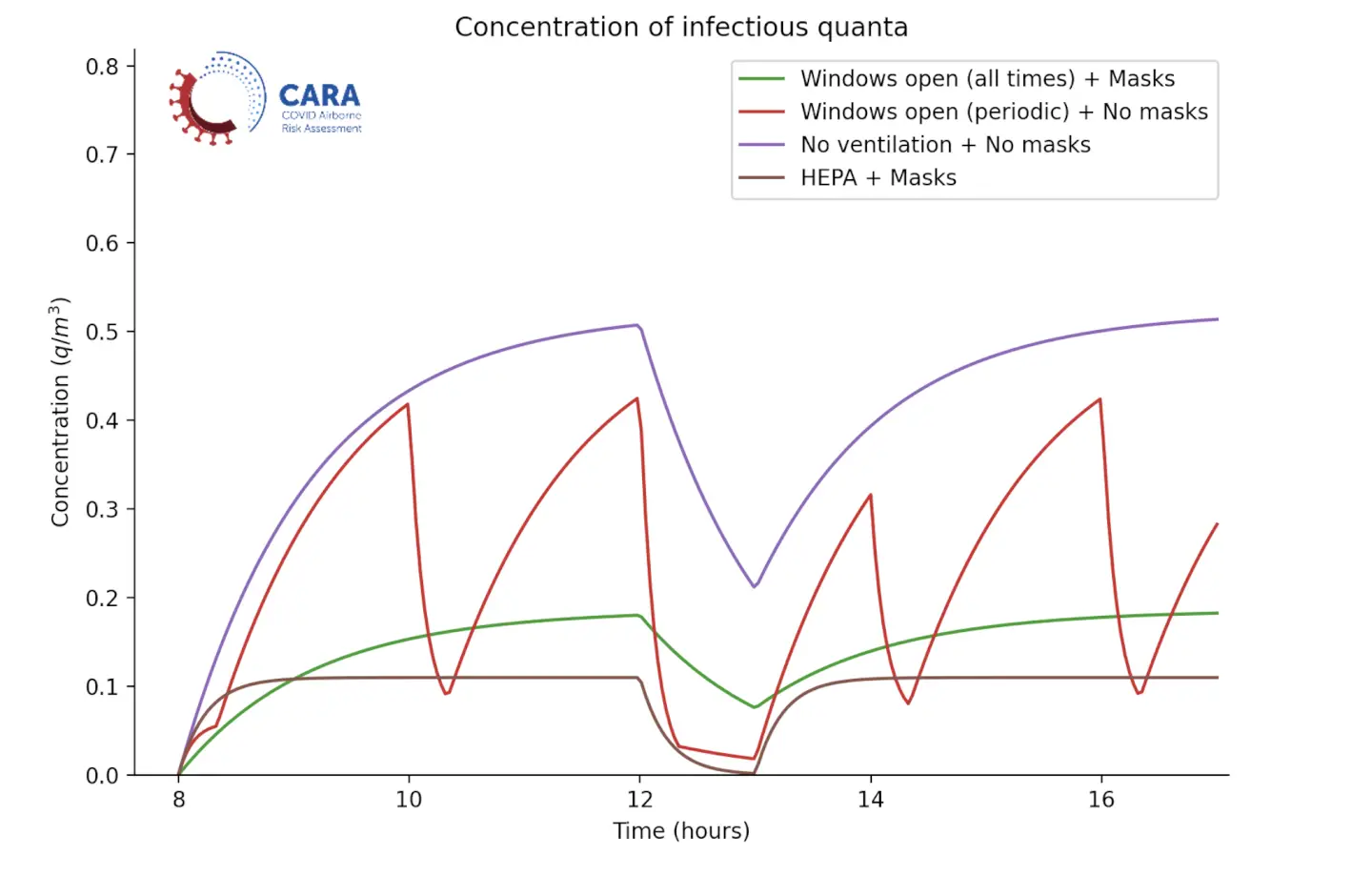
Introducing CARA, CERN’s COVID Airborne Risk Assessment tool CARA, CERN-made software modelling the concentration of viruses in enclosed spaces, will inform space-management decisions on the CERN sites | Editor update 13/3/23: Please note that since September 2022 CARA is now called CAiMIRA – CERN Airborne Model for Indoor Risk Assessment. ______________ Since the onset of
-
CERN technology helps rediscover lost painting by Raphael
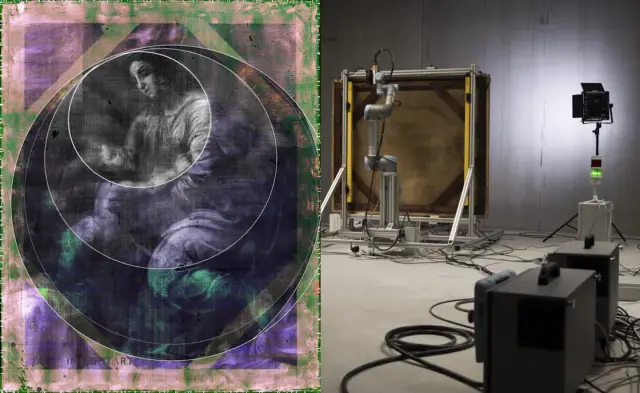
CERN technology helps rediscover lost painting by Raphael | CERN’s Timepix particle detectors, developed by the Medipix2 Collaboration, help unravel the secret of a long-lost painting by the great Renaissance master, Raphael On 5 November, the company behind this achievement, Czech startup InsightART, and its innovative scanner won the ArtTech Prize 2020. This reward serves as
-

CERN’s contribution to particle therapy for cancer treatment at MedAustron
CERN’s contribution to particle therapy for cancer treatment at MedAustron | For two and a half years, particle therapy for cancer treatment has successfully been used at MedAustron in Wiener Neustadt, Austria. The centre completed its first year as an operating cancer treatment facility in 2017, after having started patient treatments in December 2016. MedAustron continued
-

CNAO: Treating Cancer with Ions since 2011
CNAO: Treating Cancer with Ions since 2011 The National Center for Oncological Hadrontherapy (CNAO) in Pavia, Italy, is a facility offering advanced therapy to fight cancer, and one of only six centres in the world treating with both protons and carbon ions. | The National Center for Oncological Hadrontherapy (CNAO) in Pavia, Italy, is a
-
Forty years since the first PET image at CERN
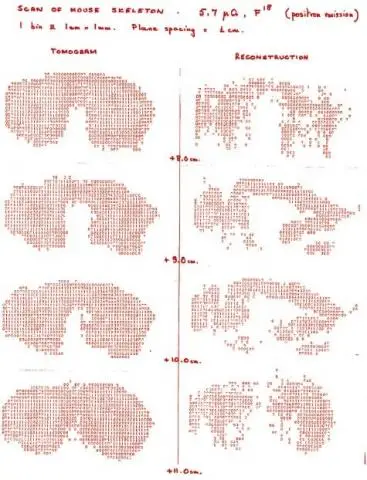
Forty years since the first PET image at CERN | On a peaceful afternoon in early summer 1977, the laboratory of CERN radiobiologist Marilena Bianchi was visited by a physicist with a pretty unusual request. He asked for her help in his quest to create a first image of a mouse using a PET (positron-emission